

Rómulo Gallegos Prize
Rómulo Gallegos Prize is a literary award. It was created in 1964.
- Country
- Venezuela
- Created
- August 6, 1964
All 5 facts, and where they come from
Facts
5 facts · 0 confirmed by two sources · 0 cited · 5 from one source
Where this comes from
Papalocal keeps its own record. It started from these sources; what each one said is kept here as it was copied, so a change on their side never changes this page by itself. Tap one to read its version.
What Wikidata says · copied November 17, 2026 · revision 2520143752
- Described as
- award
- Other names
- Romulo Gallegos Prize
- What it is
- literary award
- Created
- August 6, 1964
- Country
- Venezuela
- Named after
- Rómulo Gallegos
- Official website
- http://www.celarg.org.ve/Ingles/index.htm
- Wikipedias with a page
- 18
Wikidata item Q1088492 (wikidata.org/wiki/Q1088492), public domain (CC0). Copied 2026-11-17.
What Wikipedia says · copied November 17, 2026 · revision 1386187128
The Rómulo Gallegos International Novel Prize (Spanish: Premio internacional de novela Rómulo Gallegos) was created on 6 August 1964 by a presidential decree enacted by Venezuelan president Raúl Leoni, in honor of the Venezuelan writer and President Rómulo Gallegos, the author of Doña Bárbara.
The declared purpose of the prize is to "perpetuate and honor the work of the eminent novelist and also to stimulate the creative activity of Spanish language writers".
It is awarded by the government of Venezuela, through the offices of the Rómulo Gallegos Center for Latin American Studies (CELARG). The first prize was given in 1967. It was awarded every five years until 1987, when it became a biennial award.
The award includes a cash prize of €100,000 making it among the richest literary prizes in the world.
From the Wikipedia article “Rómulo Gallegos Prize” (en.wikipedia.org/wiki/Rómulo_Gallegos_Prize), by its contributors, under CC BY-SA 4.0 (creativecommons.org/licenses/by-sa/4.0/). Copied 2026-11-17; not changed.
Confirmed Two sources agree. Cited One source, and it names where it got it. One source One source, without a reference of its own. Sources disagree The sources disagree. We show the best-supported value and keep theirs below.
Picture: Wikimedia Commons: Sculpture of Rómulo Gallegos.jpg · See Commons file page
People connected 8
Won it
 Elena Poniatowska (2007)French-born Mexican journalist and author
 Enrique Vila-Matas (2001)Spanish writer
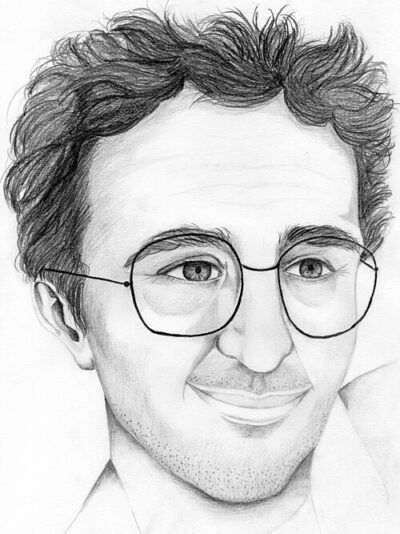 Roberto Bolaño (1999)Chilean author
 Javier Marías (1995)Spanish writer (1951–2022)
 Fernando del Paso (1982)Mexican writer (1935–2018)
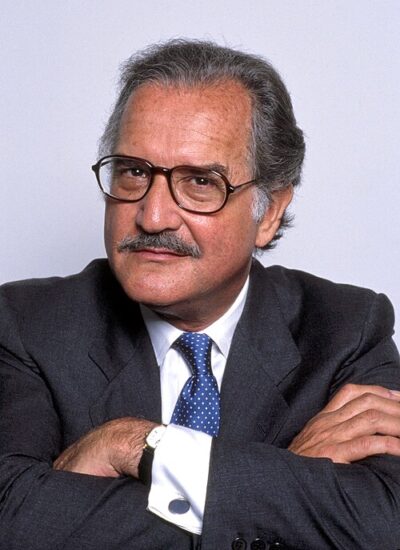 Carlos Fuentes (1977)Mexican writer (1928–2012)
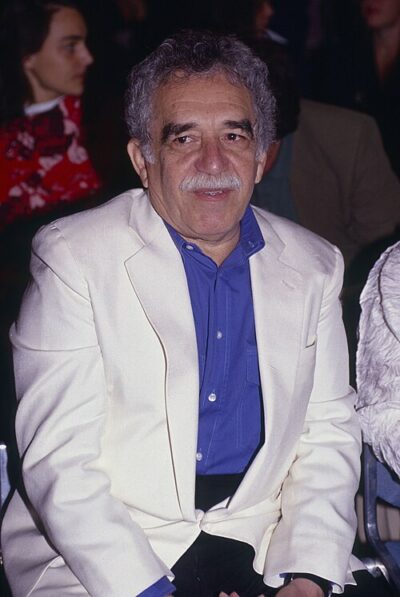 Gabriel García Márquez (1972)Colombian writer and Nobel laureate (1927–2014)
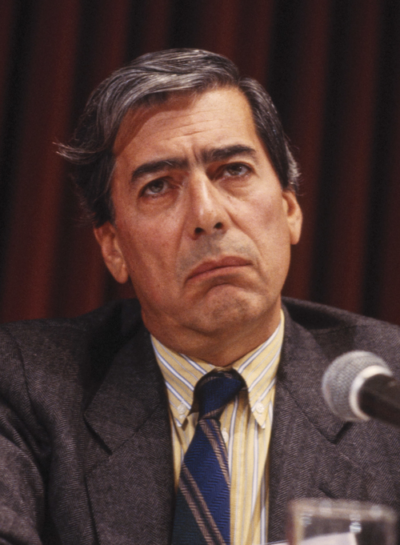 Mario Vargas Llosa (1967)Peruvian, Spanish and Dominican novelist and writer (1936–2025)
