
Theodore Roosevelt High School
Theodore Roosevelt High School is a former high school in the Bronx, New York, United States. It was founded in 1918.
- Located in
- New York
- Country
- United States
- Founded
- 1918
- What it is
- high school
All 5 facts, and where they come from
Facts
5 facts · 0 confirmed by two sources · 0 cited · 5 from one source
Where this comes from
Papalocal keeps its own record. It started from these sources; what each one said is kept here as it was copied, so a change on their side never changes this page by itself. Tap one to read its version.
What Wikidata says · copied November 17, 2026 · revision 2541944079
- Described as
- former high school in the Bronx, New York, United States
- Other names
- Roosevelt High School
- What it is
- high school
- Founded
- 1918
- Located in
- New York
- Country
- United States
- Named after
- Theodore Roosevelt
- Wikipedias with a page
- 2
Wikidata item Q7781995 (wikidata.org/wiki/Q7781995), public domain (CC0). Copied 2026-11-17.
What Wikipedia says · copied November 17, 2026 · revision 1385945230
Theodore Roosevelt High School, originally Roosevelt High School, the third public high school to open in the Bronx, New York, operated from 1918 until its permanent closure in 2006. Shutting down incrementally since 2002, this large high school, initially enrolling about 4 000 students, yearly dwindled, newly sharing its 1928 building with new, small public high schools—all pooling students for major, extracurricular activities like athletics and JROTC—a reorganization renaming the building Theodore Roosevelt Educational Campus, still open after the historic, namesake high school ceased in 2006. At its November 1918 opening, Roosevelt High School operated in the building of school PS 31.
At the January 1919 death of the Roosevelt family's preeminent member, a recent US president and venerated statesman, Roosevelt High School was renamed. And as the Bronx led New York City's population growth, its enrollment snowballed. Still focusing on accounting and secretarial skills, Roosevelt gained more classrooms in other schools' buildings. Yet in 1928, the high school entered its own, newly built at 500 East Fordham Road, making it one of America's high schools largest and best equipped. At the northern edge of the Belmont section, soon a Little Italy, and the southern edge of Fordham University's campus, Roosevelt's building became a community venue for organizations' meetings and politicians' speeches.
The school colors were red and white. The sports teams were the Rough Riders, nickname of the cavalry unit led by Colonel Roosevelt before his US presidency. The high school's 1930s and 1940s students participated extracurricularly at about 55% or New York City's lowest rate, about 80% citywide. Still, Roosevelt was esteemed in its own niche, educating for the basic workforce, the school's image enduring into the 1950s. Meanwhile, a local gang, the Fordham Baldies, menacing blacks and Hispanics in Roosevelt's vicinity, kept enrollment overwhelmingly white. In the 1960s, among students citywide, truancy increased and socializing gained priority, whereby other high schools often issued diplomas once their requirements were met via Roosevelt's evening and summer classes.
Across the 1960s, amid economic stagflation, drug selling popularized, common at Roosevelt by 1970. As drug culture had eased racial hostilities, Roosevelt's black and Hispanic enrollment grew. Although heroin lowered gang violence, New York City teetered on bankruptcy in 1975, and the 1977 blackout incited massive looting, triggering a domino effect of rapid urban decay, including soaring crime rates and white flight. By 1980, the South Bronx, largely rubble, was notorious for having the city's worst public high schools. Then the crack epidemic struck. Many adolescents from the city's most violent neighborhoods, policed by especially corrupt officers, were zoned to Roosevelt, which, having the city's highest dropout rate in 1984, symbolized the educational disaster.
In 1986, with a new principal, efforts began to raise Roosevelt's attendance. But improvement was negligible until 1992, when the next new principal, Thelma Baxter, led an astonishing turnaround. Upon Baxter's 1999 promotion to superintendent of schools in Manhattan's Harlem section, Roosevelt's progress reversed. In 2001, the city's Department of Education, ordered by the state's, commanded Roosevelt to shut down. In 2002, it received its final freshman class. In 2006, about 3% graduated. The Theodore Roosevelt High School then closed.
From the 1920s to the 1960s, a number of eventual public figures—journalist Thelma Berlack Boozer, actress June Allyson, actor John Garfield, baseball player Rocky Colavito, all the singers of Dion and the Belmonts, Kiss's lead guitarist Ace Frehley, actor and screenwriter Chazz Palminteri, and comedian and actor Jimmie Walker—had attended the Theodore Roosevelt High School.
From the Wikipedia article “Theodore Roosevelt High School (New York City)” (en.wikipedia.org/wiki/Theodore_Roosevelt_High_School_(New_York_City)), by its contributors, under CC BY-SA 4.0 (creativecommons.org/licenses/by-sa/4.0/). Copied 2026-11-17; not changed.
Confirmed Two sources agree. Cited One source, and it names where it got it. One source One source, without a reference of its own. Sources disagree The sources disagree. We show the best-supported value and keep theirs below.
People connected 10
Studied here
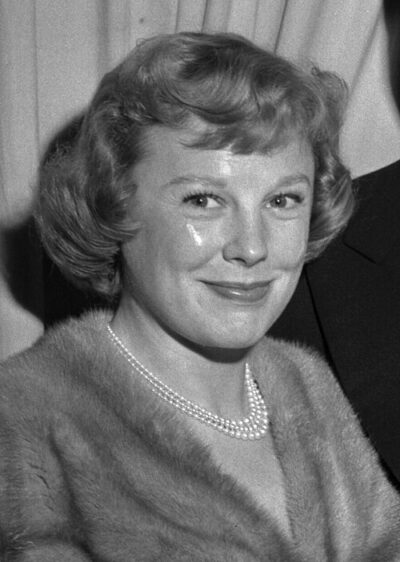 June AllysonAmerican actress (1917–2006)
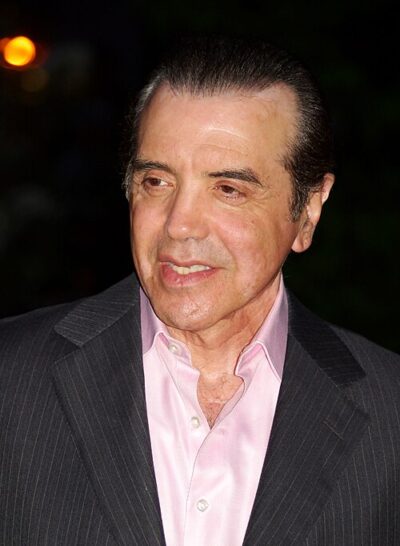 Chazz PalminteriAmerican actor
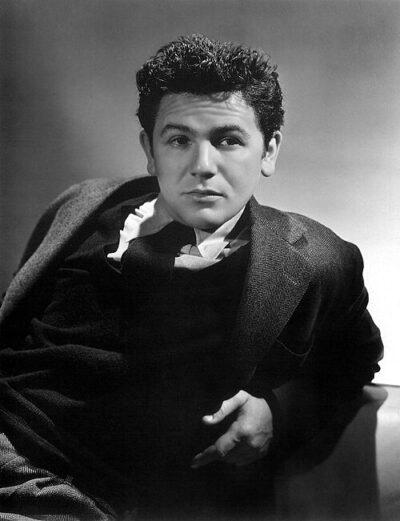 John GarfieldAmerican actor (1913-1952)
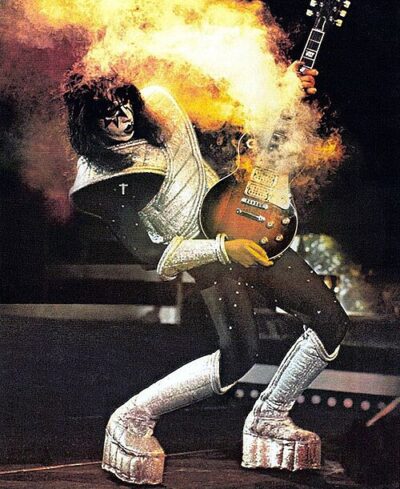 Ace FrehleyAmerican guitarist (1951–2025)
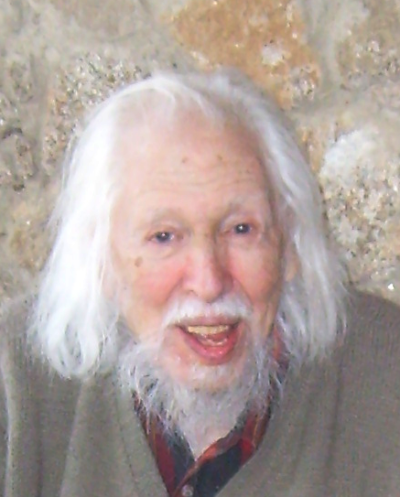 Raymond SmullyanAmerican mathematician (1919–2017)
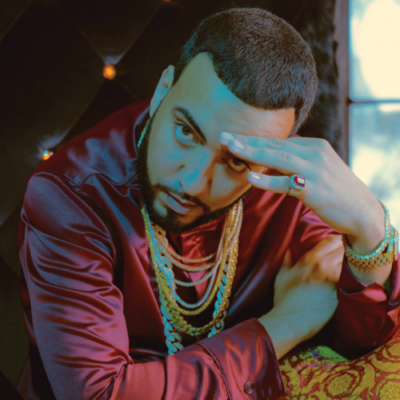 French MontanaMoroccan and American rapper
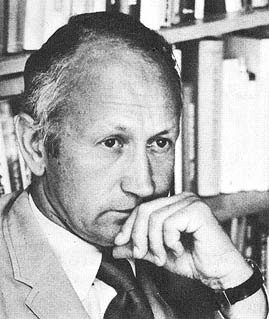 Norman CousinsAmerican journalist (1915–1990)
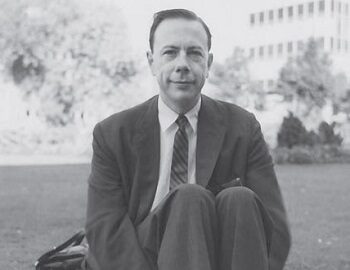 Andrew Gleason (–1938)American mathematician (1921-2008)
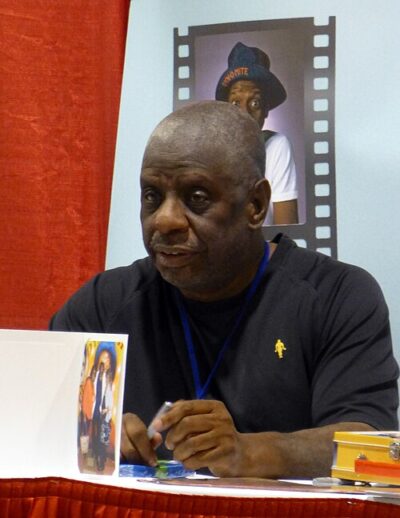 Jimmie WalkerAmerican actor
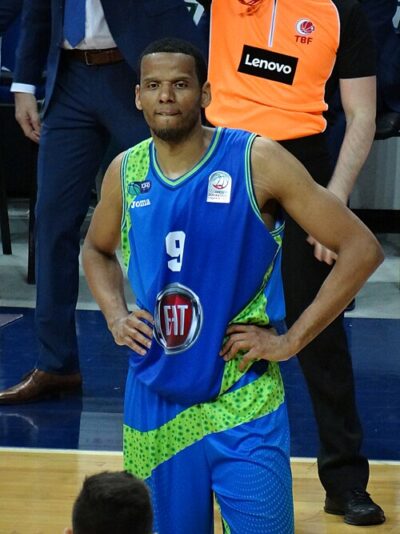 Sammy MejíaDominican basketball player
