United States Army Air Forces
The United States Army Air Forces is an aerial warfare branch of the United States Army from 1941 to 1947. Its headquarters are in Main Navy and Munitions Buildings.
- Founded
- 1941
- Headquarters
- Main Navy and Munitions Buildings (1941–1942)
- Country
- United States
All 7 facts, and where they come from
Facts
7 facts · 0 confirmed by two sources · 1 cited · 6 from one source
Where this comes from
Papalocal keeps its own record. It started from these sources; what each one said is kept here as it was copied, so a change on their side never changes this page by itself. Tap one to read its version.
What Wikidata says · copied November 19, 2026 · revision 2541527421
- Described as
- aerial warfare branch of the United States Army from 1941 to 1947
- Other names
- USAAF, AAF, US Army Air Forces, U.S. Army Air Forces, U. S. Army Air Forces, Army Air Forces
- What it is
- major command of the United States Army; military branch
- Founded
- 1941
- Ended
- September 18, 1947
- Headquarters
- Main Navy and Munitions Buildings (1941–1942)
- Country
- United States · 1 reference
- Part of
- United States Department of War
- Wikipedias with a page
- 39
Wikidata item Q741723 (wikidata.org/wiki/Q741723), public domain (CC0). Copied 2026-11-19.
What Wikipedia says · copied November 19, 2026 · revision 1363725974
The United States Army Air Forces (USAAF or AAF) was the major land-based aerial warfare service component of the United States Army and de facto aerial warfare service branch of the United States during and immediately after World War II (1941–1947). It was created on 20 June 1941 as successor to the previous United States Army Air Corps and is the direct predecessor of the United States Air Force, today one of the six armed forces of the United States. The AAF was a component of the United States Army, which on 2 March 1942 was divided functionally by executive order into three autonomous forces: the Army Ground Forces, the United States Army Services of Supply (which in 1943 became the Army Service Forces), and the Army Air Forces. Each of these forces had a commanding general who reported directly to the Army chief of staff.
The AAF administered all parts of military aviation formerly distributed among the Air Corps, General Headquarters Air Force, and the ground forces' corps area commanders and thus became the first air organization of the U.S. Army to control its own installations and support personnel. The peak size of the AAF during World War II was over 2.4 million men and women in service and nearly 80,000 aircraft by 1944, and 783 domestic bases in December 1943. By "V-E Day", the Army Air Forces had 1.25 million men stationed overseas and operated from more than 1,600 airfields worldwide.
The Army Air Forces was created in June 1941 to provide the air arm greater autonomy in which to expand more efficiently, to provide a structure for the additional command echelons required by a vastly increased force, and to end an increasingly divisive administrative battle within the Army over control of aviation doctrine and organization that had been ongoing since the creation of an aviation section within the U.S. Army Signal Corps in 1914. The AAF succeeded both the Air Corps, which had been the statutory military aviation branch since 1926 and the GHQ Air Force, which had been activated in 1935 to quiet the demands of airmen for an independent Air Force similar to the Royal Air Force which had already been established in the United Kingdom.
Although other nations already had separate air forces independent of their army or navy (such as the Royal Air Force and the German Luftwaffe), the AAF remained a part of the Army until a defense reorganization in the post-war period resulted in the passage by the United States Congress of the National Security Act of 1947 with the creation of an independent United States Air Force in September 1947.
In its expansion and conduct of the war, the AAF became more than just an arm of the greater organization. By the end of World War II, the Army Air Forces had become virtually an independent service. By regulation and executive order, it was a subordinate agency of the United States Department of War (as were the Army Ground Forces and the Army Service Forces) tasked only with organizing, training, and equipping combat units and limited in responsibility to the continental United States. In reality, Headquarters AAF controlled the conduct of all aspects of the air war in every part of the world, determining air policy and issuing orders without transmitting them through the Army Chief of Staff. This "contrast between theory and fact is...fundamental to an understanding of the AAF."
From the Wikipedia article “United States Army Air Forces” (en.wikipedia.org/wiki/United_States_Army_Air_Forces), by its contributors, under CC BY-SA 4.0 (creativecommons.org/licenses/by-sa/4.0/). Copied 2026-11-19; not changed.
Confirmed Two sources agree. Cited One source, and it names where it got it. One source One source, without a reference of its own. Sources disagree The sources disagree. We show the best-supported value and keep theirs below.
Picture: Wikimedia Commons: US Army Air Corps Hap Arnold Wings.svg · See Commons file page
People connected 28
Military branch 27
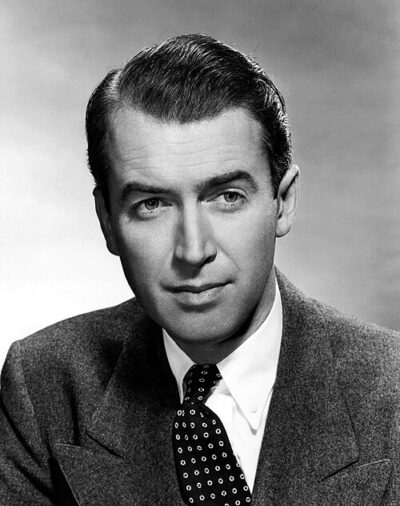 James StewartAmerican actor and military officer (1908–1997)
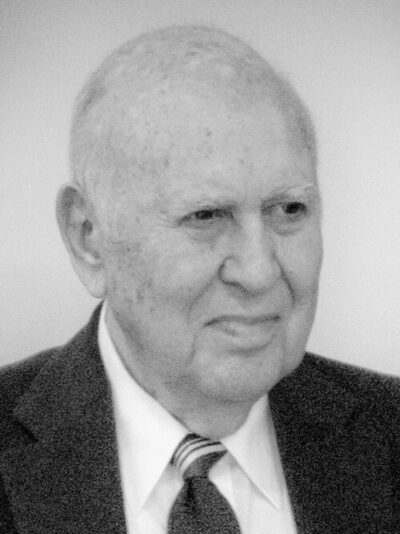 Carl Reiner (1943–1946)American actor
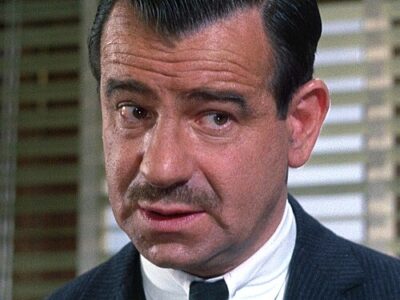 Walter MatthauAmerican actor, comedian and director (1920–2000)
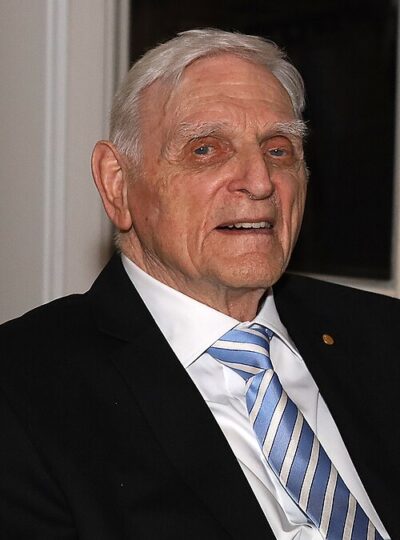 John B. GoodenoughAmerican materials scientist (1922–2023)
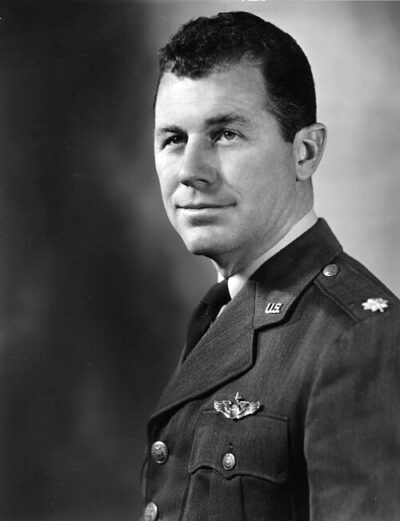 Chuck YeagerAmerican World War II flying ace and test pilot; first pilot to fly faster than sound (1923–2020)
 Dick Van Dyke (1943–1946)American actor and comedian (born 1925)
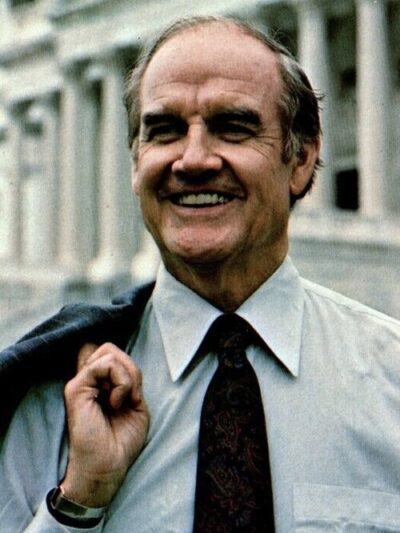 George McGovern (1942–1945)American historian and politician (1922–2012)
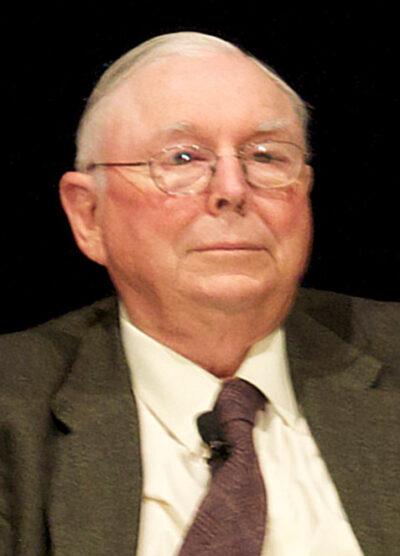 Charlie Munger (1943–1946)American businessman (1924–2023)
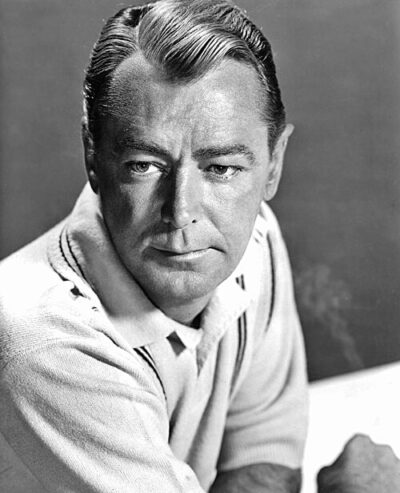 Alan LaddAmerican actor (1913–1964)
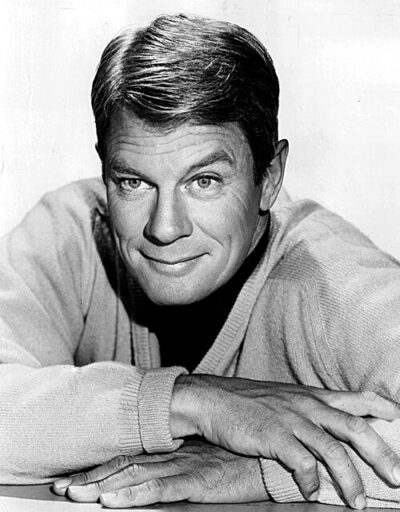 Peter GravesAmerican actor (1926-2010)
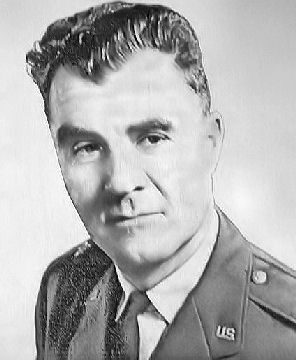 Paul TibbetsUnited States Air Force pilot (1915–2007)
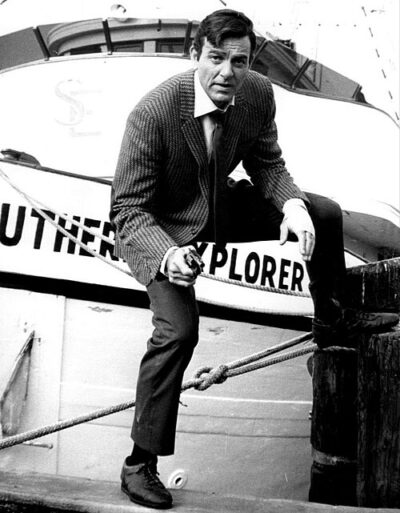 Mike ConnorsAmerican actor (1925–2017)
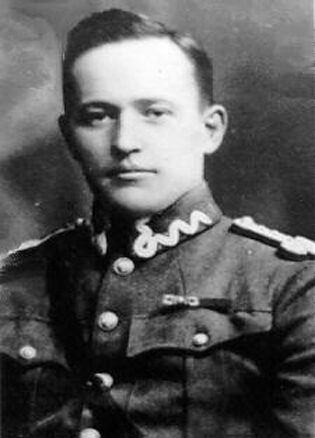 Merian C. CooperAmerican aviator, actor, director and producer (1893-1973)
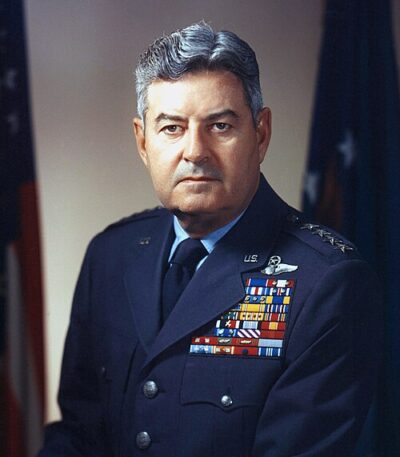 Curtis LeMayAmerican general and politician (1906–1990)
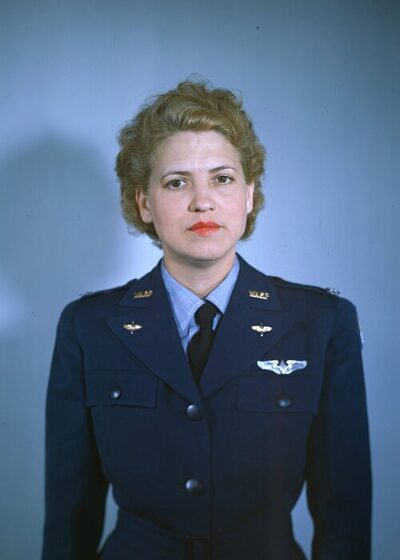 Jacqueline CochranAmerican aviator and businesswoman (1906–1980)
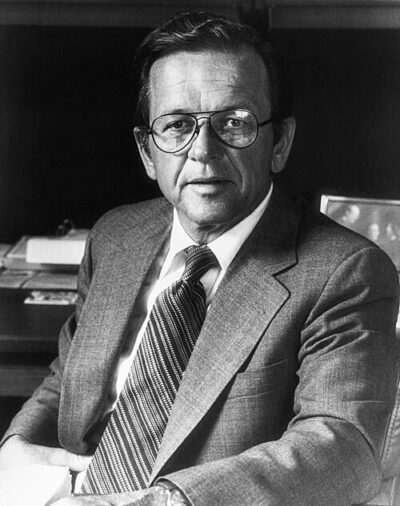 Ted Stevens (1943–1946)American politician (1923–2010)
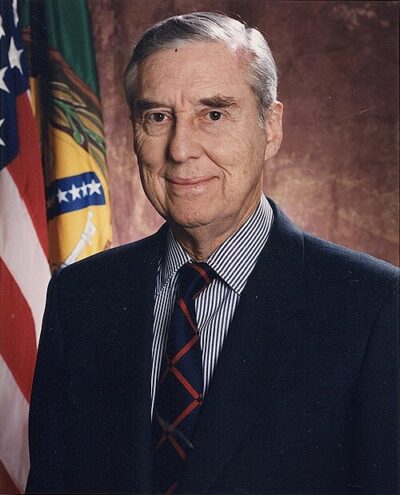 Lloyd Bentsen (1942–1945)American politician (1921–2006)
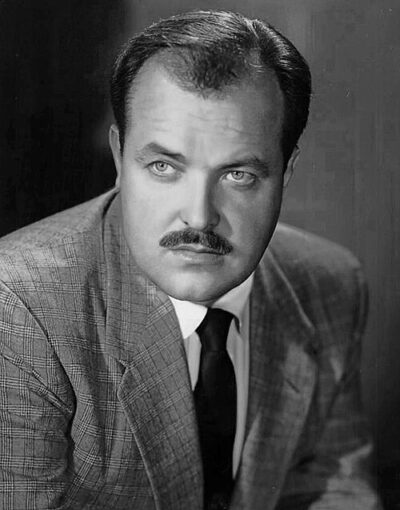 William ConradAmerican actor and director (1920-1994)
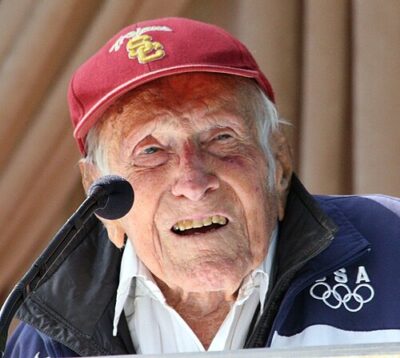 Louis ZamperiniItalian-American middle distance runner and World War II veteran
 Norman Lear (1942–1945)American television writer and producer (1922-2023)
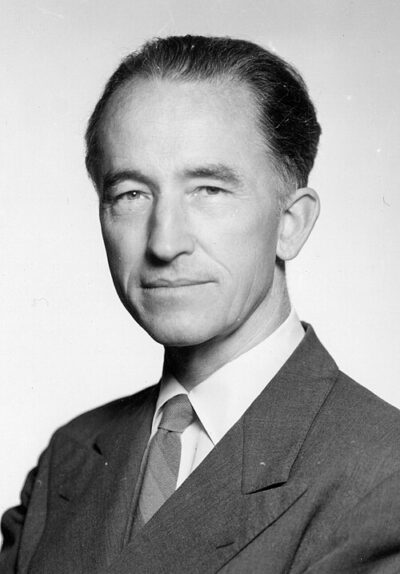 Jacob BjerknesNorwegian-American meteorologist
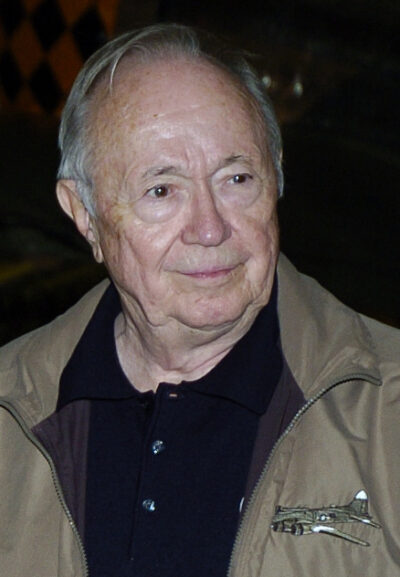 Theodore Van KirkAmerican Air Force navigator; recipient of the Silver Star (1921–2014)
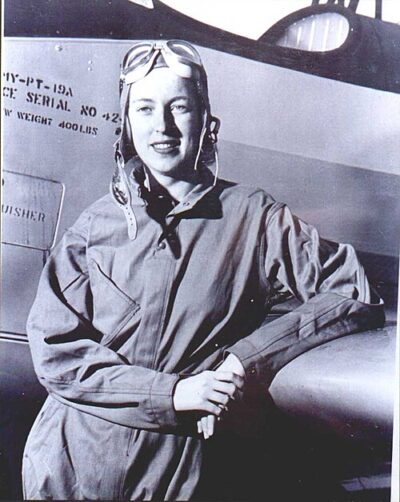 Cornelia FortAmerican aviator
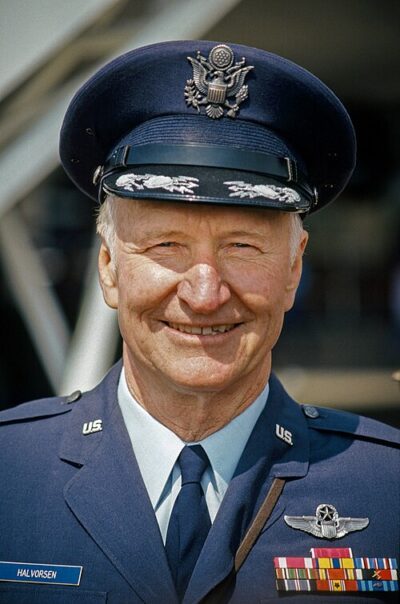 Gail Halvorsen (1942–1946)United States Air Force pilot (1920–2022)
and 3 more