
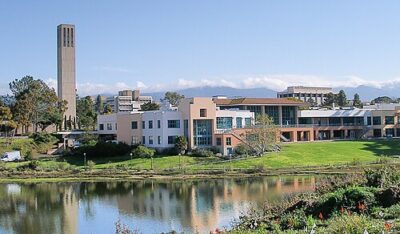
University of California
The University of California is a university system in California, United States. It was founded in 1868 by Frederick Low. Its headquarters are in Oakland. It has 22,700 employees. 295,573 students study there. It won the SPARC Innovator Award.
- Located in
- Oakland
- Country
- United States
- Founded
- 1868
- Students
- 295,573
- What it is
- state university system
All 13 facts, and where they come from
Facts
13 facts · 0 confirmed by two sources · 5 cited · 8 from one source
Where this comes from
Papalocal keeps its own record. It started from these sources; what each one said is kept here as it was copied, so a change on their side never changes this page by itself. Tap one to read its version.
What Wikidata says · copied November 16, 2026 · revision 2549611972
- Described as
- university system in California, United States
- Other names
- UC, University of California System, UC System, University of California Systemwide Administration, UC Systemwide Administration
- What it is
- state university system · 2 references; educational institution; land-grant university · 1 reference
- Founded
- 1868
- Founded by
- Frederick Low
- Headquarters
- Oakland · 1 reference
- Located in
- Oakland · 1 reference
- Country
- United States · 4 references
- Employees
- 22,700 · 1 reference
- Part of
- State of California
- Students
- 295,573 · 1 reference
- Awards
- SPARC Innovator Award (2006)
- Official website
- https://universityofcalifornia.edu · 1 reference
- Wikipedias with a page
- 69
Wikidata item Q184478 (wikidata.org/wiki/Q184478), public domain (CC0). Copied 2026-11-16.
What Wikipedia says · copied November 16, 2026 · revision 1385928652
The University of California (UC) is California's system of public research universities. Headquartered in Oakland, the system is composed of ten campuses at Berkeley, Davis, Irvine, Los Angeles, Merced, Riverside, San Diego, San Francisco, Santa Barbara, and Santa Cruz. The system is the state's land-grant university. Under the California Master Plan for Higher Education, the University of California is a part of the state's three-system public postsecondary education plan, which also includes the California Community Colleges and California State University systems.
The ten campuses have a combined enrollment of 299,407 students, with 26,100 faculty members and 192,400 staff members, and more than 2.5 million alumni. Nine campuses enroll undergraduate and graduate students, while UC San Francisco enrolls only graduate and professional students in the medical and health sciences. The University of California College of the Law, San Francisco is legally affiliated with the University of California and shares its name, but operates autonomously.
The University of California manages or co-manages three national laboratories for the United States Department of Energy: Lawrence Berkeley National Laboratory, Lawrence Livermore National Laboratory, and Los Alamos National Laboratory. The university is governed by a Board of Regents, whose autonomy from the rest of the state government is protected by the Constitution of California.
The University of California was founded on March 23, 1868, in Oakland after acquiring the assets of the College of California. It moved to Berkeley in 1873. The university also affiliated with independent medical and law schools in San Francisco. Over the following decades, it established branch locations and satellite programs elsewhere in the state, while Berkeley remained its only campus.
Beginning in March 1951, the University of California began reorganizing its administration to separate the Berkeley campus from the university-wide administration. UC president Robert Gordon Sproul remained the system's chief executive, while Clark Kerr became Berkeley's first chancellor and Raymond B. Allen became the first chancellor of an independently administered University of California, Los Angeles. However, the reorganization faced resistance from Sproul and his allies and was not completed during his presidency. After Kerr succeeded Sproul as UC president, the university was reorganized as a multicampus system between 1957 and 1960. Chancellors were appointed at additional campuses, and the campuses received greater administrative autonomy.
Eight of the campuses are considered Public Ivies, making California the state with the most universities in the nation to hold the title. UC campuses have large numbers of distinguished faculty in almost every academic discipline, with UC faculty and researchers having won 75 Nobel Prizes as of 2025.
From the Wikipedia article “University of California” (en.wikipedia.org/wiki/University_of_California), by its contributors, under CC BY-SA 4.0 (creativecommons.org/licenses/by-sa/4.0/). Copied 2026-11-16; not changed.
Confirmed Two sources agree. Cited One source, and it names where it got it. One source One source, without a reference of its own. Sources disagree The sources disagree. We show the best-supported value and keep theirs below.
Picture: Coolcaesar at English Wikipedia, via Wikimedia Commons · CC BY-SA 3.0
People connected 30
Studied here
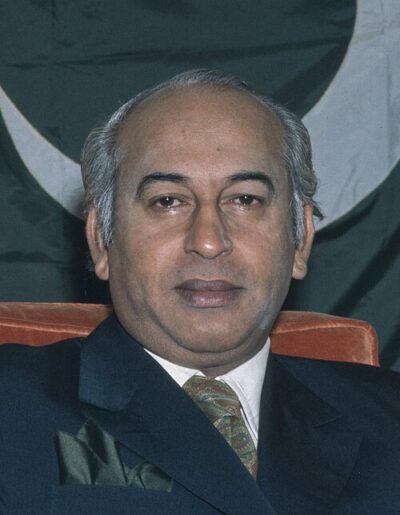 Zulfikar Ali Bhutto4th President and 9th Prime Minister of Pakistan (1928–1979)
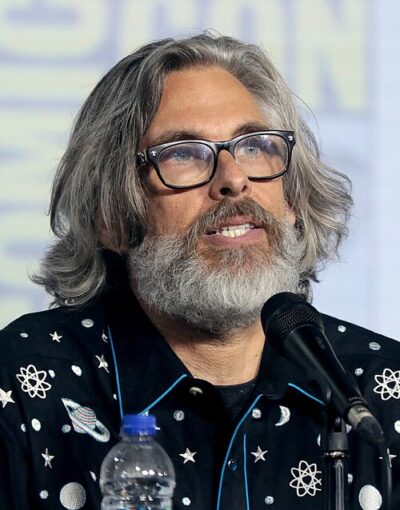 Michael ChabonAmerican novelist, short story writer, essayist
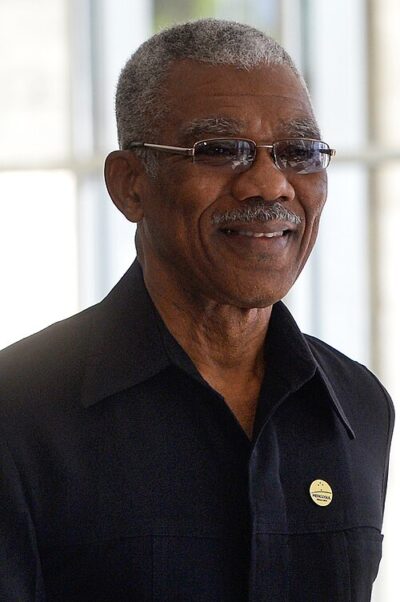 David A. GrangerGuyanese politician
 Shareef Abdur-RahimAmerican basketball player (born 1976)
- KKevin SchonAmerican former actor and comedian
 Riane EislerAustrian-American sociologist
 Ben BovaAmerican writer (1932–2020)
 Deniz BaykalTurkish attorney and statesperson (1938–2023)
- HHarold Delos BabcockAmerican astronomer (1882–1968)
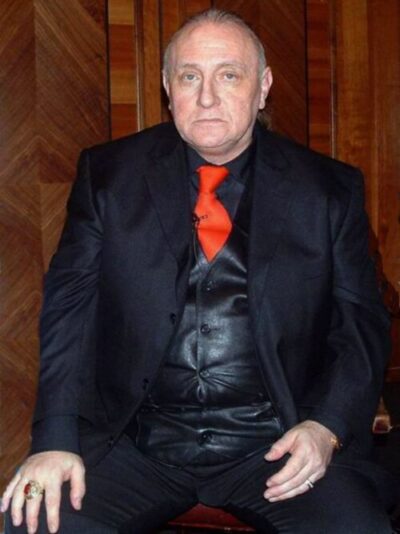 Richard BandlerAmerican author and trainer in the field of self-help
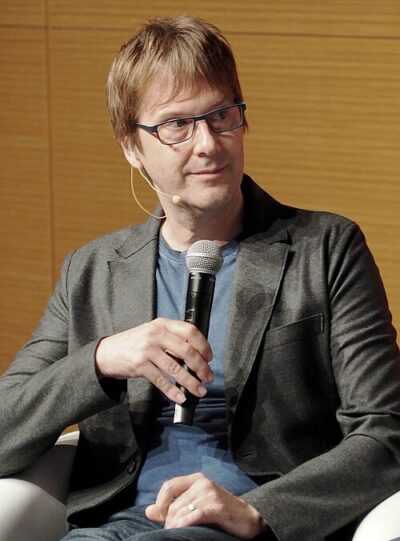 Mark CernyAmerican video game designer
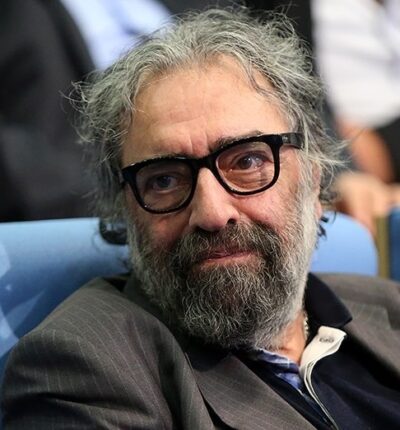 Masoud KimiaiIranian film director, screenwriter
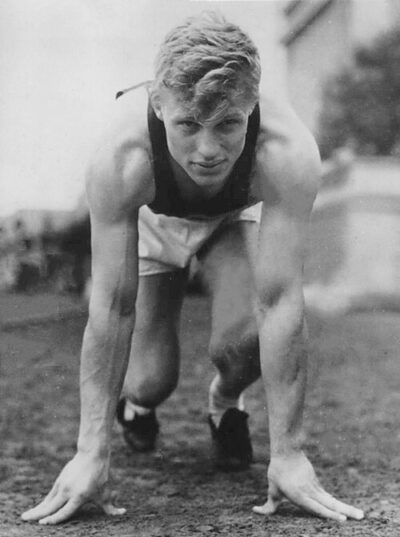 Bob KieselAmerican sprinter (1911–1993)
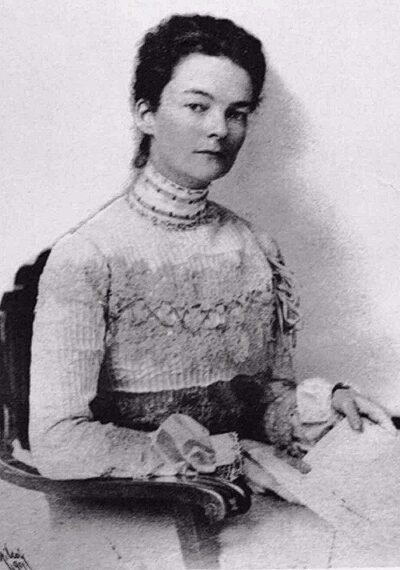 Annie Montague AlexanderAmerican paleontologist, zoologist, botanist and philanthropist (1867-1950)
- RRobert ElswitAmerican cinematographer
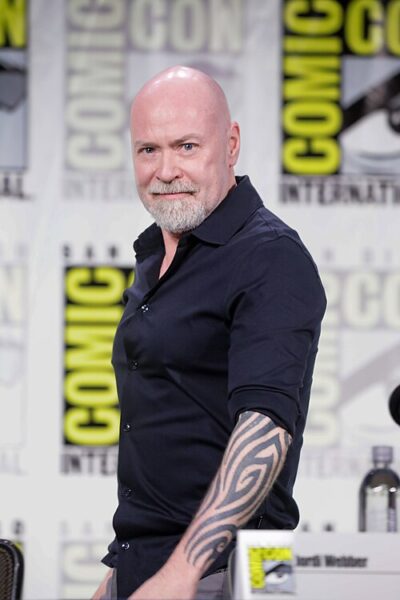 Steven S. DeKnightAmerican television screenwriter, producer, and director
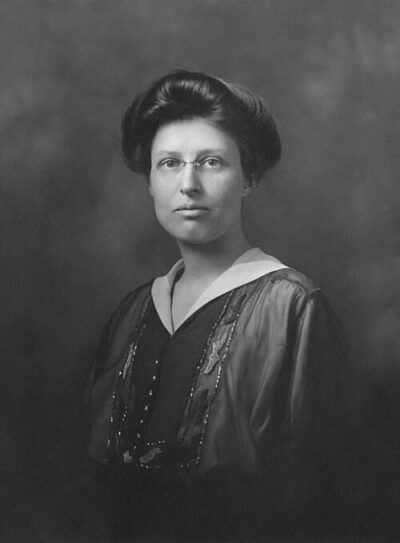 Margaret HarwoodAmerican astronomer
Worked here
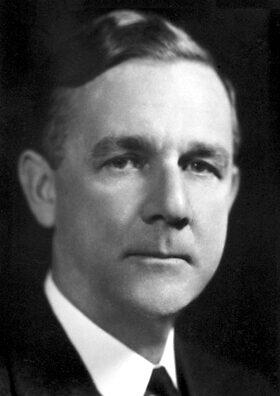 George WhippleAmerican physician and biomedical researcher (1878–1976)
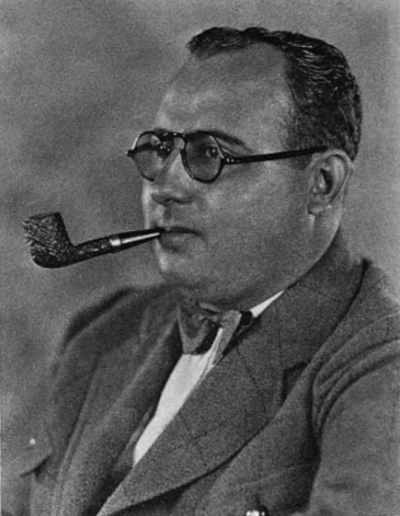 Norman TaurogAmerican film director (1899–1981)
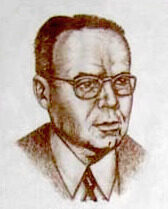 Otto StruveBaltic German astronomer (1897–1963)
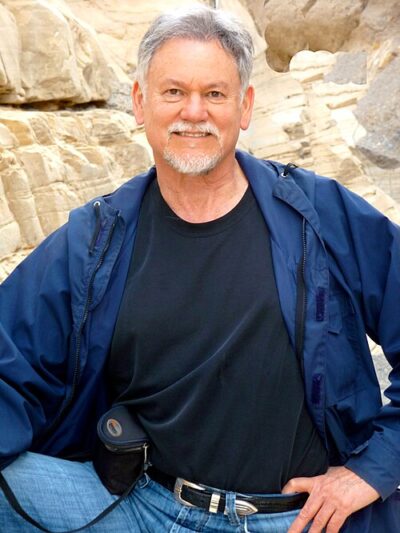 Warren Farrellauthor, spokesperson, expert witness, political candidate
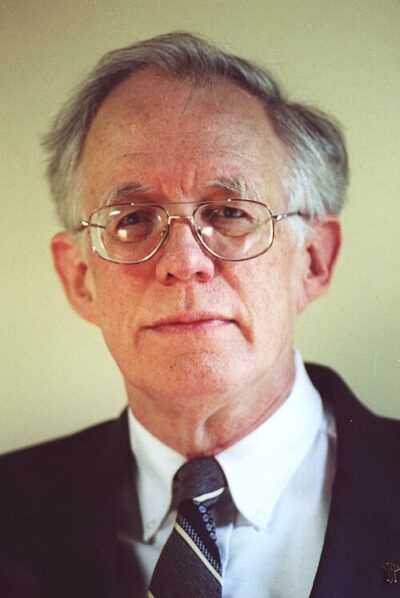 William Luther Pierce (1954–1955)American neo-Nazi (1933–2002)
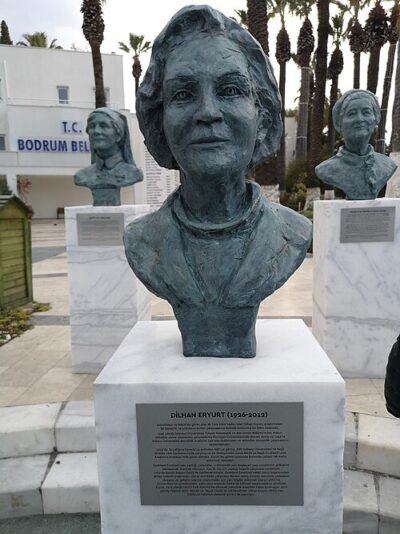 Dilhan EryurtTurkish astrophysicist (1926–2012)
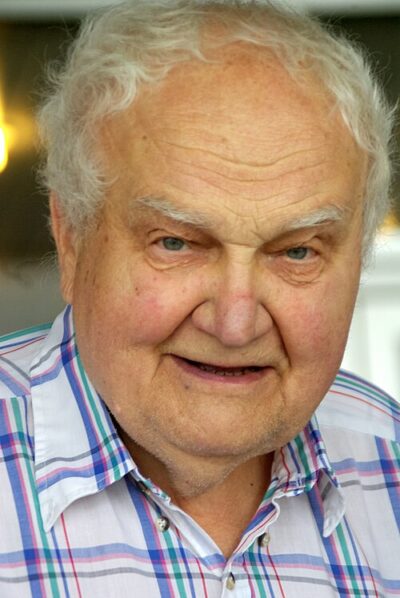 Vyacheslav IvanovSoviet linguist (1929-2017)
- DDavid GoodallBritish-born Australian botanist and ecologist (1914-2018)
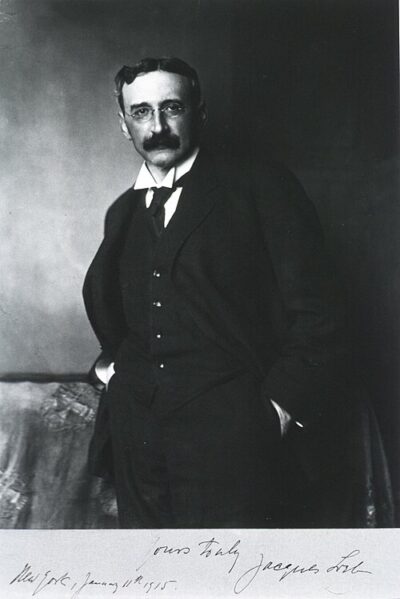 Jacques LoebGerman-American physiologist and biologist (1859-1924)
 Nicholas John SpykmanDutch-American geopolitician (1893-1943)
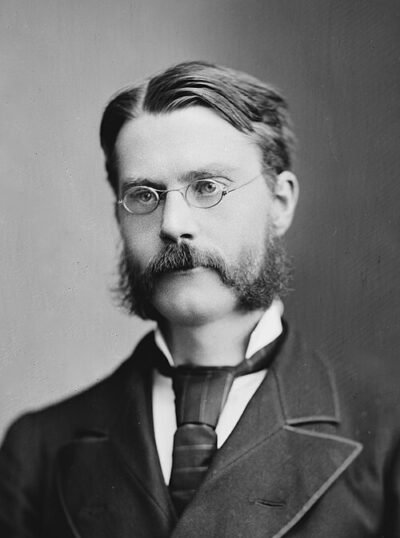 Edward S. HoldenAmerican astronomer (1846-1914)
- SSulamith GoldhaberAustrian-American high-energy physicist, molecular spectroscopist (1923-1965)
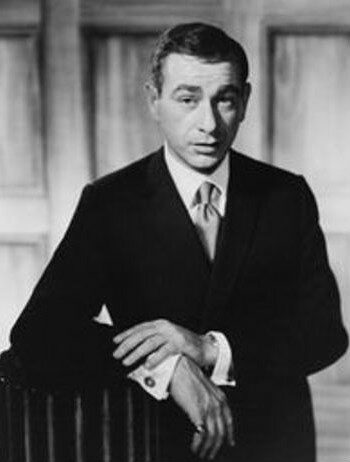 Shelley BermanAmerican comedian, actor, writer, and teacher (1925–2017)
