

University of Warwick
The University of Warwick is a university in Coventry, United Kingdom. It was founded in 1965. 25,615 students study there.
- Located in
- Coventry
- Country
- United Kingdom
- Founded
- 1965
- Students
- 25,615
- What it is
- public research university
All 9 facts, and where they come from
Facts
9 facts · 0 confirmed by two sources · 2 cited · 7 from one source
Where this comes from
Papalocal keeps its own record. It started from these sources; what each one said is kept here as it was copied, so a change on their side never changes this page by itself. Tap one to read its version.
What Wikidata says · copied November 17, 2026 · revision 2552186959
- Described as
- university in Coventry, United Kingdom
- Other names
- Warwick University, The University of Warwick, University of Warwick, Coventry, warwick.ac.uk
- What it is
- public research university · 1 reference; open-access publisher · 1 reference; educational organization · 1 reference
- Founded
- 1965
- Located in
- Coventry
- Country
- United Kingdom · 4 references
- Students
- 25,615
- Named after
- Warwick
- Official website
- https://warwick.ac.uk/
- Wikipedias with a page
- 44
Wikidata item Q865528 (wikidata.org/wiki/Q865528), public domain (CC0). Copied 2026-11-17.
What Wikipedia says · copied November 17, 2026 · revision 1384579629
The University of Warwick ( WORR-ik; abbreviated as Warw. in post-nominal letters) is a public research university on the outskirts of Coventry between the West Midlands and Warwickshire, England. The university was founded in 1965 as part of a government initiative to expand higher education. Warwick Business School was established in 1967, Warwick Law School in 1968, Warwick Manufacturing Group (WMG) in 1980, and Warwick Medical School in 2000. Warwick incorporated Coventry College of Education in 1979 and Horticulture Research International in 2004.
Warwick is primarily based on a 290-hectare (720-acre) campus on the outskirts of Coventry, with a satellite campus in Wellesbourne and a central London base at the Shard. It is organised into three faculties—Arts; Science, Engineering and Medicine; and Social Sciences—within which there are thirty-two departments. By the end of 2023, the student population was over 28,000 of which over 9,000 are postgraduates. The annual income of the institution for 2024–2025 was £859.9 million, of which £147.5 million was from research grants and contracts, with an expenditure of £828.7 million. Warwick Arts Centre is a multi-venue arts complex in the university's main campus and is the largest venue of its kind in the UK outside of London.
In 2024, Warwick ranked tenth nationally for undergraduate education. Warwick is a member of AACSB, the Association of Commonwealth Universities, the Association of MBAs, EQUIS, the European University Association, the Midlands Innovation group, the Russell Group, Sutton 13 and Universities UK. It is the only European member of the Center for Urban Science and Progress, a collaboration with New York University. The university has extensive commercial activities, including the University of Warwick Science Park and WMG, University of Warwick.
Warwick's alumni and staff include winners of the Nobel Prize, Turing Award, Fields Medal, Richard W. Hamming Medal, Emmy Award, Grammy, and the Padma Vibhushan, and are fellows to the British Academy, the Royal Society of Literature, the Royal Academy of Engineering, and the Royal Society. Alumni also include heads of state, government officials, leaders in intergovernmental organisations, and a former chief economist at the Bank of England. Researchers at Warwick have also made significant contributions such as the development of penicillin, music therapy, the Washington Consensus, computing standards, including ISO and ECMA, complexity theory, contract theory, and the International Political Economy as a field of study. Warwick is also known for being the center of the experimental cultural theorist collective Cybernetic Culture Research Unit, which had significant influence on computer science, philosophy, occultism, and the cyberpunk genre.
From the Wikipedia article “University of Warwick” (en.wikipedia.org/wiki/University_of_Warwick), by its contributors, under CC BY-SA 4.0 (creativecommons.org/licenses/by-sa/4.0/). Copied 2026-11-17; not changed.
Confirmed Two sources agree. Cited One source, and it names where it got it. One source One source, without a reference of its own. Sources disagree The sources disagree. We show the best-supported value and keep theirs below.
Picture: Wikimedia Commons: Warwick University House.jpg · See Commons file page
People connected 27
Studied here
 StingBritish musician (born 1951)
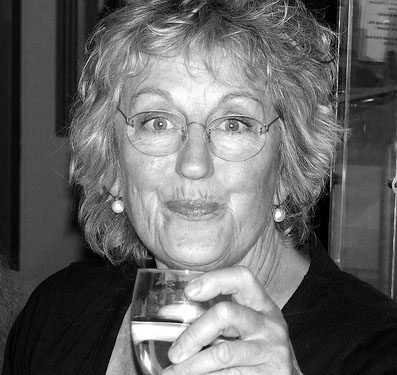 Germaine GreerAustralian writer and public intellectual (born 1939)
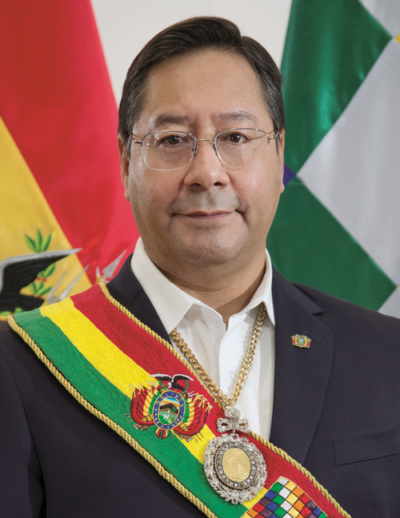 Luis ArceBolivian politician and president of Bolivia from 2020 to 2025
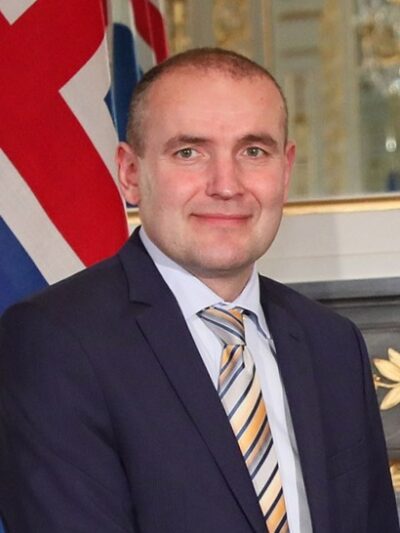 Guðni JóhannessonPresident of Iceland (2016-2024)
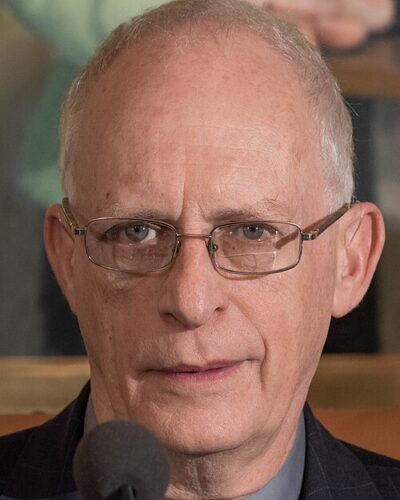 Oliver HartBritish-born American economist
 Luciano FloridiItalian philosopher
 Yakubu GowonNigerian politician and Military general
 James A. Robinson (1985–1986)British political scientist and economist (born 1960)
 Adi ShamirIsraeli cryptographer (born 1952)
 Andrea LeadsomBritish politician (born 1963)
 Paul W. S. AndersonBritish film director, screenwriter and producer
 Mark FisherBritish cultural theorist (1968-2017)
 David DavisBritish Conservative Party politician (born 1948)
 Joseph NgutePrime Minister of Cameroon
 Ian Stewartmathematician and author
 Stephen MerchantEnglish actor, director, and writer
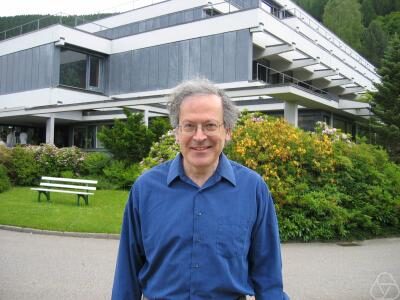 Leslie Valiantcomputer scientist, university teacher (1949-)
Worked here
- Germaine GreerAustralian writer and public intellectual (born 1939)
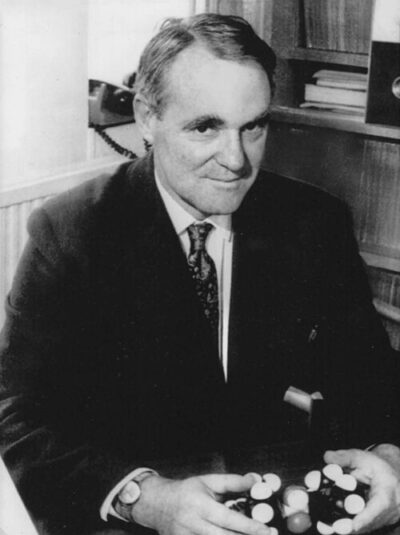 John CornforthAustralian-British chemist
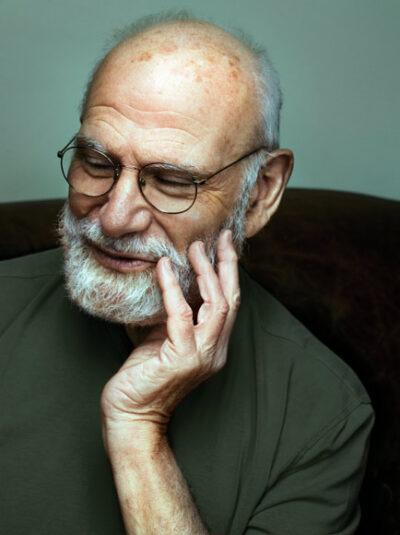 Oliver SacksBritish neurologist and writer (1933–2015)
 China MiévilleEnglish writer, critic, and activist (born 1972)
 E. P. ThompsonBritish historian & peace activist (1924-1993)
 Ken RobinsonUK writer (1950-2020)
- NNick Land (–1997)British philosopher
- Ian Stewartmathematician and author
 Martin Hairer (2002–2017)Austrian-British mathematician working in stochastic analysis
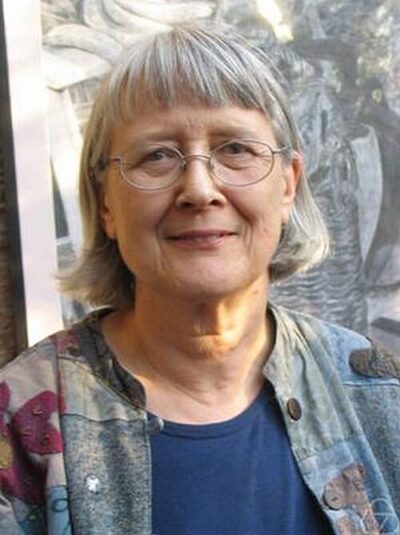 Dusa McDuffEnglish American mathematician
- GGeorge Lusztig (1971–1978)American mathematician and Abdun Nur Professor at the Massachusetts Institute of Technology (MIT)
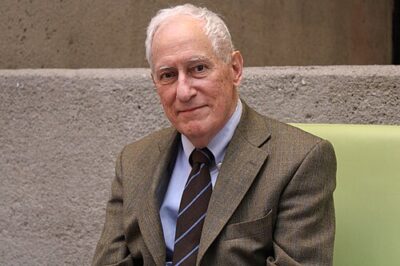 Robert DarntonAmerican historian
