
Vice President of the People's Republic of China
The Vice President of the People's Republic of China is a largely ceremonial office in China. It was created in 1983.
- Office of
- People's Republic of China
- Country
- People's Republic of China
- Created
- 1983
All 6 facts, and where they come from
Facts
6 facts · 0 confirmed by two sources · 0 cited · 6 from one source
Where this comes from
Papalocal keeps its own record. It started from these sources; what each one said is kept here as it was copied, so a change on their side never changes this page by itself. Tap one to read its version.
What Wikidata says · copied November 17, 2026 · revision 2568965894
- Described as
- largely ceremonial office in China
- Other names
- Vice President of China, Chinese Vice President, China's Vice President, PRC Vice President
- What it is
- position
- Created
- 1983
- Ended
- January 17, 1975 · 1 reference
- Country
- People's Republic of China
- Office of
- People's Republic of China
- Official website
- http://english.gov.cn/2013-03/14/content_2353971.htm · 1 reference
- Wikipedias with a page
- 26
Wikidata item Q553169 (wikidata.org/wiki/Q553169), public domain (CC0). Copied 2026-11-17.
What Wikipedia says · copied November 17, 2026 · revision 1375650092
The vice president of the People's Republic of China is the deputy to the president of the People's Republic of China, the state representative of China. Similar to the Chinese president, the vice president is a ceremonial office and has no real power in China's political system. The premier is the second-highest ranking official in China.
The office originated in the Republican era when Li Yuanhong became the provisional vice president of China after the founding of the Republic following the 1911 Revolution. It was abolished in 1917, but restored in 1947, with the adoption of the Constitution of the Republic of China. The ROC post has continued to exist in Taiwan following the government's retreat to the island. The vice presidency in the People's Republic of China was first established with the adoption of the Constitution in 1954 by the National People's Congress (NPC), with the official English-language translation of "state vice chairman". The post of vice chairman was abolished under the Constitution of 1975 together with the chairman, then reinstated in the Constitution of 1982. Since 1982, the title's official English-language translation has been "vice president", although the Chinese title remains unchanged. The new constitution stipulated that the vice president could not serve more than two consecutive terms; the term limits were removed in 2018.
Under the current constitution, the vice president is elected by the National People's Congress, the country's supreme organ of state power, and serves at its pleasure. According to the constitution, the principal duty of the vice president is assisting the president in their duties. The vice president may exercise part of the functions and powers of the president on the president's behalf when so entrusted by the president. The vice president assumes the presidency in case the office becomes vacant until a new president is elected by the NPC. The importance of the vice presidency has varied with the officeholders; some vice presidents have been members of the Chinese Communist Party (CCP)'s Politburo or Politburo Standing Committee. The vice president has also generally assumed a more major role in China's foreign relations, and has usually served as a member of CCP's Central Foreign Affairs Commission and Central Leading Group on Hong Kong and Macau Affairs. The incumbent vice president of China is Han Zheng, who took office in 10 March 2023.
From the Wikipedia article “Vice President of China” (en.wikipedia.org/wiki/Vice_President_of_China), by its contributors, under CC BY-SA 4.0 (creativecommons.org/licenses/by-sa/4.0/). Copied 2026-11-17; not changed.
Confirmed Two sources agree. Cited One source, and it names where it got it. One source One source, without a reference of its own. Sources disagree The sources disagree. We show the best-supported value and keep theirs below.
People connected 10
Held this office
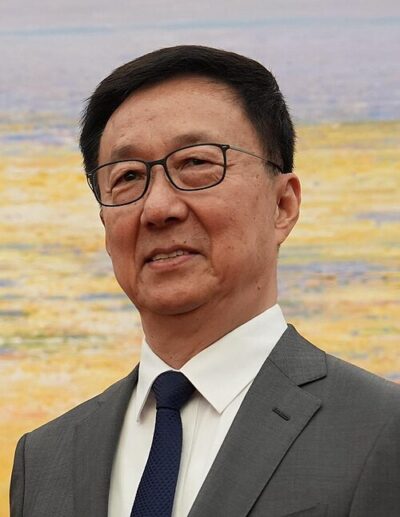 Han Zheng (2023–)Vice President of the People's Republic of China
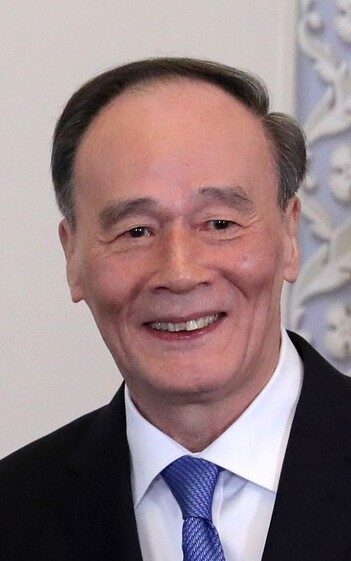 Wang Qishan (2018–2023)10th Vice President of the People's Republic of China from 2018 to 2023
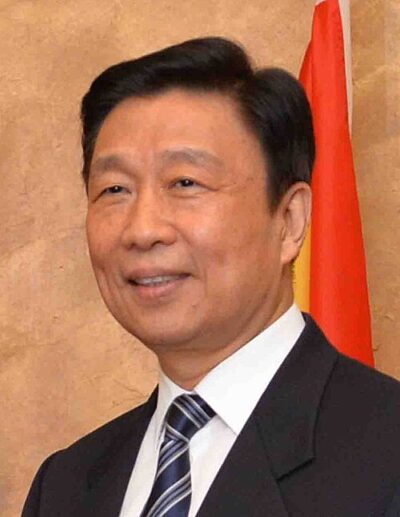 Li Yuanchao (2013–2018)Chinese politician
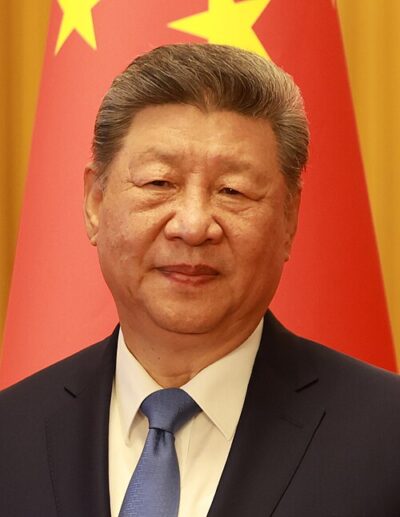 Xi Jinping (2008–2013)General Secretary of the Chinese Communist Party since 2012 (born 1953)
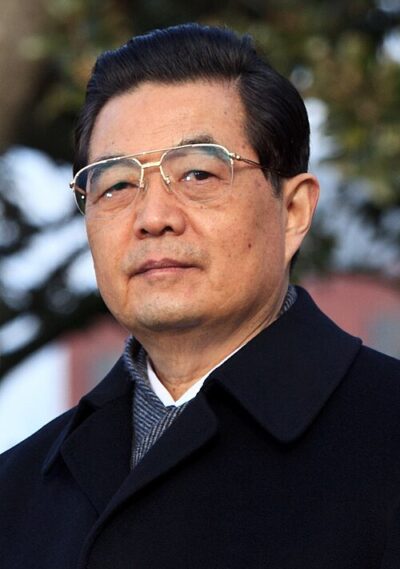 Hu Jintao (1998–2003)former General Secretary of the Chinese Communist Party
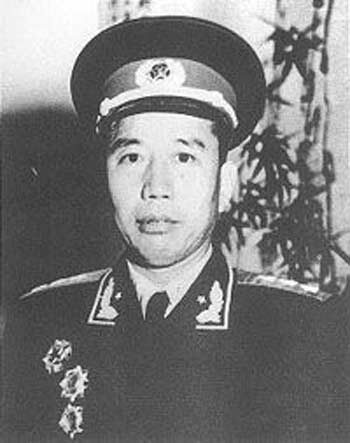 Wang Zhen (1988–1993)Chinese military officer and politician (1908-1993)
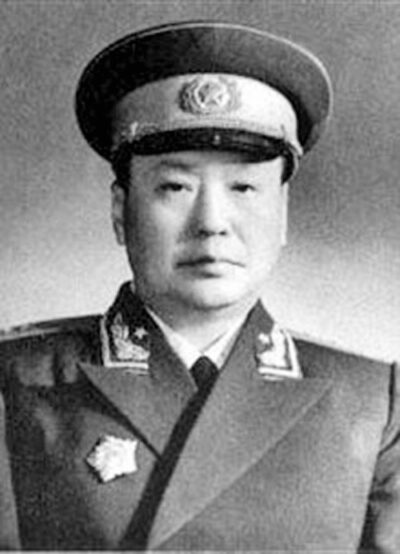 Ulanhu (1983–1988)former Vice President Of People Republic Of China (1906-1988)
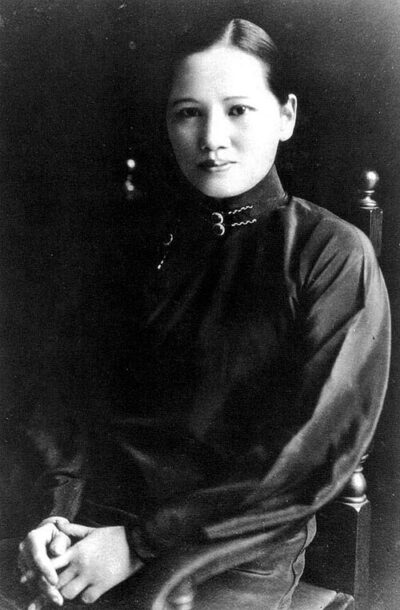 Soong Ching-ling (1959–1975)former Vice President of the People's Republic of China and third wife of Sun Yat-sen (1893–1981)
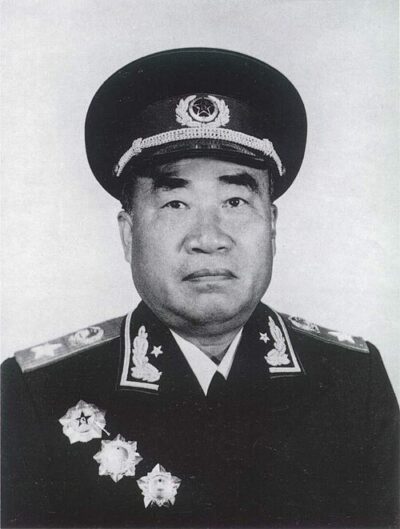 Zhu De (1954–1959)Marshal of the People's Republic of China (1886-1976)
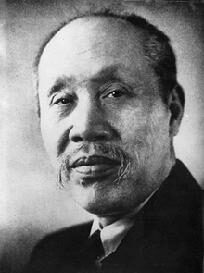 Dong Biwuformer acting President of the People's Republic of China (1886–1975)
