
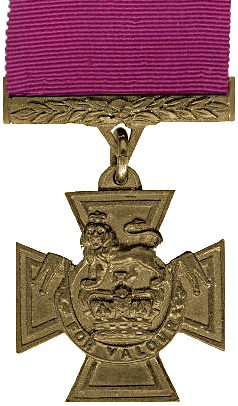
Victoria Cross
Victoria Cross is the highest military decoration awarded by the UK and the Commonwealth. It was created in 1856. It is given by the Monarch of the United Kingdom.
- Given by
- Monarch of the United Kingdom
- Country
- United Kingdom
- Created
- January 29, 1856
All 7 facts, and where they come from
Facts
7 facts · 0 confirmed by two sources · 0 cited · 7 from one source
Where this comes from
Papalocal keeps its own record. It started from these sources; what each one said is kept here as it was copied, so a change on their side never changes this page by itself. Tap one to read its version.
What Wikidata says · copied November 17, 2026 · revision 2464109528
- Described as
- highest military decoration awarded by the UK and the Commonwealth
- Other names
- VC
- What it is
- military decoration; courage award; cross
- Created
- January 29, 1856
- Founded by
- Victoria
- Country
- United Kingdom
- Given by
- Monarch of the United Kingdom
- Wikipedias with a page
- 47
Wikidata item Q219578 (wikidata.org/wiki/Q219578), public domain (CC0). Copied 2026-11-17.
What Wikipedia says · copied November 17, 2026 · revision 1386197031
The Victoria Cross (VC) is the highest and most prestigious decoration of the British decorations system. It is awarded for valour "in the presence of the enemy" to members of the British Armed Forces and may be awarded posthumously. It was previously awarded to service personnel in the broader British Empire (later Commonwealth of Nations), but most successor independent nations have since established their own honours systems and no longer recommend British honours. It may be awarded to a person of any military rank in any service and to civilians under military command. No civilian has received the award since James Adams in 1879. Since the first awards were presented by Queen Victoria in 1857, two thirds of all awards have been personally presented by the British monarch. The investitures are usually held at Buckingham Palace.
The VC was introduced on 29 January 1856 by Queen Victoria to honour acts of valour during the Crimean War. Since then, the medal has been awarded 1,358 times to 1,355 individual recipients. Only 15 medals, of which 11 to members of the British Army and 4 to members of the Australian Army, have been awarded since the Second World War. The traditional explanation of the source of the metal from which the medals are struck is that it derives from a Russian cannon captured at the siege of Sevastopol. However, research has indicated another origin for the material. The historian John Glanfield has established that the metal for most of the medals made since December 1914 came from two Chinese cannon and that there is no evidence of Russian origin.
The VC is highly prized and has been valued at over £400,000 at auctions. A number of public and private collections are devoted to the Victoria Cross. The private collection of Lord Ashcroft, which has been amassed since 1986, contains over one-tenth of all Victoria Crosses awarded.
Beginning with Canada on its centenary of confederation in 1967, followed in 1975 by Australia and New Zealand, these countries developed their own national honours systems, separate from and independent of the British or Imperial honours system. As each country's system evolved, operational gallantry awards were developed with the premier award of each system, with the Victoria Cross for Australia, the Canadian Victoria Cross and the Victoria Cross for New Zealand being created and named in honour of the Victoria Cross. They are unique awards of each honours system recommended, assessed, gazetted and presented by each country.
From the Wikipedia article “Victoria Cross” (en.wikipedia.org/wiki/Victoria_Cross), by its contributors, under CC BY-SA 4.0 (creativecommons.org/licenses/by-sa/4.0/). Copied 2026-11-17; not changed.
Confirmed Two sources agree. Cited One source, and it names where it got it. One source One source, without a reference of its own. Sources disagree The sources disagree. We show the best-supported value and keep theirs below.
Picture: Turner_VC_f&b.JPG: The original uploader was Rcdarchive at English Wikipedia. derivative work: EyeSerene (talk), via Wikimedia Commons · Public domain
People connected 6
Won it
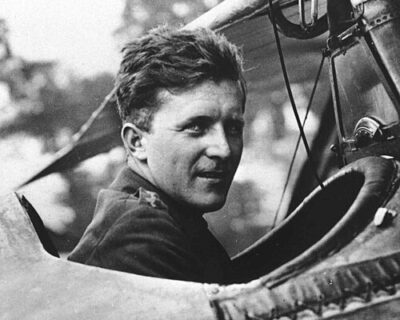 Billy Bishop (1917)Canadian aviator and author (1894–1956)
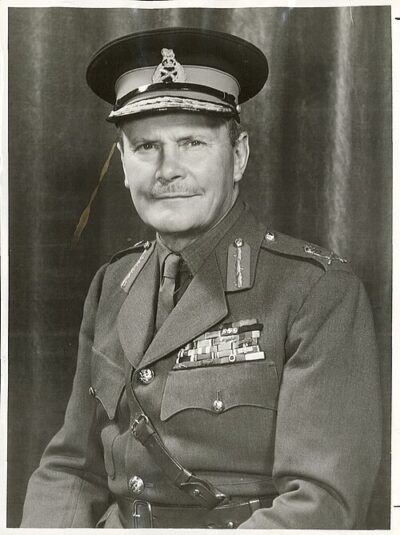 Bernard Freyberg, 1st Baron Freyberg (1916)military leader, viceroy, Victoria Cross (1889-1963)
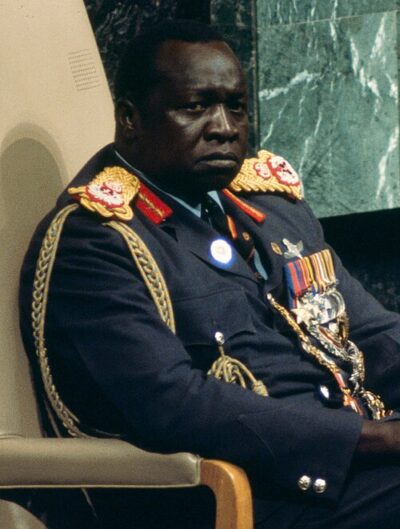 Idi AminPresident of Uganda (1971-1979)
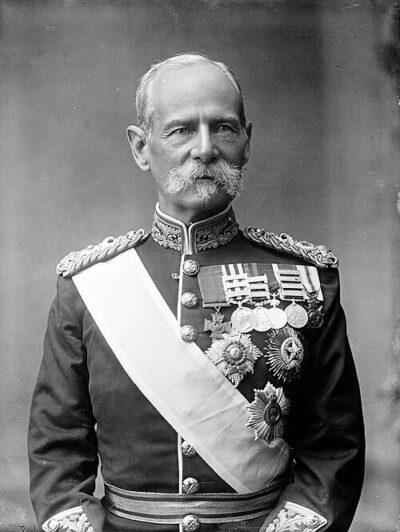 Frederick Roberts, 1st Earl RobertsBritish general (1832–1914)
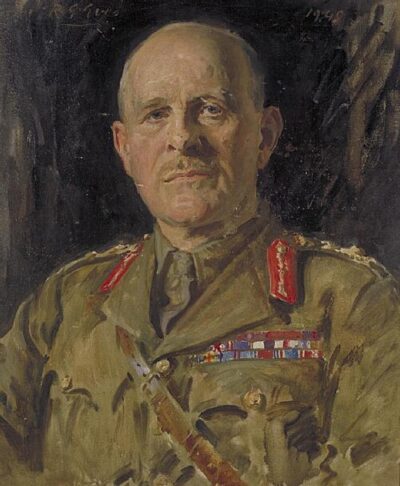 John Vereker, 6th Viscount GortArmy officer (1886-1946)
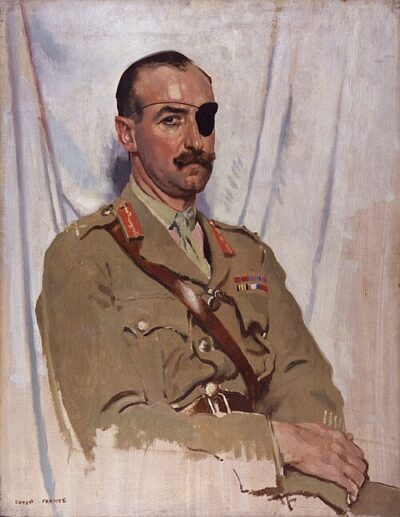 Adrian Carton de Wiartrecipient of the Victoria Cross (1880–1963)
