
Workers’ Party of Korea
Workers’ Party of Korea is a sole ruling party of North Korea. It was founded in 1949 by Kim Il-sung. Its headquarters are in Kim Il-sung Square. It stands for Kimilsungism–Kimjongilism, Juche and Songun.
- Country
- North Korea
- Founded
- June 30, 1949
- Ideology
- Kimilsungism–Kimjongilism
- Chair
- Kim Jong-un (2012–)
All 12 facts, and where they come from
Facts
12 facts · 0 confirmed by two sources · 0 cited · 11 from one source · 1 where the sources disagree
What’s different
- Founded: we show June 30, 1949 (Sources disagree). Wikidata also lists August 28, 1946
Where this comes from
Papalocal keeps its own record. It started from these sources; what each one said is kept here as it was copied, so a change on their side never changes this page by itself. Tap one to read its version.
What Wikidata says · copied November 16, 2026 · revision 2560244696
- Described as
- sole ruling party of North Korea
- Other names
- WPK, Korean Workers' Party
- What it is
- political party
- Founded
- June 30, 1949; August 28, 1946
- Founded by
- Kim Il-sung
- Headquarters
- Kim Il-sung Square
- Country
- North Korea
- Chair
- Kim Jong-un (2012–); Kim Il-sung (1949–1994)
- Ideology
- Juche; Songun; Korean ethnic nationalism; Kimilsungism–Kimjongilism
- Official website
- http://www.rodong.rep.kp
- Wikipedias with a page
- 69
Wikidata item Q49623 (wikidata.org/wiki/Q49623), public domain (CC0). Copied 2026-11-16.
What Wikipedia says · copied November 16, 2026 · revision 1381567443
The Workers' Party of Korea (WPK) is the ruling party of North Korea. Founded in 1949 from a merger between the Workers' Party of North Korea and the Workers' Party of South Korea, the WPK is the oldest active party in Korea. It also controls the Korean People's Army, North Korea's armed forces. The WPK is the largest party represented in the Supreme People's Assembly and coexists with two other legal parties, the Chondoist Chongu Party and the Korean Social Democratic Party, that are completely subservient to the WPK and must accept the WPK's "leading role" as a condition of their existence. Kim Jong Un is the current party leader, serving as General Secretary of the WPK.
The North Korean Branch Bureau of the Communist Party of Korea (CPK) was founded in 1945. In 1946, it was transformed into the Communist Party of North Korea (CPNK), becoming independent from the CPK, and merged with the New People's Party of Korea in the same year to eventually form the Workers' Party of North Korea. Meanwhile, the CPK was succeeded by the Workers' Party of South Korea. In 1948, the WPNK founded North Korea. In 1949, WPNK merged with the WPSK to form the Workers' Party of Korea. Kim Il Sung was installed as the leader of the WPK and the leader of North Korea. In 1950, WPK leader Kim Il Sung launched the Korean War, aiming to unite Korea, but was deterred by American intervention. Kim Il Sung attempted to stay neutral during the Sino–Soviet split, while decreasing both Chinese and Soviet influence in the WPK. Kim Il Sung purged rival factions in the WPK following the August faction incident in 1956 and the Kapsan faction incident in 1967, while promoting his own cult of personality.
At the 6th Party Congress in 1980, Kim Il Sung announced Kim Jong Il, his son, as his successor. Kim Il Sung died in 1994, leading Kim Jong Il to succeed him. Under Kim Jong Il, who governed as chairman of the National Defence Commission, communism was steadily removed from party and state documents in favor of Songun, or military-first politics. The military, rather than the working class, was established as the base of political power, and party institutions weakened. Kim Jong Il died in 2011, and was succeeded by his son Kim Jong Un. Under his leadership, there has been a revival of the party institutions, as well as a decrease in the influence of the military. The 4th Party Conference, held in 2012, amended the party rules to state that Kimilsungism–Kimjongilism was "the only guiding idea of the party". In 2021, Kim Jong Un replaced Songun with "people-first politics" as the party's political method and reasserted the party's commitment to communism. In 2023, the WPK abandoned its goals of Korean reunification.Officially, the WPK is a communist party guided by Kimilsungism–Kimjongilism, a synthesis of the ideas of Kim Il Sung and Kim Jong Il. The party is committed to Juche, an ideology attributed to Kim Il Sung which promotes national independence and development through the efforts of the popular masses. Although Juche was originally presented as the Korean interpretation of Marxism–Leninism, the party now presents it as a freestanding philosophy. The WPK recognizes the ruling Kim family as the ultimate source of its political thought. The WPK is organized according to the Monolithic Ideological System, conceived by Kim Yong-ju and Kim Jong Il. The highest body of the WPK is formally the party congress; however, in practice the real power is concentrated in the current supreme leader. After the 4th Congress (1961), party congresses were held irregularly roughly once per decade. After the 6th Congress (1980), no Party Congress was held until the 7th Congress (2016) during Kim Jong Un's tenure. The WPK is banned in South Korea under the National Security Act and is sanctioned by the United Nations, the European Union, Australia, and the United States.
From the Wikipedia article “Workers' Party of Korea” (en.wikipedia.org/wiki/Workers'_Party_of_Korea), by its contributors, under CC BY-SA 4.0 (creativecommons.org/licenses/by-sa/4.0/). Copied 2026-11-16; not changed.
Confirmed Two sources agree. Cited One source, and it names where it got it. One source One source, without a reference of its own. Sources disagree The sources disagree. We show the best-supported value and keep theirs below.
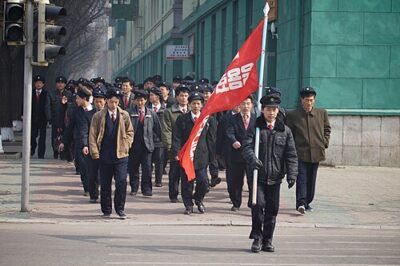
Picture: Joseph Ferris III, via Wikimedia Commons · CC BY 2.0
People connected 27
Party members 27
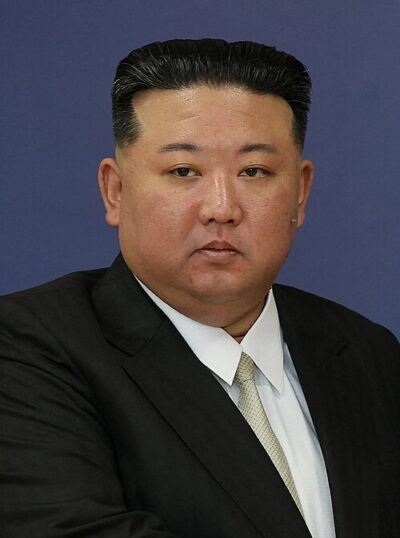 Kim Jong-unSupreme Leader of North Korea since 2011
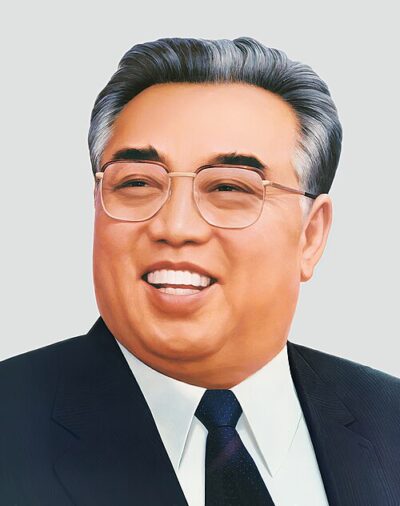 Kim Il-sung (1945–)Supreme Leader of North Korea from 1948 to 1994
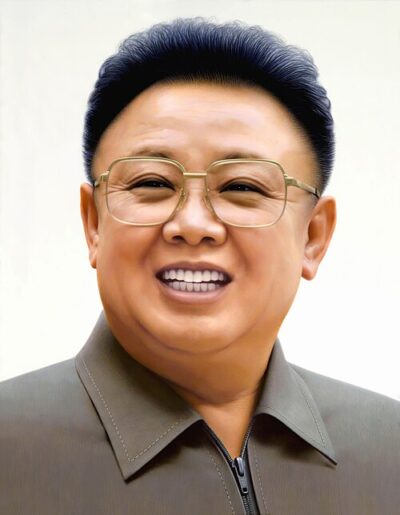 Kim Jong-ilSupreme Leader of North Korea from 1994 to 2011
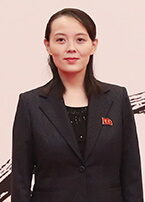 Kim Yo-jongNorth Korean politician and diplomat, sister of Kim Jong Un (born 1987)
- KKim Jong-namOldest son of North Korean leader Kim Jong-il (1971–2017)
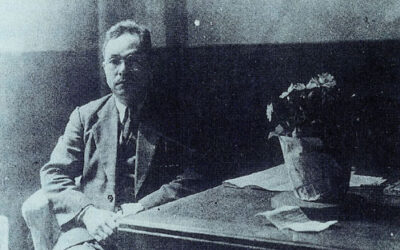 Park Hon-youngNorth Korean politician (1900–1955)
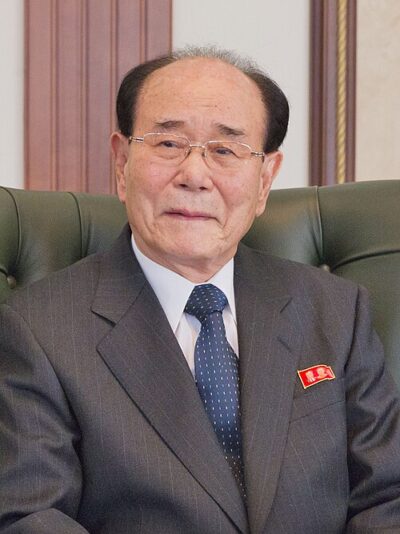 Kim Yong-namNorth Korean politician (1928–2025)
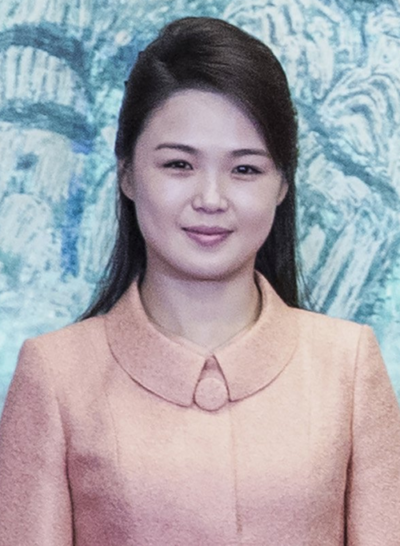 Ri Sol-juFirst Lady of the Democratic People's Republic of Korea
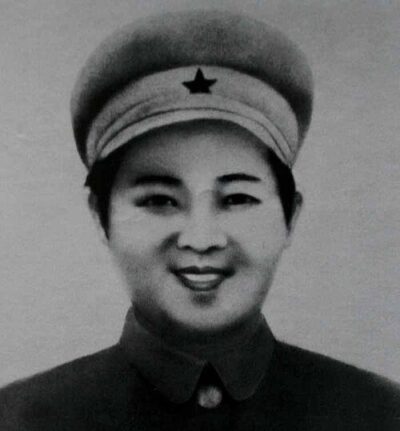 Kim Jong-sukFirst wife of North Korean President Kim Il Sung (1917–1949)
- JJang Sung-taekNorth Korean government official (1946–2013)
- RRi Chun-heeNorth Korean news anchor
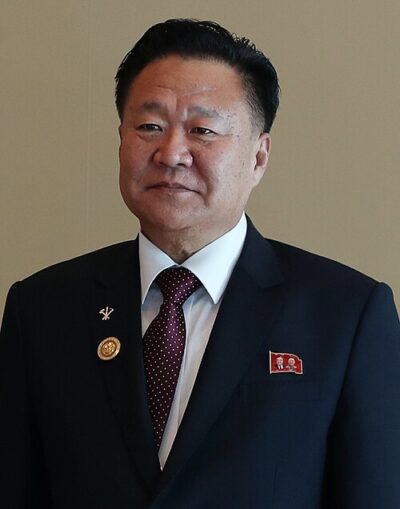 Choe Ryong-haeChairman of the Presidium of the Supreme People's Assembly of North Korea
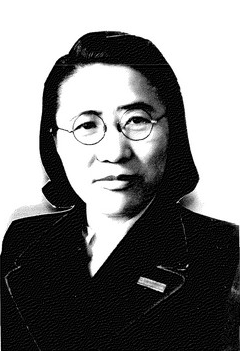 Ho Jong-suk (1945–)independence activist and writer, Journalist, Communism activist, feminist, sex positive activists (1902-1991)
- KKim Yong-ilPremier of North Korea from 2007 to 2010
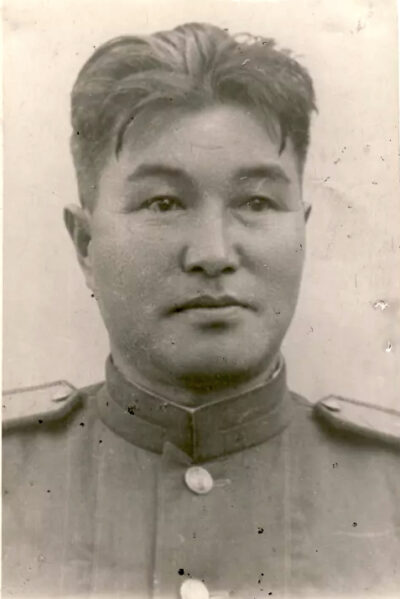 Choe Yong-gon (1955–)North Korean vice-marshal and politician (1900-1976)
- CChoe Yong-rimNorth Korean politician (born 1930)
- KKim Jong-chulNorth Korean politician
- PPak Pong-juPremier of North Korea from 2003 to 2007 and 2013 to 2019
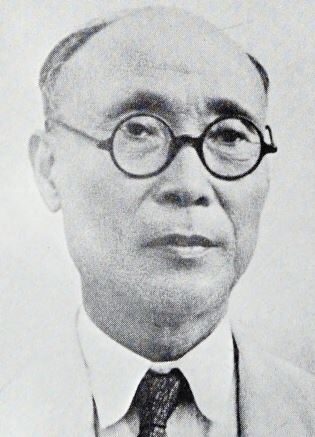 Kim Tu-bong (1946–1958)Korean linguist and politician (1886–1958?)
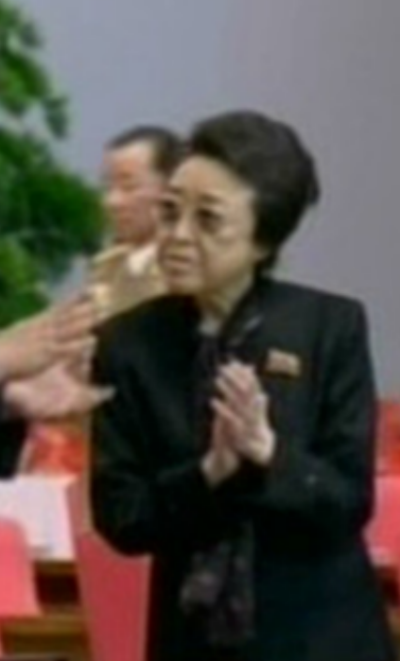 Kim Kyong-huidaughter of founding North Korean leader Kim Il-sung and sister of the late leader Kim Jong-il
 Kim Tok-hunVice President of the State Affairs of North Korea since 2021
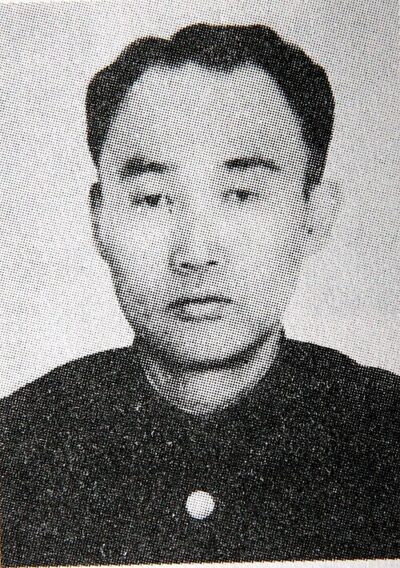 Kim ChaekNorth Korean general and politician (1903-1951)
 Hwang Jang-yopNorth Korean politician and defector (1923-2010)
 Pak Thae-songPremier of North Korea since 2024
and 3 more
