
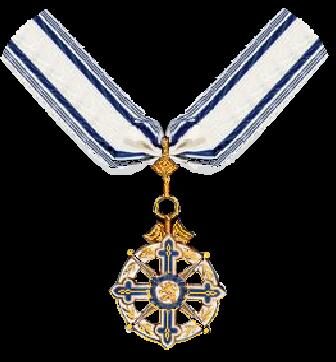
Bavarian Maximilian Order for Science and Art
Bavarian Maximilian Order for Science and Art is a Bavarian civil order. It was created in 1853 by Maximilian II of Bavaria.
- Country
- Germany
- Created
- November 28, 1853
All 8 facts, and where they come from
Facts
8 facts · 0 confirmed by two sources · 0 cited · 8 from one source
Where this comes from
Papalocal keeps its own record. It started from these sources; what each one said is kept here as it was copied, so a change on their side never changes this page by itself. Tap one to read its version.
What Wikidata says · copied November 16, 2026 · revision 2569033240
- Described as
- Bavarian civil order
- What it is
- order; science award; cultural prize
- Created
- November 28, 1853
- Founded by
- Maximilian II of Bavaria · 1 reference
- Country
- Germany; Bavaria · 1 reference
- Official website
- http://www.bayern.de/unser-bayern/orden-und-ehrenzeichen/bayerischer-maximiliansorden-fuer-wissenschaft-und-kunst/ · 1 reference
- Wikipedias with a page
- 18
Wikidata item Q565030 (wikidata.org/wiki/Q565030), public domain (CC0). Copied 2026-11-16.
What Wikipedia says · copied November 16, 2026 · revision 1381877534
The Bavarian Maximilian Order for Science and Art (German: Bayerischer Maximiliansorden für Wissenschaft und Kunst) was first established on 28 November 1853 by King Maximilian II of Bavaria. It is awarded to acknowledge and reward excellent and outstanding achievements in the field of science and art. From 1933 onwards (with the beginning of the Nazi regime) the order was no longer awarded, until 1980 when it was reinstated by the then Minister-President of the Free State of Bavaria Franz Josef Strauß. Munich jewellers Hemmerle have been responsible for making the medal since 1905.
From the Wikipedia article “Bavarian Maximilian Order for Science and Art” (en.wikipedia.org/wiki/Bavarian_Maximilian_Order_for_Science_and_Art), by its contributors, under CC BY-SA 4.0 (creativecommons.org/licenses/by-sa/4.0/). Copied 2026-11-16; not changed.
Confirmed Two sources agree. Cited One source, and it names where it got it. One source One source, without a reference of its own. Sources disagree The sources disagree. We show the best-supported value and keep theirs below.
Picture: Robert Prummel at Dutch Wikipedia, via Wikimedia Commons · CC BY-SA 3.0
People connected 231
Won it 231
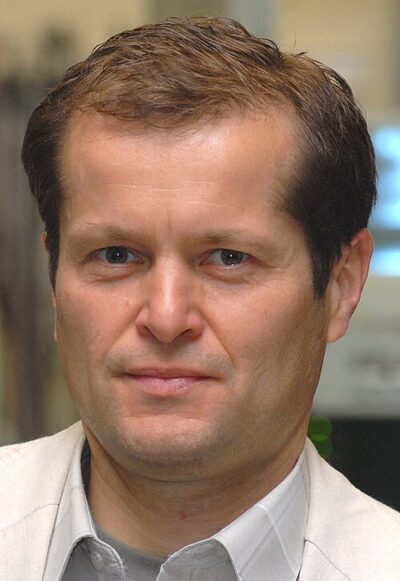 Ferenc Krausz (2024)Austrian-Hungarian laser physicist and university teacher (born 1962)
 Julia Fischer (2021)German classical violinist, pianist
 Doris Dörrie (2021)German film director, writer and film producer (born 1955)
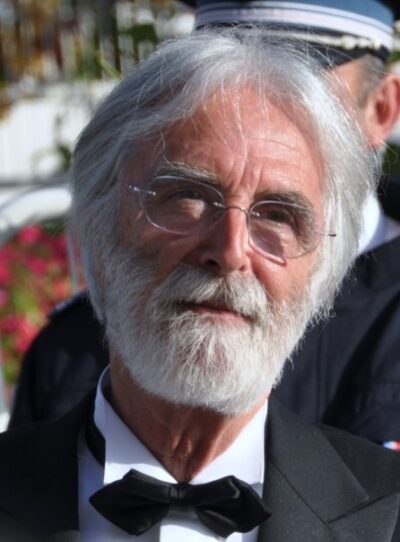 Michael Haneke (2018)Austrian film director and screenwriter (born 1942)
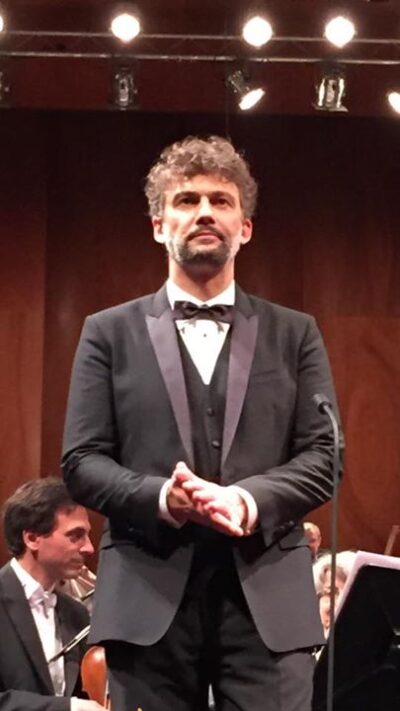 Jonas Kaufmann (2018)German tenor
 Edgar Reitz (2016)German film director and producer
 Brigitte Kronauer (2016)German writer (1940-2019)
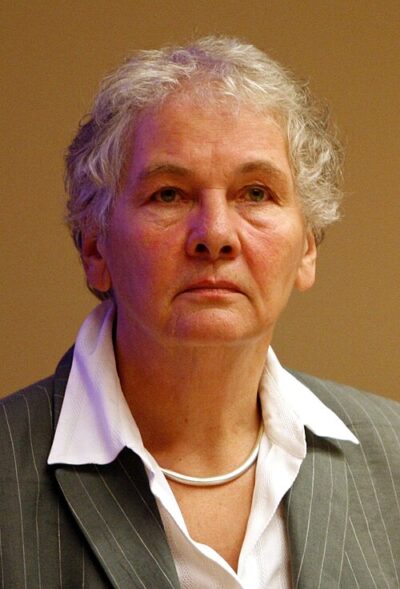 Christiane Nüsslein-Volhard (2014)German biologist (1995 Nobel Prize)
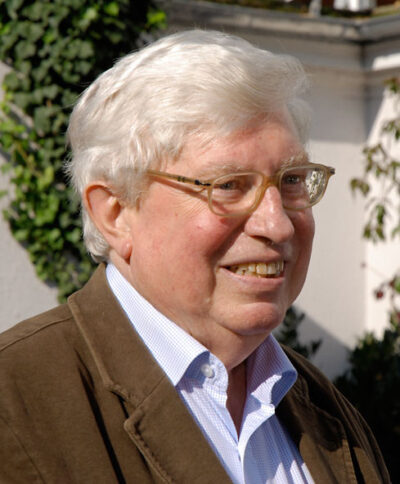 Gerhard Ertl (2014)German physicist
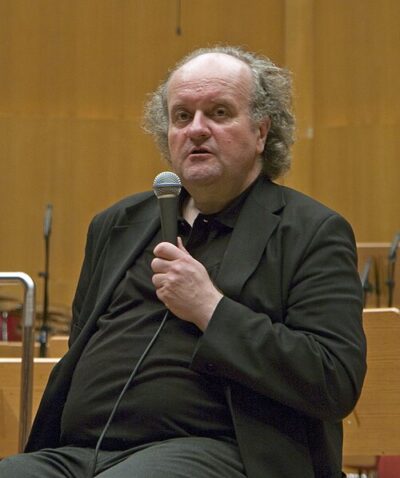 Wolfgang Rihm (2014)German composer and teacher (1952–2024)
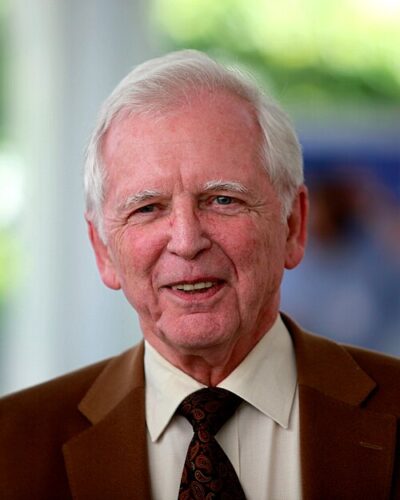 Harald zur Hausen (2010)German virologist and professor emeritus (1936–2023)
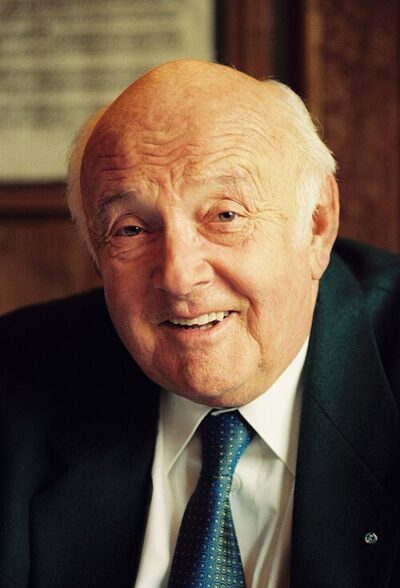 Otfried Preußler (2010)German children's books author (1923–2013)
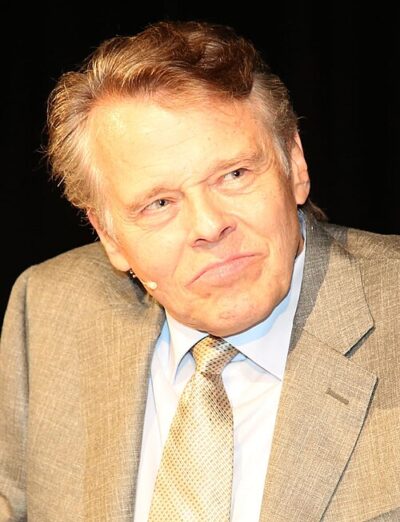 Mariss Jansons (2010)Latvian conductor (1943–2019)
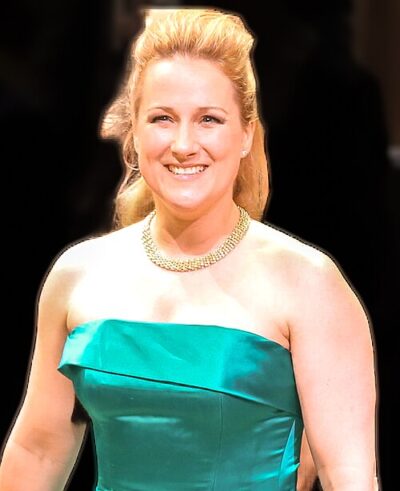 Diana Damrau (2010)German soprano opera singer
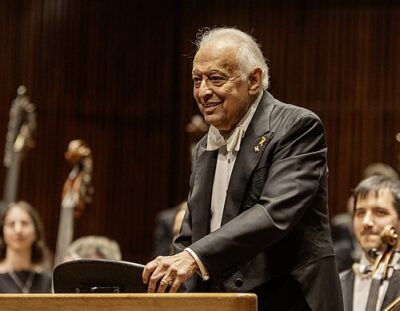 Zubin Mehta (2008)Indian conductor
- KKurt Moll (2006)German opera singer (1938-2017)
 Cornelia Froboess (2005)German actress and schlager singer (born 1943)
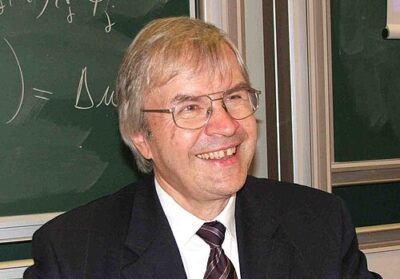 Theodor W. Hänsch (2003)German physicist and nobel laureate (born 1941)
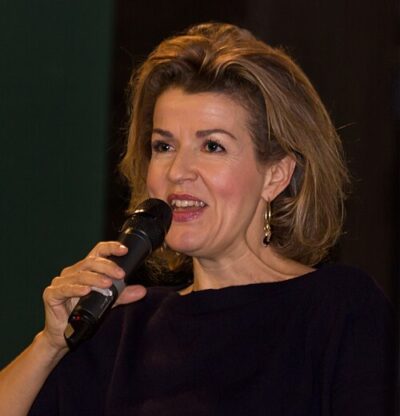 Anne-Sophie Mutter (2001)German violinist
 Reiner Kunze (2001)German poet, writer, translator, and GDR dissident (born 1933)
 Robert Spaemann (2001)German philosopher (1927–2018)
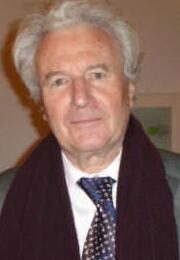 Colin Davis (1999)British conductor (1927–2013)
 Edita Gruberová (1999)(1946–2021) Slovakia-born Austrian opera singer
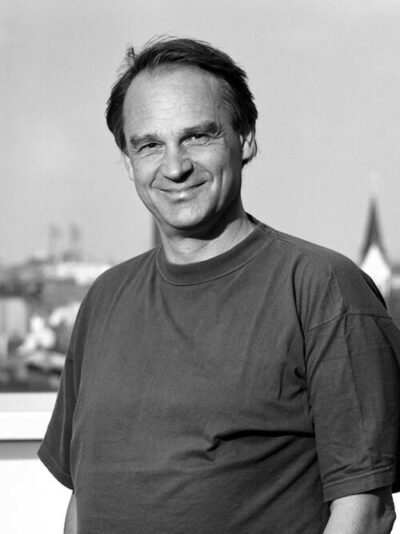 Gerd Binnig (1998)German physicist (born 1947)
and 207 more
