
Breakthrough Prize in Life Sciences
Breakthrough Prize in Life Sciences is an award for recognizing breakthroughs in the life sciences. It was created in 2013.
- Country
- United States
- Created
- 2013
All 4 facts, and where they come from
Facts
4 facts · 0 confirmed by two sources · 0 cited · 4 from one source
Where this comes from
Papalocal keeps its own record. It started from these sources; what each one said is kept here as it was copied, so a change on their side never changes this page by itself. Tap one to read its version.
What Wikidata says · copied November 16, 2026 · revision 2525108074
- Described as
- award for recognizing breakthroughs in the life sciences
- What it is
- science award
- Created
- 2013
- Country
- United States
- Official website
- https://breakthroughprize.org/Prize/2
- Wikipedias with a page
- 18
Wikidata item Q5019489 (wikidata.org/wiki/Q5019489), public domain (CC0). Copied 2026-11-16.
What Wikipedia says · copied November 16, 2026 · revision 1350922959
The Breakthrough Prize in Life Sciences is a scientific award, funded by internet entrepreneurs Mark Zuckerberg and Priscilla Chan of Facebook; Sergey Brin of Google; entrepreneur and venture capitalist Yuri Milner; and Anne Wojcicki, one of the founders of the genetics company 23andMe.
The award of $3 million, the largest award in the sciences, is given to researchers who have made discoveries that extend human life. The Prize is awarded annually, beginning in 2013, with six awards given in each subsequent year. Winners are expected to give public lectures and form the committee to decide future winners. The ceremony takes place in the San Francisco Bay Area, with the symposiums alternating between University of California, Berkeley, University of California, San Francisco, and Stanford University.
From the Wikipedia article “Breakthrough Prize in Life Sciences” (en.wikipedia.org/wiki/Breakthrough_Prize_in_Life_Sciences), by its contributors, under CC BY-SA 4.0 (creativecommons.org/licenses/by-sa/4.0/). Copied 2026-11-16; not changed.
Confirmed Two sources agree. Cited One source, and it names where it got it. One source One source, without a reference of its own. Sources disagree The sources disagree. We show the best-supported value and keep theirs below.
People connected 19
Won it
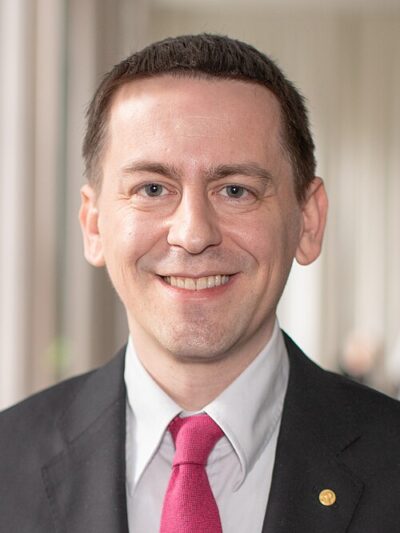 John Michael Jumper (2023)American chemist and AI expert
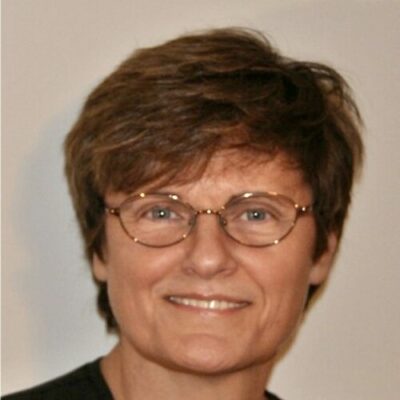 Katalin Karikó (2022)Hungarian biochemist
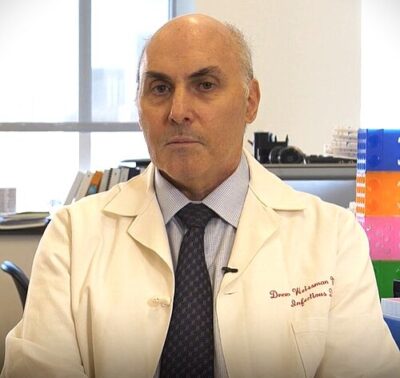 Drew Weissman (2022)American physician-scientist (born 1959)
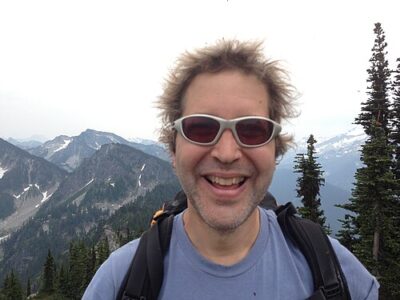 David Baker (2021)American biochemist and computational biologist (born 1962)
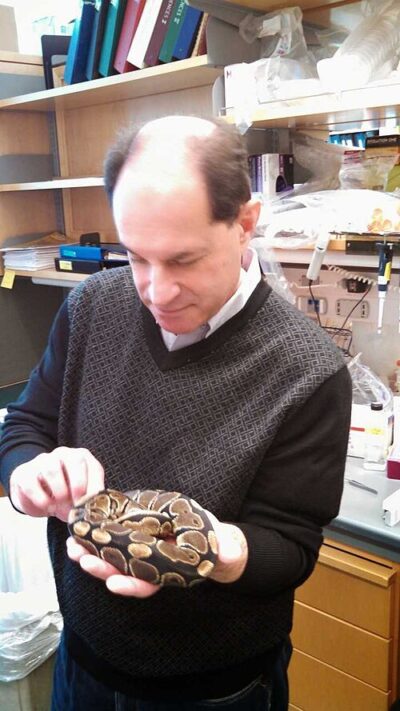 David Julius (2020)American physiologist and Nobel laureate 2021
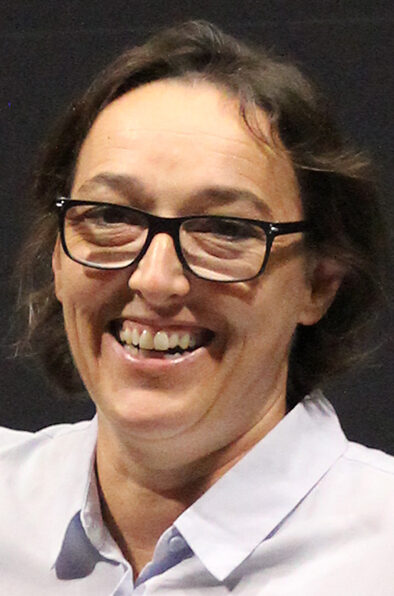 Angelika Amon (2019)Austrian American molecular and cell biologist and academic
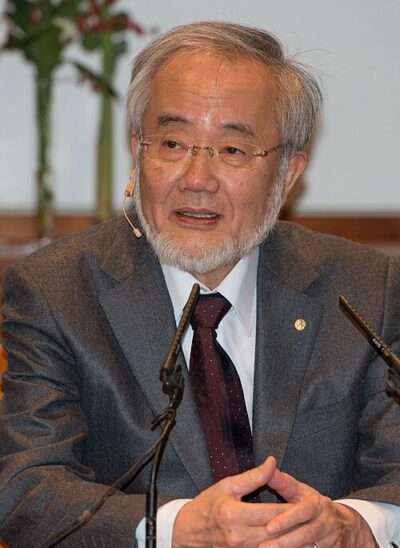 Yoshinori Ohsumi (2017)Japanese molecular biologist (1945 - )
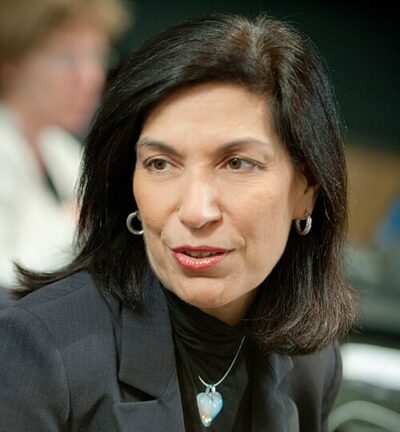 Huda Zoghbi (2017)Lebanese neurogeneticist
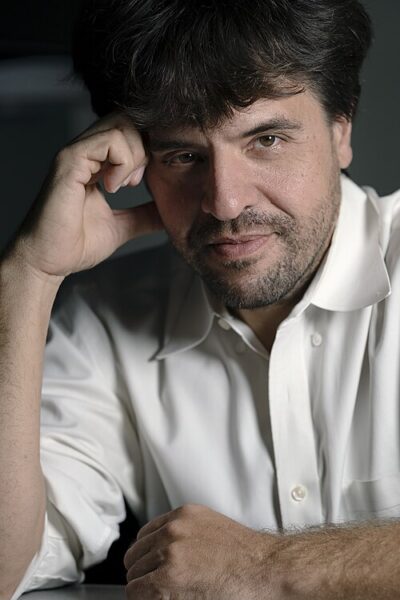 Karl Deisseroth (2016)American optogeneticist
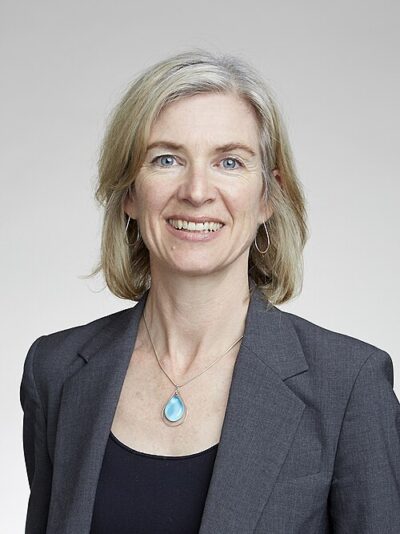 Jennifer Doudna (2015)American biochemist
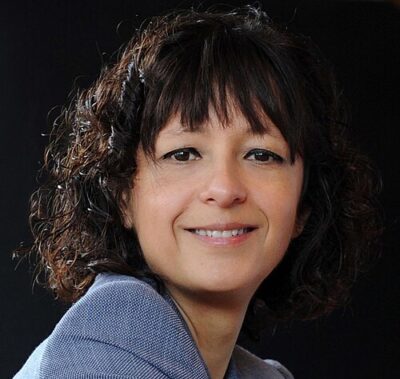 Emmanuelle Charpentier (2015)French microbiologist and biochemist (born 1968)
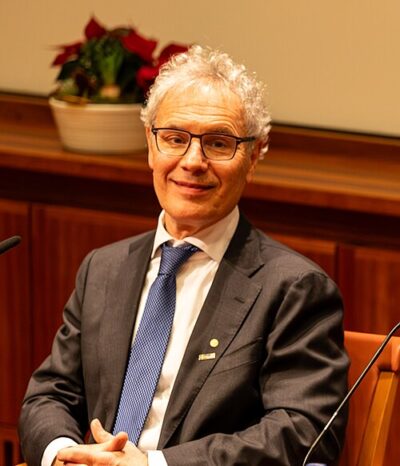 Victor Ambros (2015)American developmental biologist
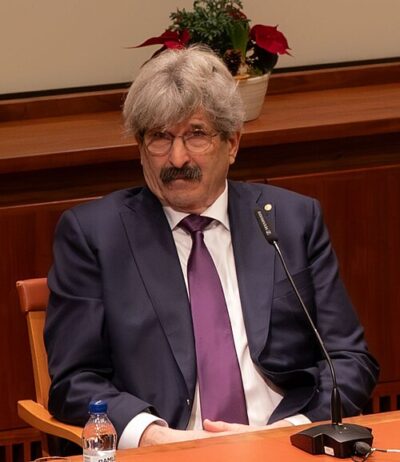 Gary Ruvkun (2015)American geneticist
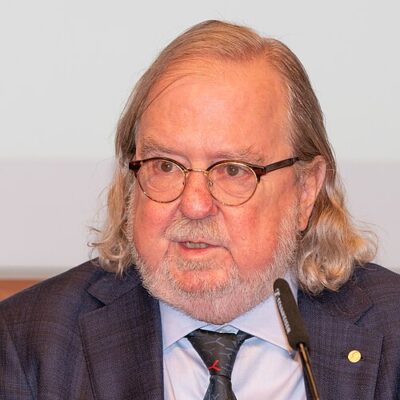 James P. Allison (2014)American immunologist and Nobel laureate (born 1948)
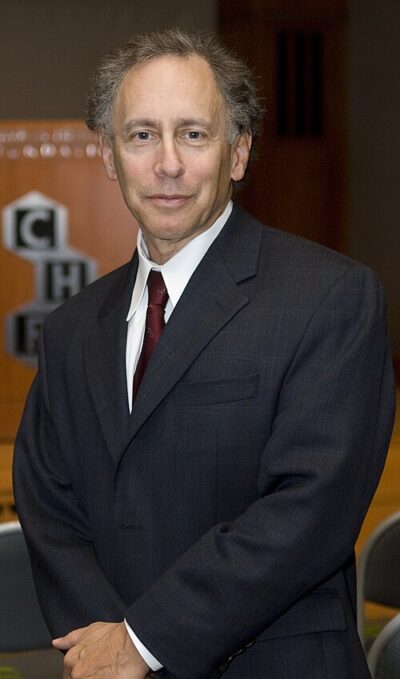 Robert S. Langer, Jr. (2014)American biomedical engineer
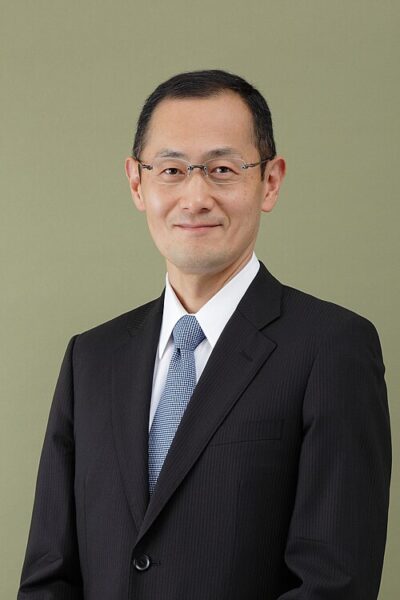 Shinya Yamanaka (2013)Japanese doctor and medical scientist (born 1962)
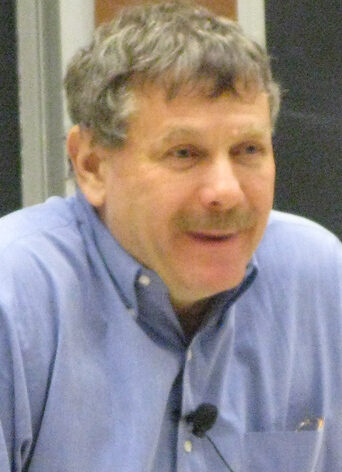 Eric Lander (2013)director of the Office of Science and Technology Policy and Science Advisor to the President
- RRobert Weinberg (2013)American biologist
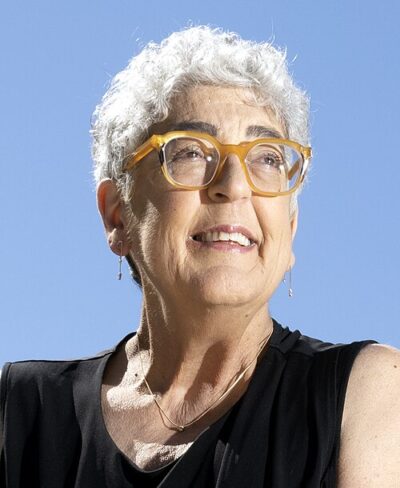 Joanne ChoryAmerican plant biologist and geneticist (1955–2024)
