
Bruno Kreisky Award for Services to Human Rights
Bruno Kreisky Award for Services to Human Rights is a human rights prize. It was created in 1976.
- Country
- Austria
- Created
- 1976
All 6 facts, and where they come from
Facts
6 facts · 0 confirmed by two sources · 0 cited · 6 from one source
Where this comes from
Papalocal keeps its own record. It started from these sources; what each one said is kept here as it was copied, so a change on their side never changes this page by itself. Tap one to read its version.
What Wikidata says · copied November 16, 2026 · revision 2549990702
- Described as
- human rights prize
- Other names
- Bruno Kreisky Foundation for Services to Human Rights, Bruno Kreisky Prize, Kreisky Prize, Kreisky Award
- What it is
- human rights award; peace award
- Created
- 1976
- Country
- Austria
- Named after
- Bruno Kreisky
- Official website
- http://www.kreisky.org/human.rights
- Wikipedias with a page
- 13
Wikidata item Q31696 (wikidata.org/wiki/Q31696), public domain (CC0). Copied 2026-11-16.
What Wikipedia says · copied November 16, 2026 · revision 1263473617
The Bruno Kreisky Prize for Human Rights is a biennial award created in October 1976 on the occasion of the 65th birthday of Bruno Kreisky. The laureates are rewarded for their achievements in the field of human rights. The prize was divided in 1993 into a human rights prize (between 7000 and 30,000 Euros) and a prize in recognition of merit.
The Bruno Kreisky Foundation for Human Rights has awarded in 14 conferments more than 130 individuals, institutions and human rights projects for outstanding services to the development and protection of international human rights and extraordinary achievements in the area of humanitarian aid.
The prize winners are chosen both by the board of trustees of the Bruno Kreisky Foundation and by an international jury.
From the Wikipedia article “Bruno Kreisky Prize for Services to Human Rights” (en.wikipedia.org/wiki/Bruno_Kreisky_Prize_for_Services_to_Human_Rights), by its contributors, under CC BY-SA 4.0 (creativecommons.org/licenses/by-sa/4.0/). Copied 2026-11-16; not changed.
Confirmed Two sources agree. Cited One source, and it names where it got it. One source One source, without a reference of its own. Sources disagree The sources disagree. We show the best-supported value and keep theirs below.
People connected 23
Won it
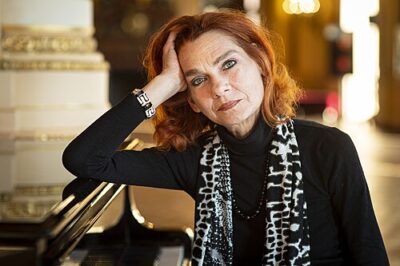 Aslı Erdoğan (2017)Turkish author and human rights activist
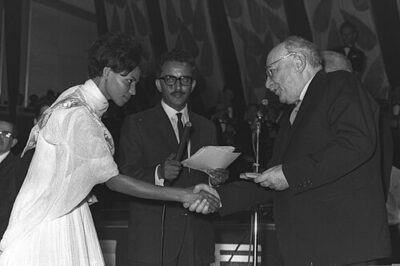 Bogaletch Gebre (2013)Ethiopian scientist and activist
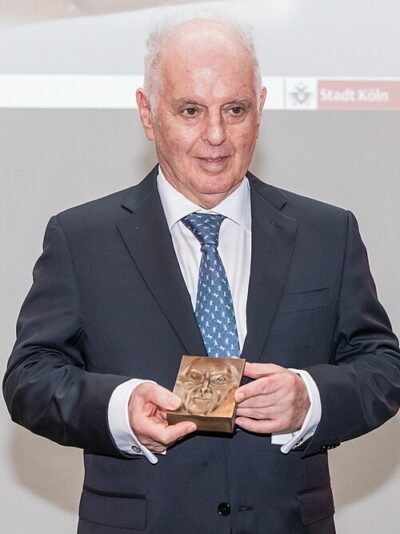 Daniel Barenboim (2011)Israeli Argentine-born pianist and conductor (born 1942)
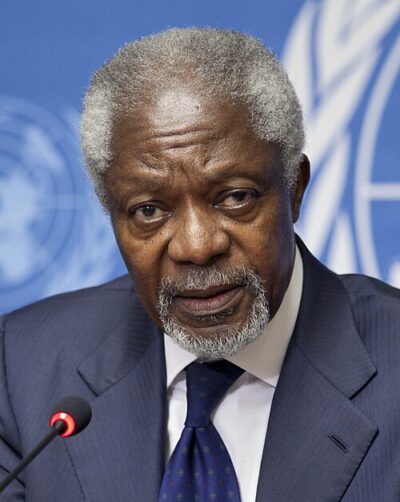 Kofi Annan (2007)7th Secretary-General of the United Nations (1938-2018)
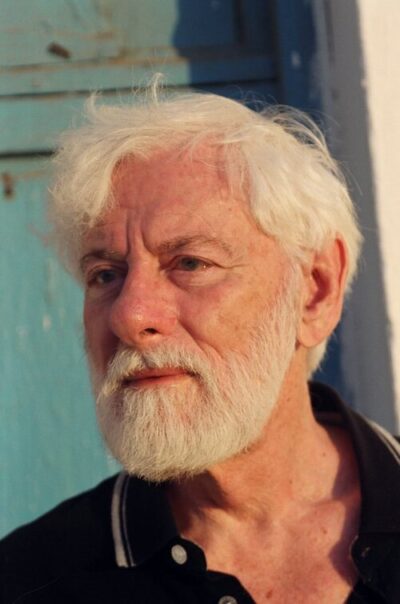 Uri Avnery (1997)Israeli politician, journalist and author (1923-2018)
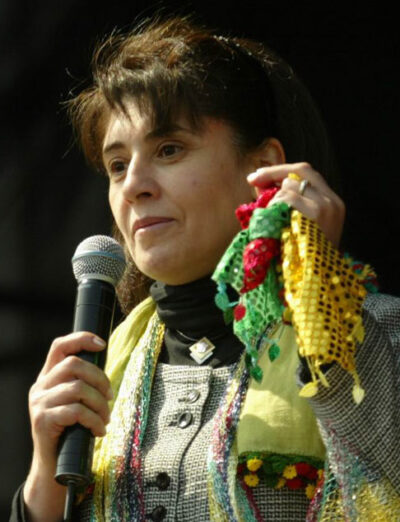 Leyla Zana (1995)Turkish statesperson (born 1961)
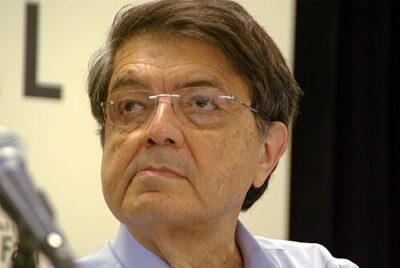 Sergio Ramírez (1988)Nicaraguan novelist and journalist, vice president of Nicaragua from 1985 to 1990 and winner of the 2017 Cervantes Prize
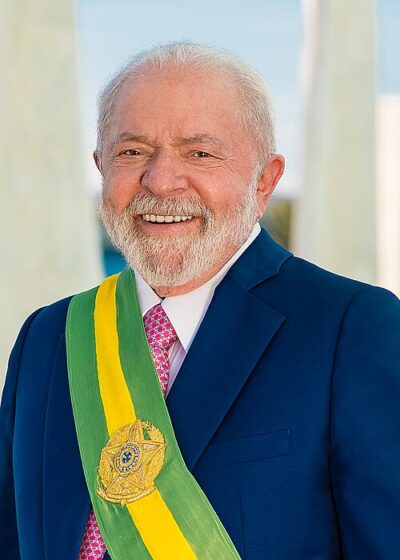 Luiz Inácio Lula da Silvapresident of Brazil from 2003 to 2011 and since 2023
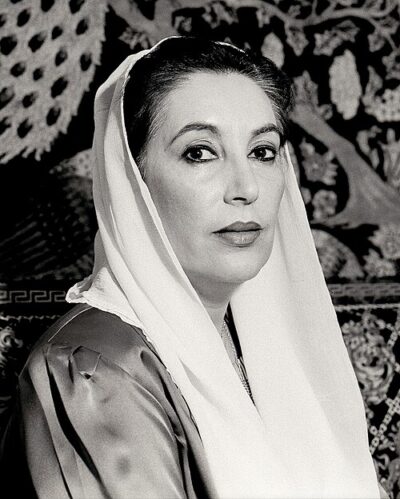 Benazir Bhutto11th and 13th prime minister of Pakistan (1953–2007)
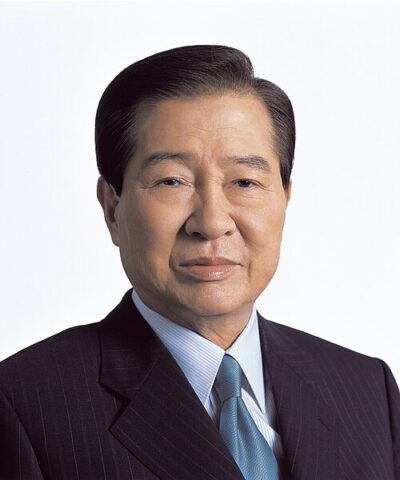 Kim Dae-jung8th President of the Republic of Korea (1924–2009)
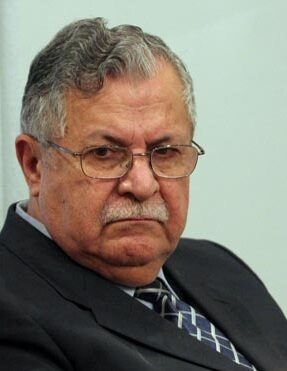 Jalal TalabaniIraqi politician (1933-2017)
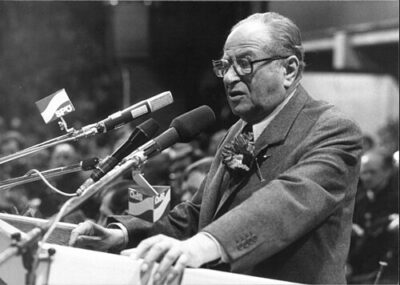 Bruno KreiskyAustrian diplomat and chancellor (1911–1990)
 Ken Saro-WiwaNigerian social rights activist (1941–1995)
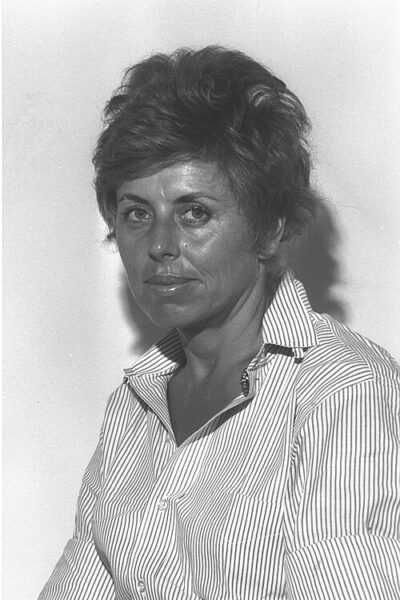 Shulamit AloniIsraeli politician (1928-2014)
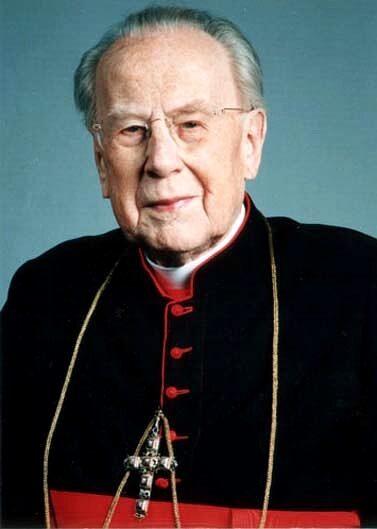 Franz KönigAustrian Catholic cardinal (1905–2004)
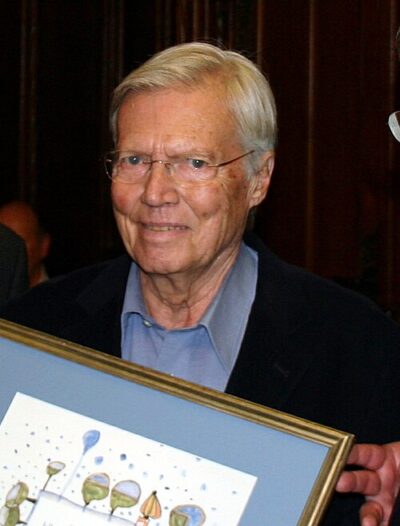 Karlheinz BöhmAustrian actor (1928–2014)
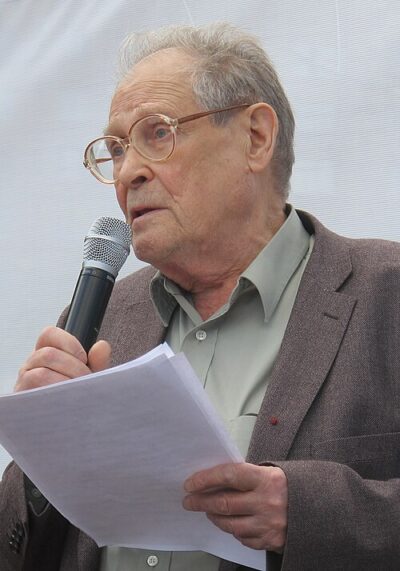 Sergei KovalevRussian politician (1930–2021)
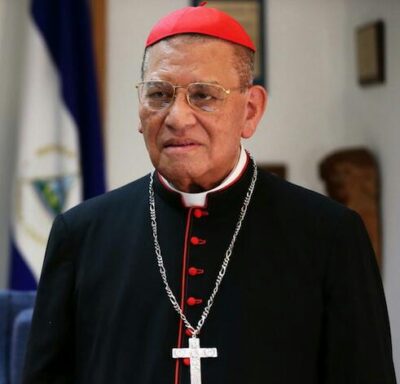 Miguel Obando y BravoCatholic cardinal (1926–2018)
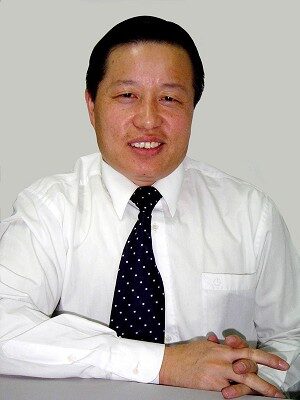 Gao ZhishengChinese human rights lawyer
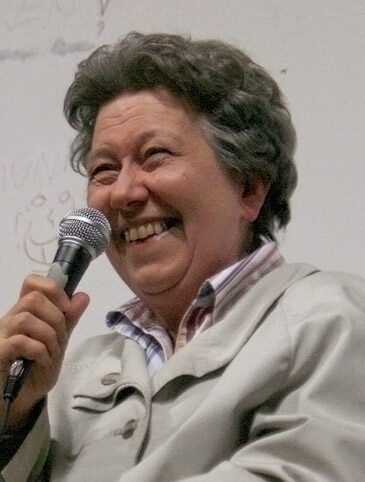 Ute BockAustrian educator and humanitarian (1942–2018)
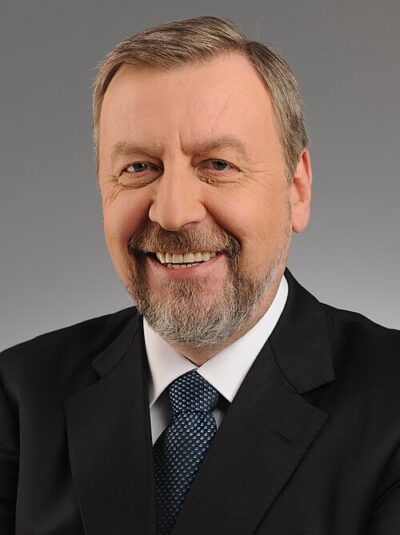 Andrei SannikovBelarusian pro-democracy activist
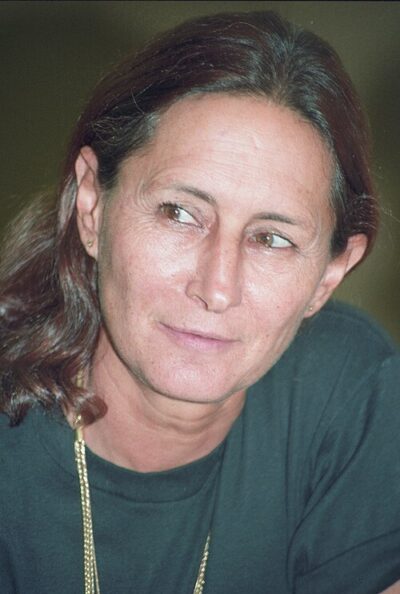 Yael DayanIsraeli politician (1939–2024)
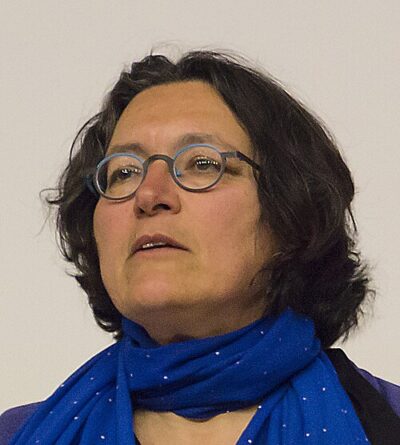 Amira HassIsraeli journalist
