
Centre Party
The Centre Party is a catholic political party in Germany. It was founded in 1870. Its headquarters are in Dormagen. It stands for Christian democracy, social conservatism and political Catholicism.
- Country
- Germany
- Founded
- December 13, 1870
- Ideology
- Christian democracy
- Chair
- Gerhard Woitzik (–2021)
All 10 facts, and where they come from
Facts
10 facts · 0 confirmed by two sources · 0 cited · 9 from one source · 1 where the sources disagree
What’s different
- Founded: we show December 13, 1870 (Sources disagree). Wikidata also lists 1945
Where this comes from
Papalocal keeps its own record. It started from these sources; what each one said is kept here as it was copied, so a change on their side never changes this page by itself. Tap one to read its version.
What Wikidata says · copied November 17, 2026 · revision 2548549533
- Described as
- catholic political party in Germany
- Other names
- Deutsche Zentrumspartei, Zentrum, ZP
- What it is
- political party in Germany; minor party
- Founded
- December 13, 1870; 1945
- Headquarters
- Dormagen
- Country
- Germany
- Chair
- Gerhard Woitzik (–2021) · 1 reference
- Ideology
- Christian democracy; social conservatism; political Catholicism
- Official website
- https://zentrumspartei.de/
- Wikipedias with a page
- 38
Wikidata item Q157537 (wikidata.org/wiki/Q157537), public domain (CC0). Copied 2026-11-17.
What Wikipedia says · copied November 17, 2026 · revision 1384466773
The Centre Party (German: Zentrum, Z), officially the German Centre Party (German: Deutsche Zentrumspartei, DZP) and also known in English as the Catholic Centre Party, is a Christian democratic political party in Germany. It was most influential in the German Empire and Weimar Republic. Formed in 1870, it successfully battled the Kulturkampf waged by Chancellor Otto von Bismarck against the Catholic Church. It soon won a quarter of the seats in the Reichstag, and its middle position on most issues allowed it to play a decisive role in the formation of majorities. The party name Zentrum (Centre) originally came from the fact that Catholic representatives would take up the middle section of seats in parliament between the social democrats and the conservatives.
For most of the Weimar Republic, the Centre Party was the third-largest party in the Reichstag and a bulwark of the Republic, participating in all governments until 1932. Following Adolf Hitler's rise to power in early 1933, the Centre Party was among the parties who voted for the Enabling Act, which granted legislative powers to Hitler's government. Nevertheless, the party was pressured into dissolving itself on 5 July, as the Nazi Party became the only legally permitted party in the country shortly thereafter.
After World War II, the party was reconstituted, but could not rise again to its former importance, as most of its members joined the new interdenominational Christian Democratic Union (CDU) and, in Bavaria, the Christian Social Union (CSU). The Centre Party continued on as a marginal party and concentrated its efforts on regional politics, mainly based in the state of North Rhine-Westphalia. The party was unrepresented on the German federal level from 1957 to 2022, when Federal representative Uwe Witt and European representative Jörg Meuthen defected from the AfD and joined the Centre Party. With the former no longer being a member of the party and the latter no longer holding office, the party is once again unrepresented in federal politics.
From the Wikipedia article “Centre Party (Germany)” (en.wikipedia.org/wiki/Centre_Party_(Germany)), by its contributors, under CC BY-SA 4.0 (creativecommons.org/licenses/by-sa/4.0/). Copied 2026-11-17; not changed.
Confirmed Two sources agree. Cited One source, and it names where it got it. One source One source, without a reference of its own. Sources disagree The sources disagree. We show the best-supported value and keep theirs below.
People connected 11
Party members
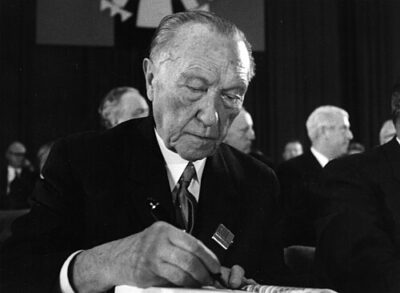 Konrad Adenauer (1906–1933)German politician, Chancellor of West Germany (1949–1963), Zentrum and CDU
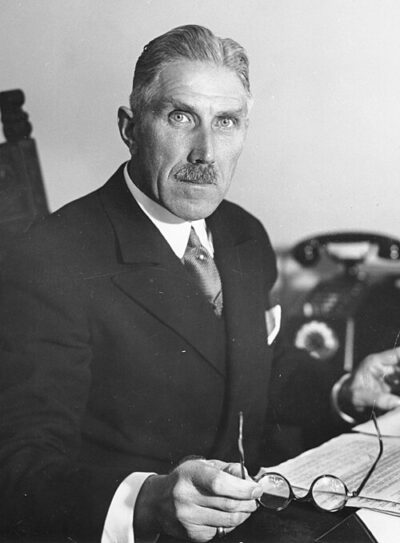 Franz von Papen (1918–1932)German general staff officer, politician, diplomat, nobleman and Chancellor of Germany (1879–1969)
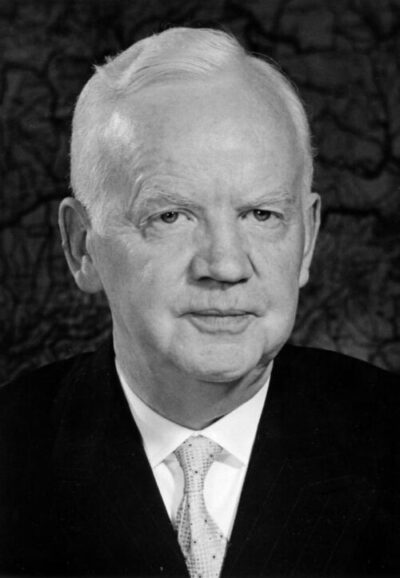 Heinrich Lübke (1930–1933)German politician (1894-1972)
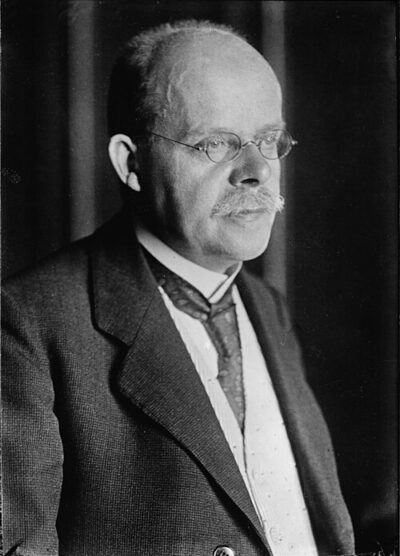 Wilhelm MarxGerman politician (1863–1946)
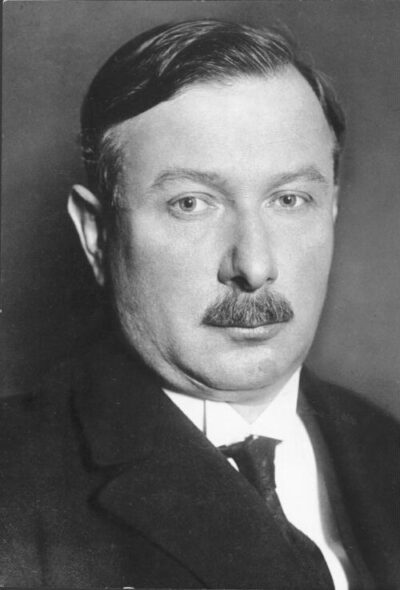 Joseph WirthGerman chancellor (1879-1956)
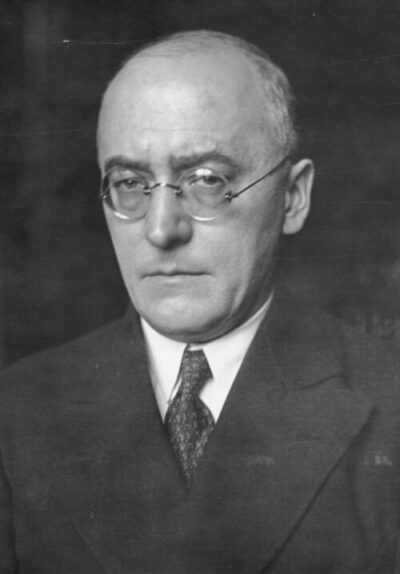 Heinrich BrüningGerman chancellor (1885-1970)
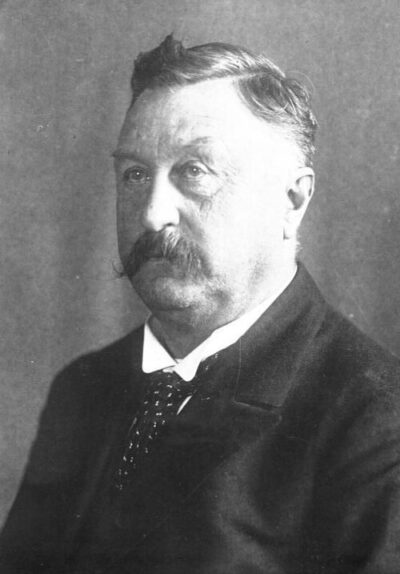 Constantin FehrenbachGerman politician (1852-1926)
 Georg von HertlingGerman chancellor (1843–1919)
 Clemens August von GalenGerman count, Bishop of Münster, and cardinal, important figure in Catholic resistance to Nazism (1878–1946)
 Matthias ErzbergerGerman politician (1875–1921)
 Jörg Meuthen (2022–2023)German economist and politician
