
Chauvenet Prize
Chauvenet Prize is a mathematics award in expository writing. It was created in 1925 by Julian Coolidge. It is given by the Mathematical Association of America.
- Given by
- Mathematical Association of America
- Country
- United States
- Created
- 1925
All 7 facts, and where they come from
Facts
7 facts · 0 confirmed by two sources · 0 cited · 7 from one source
Where this comes from
Papalocal keeps its own record. It started from these sources; what each one said is kept here as it was copied, so a change on their side never changes this page by itself. Tap one to read its version.
What Wikidata says · copied November 16, 2026 · revision 2508219902
- Described as
- mathematics award in expository writing
- Other names
- Chauvenet Prizes
- What it is
- mathematics award
- Created
- 1925
- Founded by
- Julian Coolidge
- Country
- United States
- Given by
- Mathematical Association of America
- Named after
- William Chauvenet
- Official website
- http://www.maa.org/programs/maa-awards/writing-awards/chauvenet-prizes · 1 reference
- Wikipedias with a page
- 12
Wikidata item Q1068479 (wikidata.org/wiki/Q1068479), public domain (CC0). Copied 2026-11-16.
What Wikipedia says · copied November 16, 2026 · revision 1383141542
The Chauvenet Prize is an annual award given by the Mathematical Association of America in recognition of an outstanding expository article on a mathematical topic. It consists of a prize of $1,000 and a certificate.
The Chauvenet Prize was the first award established by the Mathematical Association of America. The prize is named in honor of William Chauvenet and was established through a gift from J. L. Coolidge in 1925. A gift from MAA president Walter B. Ford in 1928 allowed the award to be given every three years instead of the originally planned 5 years.
From the Wikipedia article “Chauvenet Prize” (en.wikipedia.org/wiki/Chauvenet_Prize), by its contributors, under CC BY-SA 4.0 (creativecommons.org/licenses/by-sa/4.0/). Copied 2026-11-16; not changed.
Confirmed Two sources agree. Cited One source, and it names where it got it. One source One source, without a reference of its own. Sources disagree The sources disagree. We show the best-supported value and keep theirs below.
People connected 9
Won it
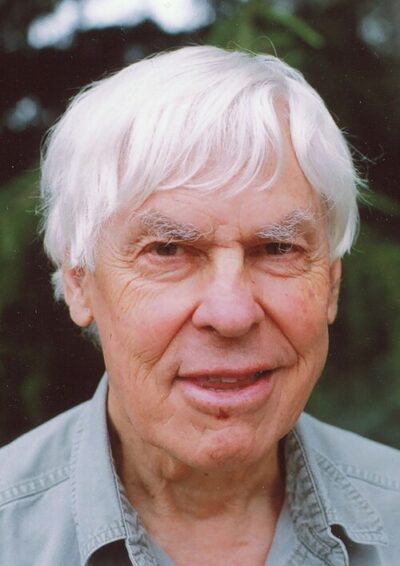 Stephen Smale (1988)American mathematician
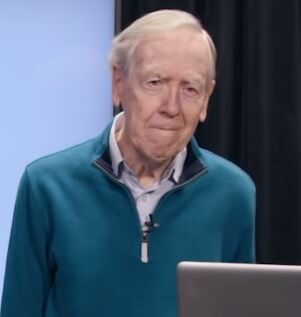 Gilbert Strang (1977)American mathematician
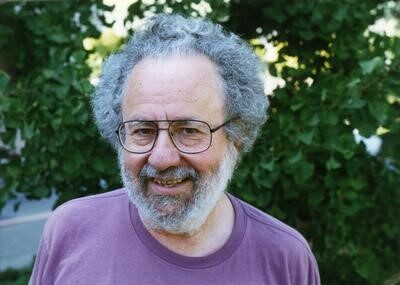 Martin Davis (1975)American mathematician (1928–2023)
 Peter Lax (1974)American mathematician of Hungarian origin (1926–2025)
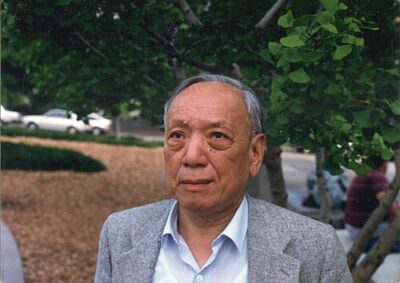 Shiing-Shen Chern (1970)Chinese-American mathematician and poet (1911-2004)
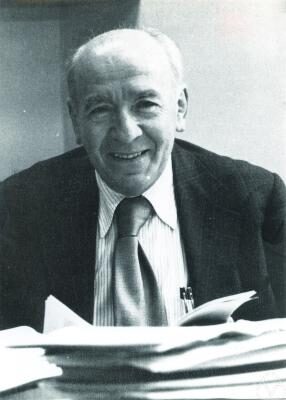 Mark Kac (1968)mathematician (1914–1984)
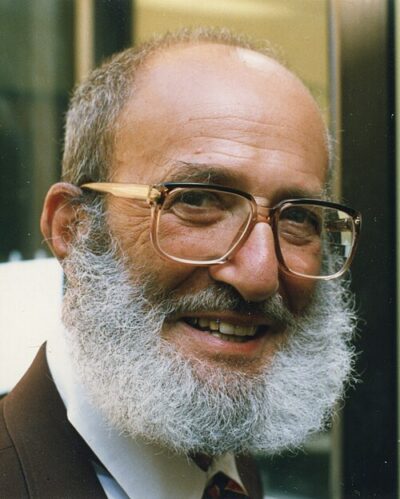 Paul Halmos (1947)American mathematician (1916–2006)
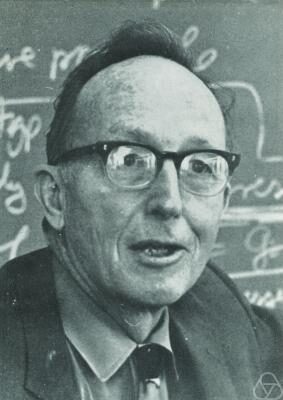 Saunders Mac Lane (1941)American mathematician (1909-2005)
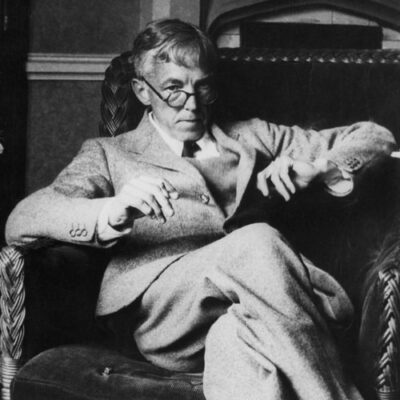 G.H. Hardy (1932)British mathematician (1877–1947)
