
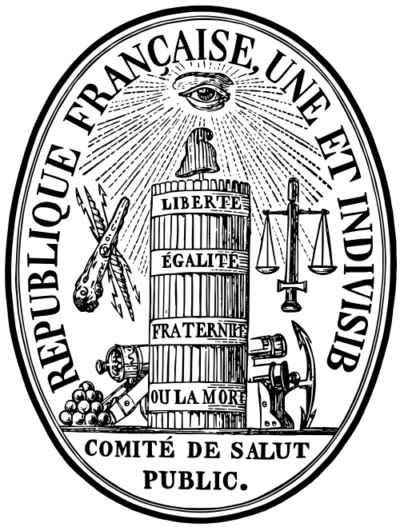
Committee of Public Safety
Committee of Public Safety is a political organization. It was founded in 1793.
- Founded
- April 6, 1793
- Country
- France
All 5 facts, and where they come from
Facts
5 facts · 0 confirmed by two sources · 2 cited · 3 from one source
Where this comes from
Papalocal keeps its own record. It started from these sources; what each one said is kept here as it was copied, so a change on their side never changes this page by itself. Tap one to read its version.
What Wikidata says · copied November 17, 2026 · revision 2552279680
- Described as
- organization
- Other names
- Comité de salut public
- What it is
- political organization
- Founded
- April 6, 1793 · 1 reference
- Ended
- October 26, 1795 · 1 reference
- Country
- France
- Part of
- National Convention
- Wikipedias with a page
- 45
Wikidata item Q724922 (wikidata.org/wiki/Q724922), public domain (CC0). Copied 2026-11-17.
What Wikipedia says · copied November 17, 2026 · revision 1381318699
The Committee of Public Safety (French: Comité de salut public) was a committee of the National Convention which formed the provisional government and war cabinet during the Reign of Terror, a violent phase of the French Revolution. Supplementing the Committee of General Defence, created early January 1793, the Committee of Public Safety was created on 6 April 1793 by the National Convention. It was charged with protecting the new republic against its foreign and domestic enemies, fighting the First Coalition and the Vendée revolt. As a wartime measure, the committee was given broad supervisory and administrative powers over the armed forces, judiciary and legislature, as well as the executive bodies and ministers of the convention.
As the committee, restructured in July, raised the defense (levée en masse) against the monarchist coalition of European nations and counter-revolutionary forces within France, it became more and more powerful. In December 1793, the Convention formally conferred executive power upon the committee. Among the members, the radical Montagnard Jacobin Maximilien Robespierre was one of the most well-known, though he did not have any special powers or privileges. After the arrest and execution of the rival factions of Hébertists and Dantonists, sentiment in the Convention eventually turned against Robespierre, who was executed in July 1794. In the following Thermidorian Reaction, the committee's influence diminished after 15 months and it disappeared on the same day as the National Convention, which was 25 October 1795, but it probably continued until the end of the month.
From the Wikipedia article “Committee of Public Safety” (en.wikipedia.org/wiki/Committee_of_Public_Safety), by its contributors, under CC BY-SA 4.0 (creativecommons.org/licenses/by-sa/4.0/). Copied 2026-11-17; not changed.
Confirmed Two sources agree. Cited One source, and it names where it got it. One source One source, without a reference of its own. Sources disagree The sources disagree. We show the best-supported value and keep theirs below.
Picture: Flopao, via Wikimedia Commons · CC BY-SA 4.0
People connected 7
Members
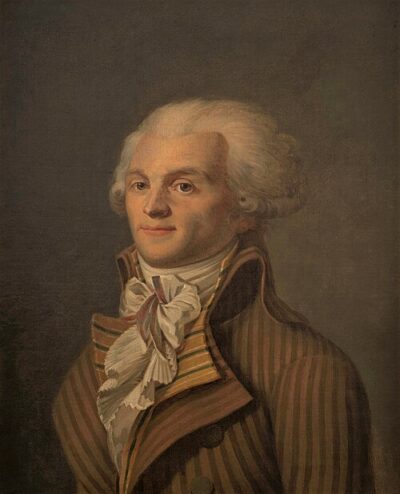 Maximilien Robespierre (1793–1794)French revolutionary lawyer and politician (1758–1794)
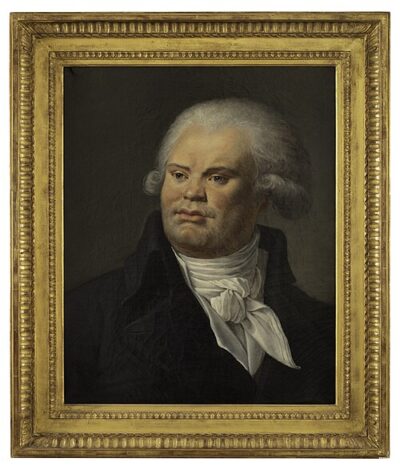 Georges DantonFrench revolutionary (1759–1794)
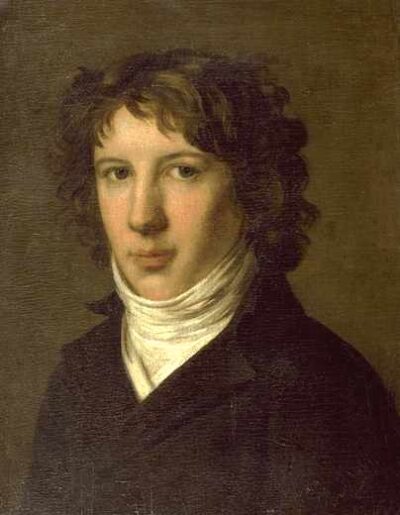 Louis Antoine de Saint-Just (1793–1794)Philosopher, military and political leader (1767-1794)
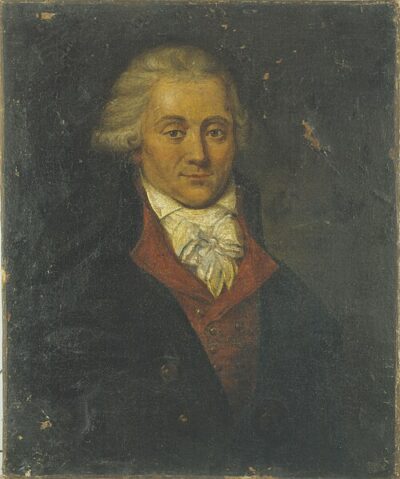 Georges Couthon (1793–1794)French politician and lawyer (1755–1794)
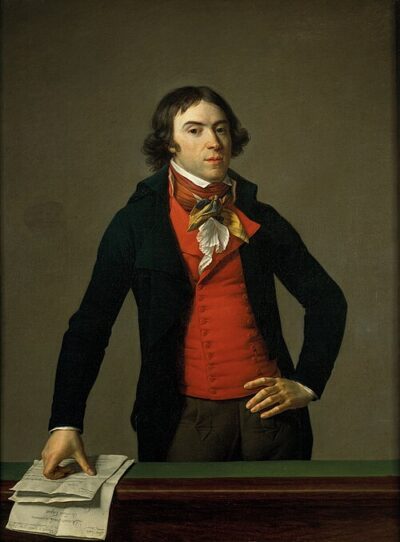 Bertrand Barère (1793–1794)French politician, freemason and journalist
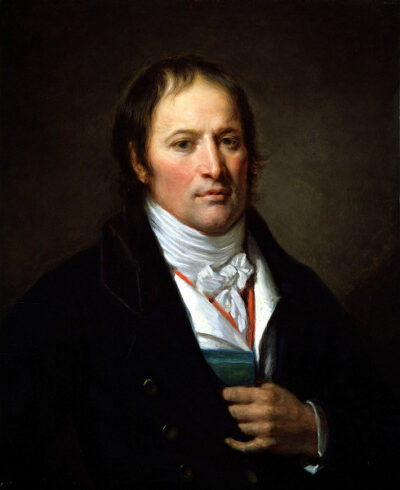 Jacques-Nicolas Billaud-Varenne (1793–1794)French revolutionary leader (1756-1819)
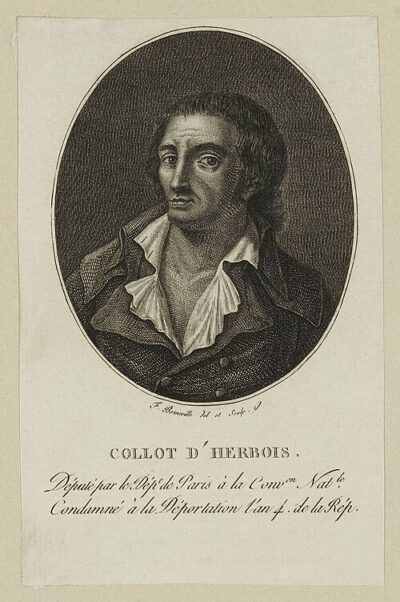 Jean-Marie Collot d'Herbois (1793–1794)French actor and writer (1749-1796)
