
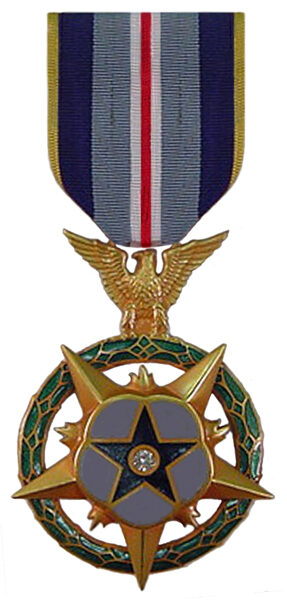
Congressional Space Medal of Honor
Congressional Space Medal of Honor is a medal. It was created in 1969. It is given by the United States Congress.
- Given by
- United States Congress
- Country
- United States
- Created
- September 29, 1969
All 6 facts, and where they come from
Facts
6 facts · 0 confirmed by two sources · 0 cited · 6 from one source
Where this comes from
Papalocal keeps its own record. It started from these sources; what each one said is kept here as it was copied, so a change on their side never changes this page by itself. Tap one to read its version.
What Wikidata says · copied November 16, 2026 · revision 2569553044
- Described as
- order
- What it is
- medal; award; space award
- Created
- September 29, 1969
- Country
- United States
- Given by
- United States Congress
- Wikipedias with a page
- 15
Wikidata item Q1126046 (wikidata.org/wiki/Q1126046), public domain (CC0). Copied 2026-11-16.
What Wikipedia says · copied November 16, 2026 · revision 1381772048
The Congressional Space Medal of Honor was authorized by the United States Congress in 1969 to recognize "any astronaut who in the performance of his or her duties has distinguished himself or herself by exceptionally meritorious efforts and contributions to the welfare of the Nation and mankind". It is awarded by the president of the United States in Congress's name on recommendations from the administrator of the National Aeronautics and Space Administration. The award is a separate decoration from the Medal of Honor, which is a military award for extreme bravery and gallantry in combat. It is also notable that the military Medal of Honor decoration does not formally have "congressional" in its title. Astronauts still on active military duty are eligible for the regular Medal of Honor through their respective service, but to date, no astronaut has received the military version. This is likely because of the higher gallantry and armed conflict requirements that limit the military award to circumstances no astronaut has yet experienced.
While the Congressional Space Medal of Honor is a civilian award of the United States government, it is authorized as a non-military decoration for display on U.S. military uniforms because it is awarded by a federal agency. In such cases, the Congressional Space Medal of Honor is worn as a ribbon "immediately preceding the Prisoner of War Medal". DoD policy specifically prohibits wear of any non-military awards for valor or service, but the Congressional Space Medal of Honor only recognizes meritorious achievement, so it does not fall under this prohibition.
To be awarded the Congressional Space Medal of Honor, an astronaut must perform feats of extraordinary accomplishment while participating in space flight under the authority of NASA. Typically, the Congressional Space Medal of Honor is awarded for scientific discoveries or actions of tremendous benefit to mankind. The decoration may also be awarded for extreme bravery during a space emergency or in preventing a major space disaster, or posthumously to those astronauts who die while performing a U.S. space mission. As of 2022, all 17 astronauts killed on US missions had been awarded the medal.
President George W. Bush awarded the most CSMOH with 16; 14 of them posthumous for crews of the two destroyed space shuttle flights, Challenger and Columbia. President Joe Biden awarded the CSMOH to Crew Dragon Demo-2 members Doug Hurley and Bob Behnken on January 31, 2023. The 16-year hiatus from April 2006 to January 2023 is the longest gap between awards. The four astronauts on the Artemis II lunar flyby were awarded the medal by President Donald Trump on August 28, 2026.
From the Wikipedia article “Congressional Space Medal of Honor” (en.wikipedia.org/wiki/Congressional_Space_Medal_of_Honor), by its contributors, under CC BY-SA 4.0 (creativecommons.org/licenses/by-sa/4.0/). Copied 2026-11-16; not changed.
Confirmed Two sources agree. Cited One source, and it names where it got it. One source One source, without a reference of its own. Sources disagree The sources disagree. We show the best-supported value and keep theirs below.
Picture: Wikimedia Commons · Public domain
People connected 30
Won it 30
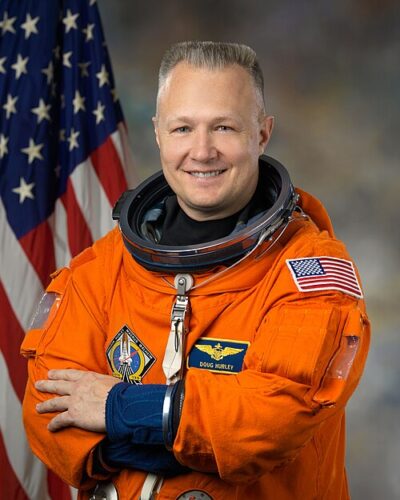 Douglas G. Hurley (2023)American astronaut
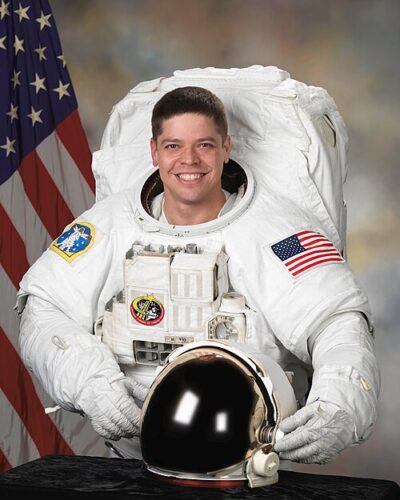 Robert L. Behnken (2023)American astronaut
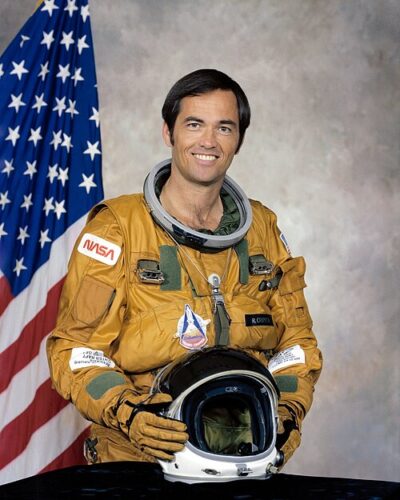 Robert Crippen (2006)American astronaut
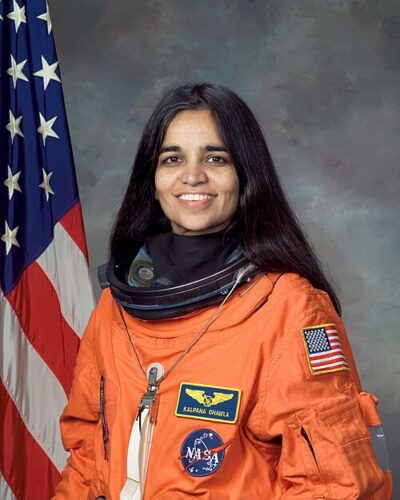 Kalpana Chawla (2004)American astronaut
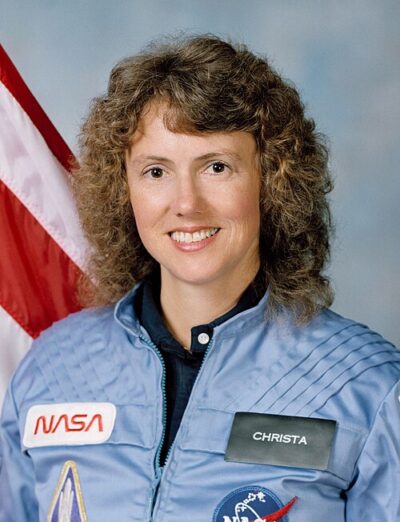 Christa McAuliffe (2004)American educator and astronaut
 Ilan Ramon (2004)Israeli fighter pilot and later the first Israeli astronaut
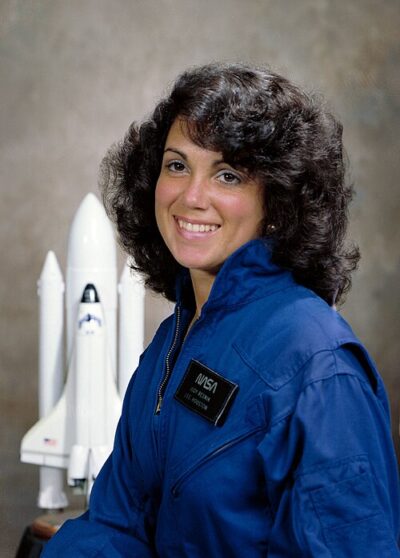 Judith Resnik (2004)American engineer and astronaut (1949–1986)
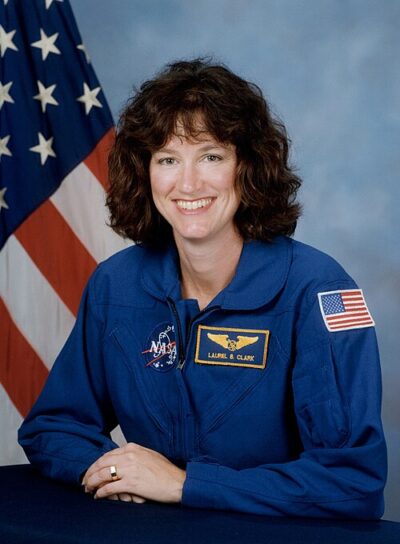 Laurel Clark (2004)NASA astronaut, medical doctor, United States Navy Captain, and Space Shuttle mission specialist (1961-2003)
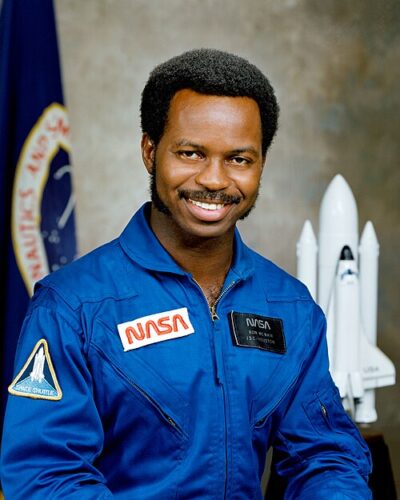 Ronald McNair (2004)American physicist, astronaut (1950-1986)
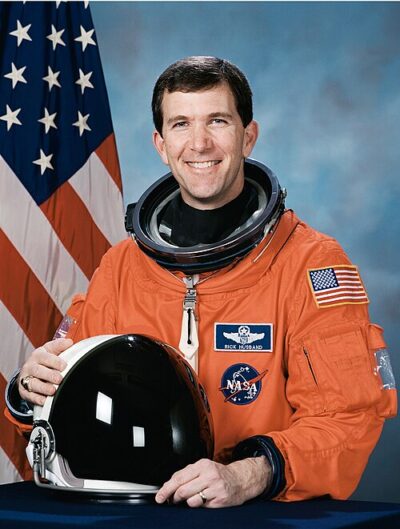 Rick Husband (2004)American astronaut (1957-2003)
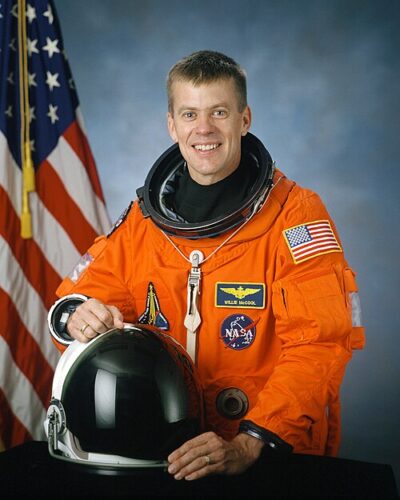 William C. McCool (2004)U.S. Navy Commander, NASA astronaut and the pilot of Space Shuttle Columbia which was destroyed during re-entry into the Earth's atmosphere in 2003
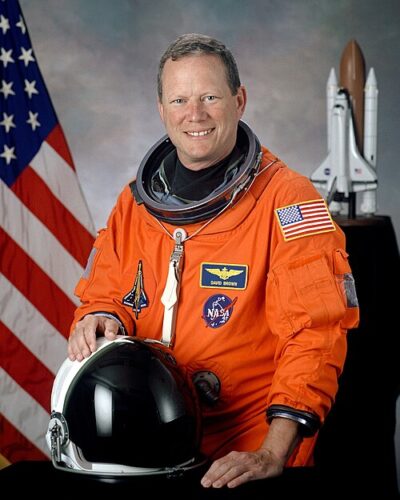 David M. Brown (2004)American astronaut (1956–2003)
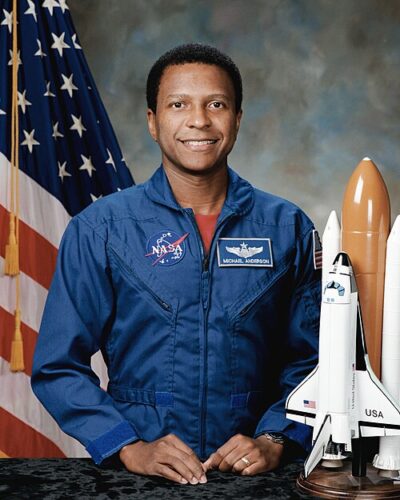 Michael P. Anderson (2004)astronaut, scientist (1959-2003)
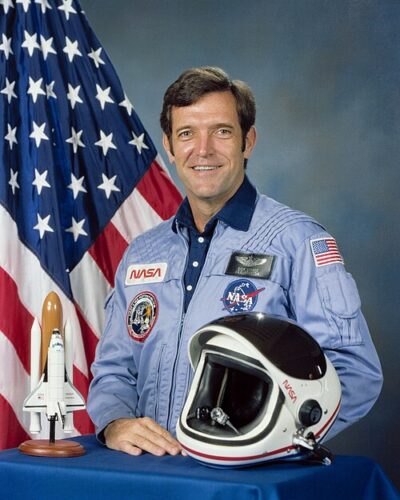 Dick Scobee (2004)American astronaut
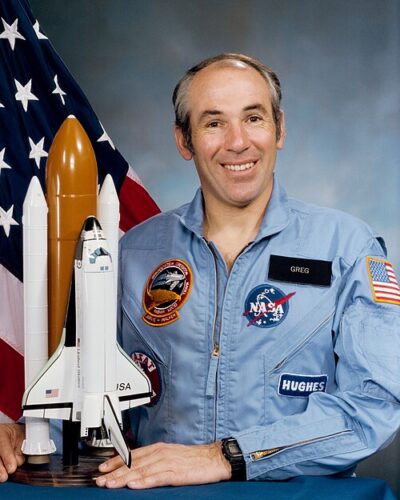 Gregory Jarvis (2004)American astronaut (1944-1986)
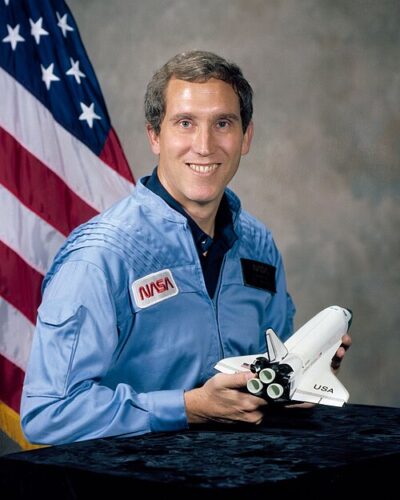 Michael J. Smith (2004)American astronaut (1945-1986)
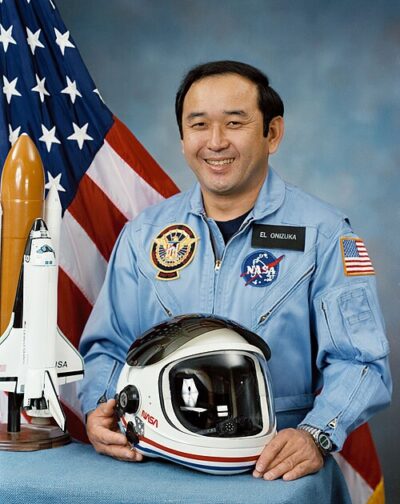 Ellison Onizuka (2004)American astronaut from Kealakekua, Kona, Hawaii, first Asian American to reach space, later died in the Space Shuttle Challenger accident
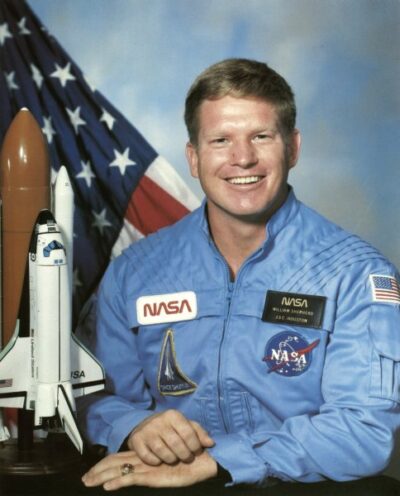 William Shepherd (2003)American astronaut
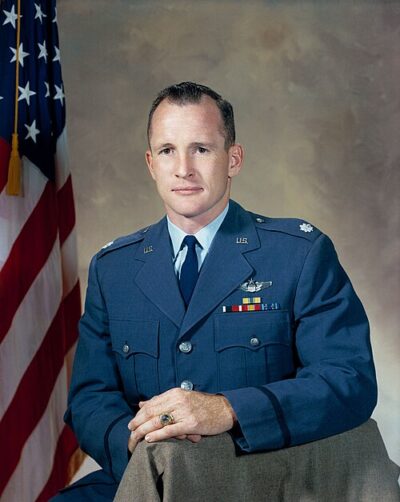 Ed White (1997)American astronaut (1930-1967)
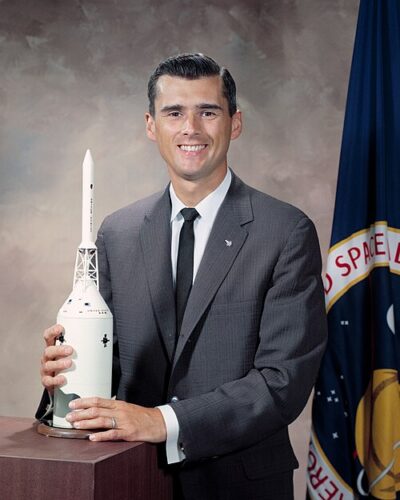 Roger Bruce Chaffee (1997)United States Navy commander, NASA astronaut (1935–1967)
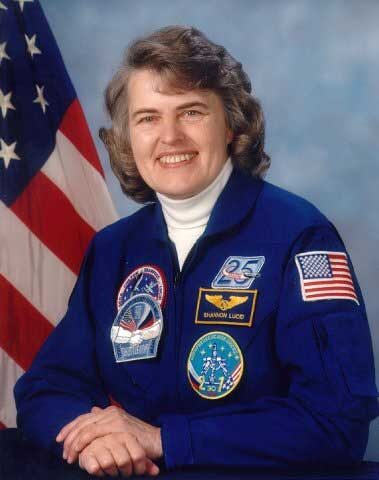 Shannon Lucid (1996)American biochemist and retired NASA astronaut
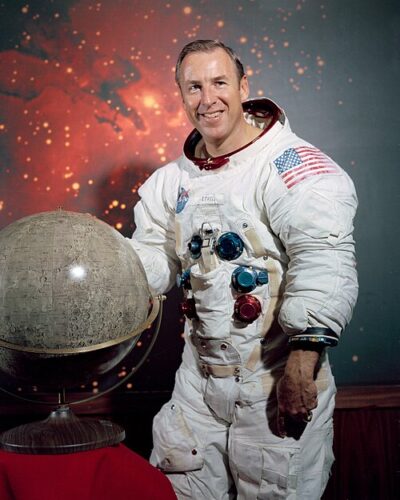 Jim Lovell (1995)American astronaut (1928–2025)
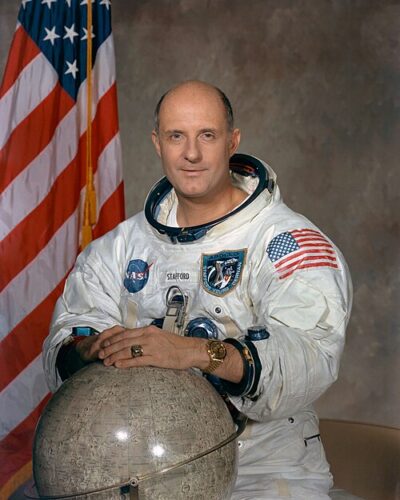 Thomas P. Stafford (1993)American astronaut (1930–2024)
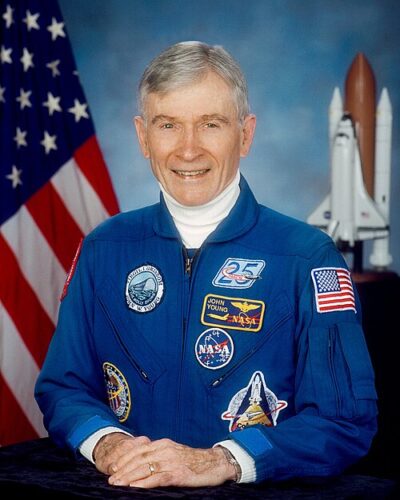 John Young (1981)American astronaut, naval officer, test pilot and aeronautical engineer (1930–2018)
and 6 more
