Electorate of Hanover
Electorate of Hanover is a former principality of the Holy Roman Empire. It was founded in 1692.
- Founded
- 1692
- Country
- Holy Roman Empire
All 7 facts, and where they come from
Facts
7 facts · 0 confirmed by two sources · 0 cited · 7 from one source
Where this comes from
Papalocal keeps its own record. It started from these sources; what each one said is kept here as it was copied, so a change on their side never changes this page by itself. Tap one to read its version.
What Wikidata says · copied November 17, 2026 · revision 2557026183
- Described as
- former principality of the Holy Roman Empire
- Other names
- Electorate of Brunswick-Lüneburg
- What it is
- historical territory; state in the Holy Roman Empire; electoral principate
- Followed by
- Kingdom of Hanover
- Founded
- 1692
- Ended
- 1814
- Country
- Holy Roman Empire
- Wikipedias with a page
- 41
Wikidata item Q706018 (wikidata.org/wiki/Q706018), public domain (CC0). Copied 2026-11-17.
What Wikipedia says · copied November 17, 2026 · revision 1385795572
The Electorate of Hanover (German: Kurfürstentum Hannover or simply Kurhannover) was an electorate of the Holy Roman Empire located in northwestern Germany that arose from the Principality of Calenberg. Although formally known as the Electorate of Brunswick-Lüneburg (German: Kurfürstentum Braunschweig-Lüneburg), it made Hanover its capital city. For most of its existence, the electorate was ruled in personal union with Great Britain and Ireland following the Hanoverian Succession.
The Duchy of Brunswick-Lüneburg had been split in 1269 between different branches of the House of Welf. The Principality of Calenberg, ruled by a cadet branch of the family, emerged as the largest and most powerful of the Brunswick-Lüneburg states. In 1692, the Holy Roman Emperor elevated the Prince of Calenberg to the College of Electors, creating the new Electorate of Brunswick-Lüneburg. The fortunes of the electorate were tied to those of Great Britain by the Act of Settlement 1701 and Act of Union 1707, which settled the succession to the British throne on Queen Anne's nearest Protestant relative, the Electress Sophia of Hanover, and her descendants.
The prince-elector of Hanover became King of Great Britain in 1714. As a consequence, a reluctant Britain was forced time and again to defend the king's German possessions. Nonetheless, Hanover remained a separately ruled territory with its own governmental bodies, and the country had to sign a treaty with Great Britain whenever Hanoverian troops fought on the British side of a war. Merged into the Napoleonic Kingdom of Westphalia in 1807, it was re-established as the Kingdom of Hanover in 1814, and the personal union with the British crown lasted until 1837.
From the Wikipedia article “Electorate of Hanover” (en.wikipedia.org/wiki/Electorate_of_Hanover), by its contributors, under CC BY-SA 4.0 (creativecommons.org/licenses/by-sa/4.0/). Copied 2026-11-17; not changed.
Confirmed Two sources agree. Cited One source, and it names where it got it. One source One source, without a reference of its own. Sources disagree The sources disagree. We show the best-supported value and keep theirs below.
People connected 9
Citizen of
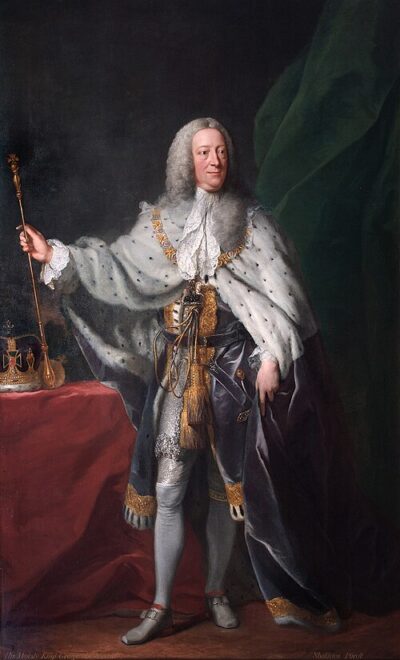 George II of Great BritainKing of Great Britain and Ireland from 1727 to 1760 (1683–1760)
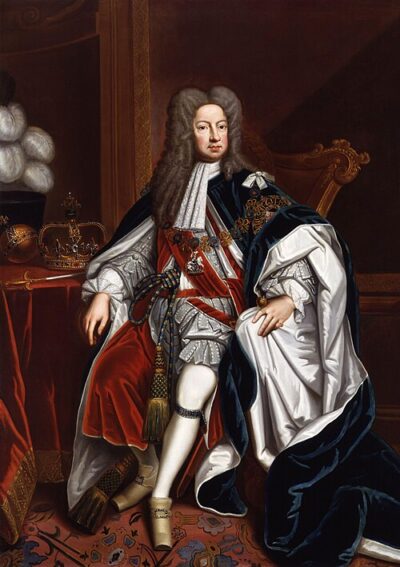 George I of Great BritainKing of Great Britain and Ireland from 1714 to 1727
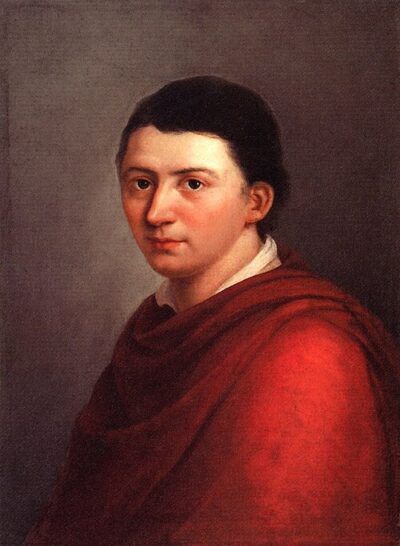 Friedrich SchlegelGerman poet, critic and scholar, editor
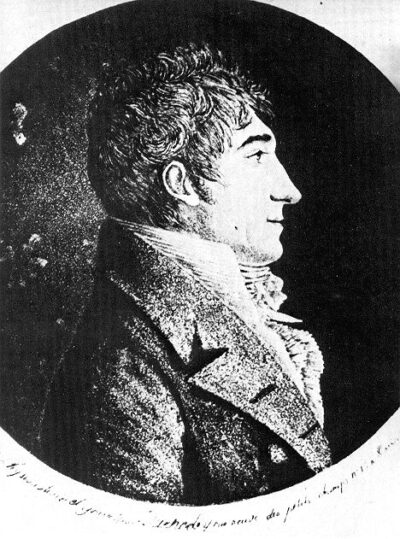 Karl Ludwig HardingGerman astronomer (1765-1834)
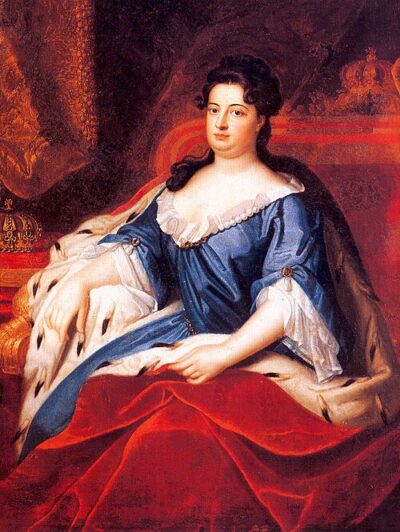 Sophia Charlotte of HanoverPrussian royal consort
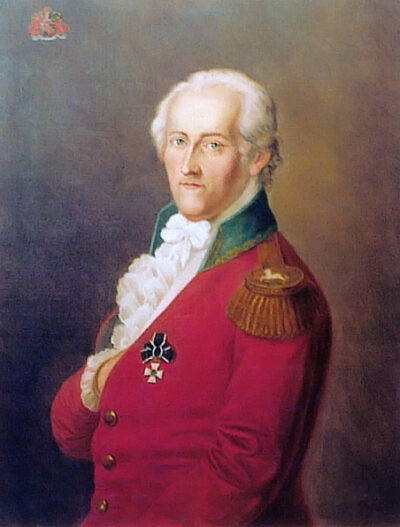 Adolph Freiherr KniggeGerman writer and leading Illuminati member (1752–1796)
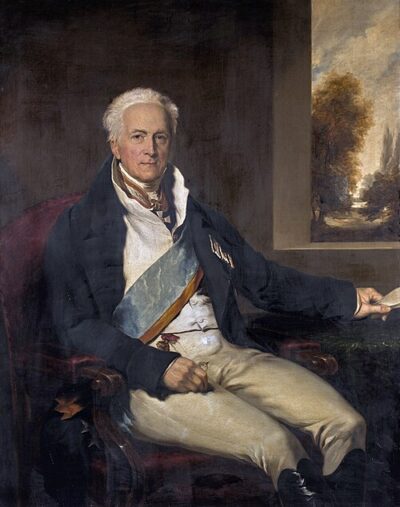 Karl August von HardenbergChancellor of Prussia
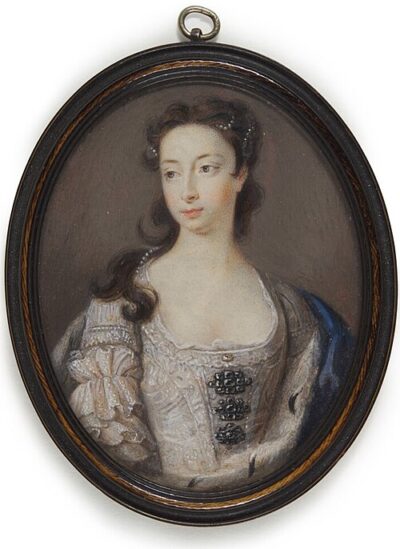 Princess Caroline of Great Britainfourth child and third daughter of George II of Great Britain and Caroline of Ansbach