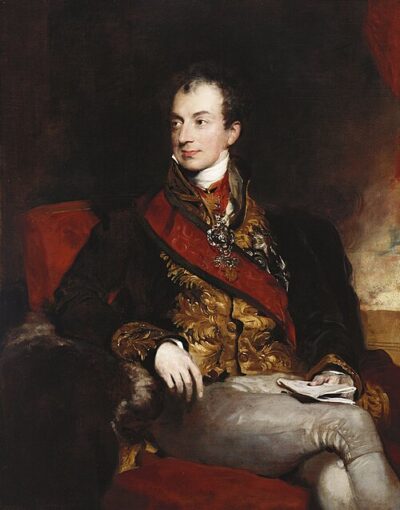
Emperor of Austria
The Emperor of Austria is a hereditary ruler of the Austrian (later Austro-Hungarian) Empire.
- Country
- Austrian Empire (1804–1867)
All 4 facts, and where they come from
Facts
4 facts · 0 confirmed by two sources · 0 cited · 4 from one source
Where this comes from
Papalocal keeps its own record. It started from these sources; what each one said is kept here as it was copied, so a change on their side never changes this page by itself. Tap one to read its version.
What Wikidata says · copied November 16, 2026 · revision 2540338469
- Described as
- hereditary ruler of the Austrian (later Austro-Hungarian) Empire
- Other names
- Austrian emperor, Kaiser of Austria, Austrian Kaiser
- What it is
- noble title; historical position
- Country
- Austrian Empire (1804–1867); Austria–Hungary (1867–1918)
- Wikipedias with a page
- 31
Wikidata item Q166877 (wikidata.org/wiki/Q166877), public domain (CC0). Copied 2026-11-16.
What Wikipedia says · copied November 16, 2026 · revision 1384701611
The Emperor of Austria (German: Kaiser von Österreich, Latin: Imperator Austriae) was the ruler of the Austrian Empire and later Cisleithania portion of the Austro-Hungarian Empire. The hereditary imperial title and office was proclaimed in 1804 by Holy Roman Emperor Francis II, a member of the House of Habsburg-Lorraine, and continually held by him and his heirs until Charles I relinquished power in 1918.
The emperors retained the title of Archduke of Austria. The wives of the emperors held the title empress, while other members of the family held the titles of archduke or archduchess.
From the Wikipedia article “Emperor of Austria” (en.wikipedia.org/wiki/Emperor_of_Austria), by its contributors, under CC BY-SA 4.0 (creativecommons.org/licenses/by-sa/4.0/). Copied 2026-11-16; not changed.
Confirmed Two sources agree. Cited One source, and it names where it got it. One source One source, without a reference of its own. Sources disagree The sources disagree. We show the best-supported value and keep theirs below.
People connected 5
Held this office
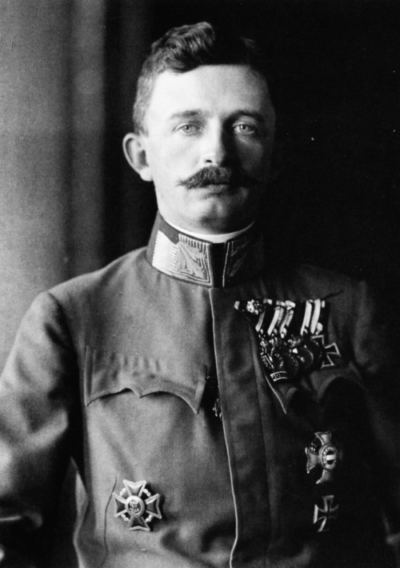 Charles I of Austria (1916–1918)Last monarch of Austria-Hungary (r. 1916–1918)
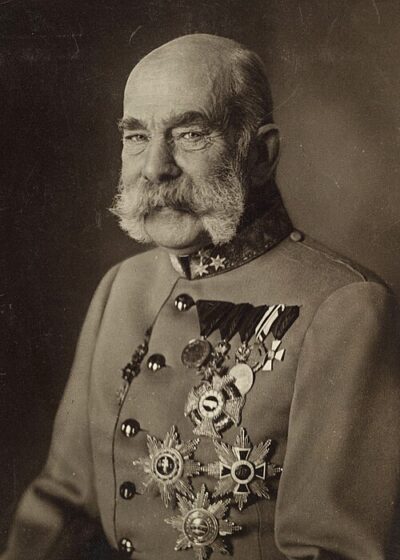 Franz Joseph I of Austria (1848–1916)Emperor of Austria and King of Hungary (1830–1916)
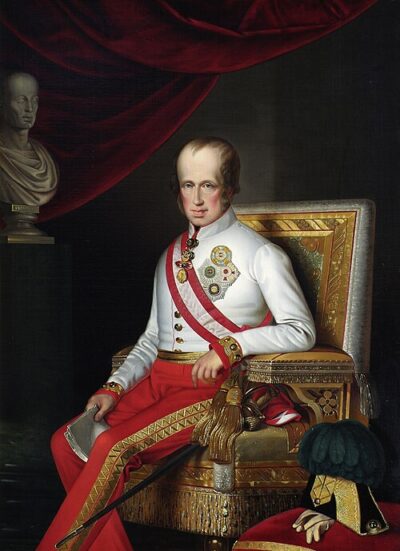 Ferdinand I of Austria (1835–1848)Austrian emperor, king of Hungary and Bohemia (1793-1875)
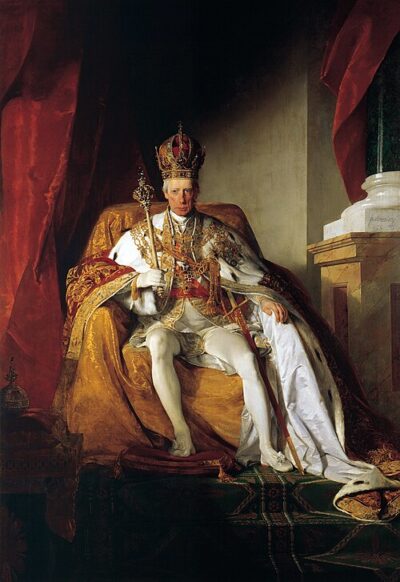 Francis II, Holy Roman Emperor (1804–1835)also known as Francis I, Emperor of Austria (1768-1835)