
eponymous archon
Eponymous archon is a chief magistrate of an ancient Greek city-state. It is an office of Classical Athens.
- Office of
- Classical Athens
- Country
- Classical Athens
All 3 facts, and where they come from
Facts
3 facts · 0 confirmed by two sources · 0 cited · 3 from one source
Where this comes from
Papalocal keeps its own record. It started from these sources; what each one said is kept here as it was copied, so a change on their side never changes this page by itself. Tap one to read its version.
What Wikidata says · copied November 17, 2026 · revision 2568953188
- Described as
- chief magistrate of an ancient Greek city-state
- What it is
- position
- Country
- Classical Athens
- Office of
- Classical Athens
- Wikipedias with a page
- 14
Wikidata item Q357829 (wikidata.org/wiki/Q357829), public domain (CC0). Copied 2026-11-17.
What Wikipedia says · copied November 17, 2026 · revision 1364232783
The eponymous archon (anc. Gk. ἐπώνυμος ἄρχων, romanized epōnymos archōn) was the chief magistrate in various ancient Greek city states, who gave his name to the year in which he held office, much like Roman consuls. "Archon" (ἄρχων, pl. ἄρχοντες, archontes) means "ruler" or "lord", frequently used as the title of a specific public office,
In Classical Athens, a system of nine concurrent archons evolved, led by three respective remits over the civic, military, and religious affairs of the state: the three office holders were known as the eponymous archon (ruler of Athens, the highest political office in the city-state), the polemarch (πολέμαρχος, "war ruler", the commander-in-chief of the Athenian military), and the archon basileus (ἄρχων βασιλεύς, "king ruler", the high priest of the city). The six others were the thesmothetai, judicial officers. Originally these offices were filled from the wealthier classes by elections every ten years. During this period the eponymous archon was the chief magistrate, the polemarch was the head of the armed forces, and the archon basileus was responsible for some civic religious arrangements, and for the supervision of some major trials in the law courts. After 683 BC the offices were held for only a single year, and the year was named after the eponymous archon.
From the Wikipedia article “Eponymous archon” (en.wikipedia.org/wiki/Eponymous_archon), by its contributors, under CC BY-SA 4.0 (creativecommons.org/licenses/by-sa/4.0/). Copied 2026-11-17; not changed.
Confirmed Two sources agree. Cited One source, and it names where it got it. One source One source, without a reference of its own. Sources disagree The sources disagree. We show the best-supported value and keep theirs below.
People connected 11
Held this office
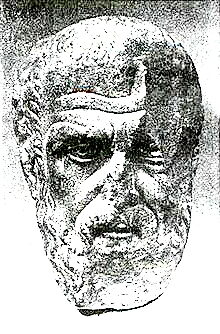 Arrian (145–146)philosopher, historian, priest
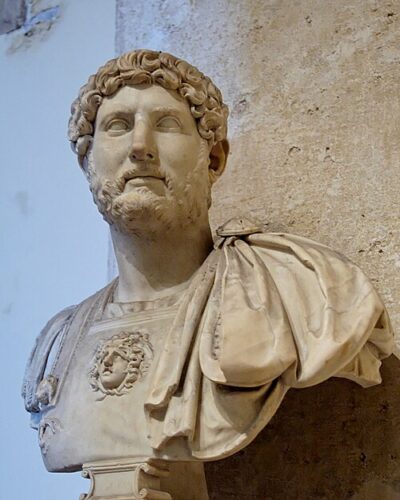 Hadrian (112–113)14th Roman Emperor (117–138)
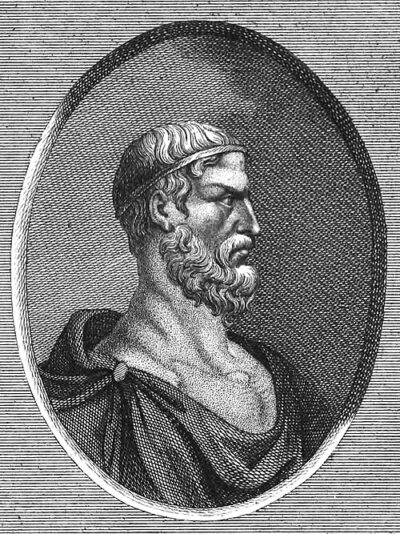 Draco (-620–-619)first legislator of Athens in Ancient Greece
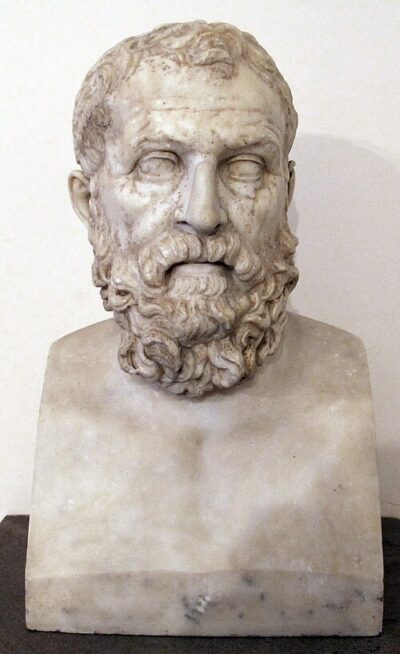 Solon (-594–-593)Athenian legislator
- HHippias (-525–-524)Tyrant of Athens from 527 to 510 BC
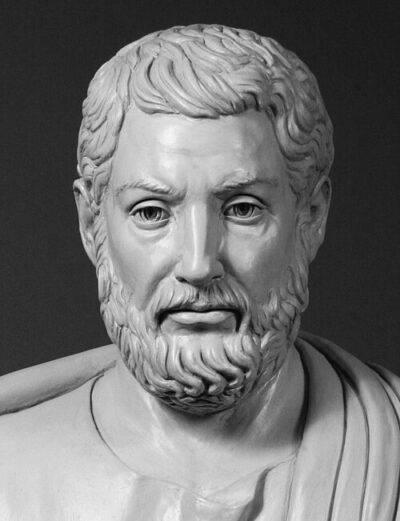 Cleisthenes (-524–-523)late 6th century Athenian politician and reformer
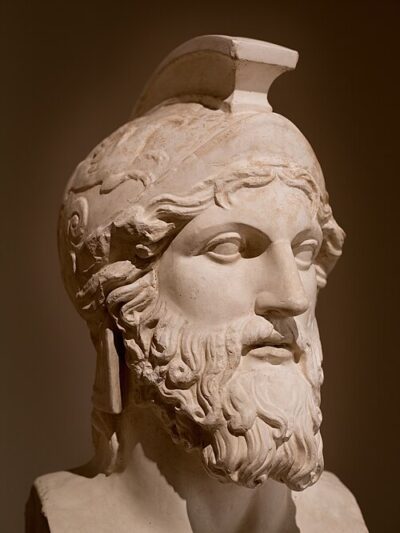 Miltiades (-523–-522)Greek Athenian statesman and general (c.550–489 BC)
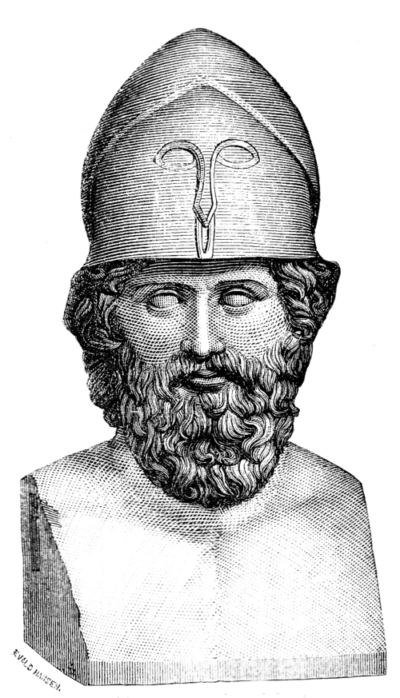 Themistocles (-492–-491)Athenian politician and general (c. 524–459 BC)
 Aristides (-488–-487)Athenian general and statesman (530–468 BC)
 Herodes AtticusGreek sophist and Roman senator (101–177)
- DDexippusGreek historian, statesman and general (c. 210–273)
