
Girondists
Girondists is a political faction. It was founded in 1792. Its headquarters are in Bordeaux. It stands for republicanism, abolitionism and classical liberalism.
- Country
- France
- Founded
- 1792
- Ideology
- republicanism
All 10 facts, and where they come from
Facts
10 facts · 0 confirmed by two sources · 0 cited · 10 from one source
Where this comes from
Papalocal keeps its own record. It started from these sources; what each one said is kept here as it was copied, so a change on their side never changes this page by itself. Tap one to read its version.
What Wikidata says · copied November 17, 2026 · revision 2526914357
- Described as
- political faction
- Other names
- Girondin, Girondins, Girondist
- What it is
- political faction; parliamentary group
- Founded
- 1792 · 1 reference
- Ended
- 1793
- Headquarters
- Bordeaux · 1 reference
- Country
- France · 1 reference
- Ideology
- republicanism; abolitionism; classical liberalism; decentralization
- Wikipedias with a page
- 52
Wikidata item Q207776 (wikidata.org/wiki/Q207776), public domain (CC0). Copied 2026-11-17.
What Wikipedia says · copied November 17, 2026 · revision 1385784446
The Girondins (US: ; French: [ʒiʁɔ̃dɛ̃] ), also called Girondists, were a political group during the French Revolution. From 1791 to 1793, the Girondins were active in the Legislative Assembly and the National Convention. Together with the Montagnards, they initially were part of the Jacobin movement. They campaigned for the end of the monarchy, but then resisted the spiraling momentum of the Revolution, which caused a conflict with the more radical Montagnards. They dominated the movement until their fall in the insurrection of 31 May – 2 June 1793, which resulted in the domination of the Montagnards and the purge and eventual mass execution of the Girondins. This event is considered to mark the beginning of the Reign of Terror.
The Girondins were a group of loosely affiliated individuals rather than an organized political party and the name was at first informally applied because the most prominent exponents of their point of view were deputies to the Legislative Assembly from the département of Gironde in southwest France. Girondin leader Jacques Pierre Brissot proposed an ambitious military plan to spread the Revolution internationally, therefore the Girondins were the war party in 1792–1793. Other prominent Girondins included Jean Marie Roland and his wife Madame Roland. They also had an ally in the English-born American activist Thomas Paine.
Brissot and Madame Roland were executed and Jean Roland (who had gone into hiding) committed suicide when he learned about the execution. Paine was imprisoned, but he narrowly escaped execution. The famous painting The Death of Marat depicts the fiery radical journalist and denouncer of the Girondins Jean-Paul Marat after being stabbed to death in his bathtub by Charlotte Corday, a Girondin sympathizer. Corday did not attempt to flee and was arrested and executed.
Historian Alfred Cobban challenged how numerous and powerful the Girondins actually were in his influential work The Social Interpretation of the French Revolution. Citing M. J. Sydenham's study on the subject, The Girondins (1961), Cobban claims there were only 20–25 loosely associated deputies, and they exhibited little in the way of a common policy or political coherence.
From the Wikipedia article “Girondins” (en.wikipedia.org/wiki/Girondins), by its contributors, under CC BY-SA 4.0 (creativecommons.org/licenses/by-sa/4.0/). Copied 2026-11-17; not changed.
Confirmed Two sources agree. Cited One source, and it names where it got it. One source One source, without a reference of its own. Sources disagree The sources disagree. We show the best-supported value and keep theirs below.
People connected 7
Party members
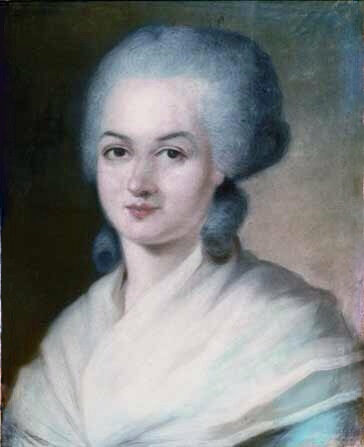 Olympe de GougesFrench playwright and political activist (1748–1793)
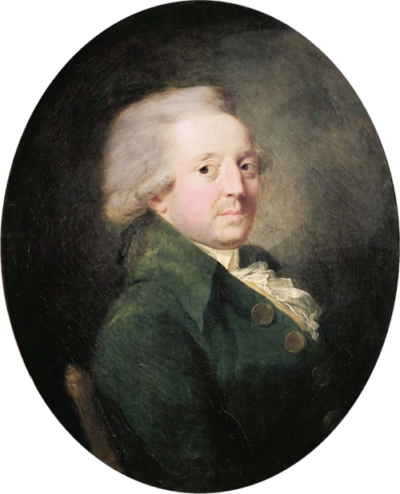 Jean-Antoine-Nicolas de Caritat de CondorcetFrench philosopher, mathematician, and political scientist (1743–1794)
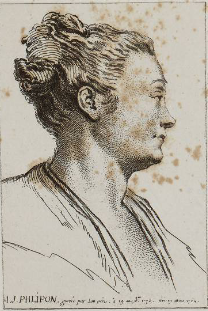 Manon RolandFrench revolutionary
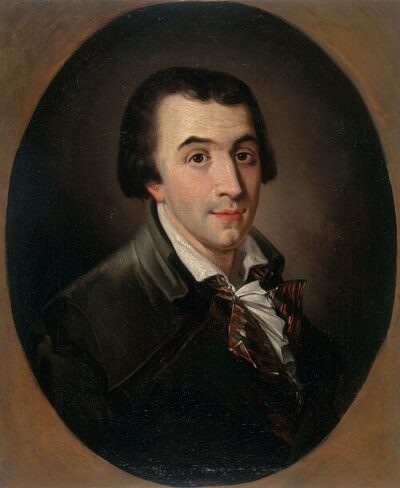 Jacques Pierre BrissotFrench revolutionary (1754–1793)
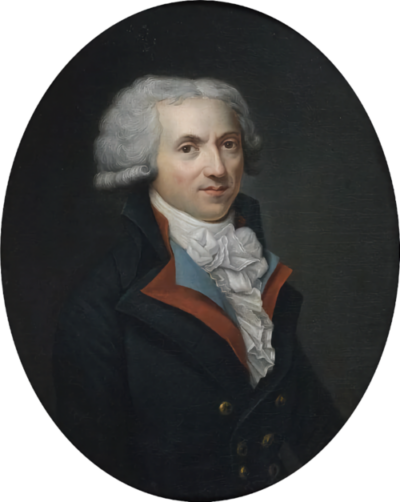 Pierre VergniaudFrench politician (1753-1793)
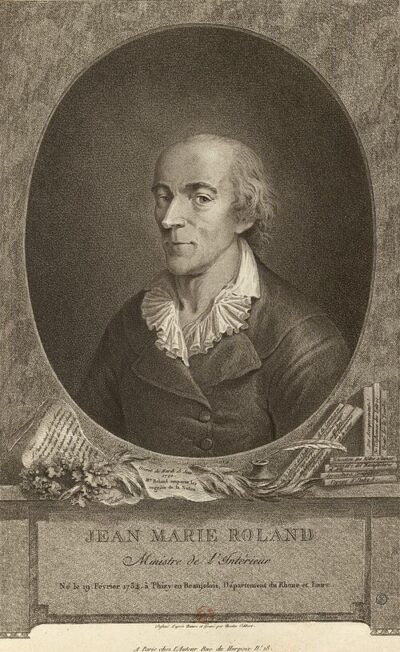 Jean-Marie Roland de la PlatièreFrench politician (1734-1793)
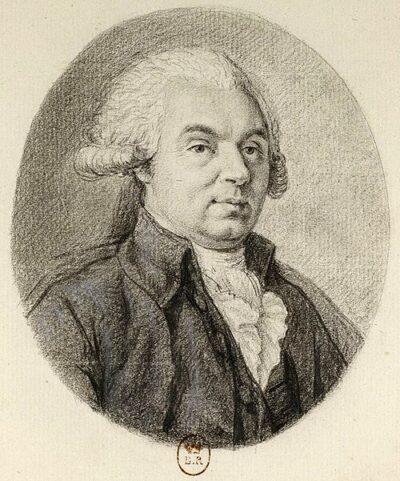 Jérôme Pétion de VilleneuveFrench politician (1756-1794)
