Grand Duchy of Tuscany
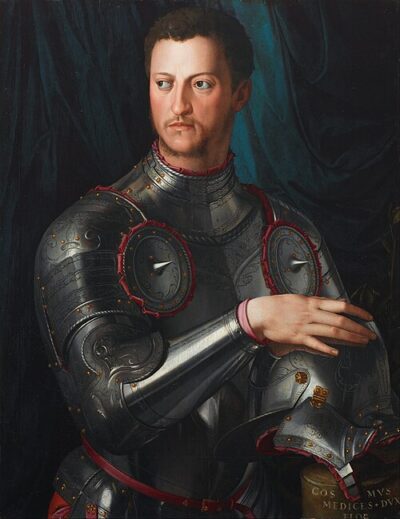
Grand Duchy of Tuscany is a former Italian state (1569–1801; 1815–1859). It was created by Cosimo I de' Medici, Grand Duke of Tuscany.
- Created
- August 27, 1569
All 6 facts, and where they come from
Facts
6 facts · 0 confirmed by two sources · 0 cited · 6 from one source
Where this comes from
Papalocal keeps its own record. It started from these sources; what each one said is kept here as it was copied, so a change on their side never changes this page by itself. Tap one to read its version.
What Wikidata says · copied November 17, 2026 · revision 2565649802
- Described as
- former Italian state (1569–1801; 1815–1859)
- Other names
- Granducato di Toscana
- What it is
- grand duchy; state in the Holy Roman Empire; fiefdom
- Created
- August 27, 1569
- Ended
- 1860
- Founded by
- Cosimo I de' Medici, Grand Duke of Tuscany
- Wikipedias with a page
- 62
Wikidata item Q154849 (wikidata.org/wiki/Q154849), public domain (CC0). Copied 2026-11-17.
What Wikipedia says · copied November 17, 2026 · revision 1367324131
The Grand Duchy of Tuscany (Italian: Granducato di Toscana; Latin: Magnus Ducatus Etruriae) was an Italian monarchy located in Central Italy that existed, with interruptions, from 1569 to 1860, replacing the Republic of Florence. The grand duchy's capital was Florence. In the 19th century the population of the Grand Duchy was about 1,815,000 inhabitants.
Having brought nearly all Tuscany under his control after conquering the Republic of Siena, Cosimo I de' Medici, was elevated by a papal bull of Pope Pius V to Grand Duke of Tuscany on 27 August 1569. The Grand Duchy was ruled by the House of Medici until the extinction of its senior branch in 1737. While not as internationally renowned as the old republic, the grand duchy thrived under the Medici and it bore witness to unprecedented economic and military success under Cosimo I and his sons, until the reign of Ferdinando II, which saw the beginning of the state's long economic decline. That economic decline continued under Cosimo III.
Francis Stephen of Lorraine, a cognatic descendant of the Medici, succeeded the family and ascended the throne of his Medicean ancestors, which was bestowed upon him as compensation for the unwelcome loss of his ancestral Duchy of Lorraine. Francis was also a future Holy Roman Emperor with lands throughout Europe, so Tuscany was governed by his viceroy, Marc de Beauvau, Prince of Craon. His descendants ruled, and resided in, the grand duchy until its end in 1859, barring one interruption, when Napoleon Bonaparte gave Tuscany to the House of Bourbon-Parma (Kingdom of Etruria, 1801–1807), then annexed it directly to the First French Empire. Following the collapse of the Napoleonic system in 1814, the grand duchy was restored. In the lead up to the Italian unification Tuscany merged in 1859 with other former neighboring states and territories into the United Provinces of Central Italy, a client state of the Kingdom of Sardinia. It was within the United Provinces that Tuscany was formally annexed to the Kingdom of Italy the following year after a landslide plebiscite, in which 95% of voters approved.
From the Wikipedia article “Grand Duchy of Tuscany” (en.wikipedia.org/wiki/Grand_Duchy_of_Tuscany), by its contributors, under CC BY-SA 4.0 (creativecommons.org/licenses/by-sa/4.0/). Copied 2026-11-17; not changed.
Confirmed Two sources agree. Cited One source, and it names where it got it. One source One source, without a reference of its own. Sources disagree The sources disagree. We show the best-supported value and keep theirs below.
Picture: Wikimedia Commons: Flag of the Grand Duchy of Tuscany (Medici period).svg · See Commons file page
People connected 42
Citizen of 41
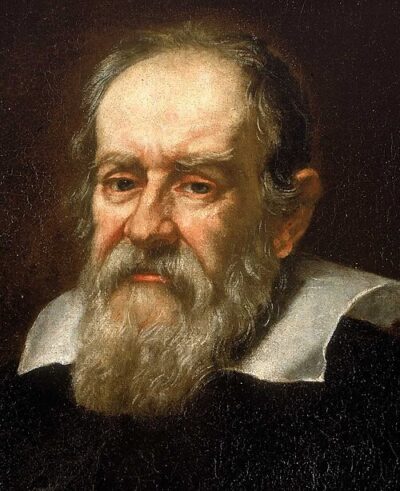 Galileo Galilei (1569–)Italian polymath (1564–1642)
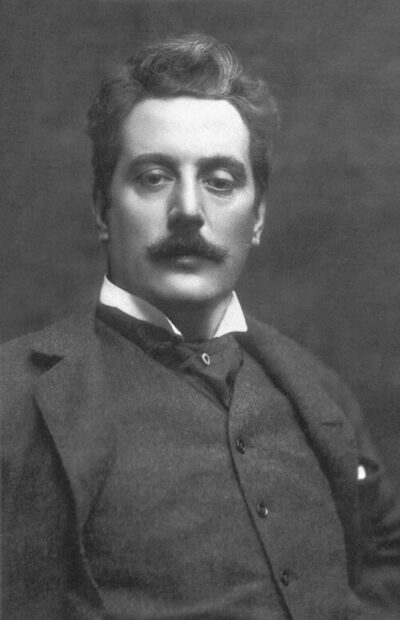 Giacomo Puccini (–1859)Italian opera composer (1858–1924)
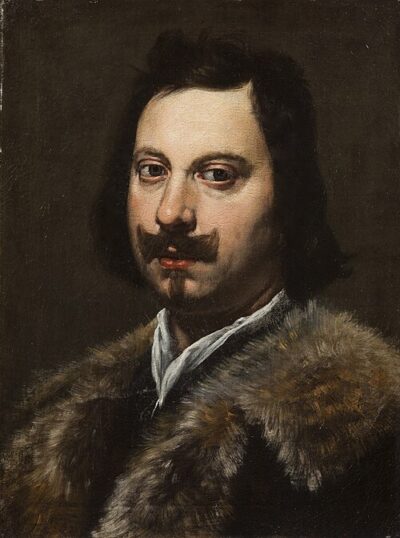 Evangelista TorricelliItalian physicist and mathematician (1608-1647)
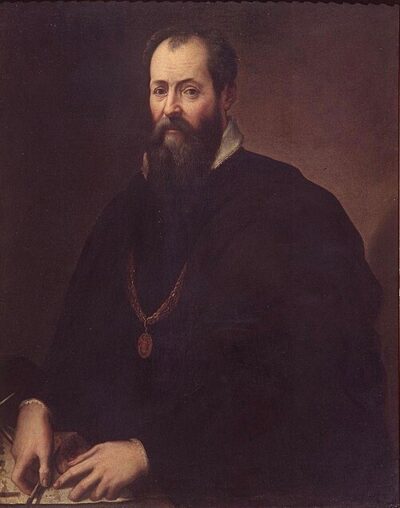 Giorgio VasariItalian painter, architect, writer and historian (1511-1574)
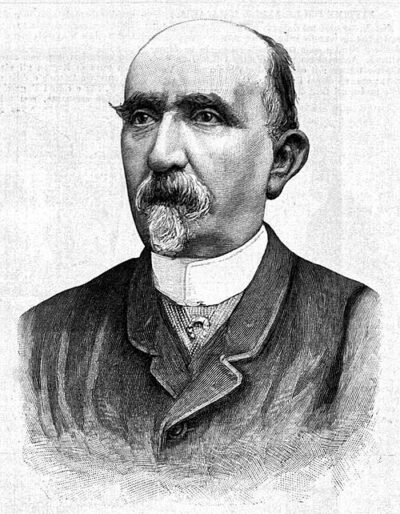 Carlo Collodi (–1859)Italian writer (1826–1890)
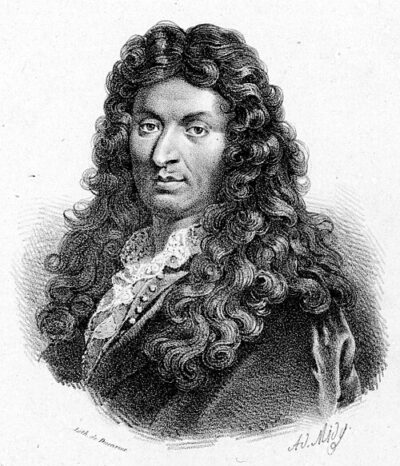 Jean-Baptiste LullyItalian-born French composer (1632–1687)
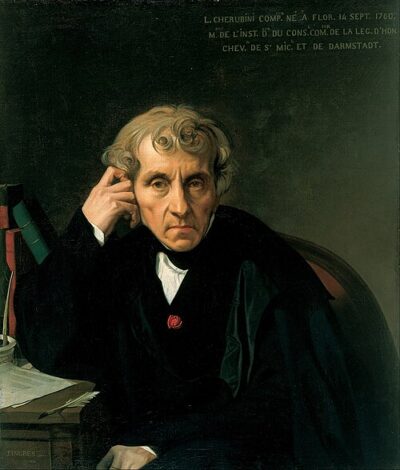 Luigi Cherubini (1760–1780)Italian Classical and Romantic composer (1760–1842)
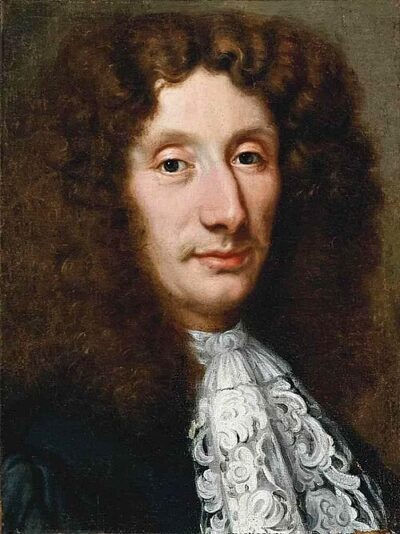 Francesco RediItalian physician, naturalist, biologist, and poet (1626–1697)
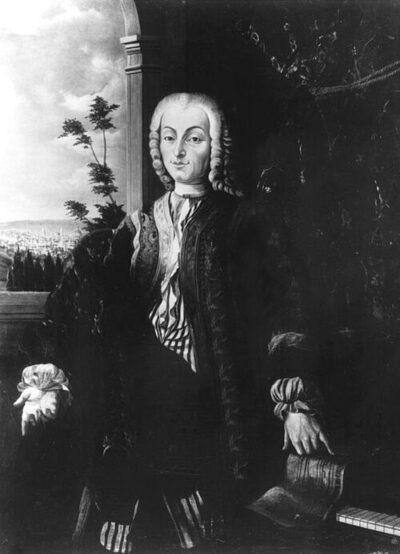 Bartolomeo CristoforiItalian maker of musical instruments (1655–1731)
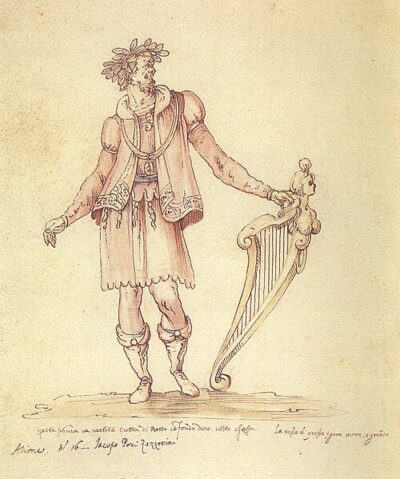 Jacopo PeriItalian composer and singer
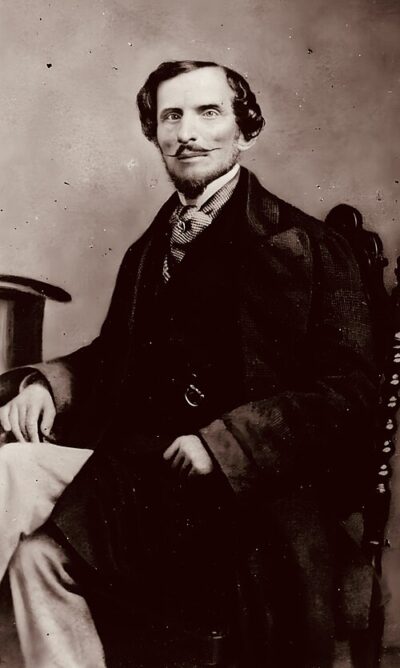 Bettino Ricasoli (1809–1859)Italian politician (1809–1880)
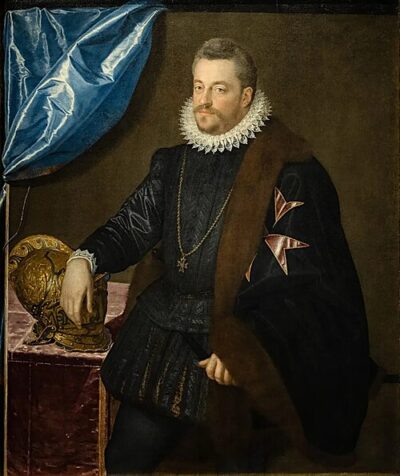 Ferdinando I de' MediciGrand Duke of Tuscany (1549-1609)
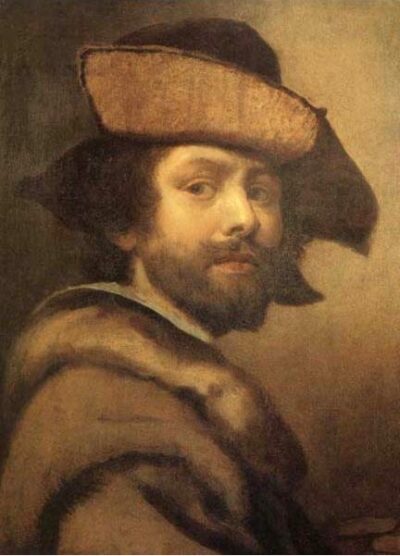 Cristofano AlloriItalian portrait painter of the late Florentine Mannerist school (1577-1621)
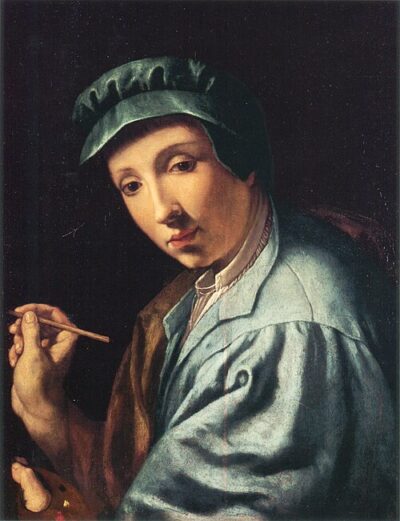 Alessandro Allori (1569–)Italian painter (1535–1607)
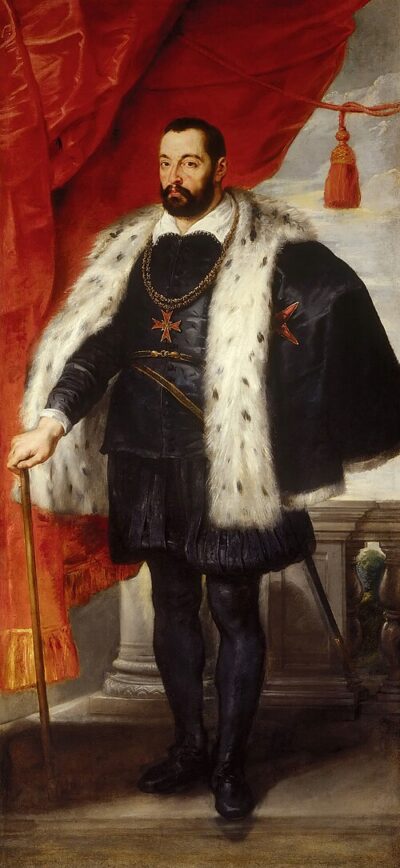 Francesco I de' MediciGrand Duke of Tuscany (1541-1587)
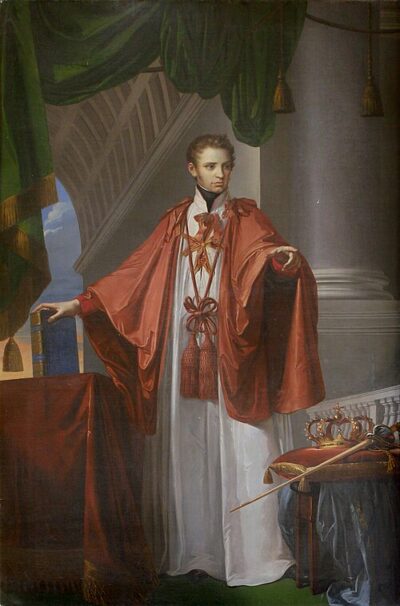 Leopold II, Grand Duke of TuscanyGrand Duke of Tuscany
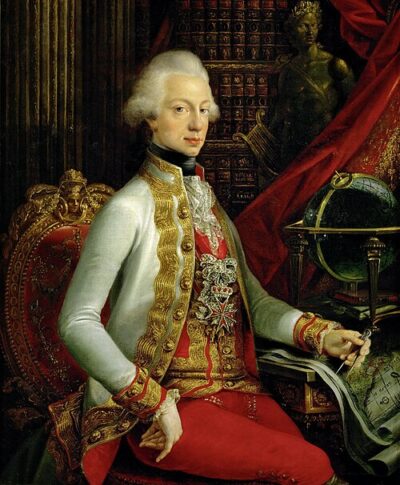 Ferdinand III, Grand Duke of TuscanyGrand Duke of Tuscany (1769-1824)
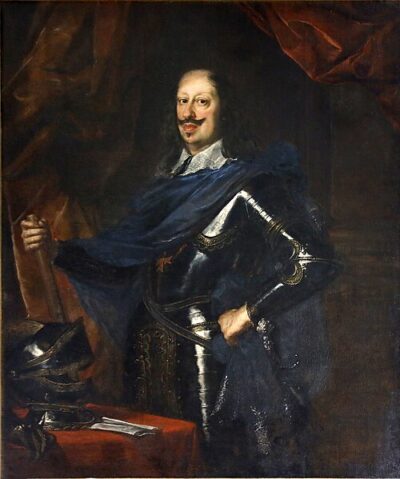 Ferdinando II de' MediciGrand Duke of Tuscany
- GGiulio CacciniItalian composer
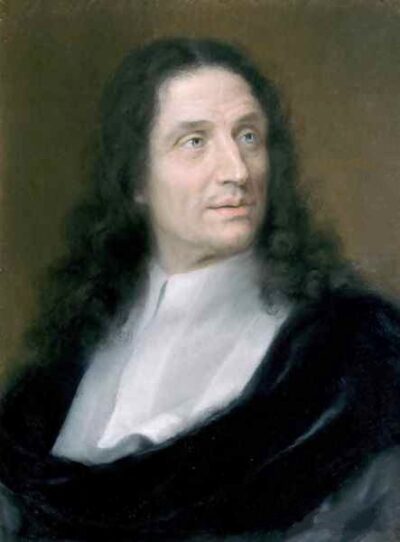 Vincenzo VivianiItalian scientist (1622-1703)
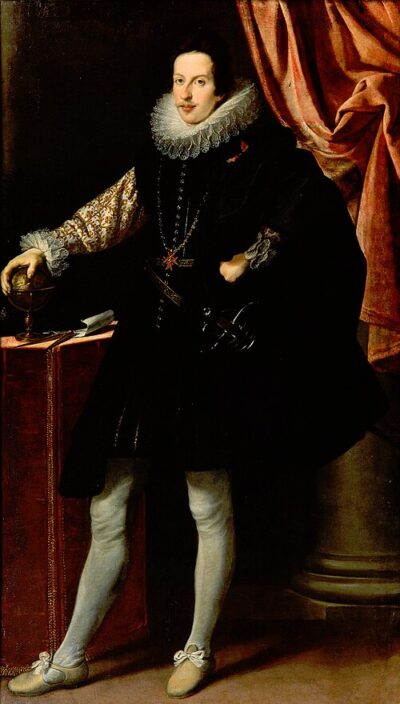 Cosimo II de' MediciGrand Duke of Tuscany (1590-1621)
- VVincenzo GalileiItalian lutenist, composer and music theorist
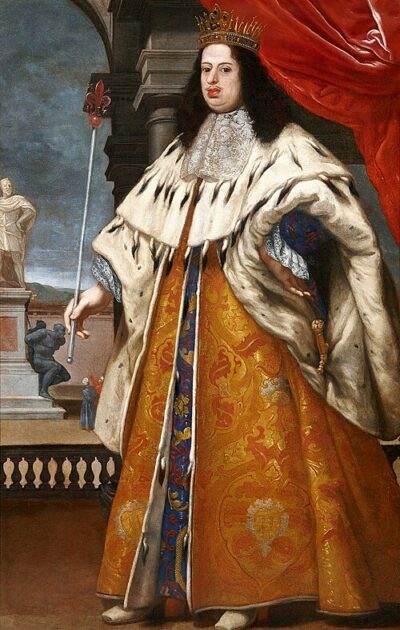 Cosimo III de' Medici, Grand Duke of TuscanyGrand Prince of Tuscany (1642-1723)
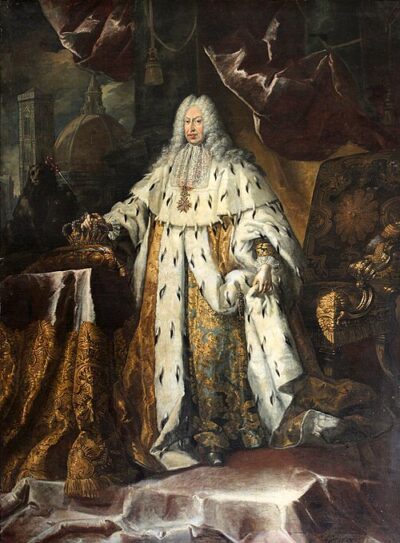 Gian Gastone de' Medicilast Medici Grand Duke of Tuscany (1671-1737)
and 17 more