
Grand Prix Charles-Leopold Mayer
Grand Prix Charles-Leopold Mayer is an award. It was created in 1961. It is given by the French Academy of Sciences.
- Given by
- French Academy of Sciences
- Created
- 1961
All 5 facts, and where they come from
Facts
5 facts · 0 confirmed by two sources · 0 cited · 5 from one source
Where this comes from
Papalocal keeps its own record. It started from these sources; what each one said is kept here as it was copied, so a change on their side never changes this page by itself. Tap one to read its version.
What Wikidata says · copied November 16, 2026 · revision 2569601156
- Described as
- award
- What it is
- award; biophysics award
- Created
- 1961 · 1 reference
- Given by
- French Academy of Sciences
- Named after
- Charles Léopold Mayer
- Wikipedias with a page
- 6
Wikidata item Q904645 (wikidata.org/wiki/Q904645), public domain (CC0). Copied 2026-11-16.
What Wikipedia says · copied November 16, 2026 · revision 1373204767
The Grand Prix Charles-Léopold Mayer (Charles-Léopold Mayer Prize) is awarded annually by the Académie des Sciences (French Academy of Sciences) de l'Institut de France (the French Institute) to researchers who have performed outstanding work in the biological sciences; especially in the areas of cell or molecular biology. Citizens or residents of any nation are eligible for the prize, but it is never awarded to individuals of the same nation two years in a row, nor is the prize ever presented to scholars who are more than 65 years of age. Between the first presentation of the award in 1961 and the year 2009, there have been more than 60 laureates, eleven of whom subsequently received the Nobel Prize in medicine, physiology, or chemistry.
The prize is named after French biochemist Charles Léopold Mayer.
From the Wikipedia article “Grand Prix Charles-Leopold Mayer” (en.wikipedia.org/wiki/Grand_Prix_Charles-Leopold_Mayer), by its contributors, under CC BY-SA 4.0 (creativecommons.org/licenses/by-sa/4.0/). Copied 2026-11-16; not changed.
Confirmed Two sources agree. Cited One source, and it names where it got it. One source One source, without a reference of its own. Sources disagree The sources disagree. We show the best-supported value and keep theirs below.
People connected 14
Won it
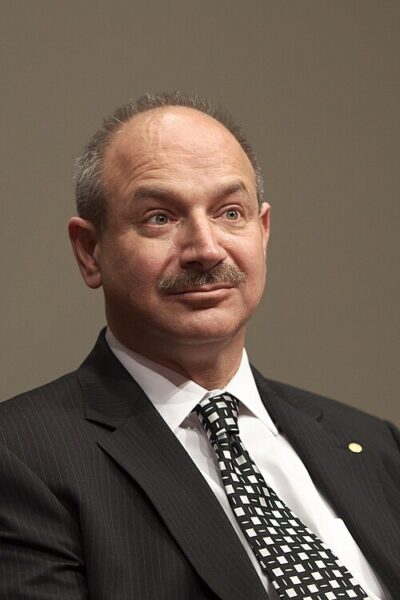 Bruce Beutler (2006)American immunologist and geneticist
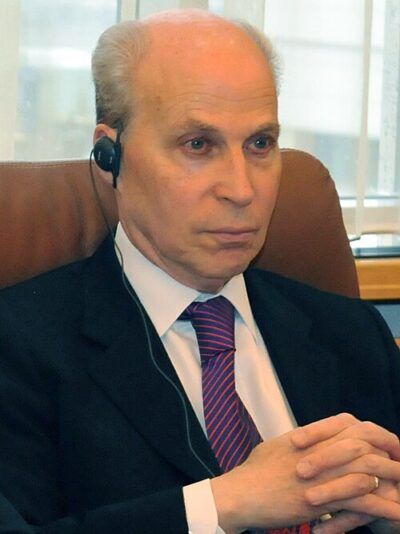 Roger D. Kornberg (2002)American biochemist
- HH. Robert Horvitz (2000)American biologist
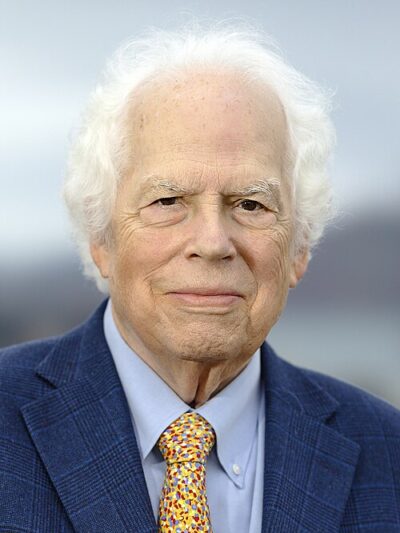 Stanley B. Prusiner (1996)American neurologist and biochemist
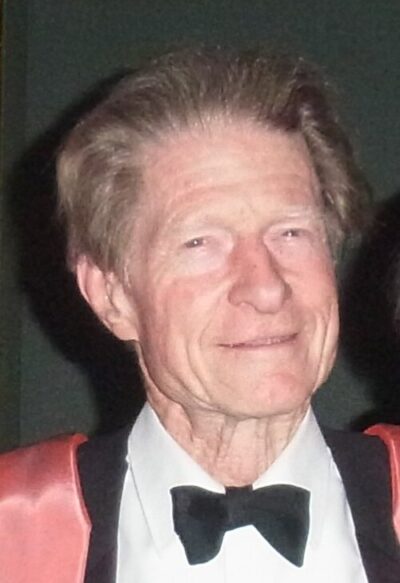 John Gurdon (1984)British developmental biologist (1933–2025)
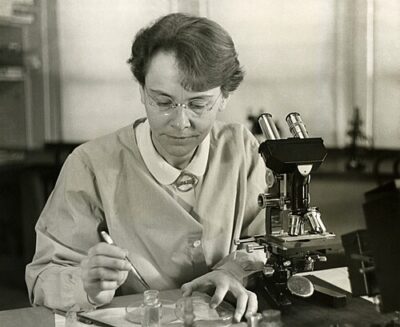 Barbara McClintock (1982)American scientist and cytogeneticist
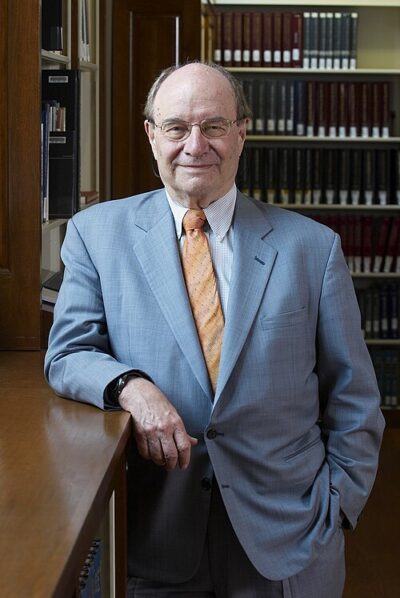 Walter Gilbert (1977)American biochemist
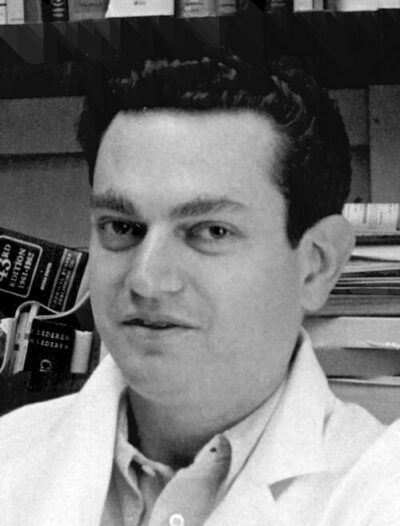 Marshall Warren Nirenberg (1967)American biochemist and geneticist (1927-2010)
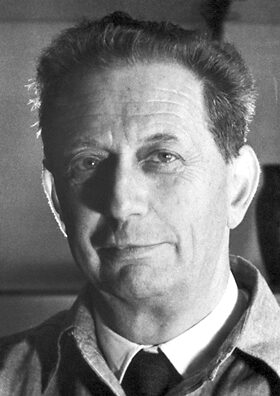 André Lwoff (1964)French microbiologist
- EErwin Chargaff (1963)Ukrainian-born biochemist who emigrated to the United States (1905–2002)
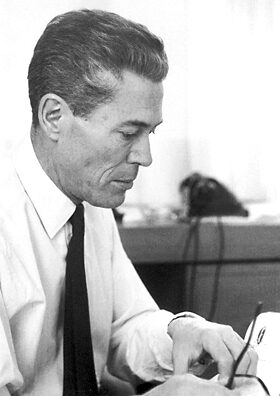 Jacques Monod (1962)French biologist and biochemist, Nobel laureate (1910-1976)
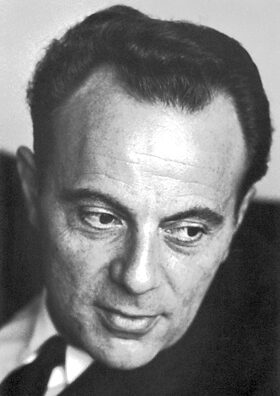 François Jacob (1962)French biologist and geneticist, winner of the Nobel Prize in 1965
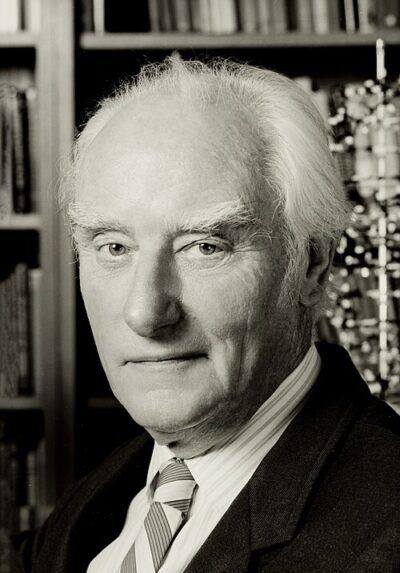 Francis Crick (1961)British molecular biologist, biophysicist, neuroscientist; co-discoverer of the structure of DNA (1916–2004)
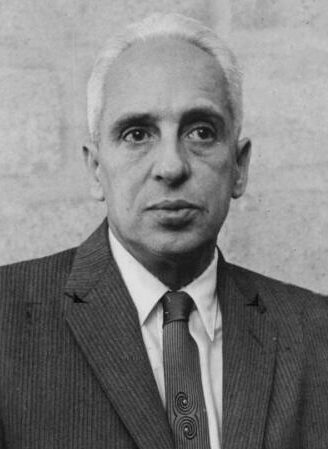 Severo Ochoa (1955)Spanish physician
