French Academy of Sciences
The French Academy of Sciences is a learned society, founded in 1666 by Louis XIV at the suggestion of Jean-Baptiste Colbert, to encourage and protect the spirit of French scientific research. Its headquarters are in Paris.
- Founded
- December 22, 1666
- Founded by
- Jean-Baptiste Colbert
- Headquarters
- Paris
- Industry
- public administration in healthcare and social services
- Country
- France
All 12 facts, and where they come from
Facts
12 facts · 0 confirmed by two sources · 4 cited · 8 from one source
Where this comes from
Papalocal keeps its own record. It started from these sources; what each one said is kept here as it was copied, so a change on their side never changes this page by itself. Tap one to read its version.
What Wikidata says · copied November 16, 2026 · revision 2567823415
- Described as
- learned society, founded in 1666 by Louis XIV at the suggestion of Jean-Baptiste Colbert, to encourage and protect the spirit of French scientific research
- Other names
- Académie des sciences, Academie des Sciences de l'Institut de France, Academie des sciences, Académie des sciences, Institut de France
- What it is
- academy of sciences · 1 reference; national academy; archives · 2 references
- Founded
- December 22, 1666 · 1 reference
- Founded by
- Jean-Baptiste Colbert
- Headquarters
- Paris · 1 reference
- Located in
- 6th arrondissement of Paris
- Country
- France · 1 reference
- Industry
- public administration in healthcare and social services · 1 reference
- Chair
- Jean Aubouin (1989–1990); Hubert Curien (2001–2002)
- Official website
- https://www.academie-sciences.fr/ · 1 reference
- Wikipedias with a page
- 62
Wikidata item Q188771 (wikidata.org/wiki/Q188771), public domain (CC0). Copied 2026-11-16.
What Wikipedia says · copied November 16, 2026 · revision 1380426365
The French Academy of Sciences (French: Académie des sciences [akademi de sjɑ̃s]) is a learned society, founded in 1666 by Louis XIV at the suggestion of Jean-Baptiste Colbert, to encourage and protect the spirit of French scientific research. It was at the forefront of scientific developments in Europe in the 17th and 18th centuries, and is one of the earliest Academies of Sciences.
Currently headed by Patrick Flandrin (President of the academy), it is one of the five Academies of the Institut de France.
From the Wikipedia article “French Academy of Sciences” (en.wikipedia.org/wiki/French_Academy_of_Sciences), by its contributors, under CC BY-SA 4.0 (creativecommons.org/licenses/by-sa/4.0/). Copied 2026-11-16; not changed.
Confirmed Two sources agree. Cited One source, and it names where it got it. One source One source, without a reference of its own. Sources disagree The sources disagree. We show the best-supported value and keep theirs below.
Picture: Wikimedia Commons: Institut France.jpg · See Commons file page
People connected 248
Members 245
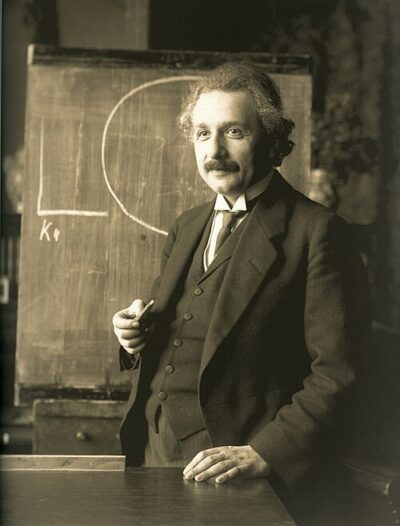 Albert Einstein (1933–)German-born theoretical physicist (1879–1955)
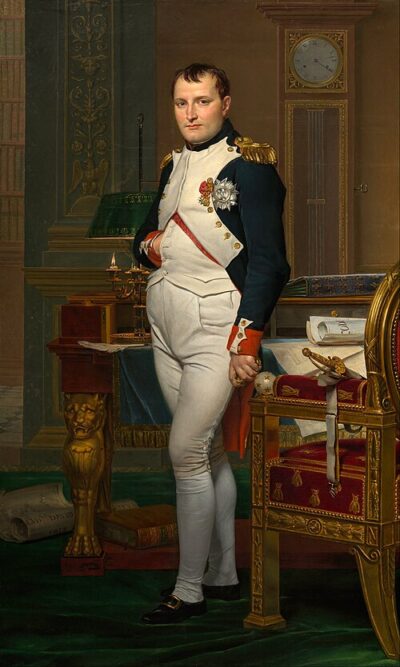 NapoleonFrench military leader, French Emperor 1804–1814 and again in 1815 (1769–1821)
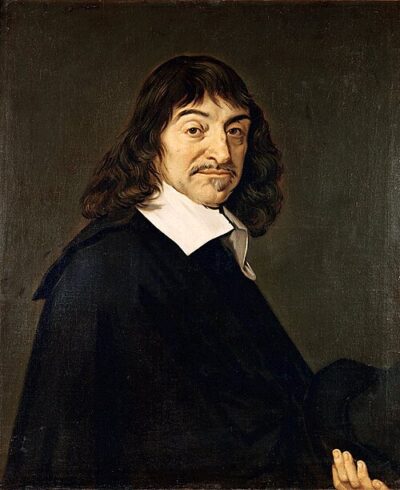 René DescartesFrench philosopher, mathematician, and scientist (1596–1650)
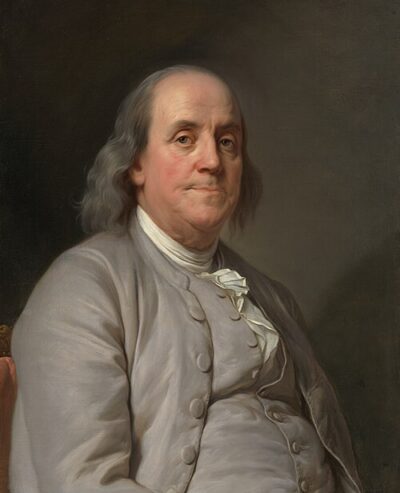 Benjamin FranklinAmerican polymath and statesman (1706–1790)
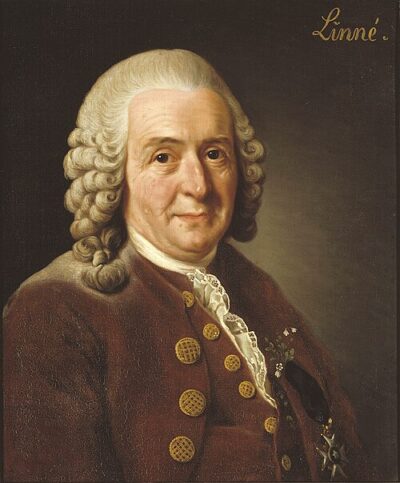 Carl LinnaeusSwedish botanist, physician, and zoologist (1707–1778); developed the foundations of modern taxonomy
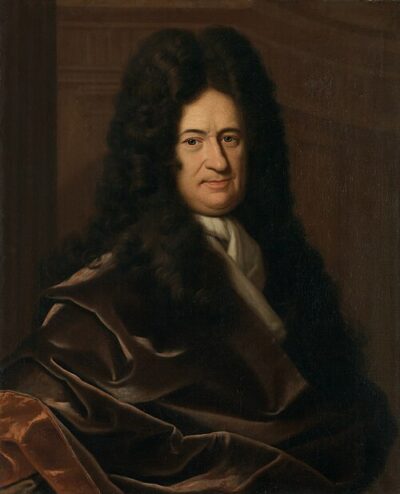 Gottfried Wilhelm Leibniz (1699–)German mathematician and philosopher (1646–1716)
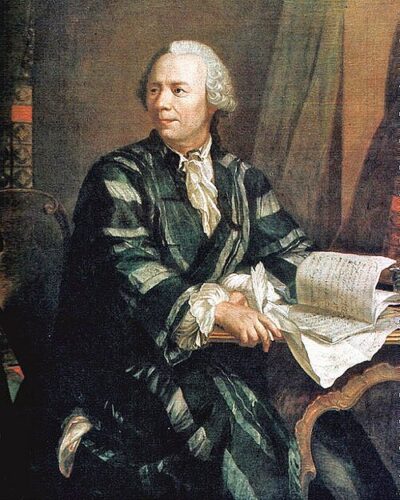 Leonhard Euler (1755–)Swiss mathematician, physicist, and engineer (1707–1783)
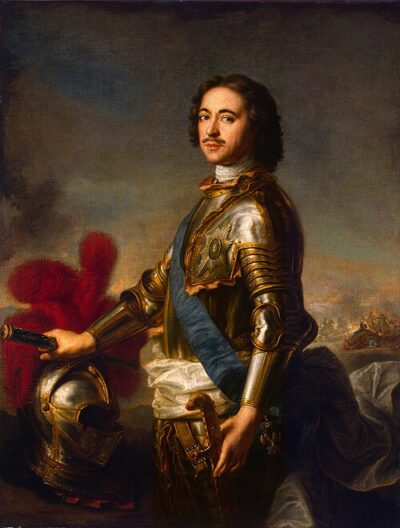 Peter the Great (1717–)Tsar/Emperor of Russia from 1682 to 1725
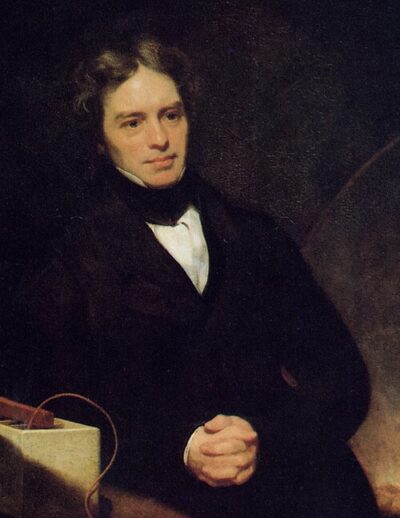 Michael FaradayBritish scientist (1791–1867)
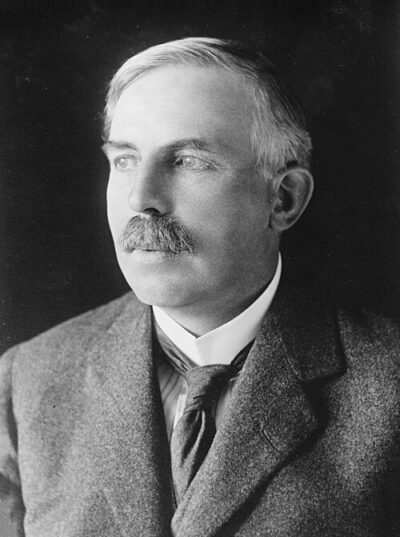 Ernest RutherfordNew Zealand physicist (1871–1937)
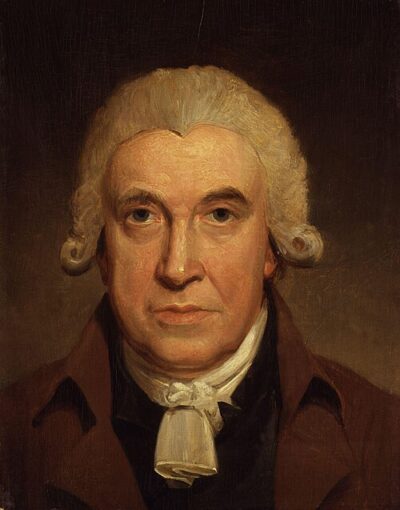 James Watt (1814–)British engineer (1736–1819)
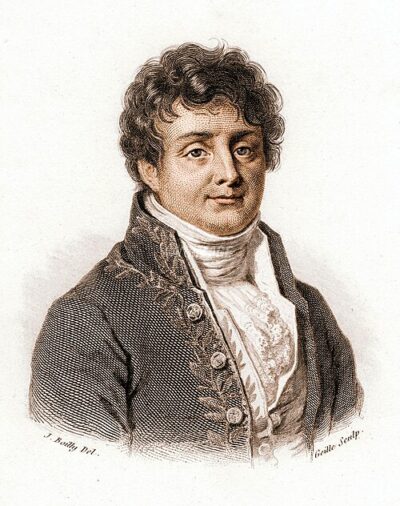 Joseph Fourier (1817–)French mathematician and physicist (1768 – 1830)
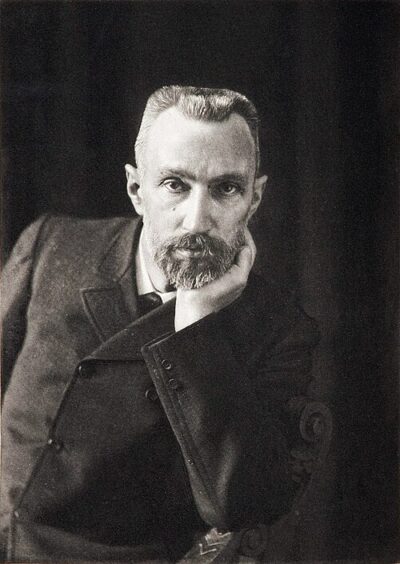 Pierre CurieFrench physicist and chemist (1859–1906)
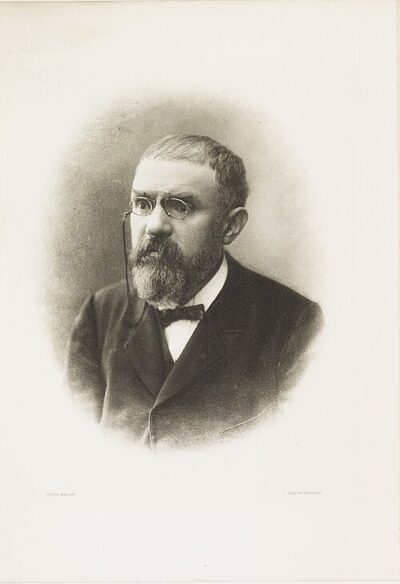 Henri Poincaré (1908–)French mathematician, physicist and engineer (1854–1912)
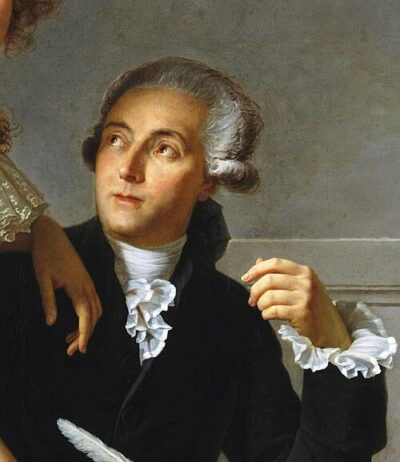 Antoine Lavoisier (1768–)French nobleman and chemist (1743–1794)
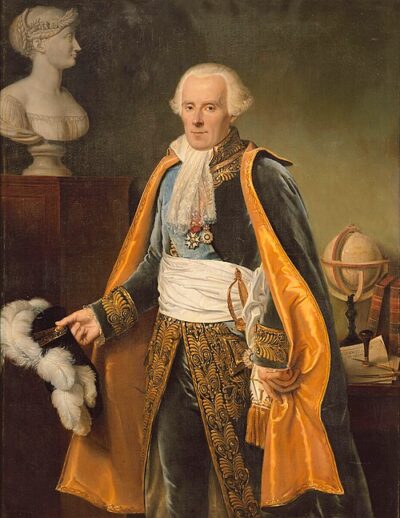 Pierre-Simon Laplace (1773–)French mathematician and astronomer (1749–1827)
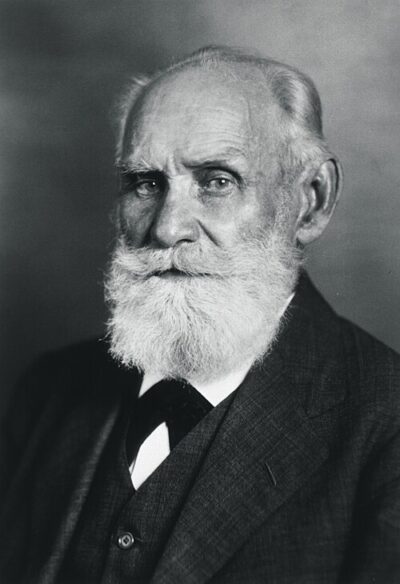 Ivan PavlovRussian physiologist (1849–1936)
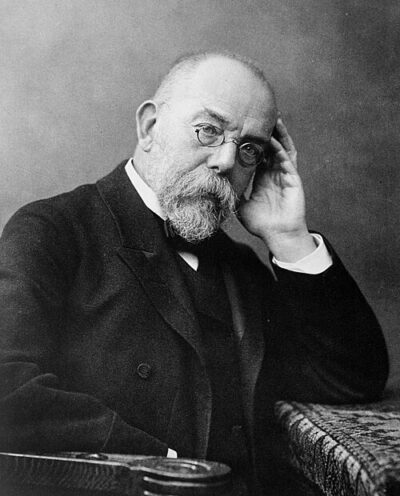 Robert KochGerman physician, bacteriologist (1843–1910)
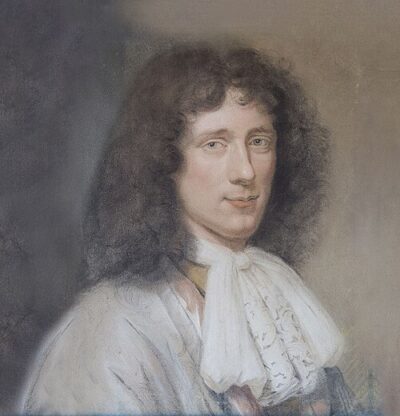 Christiaan Huygens (1666–)Dutch mathematician, physicist and astronomer (1629–1695)
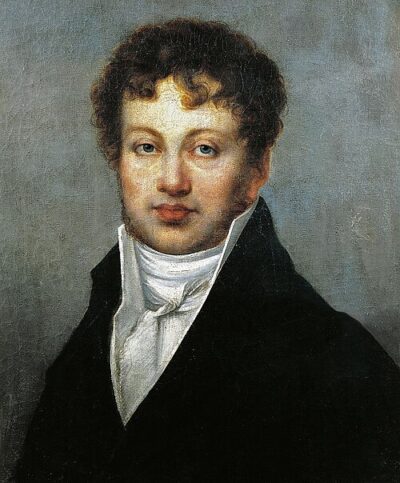 André-Marie Ampère (1814–)French physicist and mathematician (1775–1836)
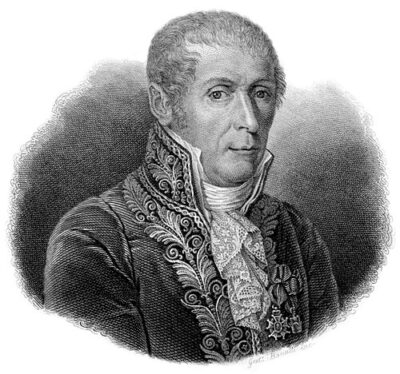 Alessandro VoltaItalian chemist and physicist (1745–1827)
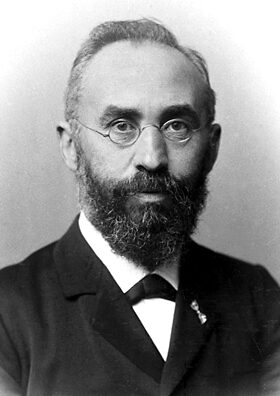 Hendrik LorentzDutch physicist (1853–1928)
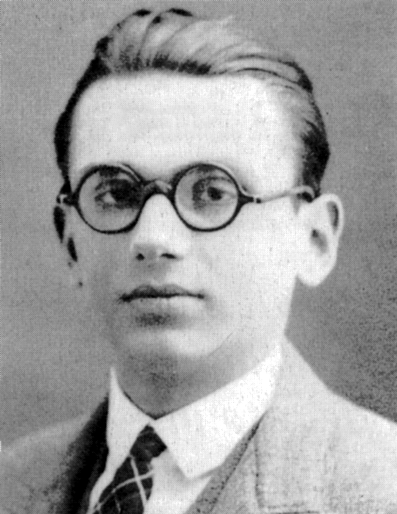 Kurt GödelAustrian-American logician, mathematician, and philosopher of mathematics (1906–1978)
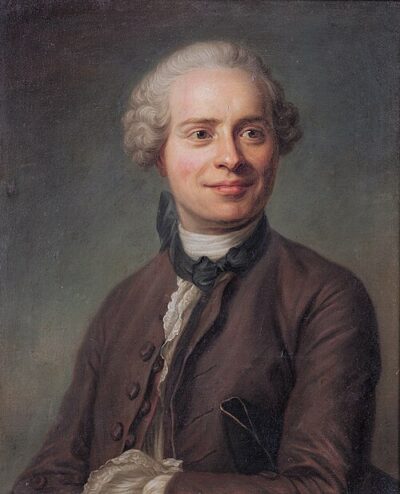 Jean Le Rond d'Alembert (1754–)French mathematician, mechanician, physicist, philosopher and music theorist (1717-1783)
and 221 more
Worked here
- Joseph Fourier (1817–1830)French mathematician and physicist (1768 – 1830)
- Pierre-Simon Laplace (1773–1793)French mathematician and astronomer (1749–1827)
- Christiaan Huygens (1666–1681)Dutch mathematician, physicist and astronomer (1629–1695)
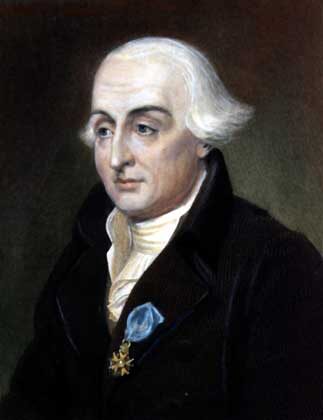 Joseph-Louis Lagrange (1787–1793)Mathematician and astronomer (1736–1813)
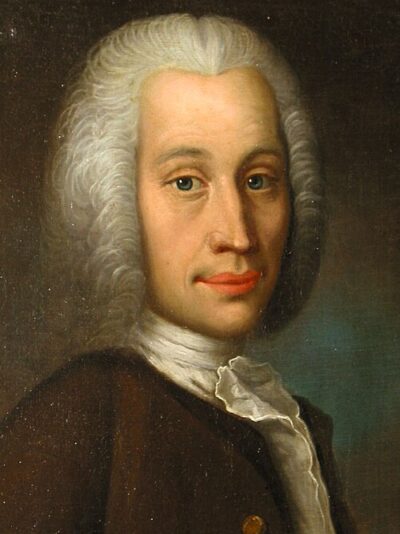 Anders Celsius (1735–1737)Swedish astronomer, physicist, and naturalist (1701-1744)
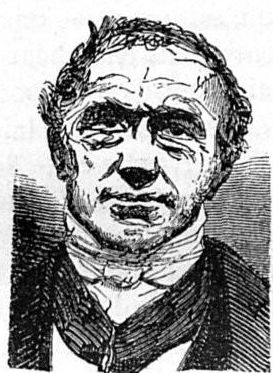 Adrien-Marie Legendre (1783–1824)French mathematician (1752–1833)
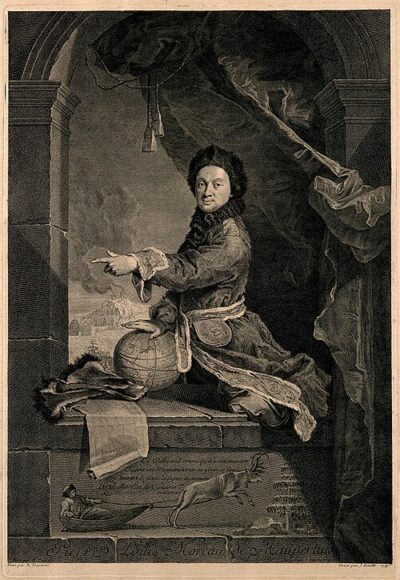 Pierre-Louis Moreau de Maupertuis (1723–1745)French mathematician, philosopher and man of letters
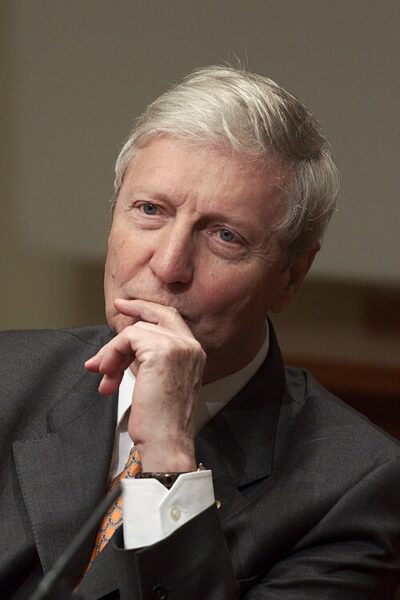 Jules A. HoffmannFrench biologist
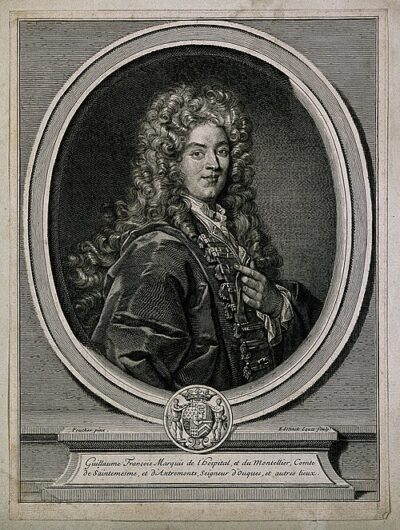 Guillaume de l'HôpitalFrench noble and mathematician (*1661 – †1704)
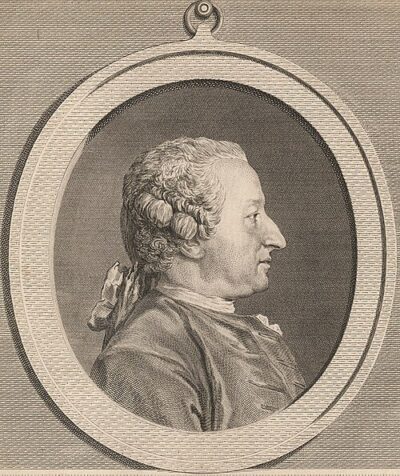 Alexis Clairaut (1729–)French mathematician, astronomer, and geophysicist (*1713 – †1765)