
Gruber Prize in Cosmology
Gruber Prize in Cosmology is a science award. It was created in 2000. It is given by the International Astronomical Union.
- Given by
- International Astronomical Union
- Country
- United States
- Field
- cosmology
- Created
- 2000
All 6 facts, and where they come from
Facts
6 facts · 0 confirmed by two sources · 0 cited · 6 from one source
Where this comes from
Papalocal keeps its own record. It started from these sources; what each one said is kept here as it was copied, so a change on their side never changes this page by itself. Tap one to read its version.
What Wikidata says · copied November 16, 2026 · revision 2549779309
- Described as
- award
- Other names
- Gruber Cosmology Prize
- What it is
- science award
- Created
- 2000
- Country
- United States
- Given by
- International Astronomical Union
- Field
- cosmology
- Official website
- http://gruber.yale.edu/ · 1 reference
- Wikipedias with a page
- 13
Wikidata item Q1483071 (wikidata.org/wiki/Q1483071), public domain (CC0). Copied 2026-11-16.
What Wikipedia says · copied November 16, 2026 · revision 1379055512
The Gruber Prize in Cosmology, established in 2000, is one of three prestigious international awards worth US$500,000 awarded by the Gruber Foundation, a non-profit organization based at Yale University in New Haven, Connecticut.
Since 2001, the Gruber Prize in Cosmology has been co-sponsored by the International Astronomical Union.
Recipients are selected by a panel from nominations that are received from around the world.
The Gruber Foundation Cosmology Prize honors a leading cosmologist, astronomer, astrophysicist or scientific philosopher for theoretical, analytical or conceptual discoveries leading to fundamental advances in the field. The Foundation also award prizes in genetics and neuroscience.
From the Wikipedia article “Gruber Prize in Cosmology” (en.wikipedia.org/wiki/Gruber_Prize_in_Cosmology), by its contributors, under CC BY-SA 4.0 (creativecommons.org/licenses/by-sa/4.0/). Copied 2026-11-16; not changed.
Confirmed Two sources agree. Cited One source, and it names where it got it. One source One source, without a reference of its own. Sources disagree The sources disagree. We show the best-supported value and keep theirs below.
People connected 12
Won it
 Sandra Faber (2017)American astrophysicist
 Kip S. Thorne (2016)American physicist (born 1940)
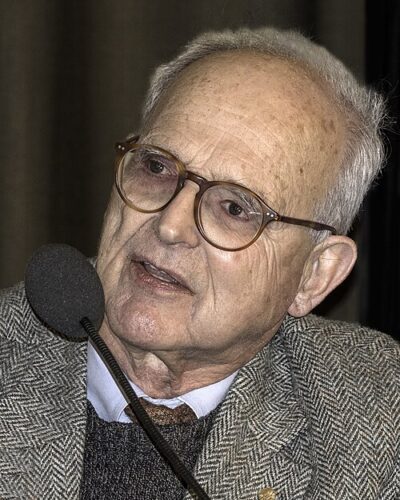 Rainer Weiss (2016)American physicist (1932–2025)
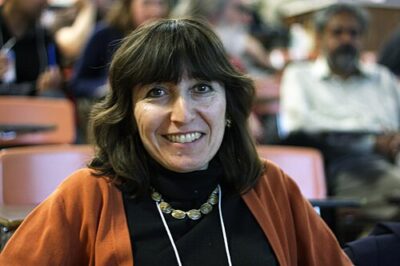 Wendy Freedman (2009)Canadian-American astronomer
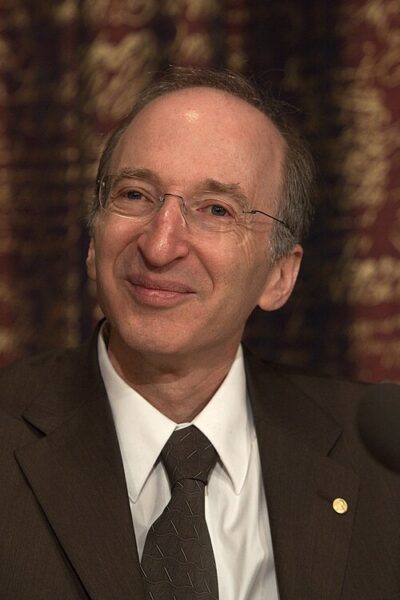 Saul Perlmutter (2007)American astrophysicist and Nobel laureate
 Brian Schmidt (2007)American-born Australian astrophysicist
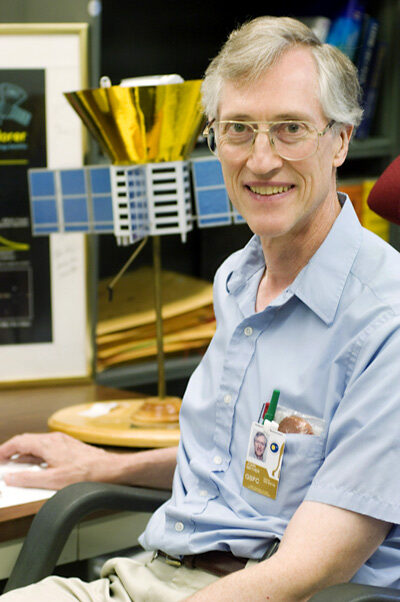 John C. Mather (2006)American astrophysicist and cosmologist
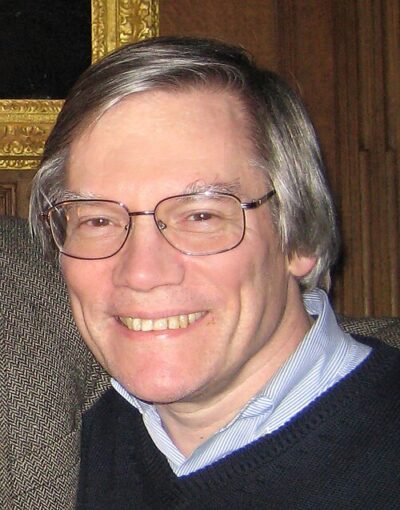 Alan Guth (2004)American theoretical physicist and cosmologist
 Andrei Linde (2004)Russian-born American theoretical physicist
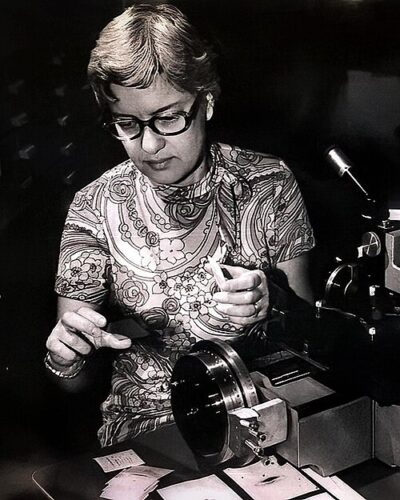 Vera Rubin (2002)American astronomer and physicist (1928-2016)
 Jim Peebles (2000)Canadian-American astronomer & Nobel Laureate in Physics
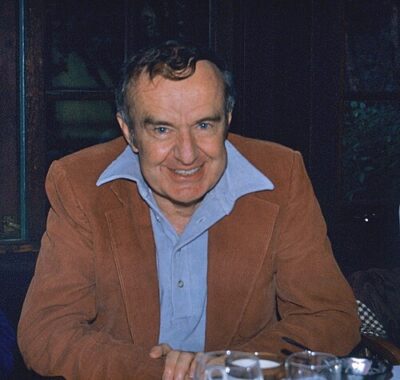 Allan Sandage (2000)American astronomer (1926-2010)
