Hellenic Army
The Hellenic Army is a land warfare branch of Greece's military. It was founded in 1821. Its headquarters are in Athens. It has 86,150 employees (2013).
- Founded
- 1821
- Headquarters
- Athens
- Employees
- 86,150 (2013)
- Country
- Greece
All 7 facts, and where they come from
Facts
7 facts · 0 confirmed by two sources · 0 cited · 6 from one source · 1 where the sources disagree
What’s different
- Founded: we show 1821 (Sources disagree). Wikidata also lists 1828
Where this comes from
Papalocal keeps its own record. It started from these sources; what each one said is kept here as it was copied, so a change on their side never changes this page by itself. Tap one to read its version.
What Wikidata says · copied November 18, 2026 · revision 2545481870
- Described as
- land warfare branch of Greece's military
- Other names
- Greek Army, ar Greece, army of Greece, ES
- What it is
- army
- Founded
- 1821; 1828
- Headquarters
- Athens
- Country
- Greece
- Employees
- 86,150 (2013)
- Part of
- Hellenic Armed Forces
- Official website
- http://www.army.gr/
- Wikipedias with a page
- 24
Wikidata item Q1546449 (wikidata.org/wiki/Q1546449), public domain (CC0). Copied 2026-11-18.
What Wikipedia says · copied November 18, 2026 · revision 1377961957
The Hellenic Army (Greek: Ελληνικός Στρατός, romanized: Ellinikós Stratós, sometimes abbreviated as ΕΣ), formed in 1828, is the land force of Greece. The term Hellenic is the endogenous synonym for Greek. The Hellenic Army is the largest of the three branches of the Hellenic Armed Forces, also constituted by the Hellenic Air Force (HAF) and the Hellenic Navy (HN). The army is commanded by the chief of the Hellenic Army General Staff (HAGS), which in turn is under the command of Hellenic National Defence General Staff (HNDGS).
The motto of the Hellenic Army is Ἐλεύθερον τὸ Εὔψυχον (Eleftheron to Efpsychon) 'Freedom stems from valour', from Thucydides's History of the Peloponnesian War (2.43.4), a remembrance of the ancient warriors that defended Greek lands in old times. The Hellenic Army Emblem is the two-headed eagle with a Greek Cross escutcheon in the centre.
The Hellenic Army is also the main contributor to, and lead nation of, the Balkan Battle Group, a combined-arms rapid-response force under the EU Battlegroup structure.
From the Wikipedia article “Hellenic Army” (en.wikipedia.org/wiki/Hellenic_Army), by its contributors, under CC BY-SA 4.0 (creativecommons.org/licenses/by-sa/4.0/). Copied 2026-11-18; not changed.
Confirmed Two sources agree. Cited One source, and it names where it got it. One source One source, without a reference of its own. Sources disagree The sources disagree. We show the best-supported value and keep theirs below.
People connected 13
Military branch
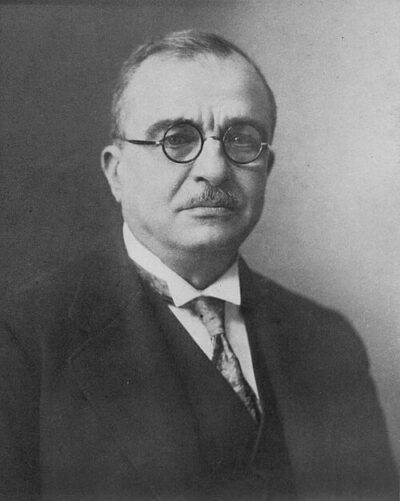 Ioannis MetaxasGreek military officer and politician (1871–1941)
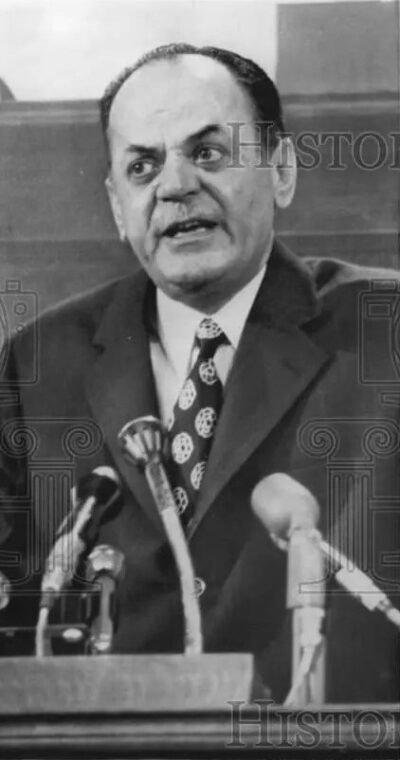 Georgios Papadopoulos (1937–1967)dictator of Greece from 1967 to 1973 (1919–1999)
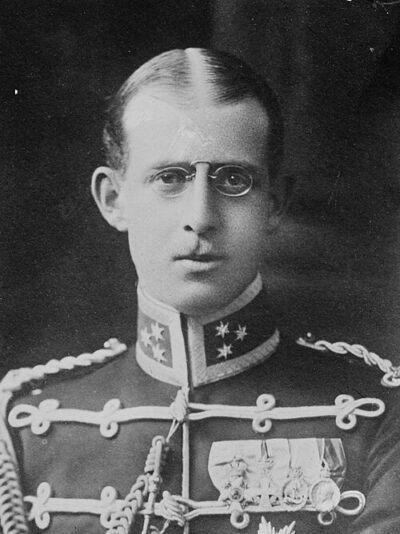 Prince Andrew of Greece and DenmarkGreek prince; father of Prince Philip, Duke of Edinburgh, grandfather Charles III (1882-1944)
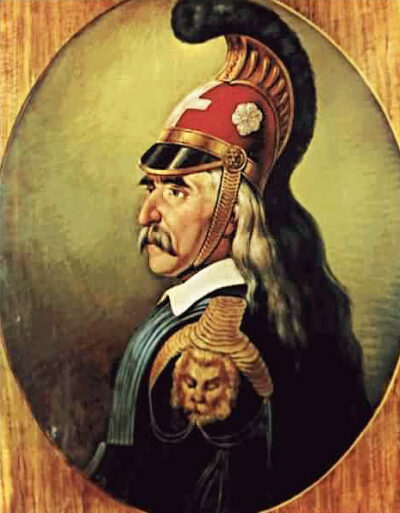 Theodoros KolokotronisGreek general (1770–1843)
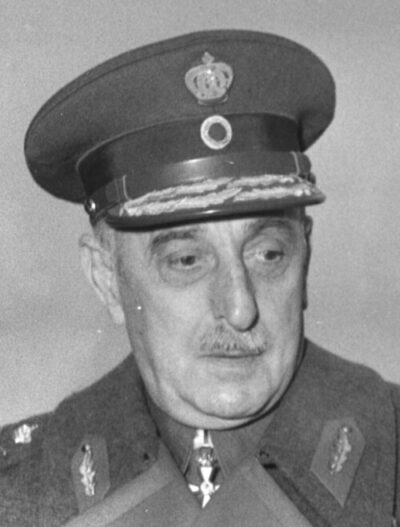 Alexandros PapagosGreek military leader and politician (1883-1955)
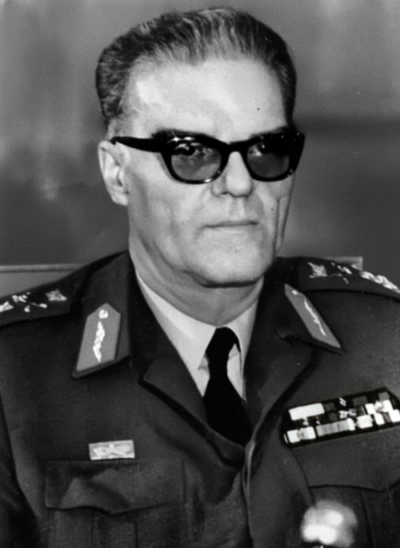 Phaedon GizikisGreek politician, former president of the Hellenic Republic (1917–1999)
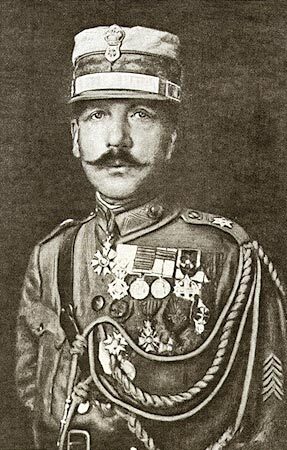 Theodoros PangalosGreek military and politician (1878-1952)
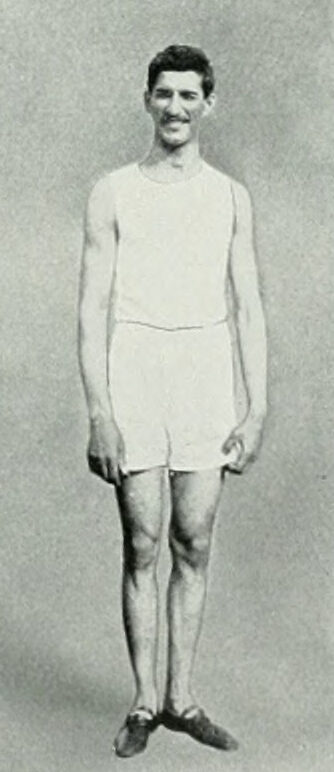 Konstantinos Tsiklitirasathletics competitor (1888-1913)
- GGeorgios TsolakoglouGreek army officer and collaborationist prime minister (1886-1948)
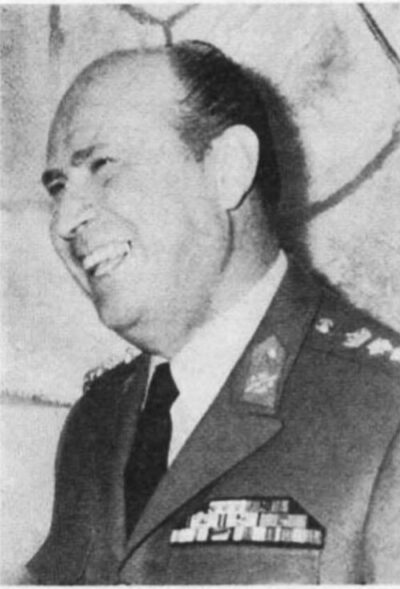 Dimitrios IoannidisGreek military officer (1923–2010), dictator of Greece from 1973 to 1974
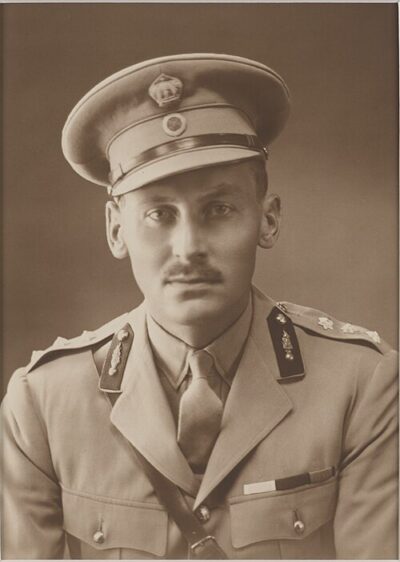 Prince Peter of Greece and Denmarkanthropologist, specialising in Tibetan beliefs and customs
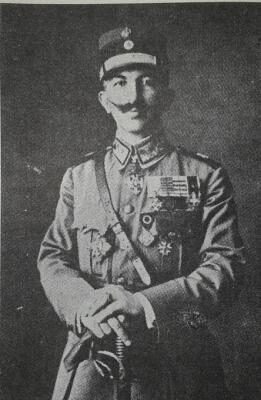 Nikolaos TrikoupisGreek general and politician