
honorary citizen of the United States
Honorary citizen of the United States is a Title of honor conferred by either the United States Congress or the President of the United States. It was created in 1963.
- Given by
- United States Congress
- Country
- United States
- Created
- 1963
All 5 facts, and where they come from
Facts
5 facts · 0 confirmed by two sources · 0 cited · 5 from one source
Where this comes from
Papalocal keeps its own record. It started from these sources; what each one said is kept here as it was copied, so a change on their side never changes this page by itself. Tap one to read its version.
What Wikidata says · copied November 16, 2026 · revision 2569031655
- Described as
- Title of honor conferred by either the United States Congress or the President of the United States
- What it is
- award
- Created
- 1963 · 1 reference
- Country
- United States
- Given by
- United States Congress; President of the United States · 1 reference
- Wikipedias with a page
- 19
Wikidata item Q494273 (wikidata.org/wiki/Q494273), public domain (CC0). Copied 2026-11-16.
What Wikipedia says · copied November 16, 2026 · revision 1380684746
A person of exceptional merit who is not a United States citizen may be declared an honorary citizen of the United States by an Act of Congress or by a proclamation issued by the U.S. president, pursuant to authorization granted by the U.S. Congress.
Eight people have been so honored: six posthumously, and two, Sir Winston Churchill and Mother Teresa, during their lifetimes. For the Marquis de Lafayette and Mother Teresa, the honor was proclaimed directly by an Act of Congress. In the other cases, an Act of Congress was passed authorizing the President to grant honorary citizenship by proclamation. What rights and privileges honorary citizenship bestows, if any, are unclear. According to U.S. Department of State documents, it does not grant eligibility for U.S. passports.
Despite widespread belief that Lafayette received honorary citizenship of the United States before Churchill, he did not receive honorary citizenship until 2002. Lafayette did become a natural-born citizen during his lifetime. On December 28, 1784, the Maryland General Assembly passed a resolution stating that Lafayette and his male heirs "forever shall be...natural born Citizens" of that U.S. state. This made him a natural-born citizen of the United States under the Articles of Confederation and as defined in Section 1 of Article Two of the United States Constitution.
Lafayette boasted in 1792 that he had become an American citizen before the French Revolution created the concept of French citizenship. In 1803, President Thomas Jefferson wrote that he would have offered to make Lafayette Governor of Louisiana, had he been "on the spot". In 1932, descendant René de Chambrun established his American citizenship based on the Maryland resolution, although he was probably ineligible for the distinction, as the inherited citizenship was likely only intended for direct descendants who were heir to Lafayette's estate and title. The Board of Immigration Appeals ruled in 1955 that "it is possible to argue" that Lafayette and living male heirs became American citizens when the U.S. Constitution became effective on March 4, 1789, but that heirs born later were not U.S. citizens.
Honorary citizenship should not be confused with citizenship or permanent residency bestowed by a private bill. Private bills are, on rare occasions, used to provide relief to individuals, often in immigration cases, and are also passed by Congress and signed into law by the president. One such statute, granting Elián González U.S. citizenship, was suggested in 1999 but never enacted.
From the Wikipedia article “Honorary citizen of the United States” (en.wikipedia.org/wiki/Honorary_citizen_of_the_United_States), by its contributors, under CC BY-SA 4.0 (creativecommons.org/licenses/by-sa/4.0/). Copied 2026-11-16; not changed.
Confirmed Two sources agree. Cited One source, and it names where it got it. One source One source, without a reference of its own. Sources disagree The sources disagree. We show the best-supported value and keep theirs below.
People connected 7
Won it
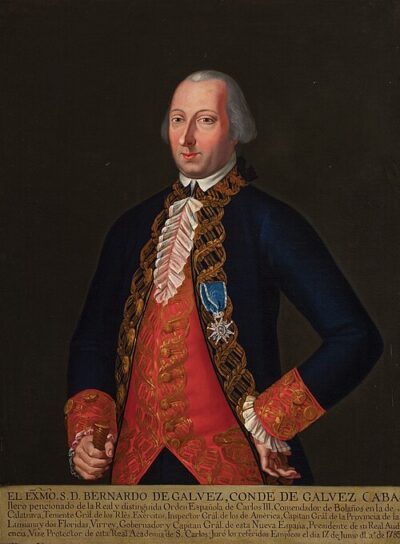 Bernardo de Gálvez (2014)Spanish colonial administrator (1746-1786)
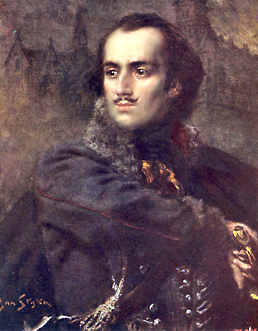 Casimir Pulaski (2009)Polish nobleman, general in the American Revolutionary War
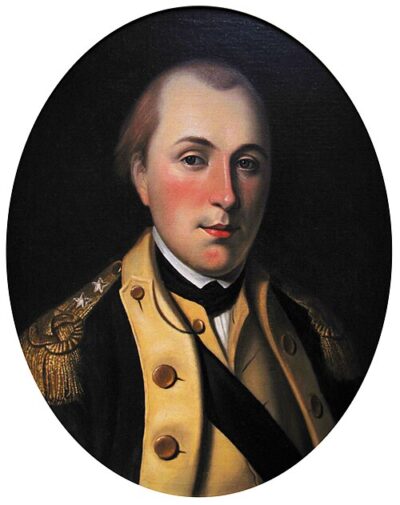 Gilbert du Motier, Marquis de Lafayette (2002)French general and politician (1757–1834)
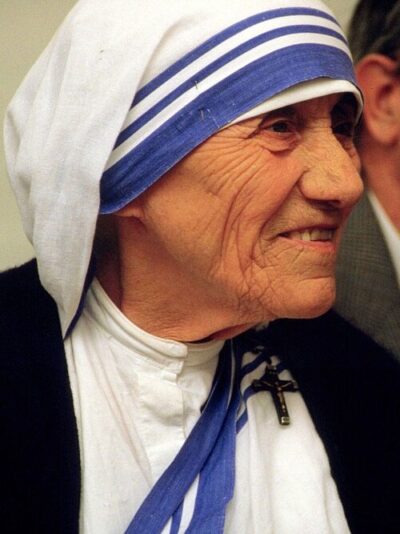 Mother Teresa (1996)Albanian-Indian Catholic nun and missionary (1910–1997)
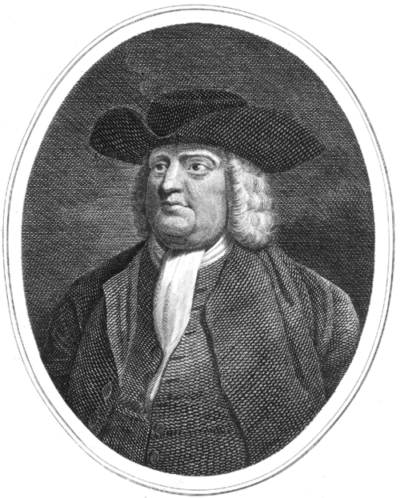 William Penn (1984)English real estate entrepreneur, philosopher, early Quaker and founder of the Province of Pennsylvania (1644-1718)
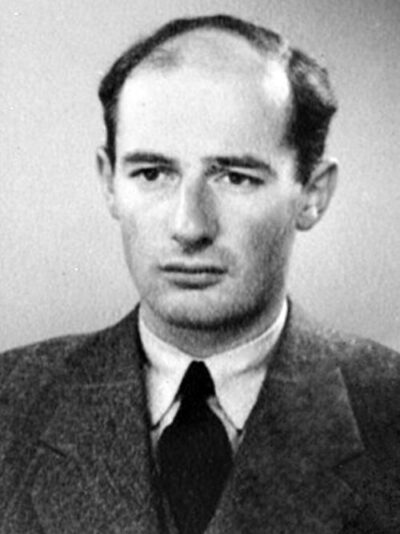 Raoul Wallenberg (1981)Swedish architect, businessman, diplomat and humanitarian (1912-1947)
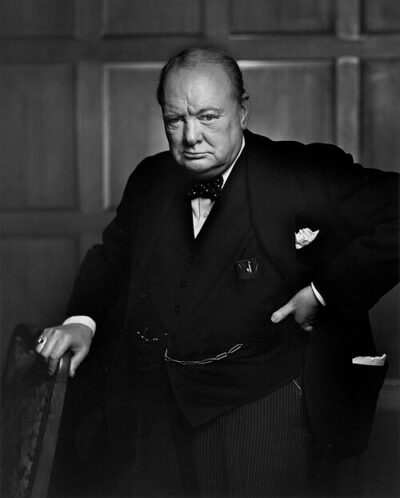 Winston Churchill (1963)British statesman, soldier and writer (1874–1965)
