
President of the United States
The President of the United States is a head of state and head of government of the United States of America. It was created in 1787.
- Office of
- United States
- Country
- United States
- Created
- April 30, 1787
All 5 facts, and where they come from
Facts
5 facts · 0 confirmed by two sources · 3 cited · 2 from one source
Where this comes from
Papalocal keeps its own record. It started from these sources; what each one said is kept here as it was copied, so a change on their side never changes this page by itself. Tap one to read its version.
What Wikidata says · copied November 16, 2026 · revision 2568110477
- Described as
- head of state and head of government of the United States of America
- Other names
- US President, President of the US, the president of the United States, President of America, president of United States, POTUS, President of the U.S., President of USA, President of the United States of America, United States President, President of the USA, American President
- What it is
- elective office · 1 reference; role
- Created
- April 30, 1787
- Country
- United States · 1 reference
- Office of
- United States · 1 reference
- Wikipedias with a page
- 144
Wikidata item Q11696 (wikidata.org/wiki/Q11696), public domain (CC0). Copied 2026-11-16.
What Wikipedia says · copied November 16, 2026 · revision 1385993885
The president of the United States (POTUS) is the head of state and head of government of the United States. The president directs the executive branch of the federal government and is the commander-in-chief of the United States Armed Forces.
The power of the presidency has grown since the first president, George Washington, took office in 1789. While presidential power has ebbed and flowed over time, the presidency has played an increasing role in American political life since the beginning of the 20th century, carrying over into the 21st century with some expansions during the presidencies of Franklin D. Roosevelt and George W. Bush. In the 21st century, the president is one of the world's most powerful political figures and the leader of a superpower. As the leader of the nation with the largest economy by nominal GDP, the president possesses significant domestic and international hard and soft power. For much of the 20th century, especially during the Cold War, the U.S. president was often called "the leader of the free world".
Article II of the Constitution establishes the executive branch of the federal government and vests executive power in the president. The power includes the execution and enforcement of federal law and the responsibility to appoint federal executive, diplomatic, regulatory, and judicial officers. Based on constitutional provisions empowering the president to appoint and receive ambassadors and conclude treaties with foreign powers, and on subsequent laws enacted by Congress, the modern presidency has primary responsibility for conducting U.S. foreign policy. The role includes responsibility for directing the world's most expensive military, which has the second-largest nuclear arsenal.
The president also plays a leading role in federal legislation and domestic policymaking. As part of the system of separation of powers, Article I, Section 7 of the Constitution gives the president the power to sign or veto federal legislation. Since modern presidents are typically viewed as leaders of their political parties, major policymaking is significantly shaped by the outcome of presidential elections, with presidents taking an active role in promoting their policy priorities to members of Congress who are often electorally dependent on the president. Over time, presidents have also made increasing use of executive orders, agency regulations, and judicial appointments to shape domestic policy.
The president is elected through the Electoral College to a four-year term, along with the vice president. Under the Twenty-second Amendment, ratified in 1951, no person who has been elected to two presidential terms may be elected to a third. In addition, nine vice presidents have become president by virtue of a president's intra-term death or resignation. In all, 45 individuals have served, or are serving, 47 presidencies as of the current 60th four-year term. Donald Trump is the 47th and current president since January 20, 2025.
From the Wikipedia article “President of the United States” (en.wikipedia.org/wiki/President_of_the_United_States), by its contributors, under CC BY-SA 4.0 (creativecommons.org/licenses/by-sa/4.0/). Copied 2026-11-16; not changed.
Confirmed Two sources agree. Cited One source, and it names where it got it. One source One source, without a reference of its own. Sources disagree The sources disagree. We show the best-supported value and keep theirs below.
Picture: Daniel Torok, via Wikimedia Commons · Public domain
People connected 45
Held this office 45
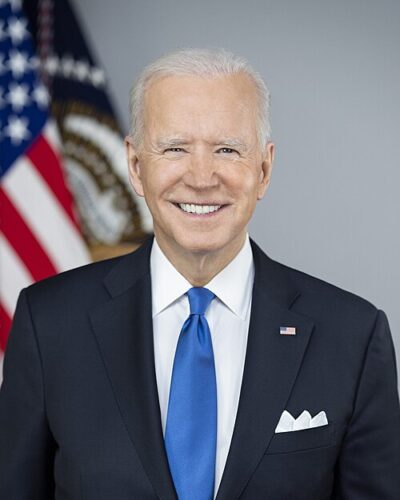 Joe Biden (2021–2025)46th President of the United States (2021–2025)
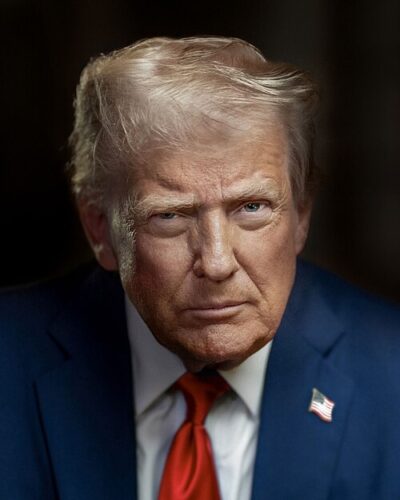
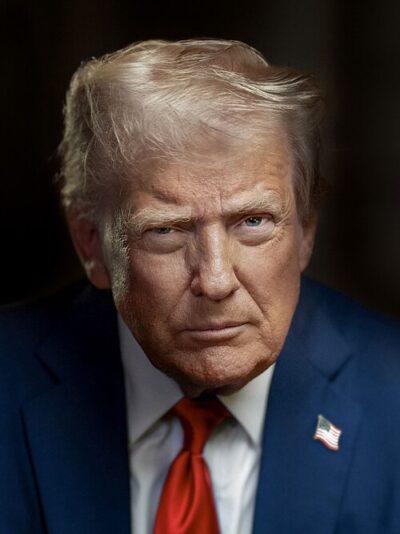 Donald Trump (2017–)President of the United States (2017–2021; since 2025)
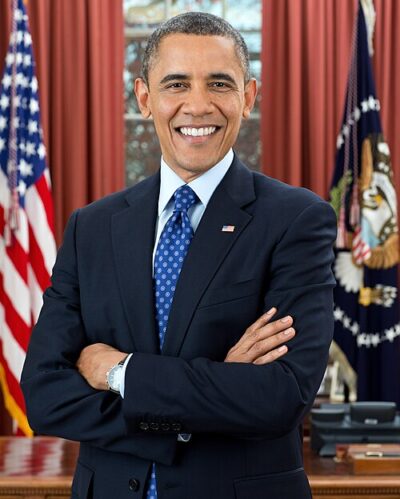 Barack Obama (2009–2017)44th President of the United States (2009–2017)
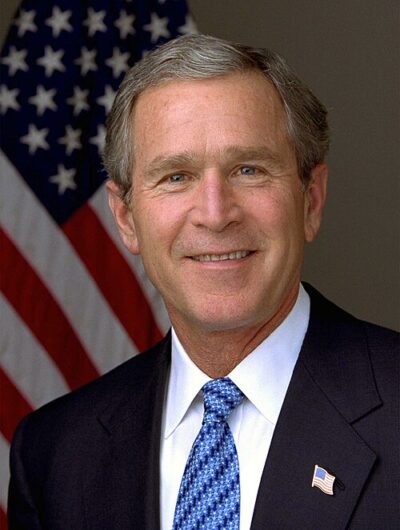 George W. Bush (2001–2009)43rd President of the United States (2001–2009)
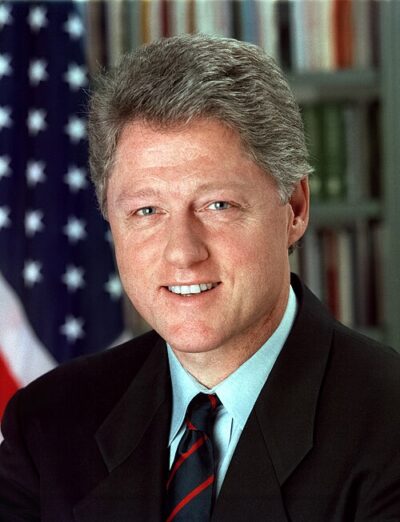 Bill Clinton (1993–2001)42nd President of the United States (1993–2001)
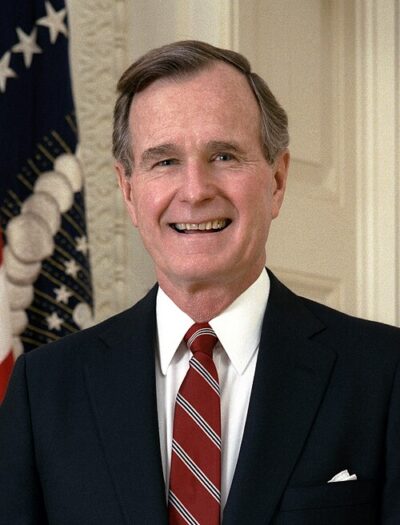 George H. W. Bush (1989–1993)41st President of the United States (1989–1993)
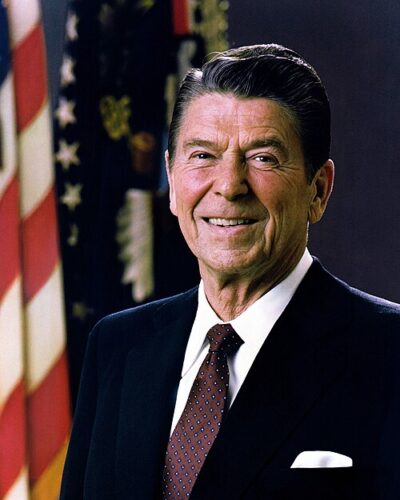 Ronald Reagan (1981–1989)president of the United States from 1981 to 1989 and actor (1911–2004)
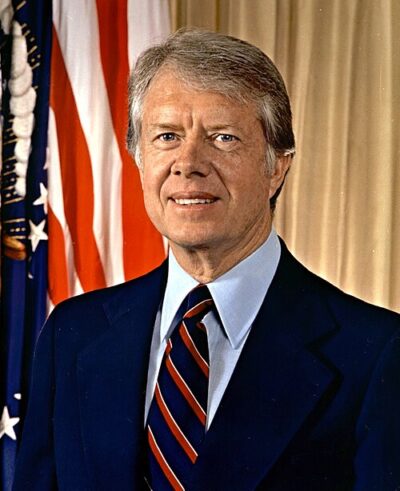 Jimmy Carter (1977–1981)president of the United States from 1977 to 1981 (1924–2024)
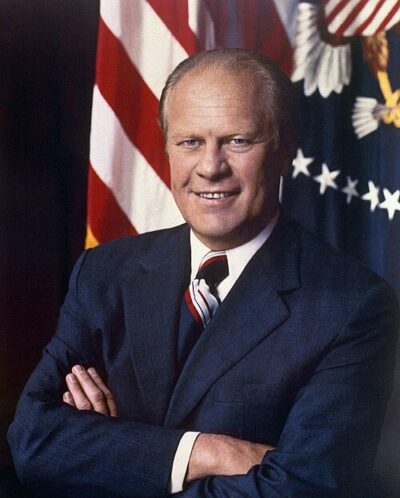 Gerald Ford (1974–1977)president of the United States from 1974 to 1977 (1913–2006)
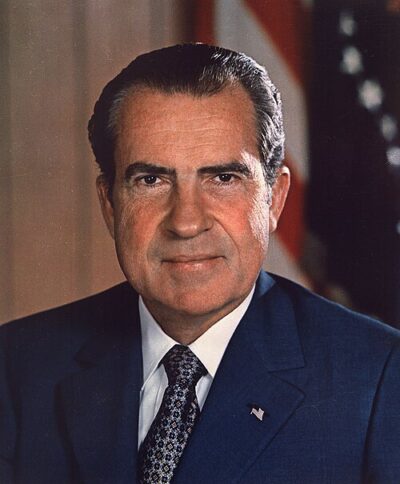 Richard Nixon (1969–1974)president of the United States from 1969 to 1974 (1913–1994)
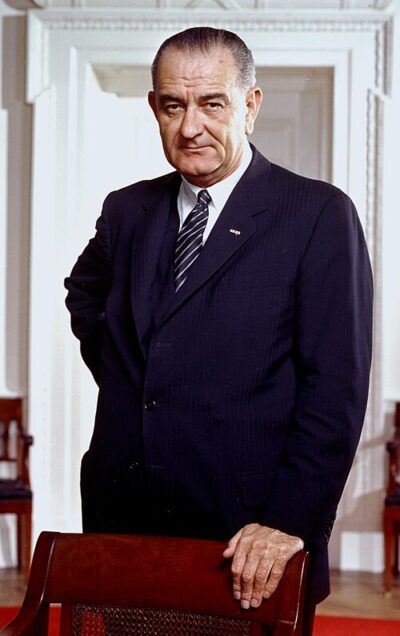 Lyndon B. Johnson (1963–1969)president of the United States from 1963 to 1969 (1908–1973)
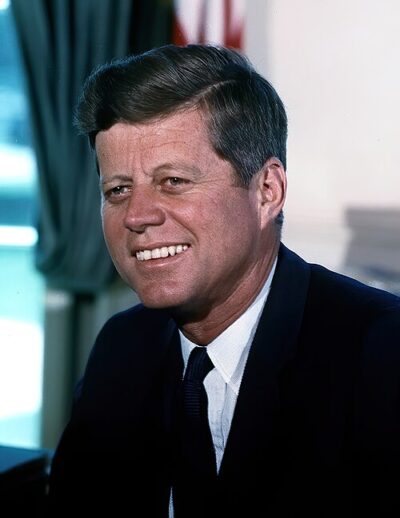 John F. Kennedy (1961–1963)president of the United States from 1961 to 1963 (1917–1963)
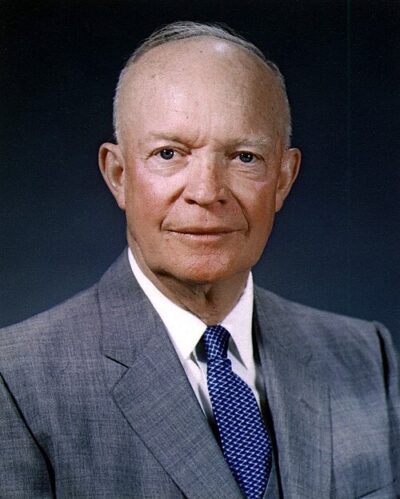 Dwight D. Eisenhower (1953–1961)president of the United States from 1953 to 1961 (1890–1969)
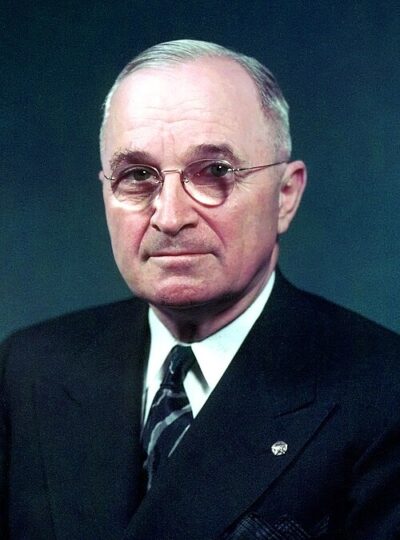 Harry S. Truman (1945–1953)president of the United States from 1945 to 1953; politician (1884–1972)
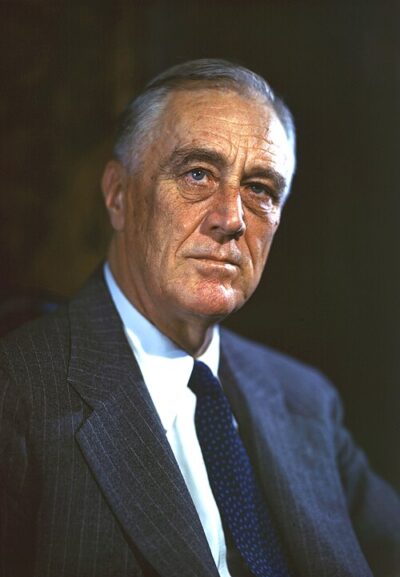 Franklin Delano Roosevelt (1933–1945)president of the United States from 1933 to 1945 (1882–1945)
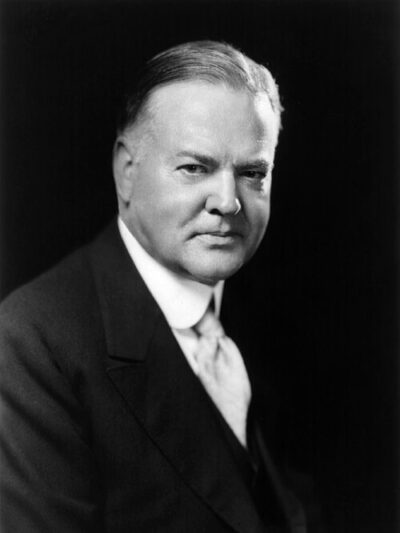 Herbert Hoover (1929–1933)president of the United States from 1929 to 1933 (1874–1964)
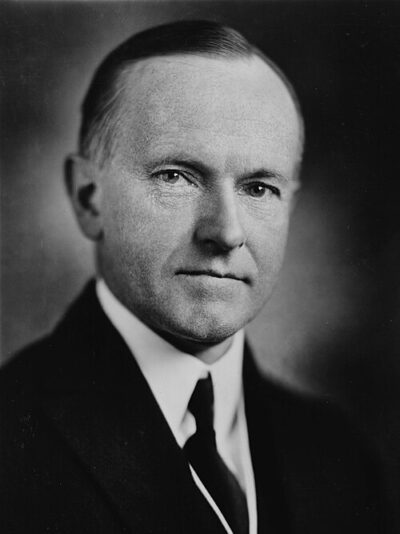 Calvin Coolidge (1923–1929)president of the United States from 1923 to 1929
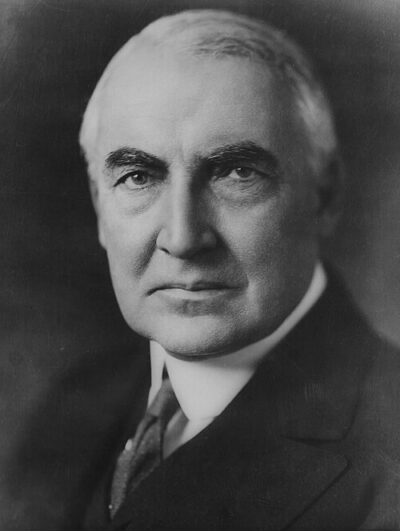 Warren G. Harding (1921–1923)president of the United States from 1921 to 1923
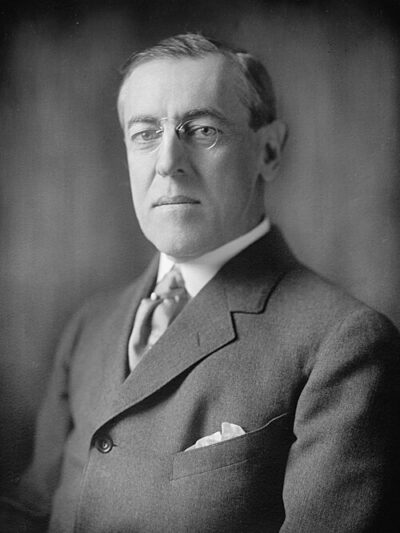 Woodrow Wilson (1913–1921)28th President of the United States (1913–1921)
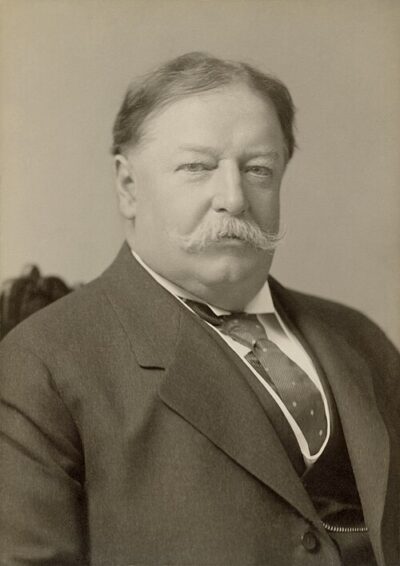 William Howard Taft (1909–1913)27th President of the United States from 1909 to 1913 (1857–1930)
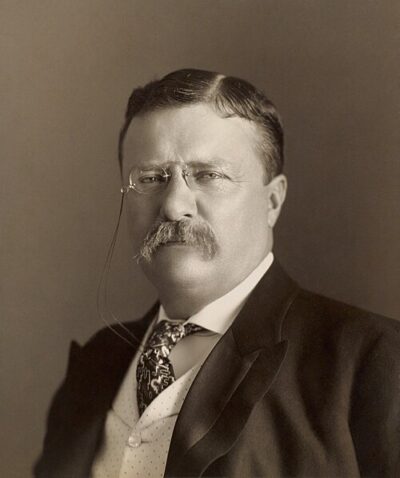 Theodore Roosevelt (1901–1909)26th President of the United States from 1901 to 1909 (1858–1919)
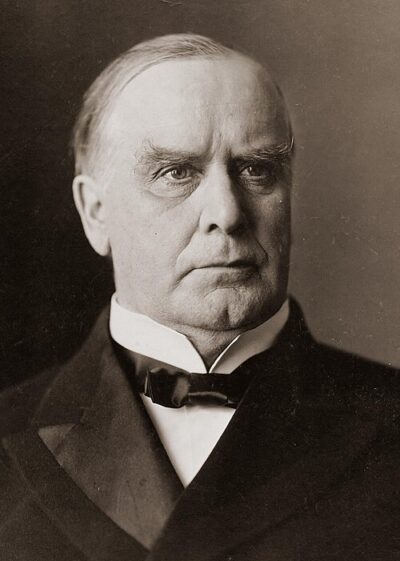 William McKinley (1897–1901)president of the United States from 1897 to 1901 (1843–1901)
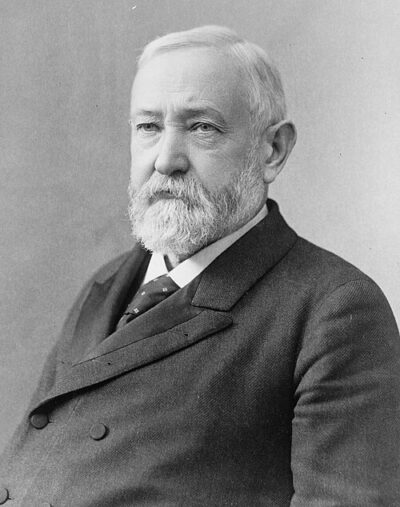 Benjamin Harrison (1889–1893)President of the United States from 1889–1893 (1833–1901)
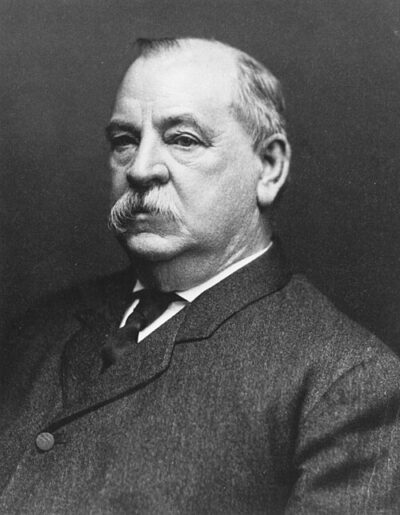 Grover Cleveland (1885–1897)22nd & 24th President of the United States (1885–1889; 1893–1897)
and 21 more
