

International Workingmen's Association
The International Workingmen's Association is a (First International) socialist political international (1864–1876). It was founded by George Odger, Henri Tolain and Edward Spencer Beesly. Its headquarters are in London.
- Founded
- September 28, 1864
- Founded by
- George Odger
- Headquarters
- London (–1873)
All 8 facts, and where they come from
Facts
8 facts · 0 confirmed by two sources · 1 cited · 7 from one source
Where this comes from
Papalocal keeps its own record. It started from these sources; what each one said is kept here as it was copied, so a change on their side never changes this page by itself. Tap one to read its version.
What Wikidata says · copied November 16, 2026 · revision 2569168871
- Described as
- (First International) socialist political international (1864–1876)
- Other names
- First International
- What it is
- political international; organization · 1 reference
- Founded
- September 28, 1864 · 1 reference
- Ended
- 1876
- Founded by
- George Odger · 1 reference; Henri Tolain · 1 reference; Edward Spencer Beesly · 1 reference
- Headquarters
- London (–1873) · 1 reference
- Wikipedias with a page
- 64
Wikidata item Q183725 (wikidata.org/wiki/Q183725), public domain (CC0). Copied 2026-11-16.
What Wikipedia says · copied November 16, 2026 · revision 1385566919
The International Workingmen's Association (IWA), commonly known as the First International, was a political international which aimed to unite a variety of left-wing political groups and trade union organizations based on the working class and class struggle. It was founded in 1864 at a workers' meeting in St Martin's Hall, London, and its first congress was held in 1866 in Geneva.
The IWA's history was characterized by internal conflicts between different socialist and anarchist factions. The initial ideological struggle was between the communists or Marxists, centred around Karl Marx on the General Council, and the mutualists or followers of Pierre-Joseph Proudhon. The communists successfully displaced the mutualists as the dominant ideological trend at the Brussels Congress in 1868. The rise of Mikhail Bakunin's collectivist anarchist faction in the late 1860s led to a more intense conflict over the role of the state and political action in achieving socialism. The organization reached its peak following the Paris Commune of 1871, which was celebrated and defended by the International in Marx's influential address, The Civil War in France. The bloody suppression of the Commune, however, led to a period of harsh government repression against the IWA.
The internal divisions culminated in a definitive split at the Hague Congress in 1872, where Bakunin and his ally James Guillaume were expelled. In a strategic move to prevent the organization from falling under the control of other factions, the congress voted to transfer the seat of the General Council to New York City. This decision effectively marked the end of the IWA as a mass European movement. The New York-based General Council officially disbanded the original International in 1876. The anarchist wing formed a rival International at St. Imier, but it also dissolved by the late 1870s.
Although it was short-lived, the First International was a highly significant event in the history of the labour movement. It helped establish the theoretical foundations of the main currents of socialism, communism, and anarchism, and its experience was crucial for the development of mass-based national social democratic parties that formed the Second International in 1889.
From the Wikipedia article “First International” (en.wikipedia.org/wiki/First_International), by its contributors, under CC BY-SA 4.0 (creativecommons.org/licenses/by-sa/4.0/). Copied 2026-11-16; not changed.
Confirmed Two sources agree. Cited One source, and it names where it got it. One source One source, without a reference of its own. Sources disagree The sources disagree. We show the best-supported value and keep theirs below.
Picture: Wikimedia Commons: International-founding-1864.jpg · See Commons file page
People connected 12
Members
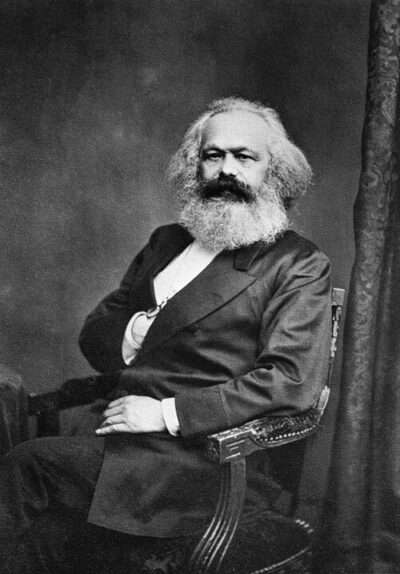 Karl Marx (1864–1872)German-born philosopher (1818–1883)
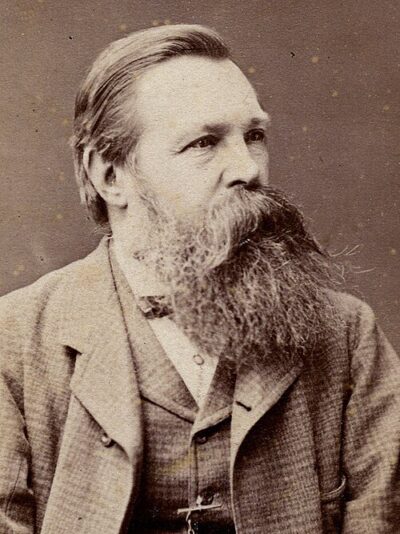 Friedrich EngelsGerman philosopher, sociologist and economist (1820–1895)
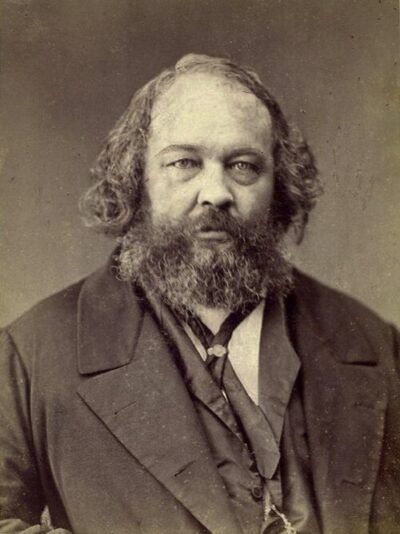 Mikhail BakuninRussian revolutionary anarchist and philosopher (1814–1876)
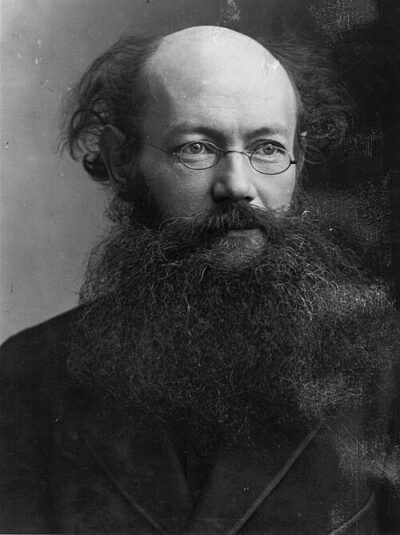 Peter KropotkinRussian revolutionary socialist and philosopher (1842–1921)
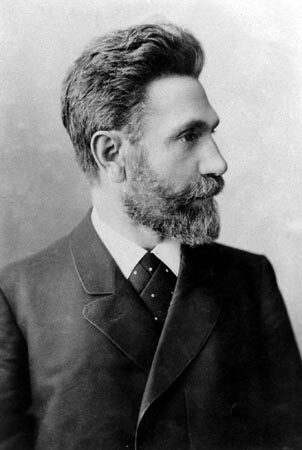 August BebelGerman social democrat politician (1840–1913)
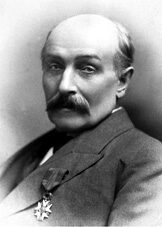 Randal CremerEnglish politician (1828–1908)
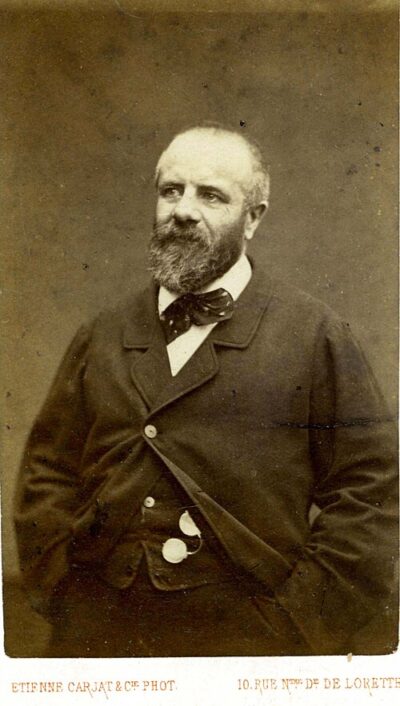 Eugène PottierFrench politician (1816-1887)
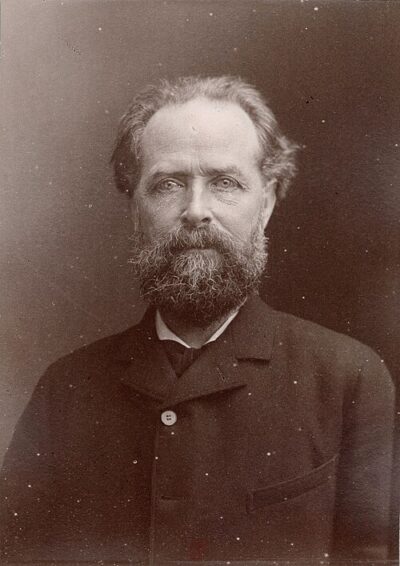 Élisée Reclus (1864–)French geographer and writer (1830–1905)
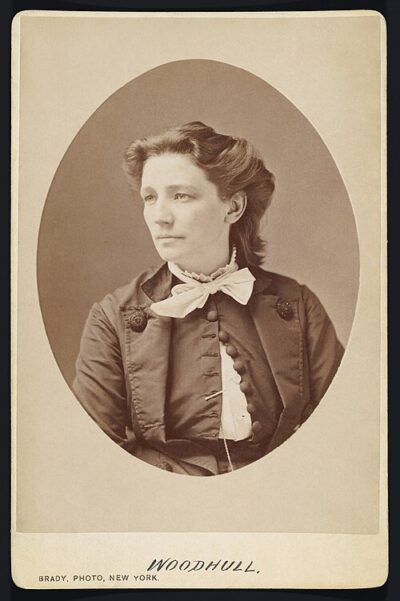 Victoria WoodhullAmerican suffragist, editor (1838-1927)
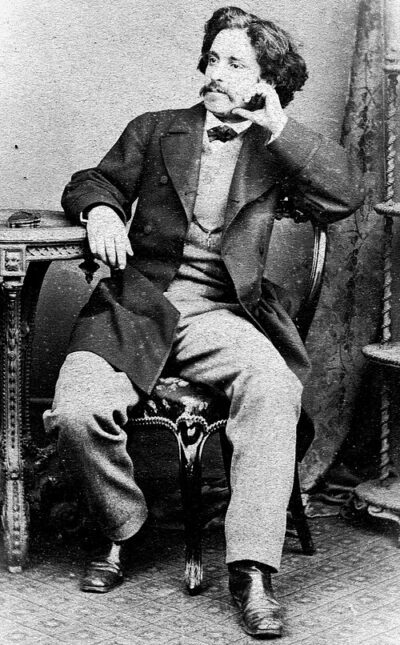 Paul Lafarguewriter, journalist, literary critic and revolutionary; also known for being Karl Marx's son-in-law (1842-1911)
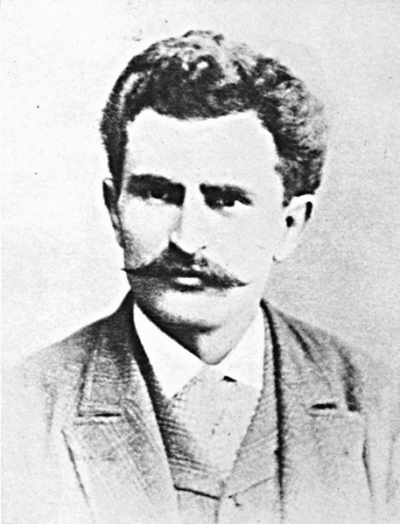 Errico Malatestaanarchist (1853-1932)
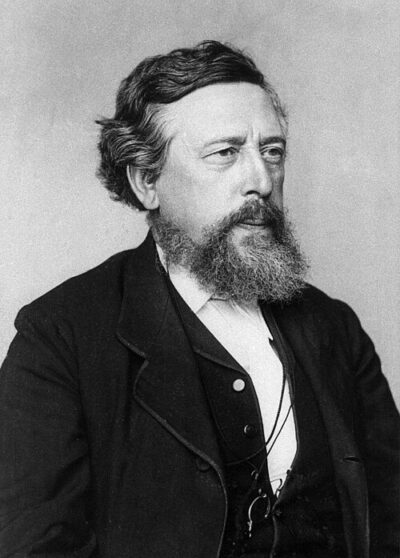 Wilhelm LiebknechtGerman journalist, writer and socialist politician (1826–1900)
