
Kyoto Prize in Advanced Technology
Kyoto Prize in Advanced Technology is a Japanese award in electronics, biotechnology and medical technology, materials science and engineering, or information science. It was created in 1985.
- Country
- Japan
- Created
- 1985
All 4 facts, and where they come from
Facts
4 facts · 0 confirmed by two sources · 0 cited · 4 from one source
Where this comes from
Papalocal keeps its own record. It started from these sources; what each one said is kept here as it was copied, so a change on their side never changes this page by itself. Tap one to read its version.
What Wikidata says · copied November 16, 2026 · revision 2484826445
- Described as
- Japanese award in electronics, biotechnology and medical technology, materials science and engineering, or information science
- What it is
- science award
- Created
- 1985
- Country
- Japan
- Official website
- http://www.kyotoprize.org/en/ · 1 reference
- Wikipedias with a page
- 7
Wikidata item Q6452191 (wikidata.org/wiki/Q6452191), public domain (CC0). Copied 2026-11-16.
What Wikipedia says · copied November 16, 2026 · revision 1373040625
The Kyoto Prize in Advanced Technology is awarded annually by the Inamori Foundation. The Prize is one of three Kyoto Prize categories; the others are the Kyoto Prize in Basic Sciences and the Kyoto Prize in Arts and Philosophy. The first Kyoto Prize in Advanced Technology was awarded to Rudolf E. Kálmán, the "creator of modern control and system theory". The Prize is widely regarded as the most prestigious award available in fields which are traditionally not honored with a Nobel Prize.
From the Wikipedia article “Kyoto Prize in Advanced Technology” (en.wikipedia.org/wiki/Kyoto_Prize_in_Advanced_Technology), by its contributors, under CC BY-SA 4.0 (creativecommons.org/licenses/by-sa/4.0/). Copied 2026-11-16; not changed.
Confirmed Two sources agree. Cited One source, and it names where it got it. One source One source, without a reference of its own. Sources disagree The sources disagree. We show the best-supported value and keep theirs below.
People connected 14
Won it
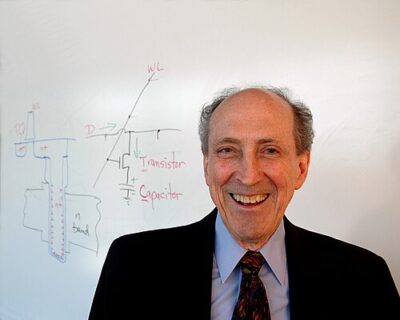 Robert H. Dennard (2013)American engineer and inventor
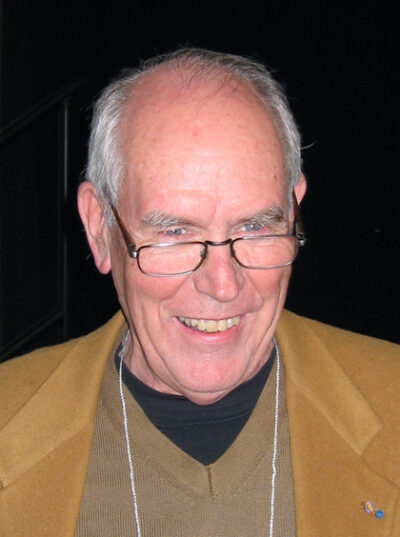 Ivan Sutherland (2012)American computer scientist and Internet pioneer
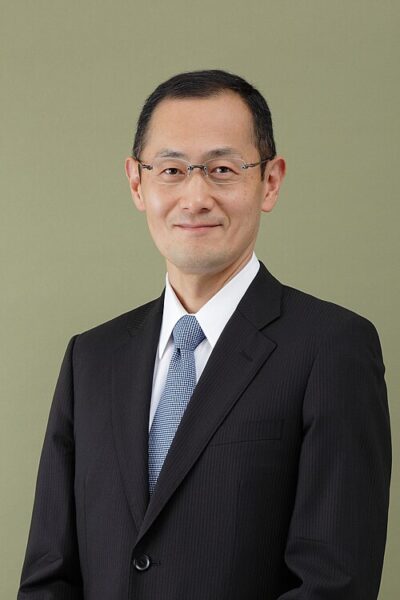 Shinya Yamanaka (2010)Japanese doctor and medical scientist (born 1962)
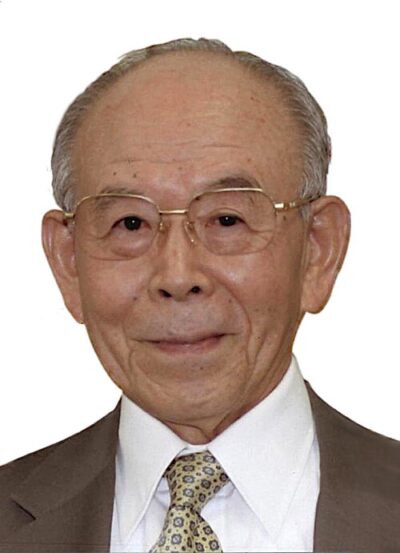 Isamu Akasaki (2009)Japanese engineer (1929-2021)
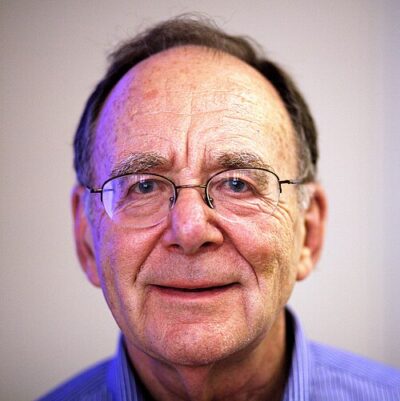 Richard M. Karp (2008)American theoretical computer scientist (b.1935)
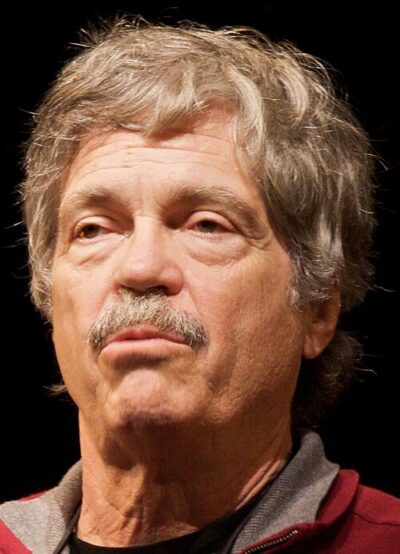 Alan Kay (2004)American computer scientist (born 1940)
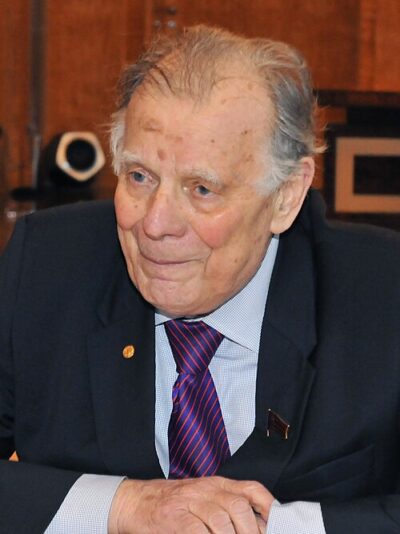 Zhores Alferov (2001)Soviet-Russian physicist (1930–2019)
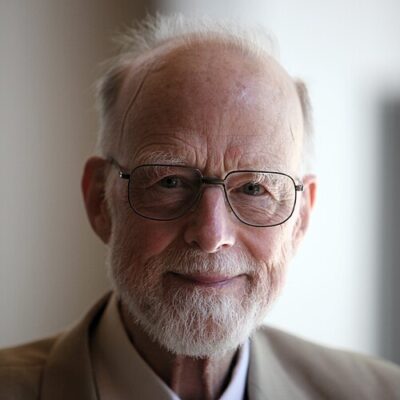 Tony Hoare (2000)British computer scientist
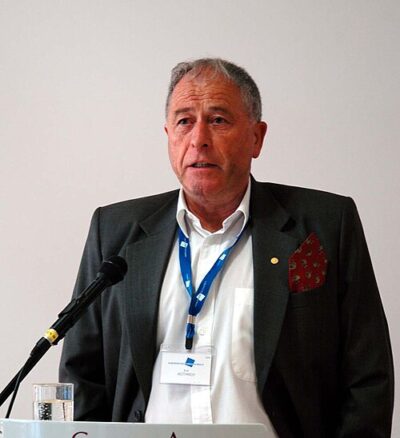 Kurt Wüthrich (1998)Swiss chemist (born 1938)
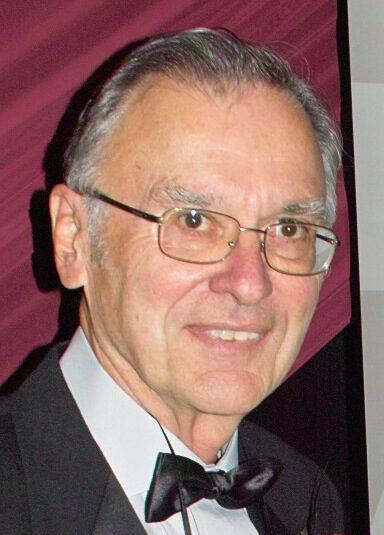 Marcian Hoff (1997)American electrical engineer
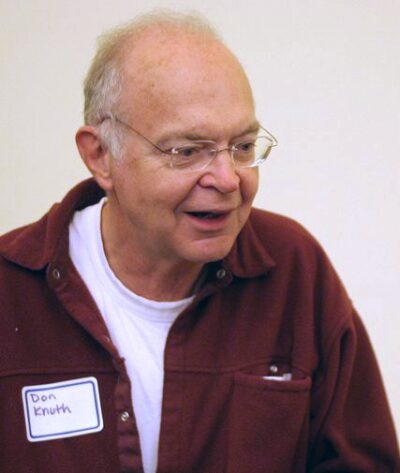 Donald Knuth (1996)American computer scientist and mathematician (born 1938)
 Paul Lauterbur (1994)American chemist (1929–2007)
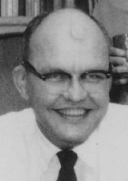 Jack Kilby (1993)American electrical engineer (1923–2005)
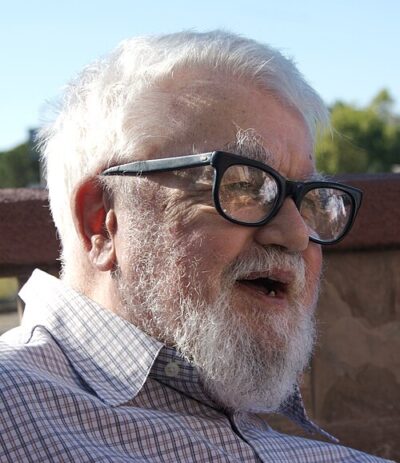 John McCarthy (1988)American computer scientist and cognitive scientist (1927-2011)
