
Kyoto Prize in Arts and Philosophy
Kyoto Prize in Arts and Philosophy is a Japanese award for lifetime achievements in the arts and philosophy. It was created in 1985. It is given by the Inamori Foundation.
- Given by
- Inamori Foundation
- Country
- Japan
- Created
- 1985
All 6 facts, and where they come from
Facts
6 facts · 0 confirmed by two sources · 0 cited · 6 from one source
Where this comes from
Papalocal keeps its own record. It started from these sources; what each one said is kept here as it was copied, so a change on their side never changes this page by itself. Tap one to read its version.
What Wikidata says · copied November 16, 2026 · revision 2484668167
- Described as
- Japanese award for lifetime achievements in the arts and philosophy
- What it is
- award; Kyoto Prize
- Created
- 1985
- Country
- Japan
- Given by
- Inamori Foundation
- Official website
- http://www.kyotoprize.org/en/
- Wikipedias with a page
- 6
Wikidata item Q6452192 (wikidata.org/wiki/Q6452192), public domain (CC0). Copied 2026-11-16.
What Wikipedia says · copied November 16, 2026 · revision 1360103251
The Kyoto Prize in Arts and Philosophy is awarded once a year by the Inamori Foundation for lifetime achievements in the arts and philosophy. The Prize is one of three Kyoto Prize categories; the others are the Kyoto Prize in Advanced Technology and the Kyoto Prize in Basic Sciences. The first Kyoto Prize in Arts and Philosophy was awarded to Olivier Messiaen in 1985, the "greatest composer to have emerged from 20th century France". The Prize is widely regarded as the most prestigious award available in fields not traditionally honored with a Nobel Prize.
From the Wikipedia article “Kyoto Prize in Arts and Philosophy” (en.wikipedia.org/wiki/Kyoto_Prize_in_Arts_and_Philosophy), by its contributors, under CC BY-SA 4.0 (creativecommons.org/licenses/by-sa/4.0/). Copied 2026-11-16; not changed.
Confirmed Two sources agree. Cited One source, and it names where it got it. One source One source, without a reference of its own. Sources disagree The sources disagree. We show the best-supported value and keep theirs below.
People connected 25
Won it 25
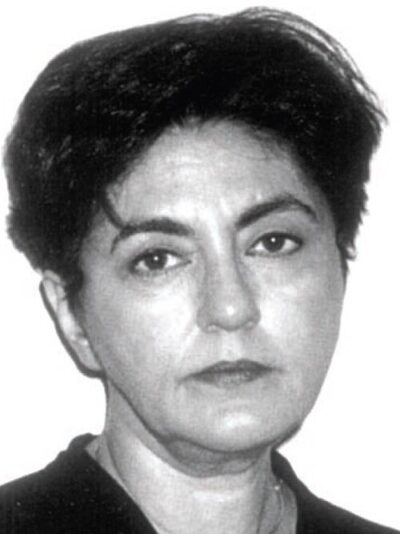 Nalini Malani (2023)contemporary Indian artist (born 1946)
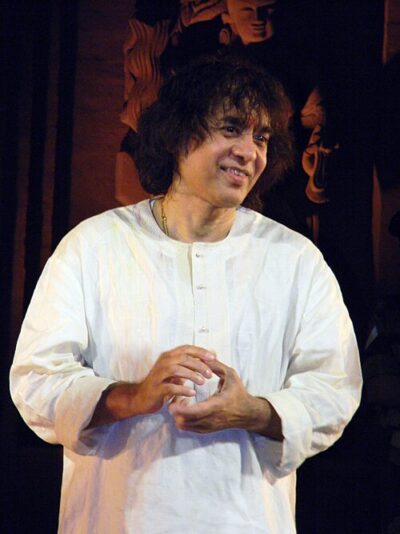 Zakir Hussain (2022)Indian tabla player, musical producer, film actor, and composer (1951–2024)
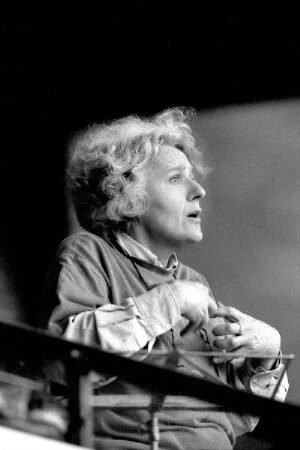 Ariane Mnouchkine (2019)French theater and film director, theater director and author
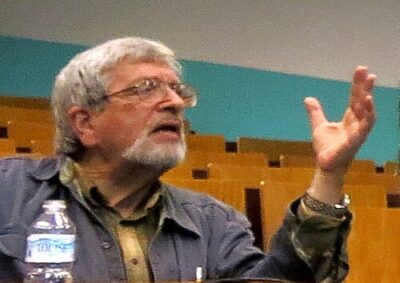 Richard Taruskin (2017)American musicologist, music critic and choral conductor (1945-2022)
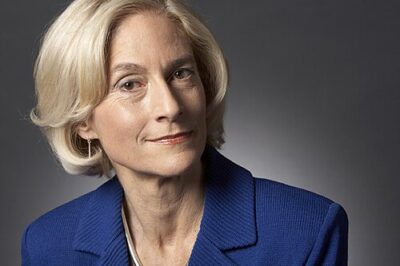 Martha Nussbaum (2016)American philosopher (born 1947)
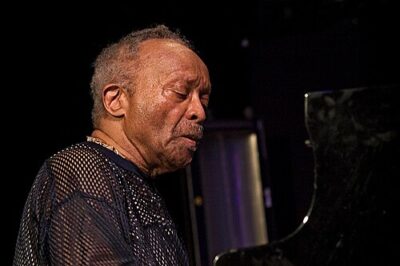 Cecil Taylor (2013)American jazz pianist and poet (1929–2018)
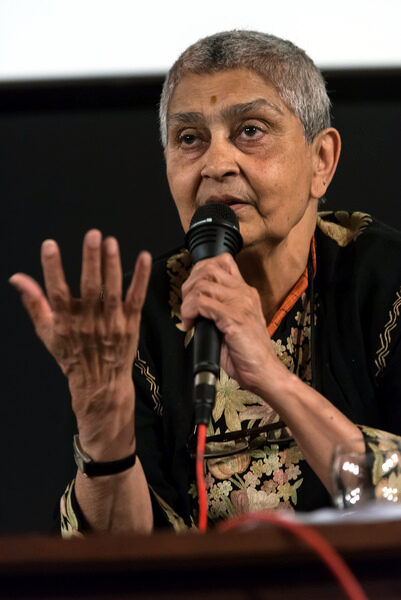 Gayatri Chakravorty Spivak (2012)Indian scholar, literary theorist, and feminist critic
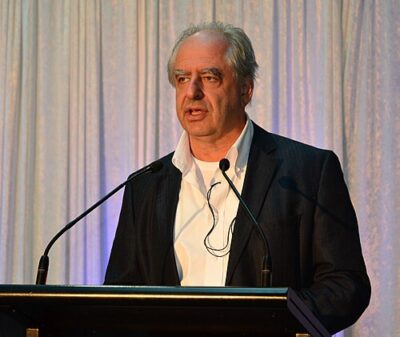 William Kentridge (2010)South African artist (born 1955)
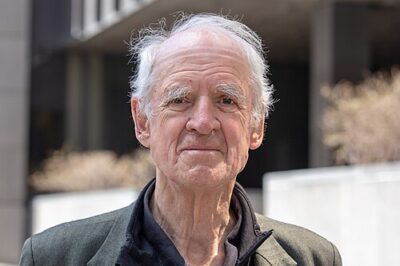 Charles Taylor (2008)Canadian philosopher (born 1931)
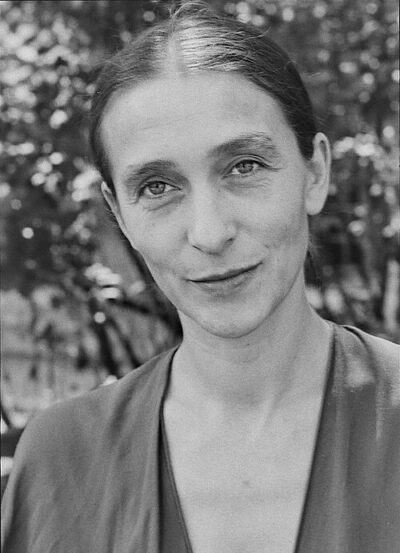 Pina Bausch (2007)German dancer, choreographer, dance teacher and ballet director (1940–2009)
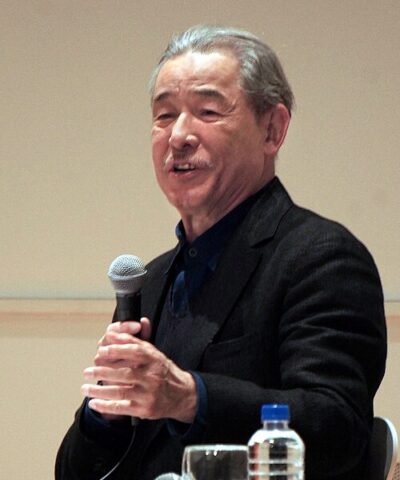 Issey Miyake (2006)Japanese fashion designer (1938−2022)
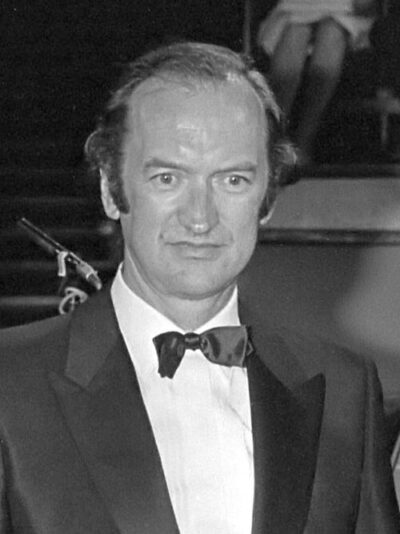 Nikolaus Harnoncourt (2005)Austrian conductor (1929–2016)
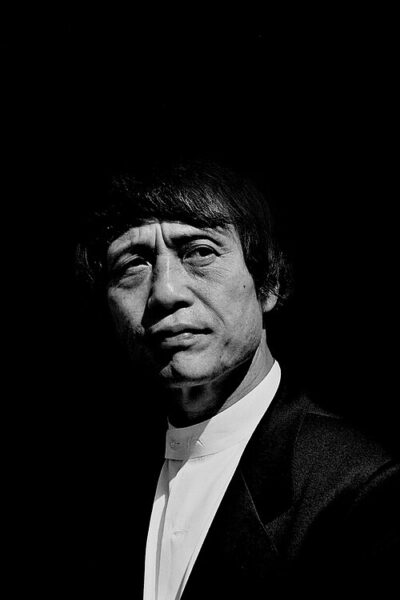 Tadao Ando (2002)Japanese architect (born 1941)
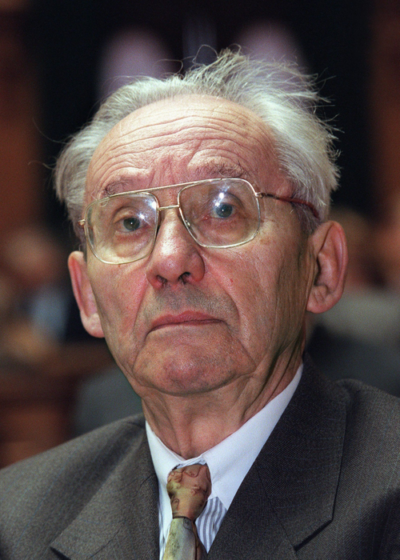 Paul Ricœur (2000)French philosopher (1913–2005)
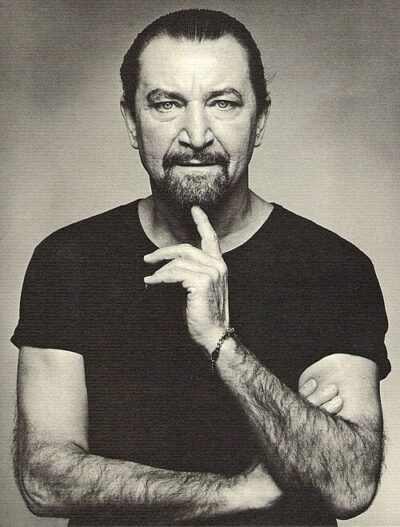 Maurice Béjart (1999)French-born Swiss ballet dancer and choreographer (1927–2007)
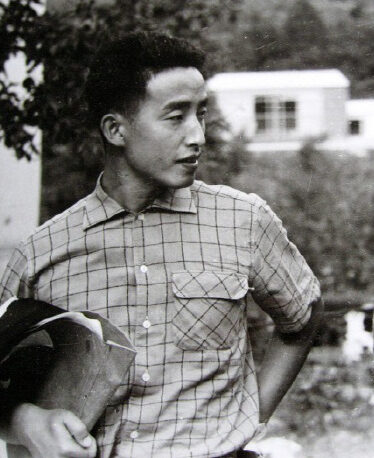 Nam June Paik (1998)American video art pioneer (1932–2006)
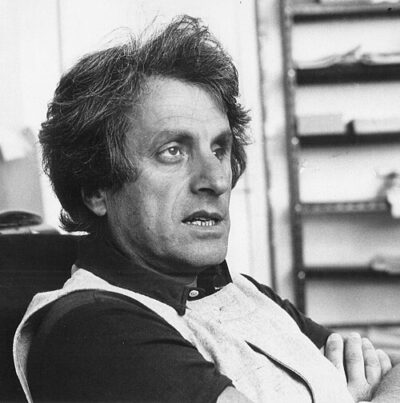 Iannis Xenakis (1997)Greek-French composer, architect and engineer (1922–2001)
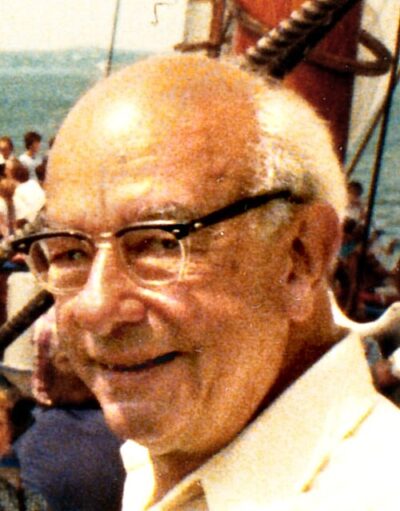 Willard Van Orman Quine (1996)American philosopher and logician (1908–2000)
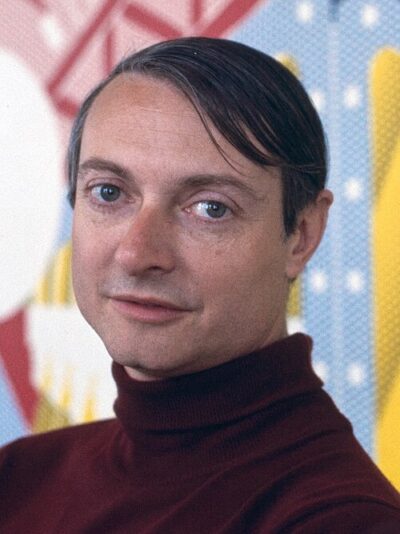 Roy Lichtenstein (1995)American pop artist (1923–1997)
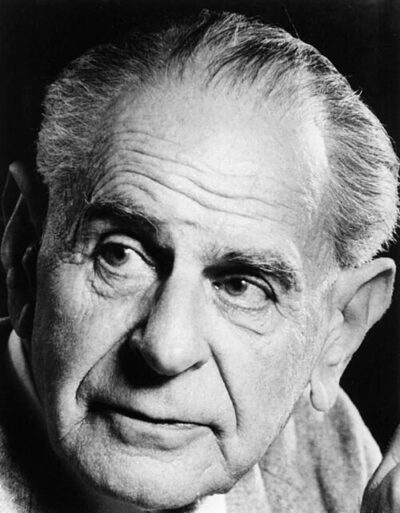 Karl Popper (1992)Austrian-British philosopher of science and social and política e falsificationism and for criticism of Plato, Hegel and Marx as totalitarian opponents of open society (1902-1994)
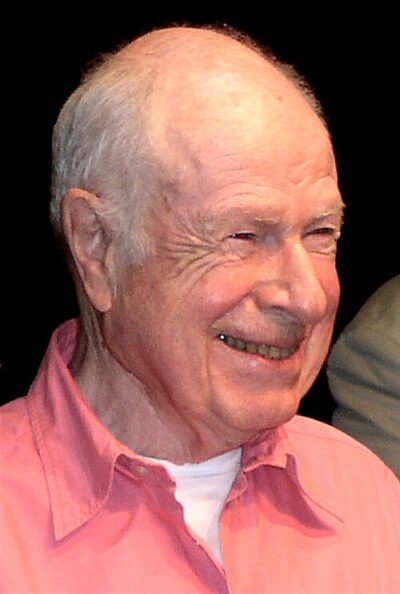 Peter Brook (1991)English theatre and film director (1925–2022)
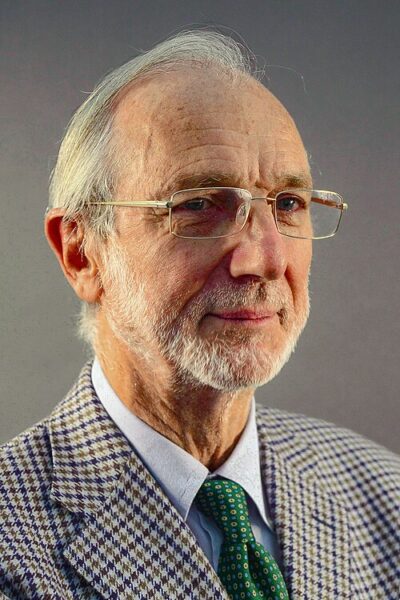 Renzo Piano (1990)Italian architect (1937-)
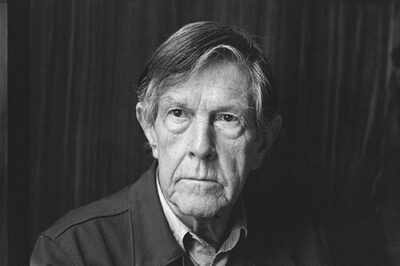 John Cage (1989)American avant-garde composer (1912-1992)
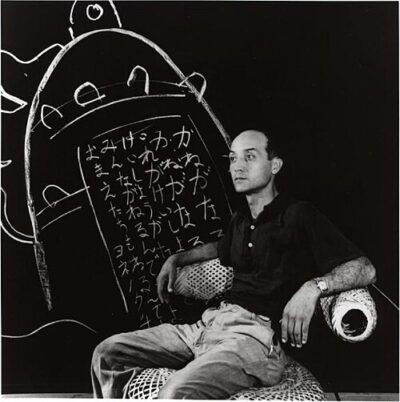 Isamu Noguchi (1986)Japanese-American artist and landscape architect (1904–1988)
and 1 more
