

Lenin Komsomol Prize
Lenin Komsomol Prize is an USSR award. It was created in 1966. It is given by All-Union Leninist Young Communist League.
- Country
- Soviet Union
- Created
- March 28, 1966
All 6 facts, and where they come from
Facts
6 facts · 0 confirmed by two sources · 0 cited · 6 from one source
Where this comes from
Papalocal keeps its own record. It started from these sources; what each one said is kept here as it was copied, so a change on their side never changes this page by itself. Tap one to read its version.
What Wikidata says · copied November 16, 2026 · revision 2555021480
- Described as
- USSR award
- What it is
- state prize in the Soviet Union
- Created
- March 28, 1966
- Ended
- 1991
- Country
- Soviet Union
- Given by
- All-Union Leninist Young Communist League
- Named after
- Vladimir Lenin
- Wikipedias with a page
- 13
Wikidata item Q4377065 (wikidata.org/wiki/Q4377065), public domain (CC0). Copied 2026-11-16.
What Wikipedia says · copied November 16, 2026 · revision 1327782939
Lenin Komsomol Prize (Russian: премия Ленинского комсомола) was a Soviet annual award for the best works in science, engineering, literature or art carried out by young authors of age not exceeding 33 years. Komsomol was the abbreviated name of The Communist Union of Youth (Russian: Коммунистический союз молодёжи; hence Ком-со-мол, Kom-so-mol).
The award was instituted by the Central Committee of VLKSM in March 1966. The reason for the selection of this particular age threshold is unclear (the age threshold for Komsomol membership is 28). The coincidence of the upper threshold of 33 with the "age of Christ" was a matter of jokes. Symbolically, the first winner of this award in the Soviet Union was writer Nikolai Ostrovsky (who had died aged 32 in 1936).
In addition to the all-Union prize, Union republics had republican versions of the prize, named respectively, e.g., Belarus Lenin Komsomol Prize, and awarded by the republican Komsomol branches.
The prizes were introduced as follows:In the field of science and technology - 1967;
For great achievements in teaching - 1984;
For great achievements in labour - 1986
The winner was known as "Lenin Komsomol Prize Laureate", and together with the diploma was awarded a medal.
From the Wikipedia article “Lenin Komsomol Prize” (en.wikipedia.org/wiki/Lenin_Komsomol_Prize), by its contributors, under CC BY-SA 4.0 (creativecommons.org/licenses/by-sa/4.0/). Copied 2026-11-16; not changed.
Confirmed Two sources agree. Cited One source, and it names where it got it. One source One source, without a reference of its own. Sources disagree The sources disagree. We show the best-supported value and keep theirs below.
Picture: Wikimedia Commons: RIAN archive 468648 Sign of winner of Lenin Komsomol prize.jpg · See Commons file page
People connected 13
Won it
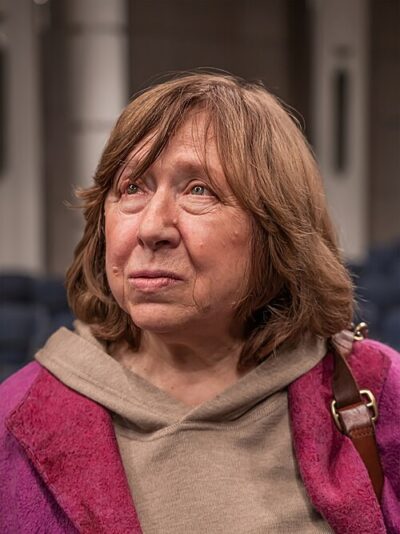 Svetlana Alexievich (1986)Belarusian investigative journalist and non-fiction prose writer (born 1948)
 Valery Leontiev (1985)Russian singer
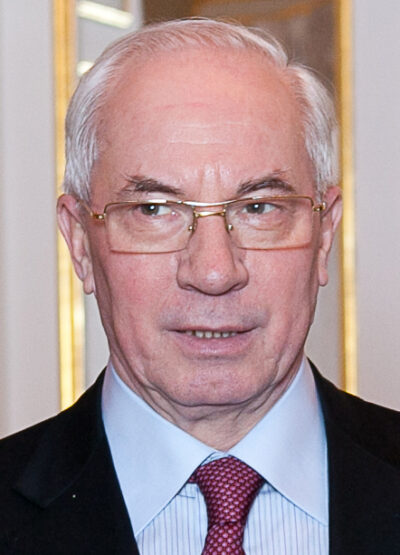 Mykola Azarov (1979)Ukrainian politician (born 1947)
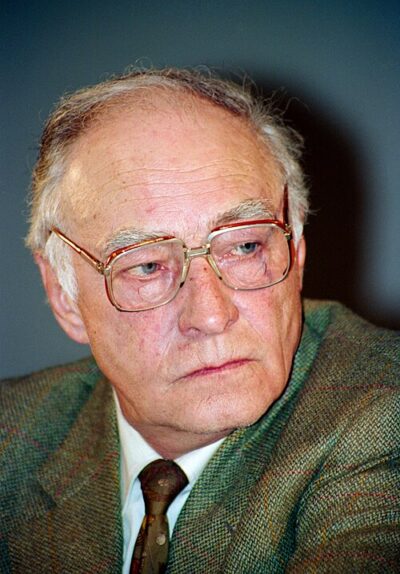 Vyacheslav Tikhonov (1979)Soviet and Russian actor (1928–2009)
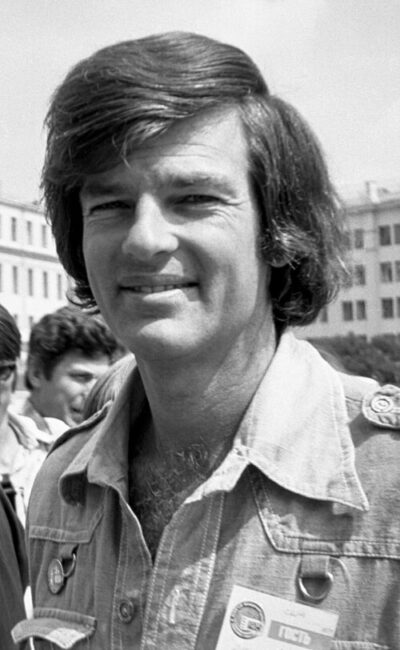 Dean Reed (1979)singer, musician, actor, writer, director (1938-1986)
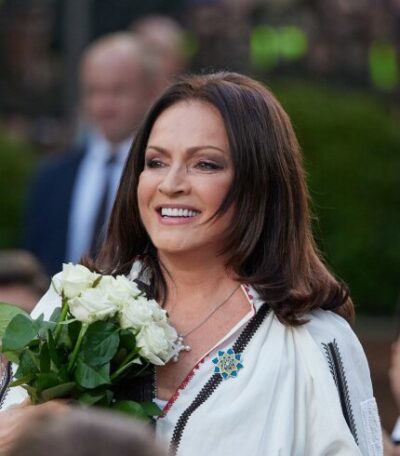 Sofia Rotaru (1978)Ukrainian singer, songwriter and actress
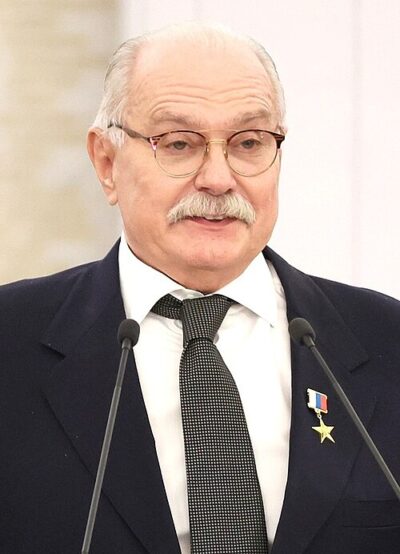 Nikita Mikhalkov (1978)Russian film director, writer, producer and actor (born 1945)
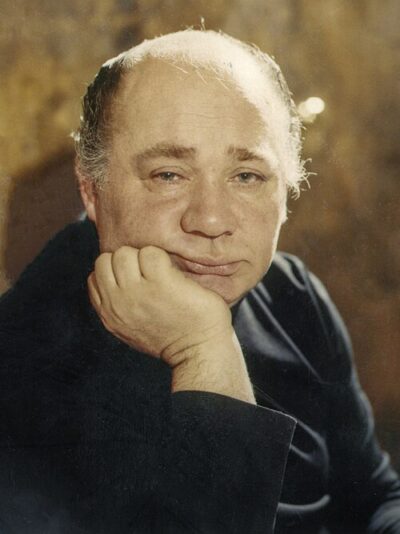 Yevgeny Leonov (1978)Soviet and Russian actor (1926-1994)
 Boris Berezovsky (1978)Russian oligarch, government official, engineer and mathematician (1946–2013)
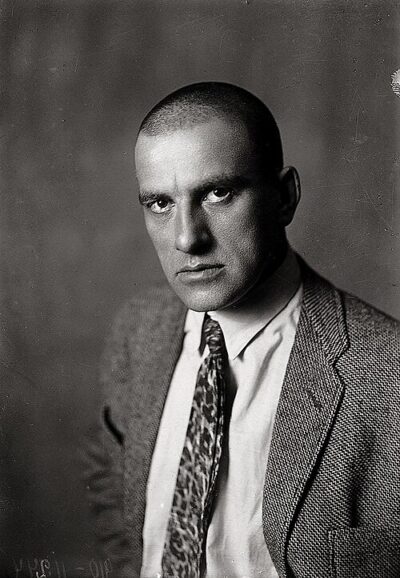 Vladimir MayakovskyRussian and Soviet poet (1893–1930)
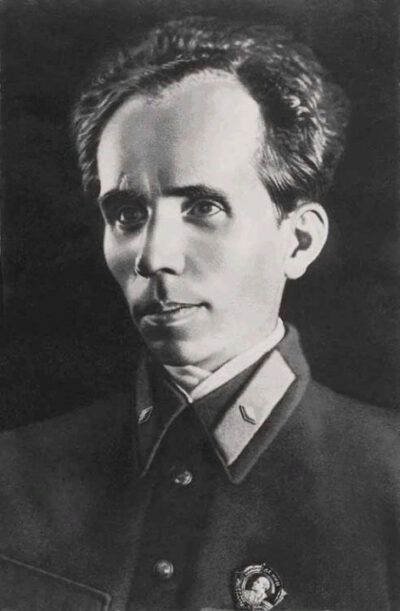 Nikolai OstrovskyUkrainian-Russian writer (1904-1936)
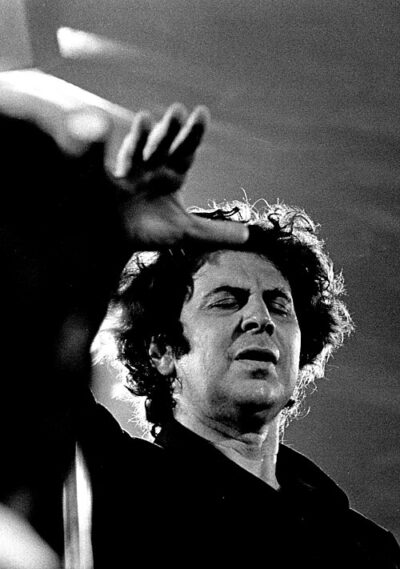 Mikis TheodorakisGreek composer (1925–2021)
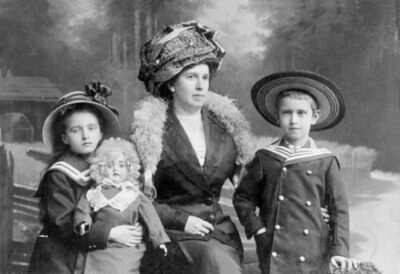 Dmitry Borisovich Kabalevskycomposer, conductor (music), pianist, music teacher
