Medieval Academy of America
The Medieval Academy of America is a historical society. It was founded in 1925. Its headquarters are in Cambridge.
- Founded
- 1925
- Headquarters
- Cambridge
- Industry
- higher education
- Country
- United States
All 10 facts, and where they come from
Facts
10 facts · 0 confirmed by two sources · 2 cited · 8 from one source
Where this comes from
Papalocal keeps its own record. It started from these sources; what each one said is kept here as it was copied, so a change on their side never changes this page by itself. Tap one to read its version.
What Wikidata says · copied November 17, 2026 · revision 2564415792
- Described as
- historical society
- Other names
- MAA, The Medieval Academy of America
- What it is
- historical society; learned society; nonprofit organization · 1 reference
- Founded
- 1925
- Headquarters
- Cambridge
- Located in
- Cambridge · 1 reference
- Country
- United States · 1 reference
- Industry
- higher education
- Field
- medieval studies
- Official website
- https://www.medievalacademy.org · 1 reference
- Wikipedias with a page
- 10
Wikidata item Q1162009 (wikidata.org/wiki/Q1162009), public domain (CC0). Copied 2026-11-17.
What Wikipedia says · copied November 17, 2026 · revision 1383401540
The Medieval Academy of America (MAA; spelled Mediaeval until c. 1980) is the largest organization in the United States promoting the field of medieval studies. It was founded in 1925 and is based in Boston. The academy publishes the quarterly journal Speculum, and awards prizes, grants, and fellowships such as the Haskins Medal, which is named for Charles Homer Haskins, one of the academy's founders and its second president.
From the Wikipedia article “Medieval Academy of America” (en.wikipedia.org/wiki/Medieval_Academy_of_America), by its contributors, under CC BY-SA 4.0 (creativecommons.org/licenses/by-sa/4.0/). Copied 2026-11-17; not changed.
Confirmed Two sources agree. Cited One source, and it names where it got it. One source One source, without a reference of its own. Sources disagree The sources disagree. We show the best-supported value and keep theirs below.
People connected 26
Members 26
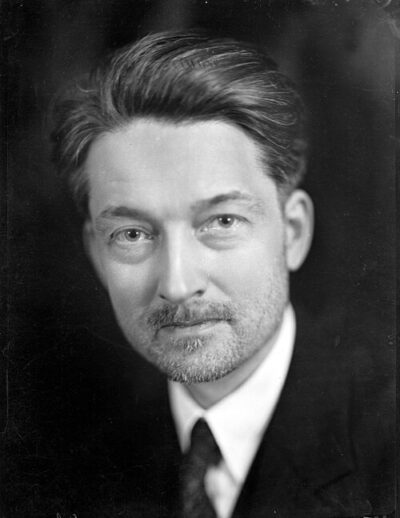 Jacques Maritain (1942–)French philosopher (1882–1973)
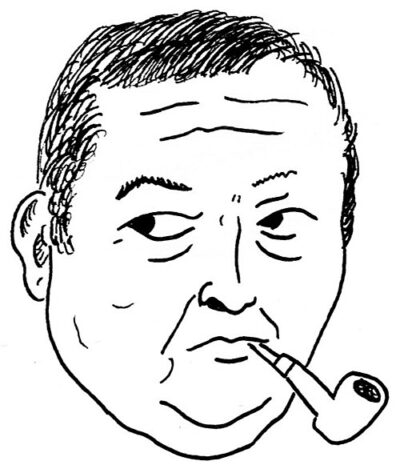 Jacques Le Goff (1987–)French historian (1924-2014)
 Erwin Panofsky (1937–)German art historian (1892–1968)
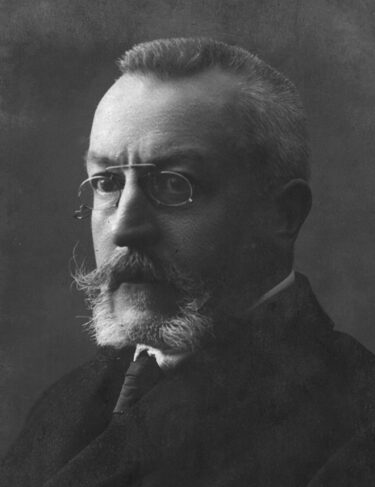 Henri Pirenne (1927–)Belgian historian (1862-1935)
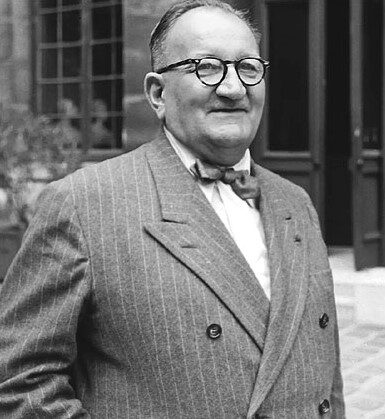 Étienne Gilson (1927–)French historian and philosopher (1884-1978)
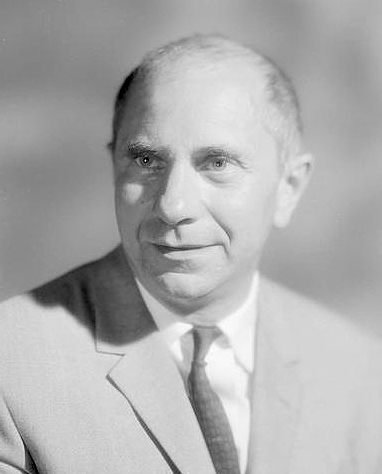 Georges Duby (1970–)French historian (1919–1996)
- SSteven Runciman (1970–)British historian of the Middle Ages (1903–2000)
- GGeorge Ostrogorsky (1964–)Russian Byzantinist (1902-1976)
 Joseph Bédier (1927–)French philologist and writer (1864-1938)
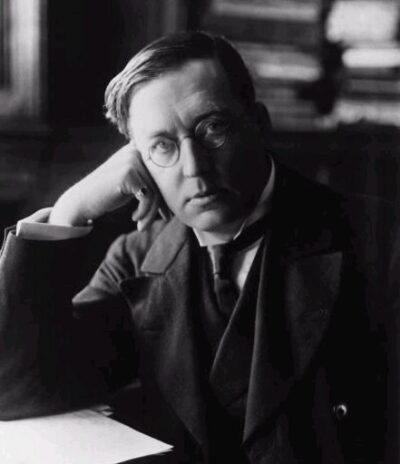 M. R. James (1926–)20th century British author, medievalist scholar and provost (1862–1936)
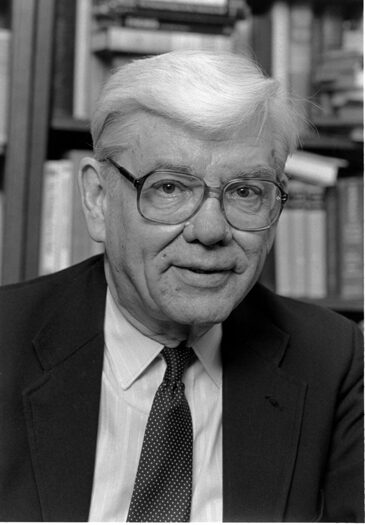 Jaroslav Pelikan (1972–)US historian of Christianity, Christian theology and medieval intellectual history at Yale (1923–2006)
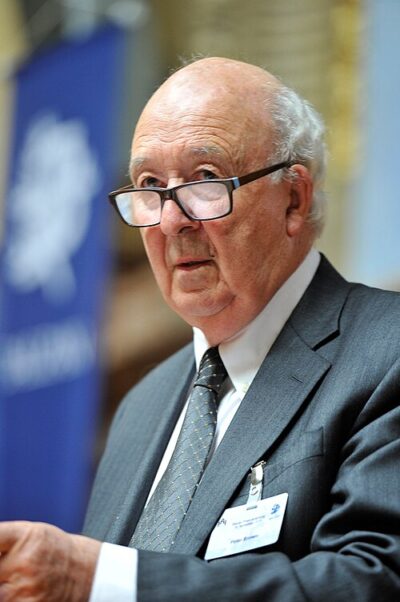 Peter Brown (1988–)Irish historian (1935- )
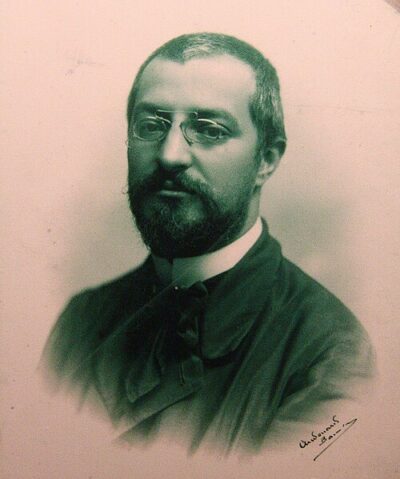 Josep Puig i Cadafalch (1927–)Catalan architect (1867-1957)
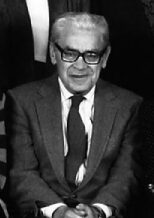 Alexander Kazhdan (1990–)Soviet historian and Byzantine Empire specialist (1922-1997)
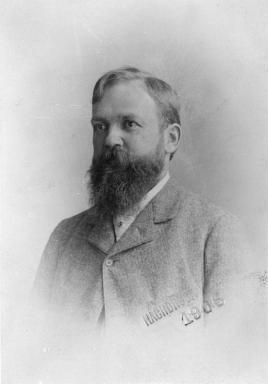 Wilhelm Meyer-Lübke (1928–)Swiss linguist (1861-1936)
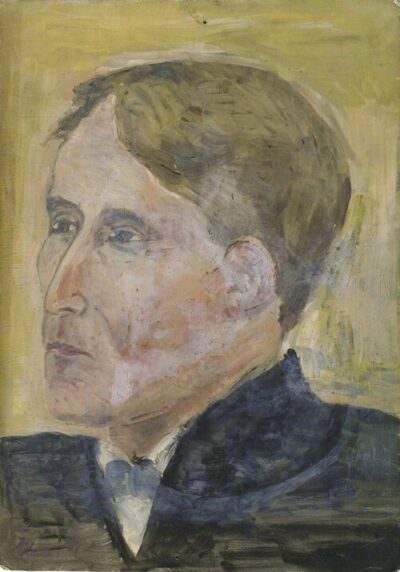 Arthur Waley (1955–)British orientalist and sinologist (1889–1966)
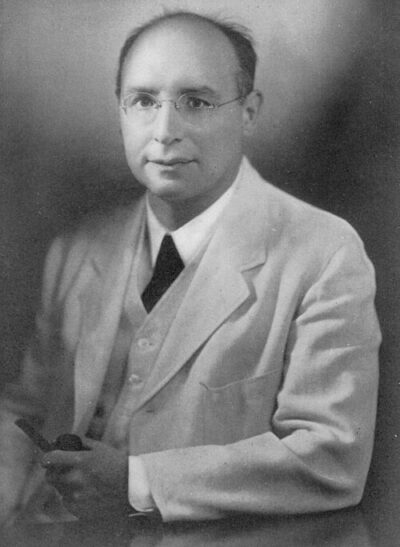 George Sarton (1938–)Belgian-American historian of science (1884–1956)
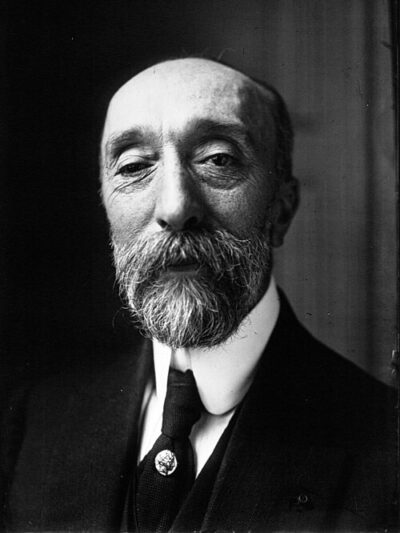 Charles Diehl (1926–)French Byzantinist (1859–1944)
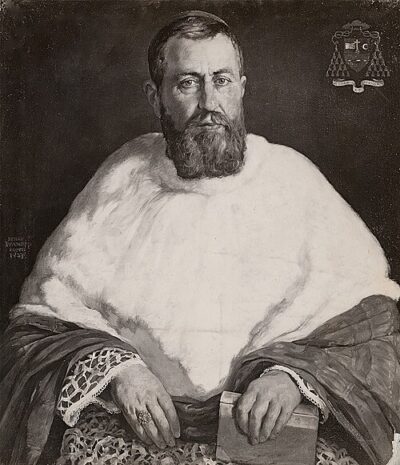 Eugène Tisserant (1967–)French cardinal (1884–1972)
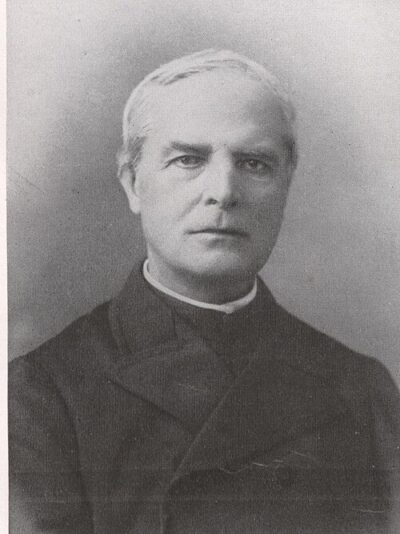 Franz Ehrle (1926–)Catholic cardinal (1845-1934)
- EErnst Robert Curtius (1939–)German philologist and literary scholar (1886–1956)
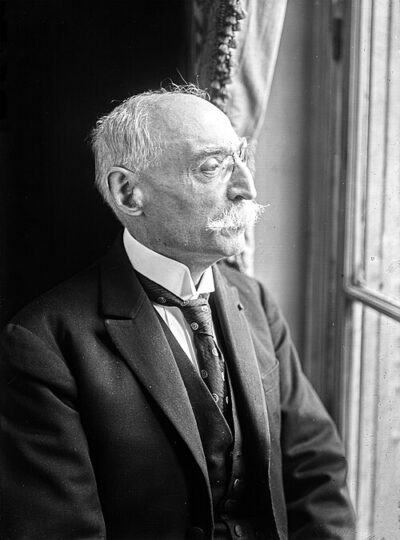 Émile Mâle (1927–)French art historian (1862-1954)
- AAlfons Maria Stickler (1975–)Catholic cardinal (1910–2007)
- PPhilip Khuri Hitti (1957–)Lebanese-American academic and authority on the Middle East (1886-1978)
and 2 more