
Messenger Lectures
Messenger Lectures is a lectures given at Cornell University by external lecturers.
- Given by
- Cornell University
- Country
- United States
All 5 facts, and where they come from
Facts
5 facts · 0 confirmed by two sources · 0 cited · 5 from one source
Where this comes from
Papalocal keeps its own record. It started from these sources; what each one said is kept here as it was copied, so a change on their side never changes this page by itself. Tap one to read its version.
What Wikidata says · copied November 16, 2026 · revision 2296792204
- Described as
- lectures given at Cornell University by external lecturers
- What it is
- award; lecture series
- Country
- United States
- Given by
- Cornell University
- Named after
- Hiram John Messenger, Jr.
- Wikipedias with a page
- 2
Wikidata item Q6821883 (wikidata.org/wiki/Q6821883), public domain (CC0). Copied 2026-11-16.
What Wikipedia says · copied November 16, 2026 · revision 1384387462
The Messenger Lectures are a series of talks given by scholars and public figures at Cornell University. They were funded in 1924 by a gift from Hiram Messenger of "a fund to provide a course of lectures on the Evolution of Civilization for the special purpose of raising the moral standard of our political, business, and social life", to be "delivered by the ablest non-resident lecturer or lecturers obtainable". The lecture series has been described as one of Cornell's most important of extracurricular activities.
Initially a series of twelve lectures per year, there are now either three or six lectures by one speaker each semester.
Archeologist James Henry Breasted delivered the first series of Messenger Lectures in 1925.
From the Wikipedia article “Messenger Lectures” (en.wikipedia.org/wiki/Messenger_Lectures), by its contributors, under CC BY-SA 4.0 (creativecommons.org/licenses/by-sa/4.0/). Copied 2026-11-16; not changed.
Confirmed Two sources agree. Cited One source, and it names where it got it. One source One source, without a reference of its own. Sources disagree The sources disagree. We show the best-supported value and keep theirs below.
People connected 10
Won it
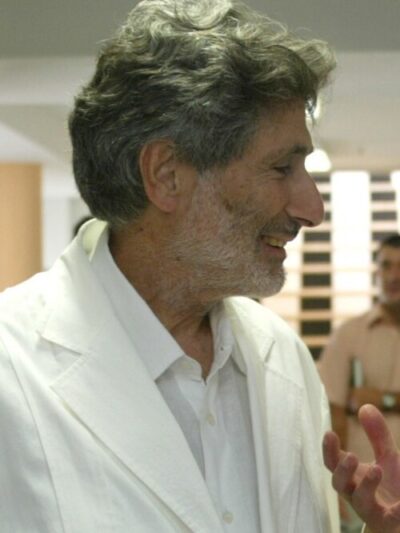 Edward Said (1986)Palestinian-American professor (1935–2003)
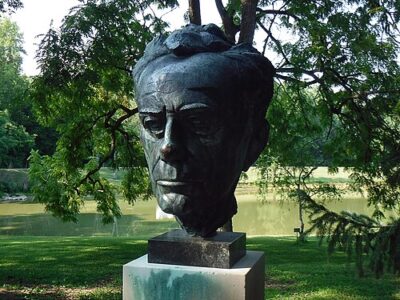 Paul Tillich (1957)German-American theologian and philosopher
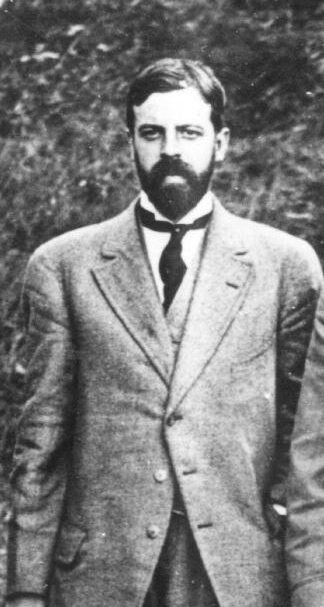 Alfred L. Kroeber (1956)American anthropologist (1876–1960)
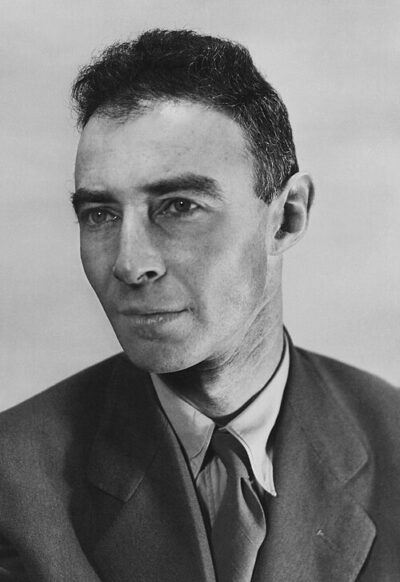 J. Robert Oppenheimer (1945)American theoretical physicist (1904–1967)
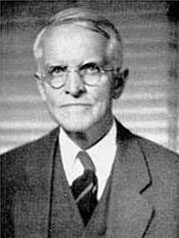 Wesley Clair Mitchell (1934)American statistician (1874–1948)
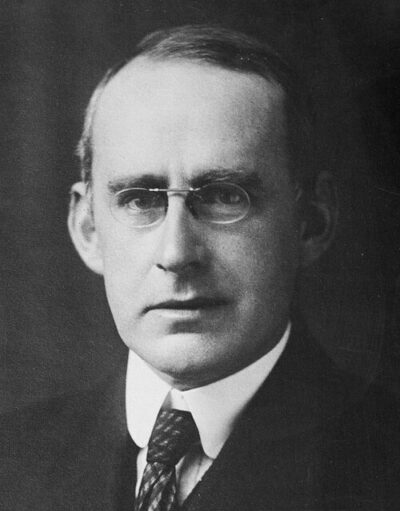 Arthur Eddington (1933)British astrophysicist (1882-1944)
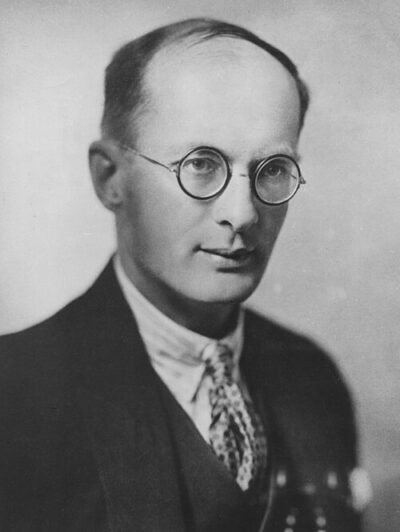 Bronisław Malinowski (1932)Polish anthropologist and ethnographer based in England and the USA (1884–1942)
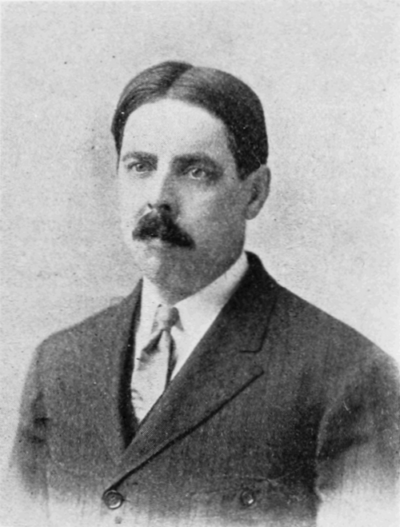 Edward Thorndike (1928)American psychologist
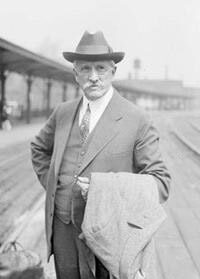 James Henry Breasted (1924)American archaeologist, Egyptologist and historian (1865–1935)
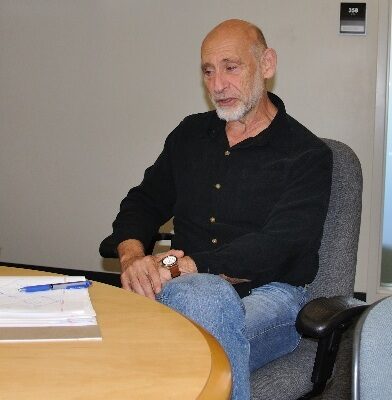 Leonard SusskindAmerican physicist
