

Nobel Prize in Chemistry
Nobel Prize in Chemistry is one of the five Nobel Prizes established in 1895 by Alfred Nobel. It was created in 1901. It is given by the Royal Swedish Academy of Sciences.
- Country
- Sweden
- Field
- chemistry
- Created
- 1901
All 8 facts, and where they come from
Facts
8 facts · 0 confirmed by two sources · 0 cited · 8 from one source
Where this comes from
Papalocal keeps its own record. It started from these sources; what each one said is kept here as it was copied, so a change on their side never changes this page by itself. Tap one to read its version.
What Wikidata says · copied November 16, 2026 · revision 2564246499
- Described as
- one of the five Nobel Prizes established in 1895 by Alfred Nobel
- Other names
- Nobelpriset i kemi, chemistry Nobel Prizes
- What it is
- chemistry award; Nobel Prize
- Created
- 1901
- Country
- Sweden
- Given by
- Royal Swedish Academy of Sciences
- Field
- chemistry
- Named after
- Alfred Nobel
- Official website
- https://nobelprize.org/prizes/chemistry
- Wikipedias with a page
- 105
Wikidata item Q44585 (wikidata.org/wiki/Q44585), public domain (CC0). Copied 2026-11-16.
What Wikipedia says · copied November 16, 2026 · revision 1384073949
The Nobel Prize in Chemistry is awarded annually by the Royal Swedish Academy of Sciences to scientists in the various fields of chemistry. It is one of the five Nobel Prizes established by the will of Alfred Nobel in 1895, awarded for outstanding contributions in chemistry, physics, literature, peace, and physiology or medicine. This award is administered by the Nobel Foundation and awarded by the Royal Swedish Academy of Sciences on proposal of the Nobel Committee for Chemistry, which consists of five members elected by the academy. The award is presented in Stockholm at an annual ceremony on 10 December, the anniversary of Nobel's death.
The first Nobel Prize in Chemistry was awarded in 1901 to Jacobus Henricus van 't Hoff, of the Netherlands, "for his discovery of the laws of chemical dynamics and osmotic pressure in solutions". From 1901 to 2026, the award has been bestowed on a total of 202 individuals. Frederick Sanger and K. Barry Sharpless both won twice. The 2026 Nobel Prize in Chemistry was awarded to Henri B. Kagan and Kenso Soai "for the discovery of non-linear effects and autocatalysis in asymmetric organic synthesis". As of 2022, eight women had won the prize: Marie Curie (1911), her daughter Irène Joliot-Curie (1935), Dorothy Hodgkin (1964), Ada Yonath (2009), Frances Arnold (2018), Emmanuelle Charpentier and Jennifer Doudna (2020), and Carolyn R. Bertozzi (2022). Marie Curie also won the Nobel Prize in Physics in 1903, making her the only person to win in two different sciences.
From the Wikipedia article “Nobel Prize in Chemistry” (en.wikipedia.org/wiki/Nobel_Prize_in_Chemistry), by its contributors, under CC BY-SA 4.0 (creativecommons.org/licenses/by-sa/4.0/). Copied 2026-11-16; not changed.
Confirmed Two sources agree. Cited One source, and it names where it got it. One source One source, without a reference of its own. Sources disagree The sources disagree. We show the best-supported value and keep theirs below.
Picture: Wikimedia Commons: Marie Skłodowska-Curie's Nobel Prize in Chemistry 1911.jpg · See Commons file page
People connected 192
Won it 192
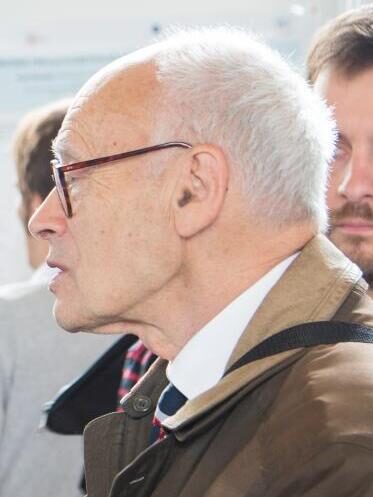 Henri B. Kagan (2026)French chemist
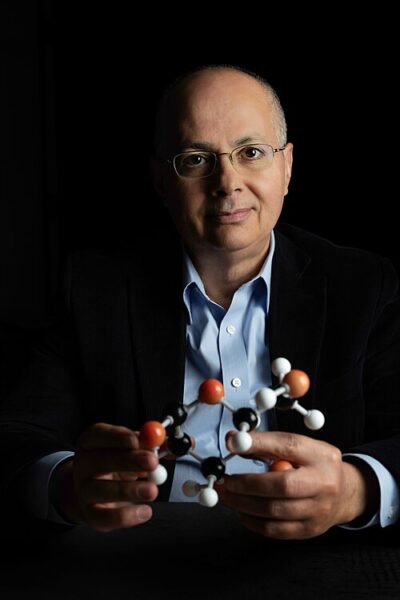 Omar M. Yaghi (2025)American chemist of Arabic descent (born 1965)
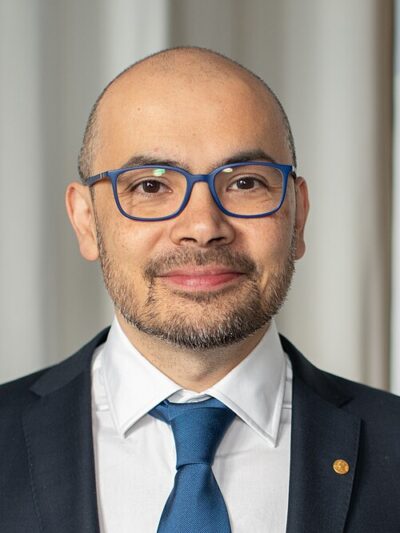 Demis Hassabis (2024)British artificial intelligence researcher (born 1976)
 David Baker (2024)American biochemist and computational biologist (born 1962)
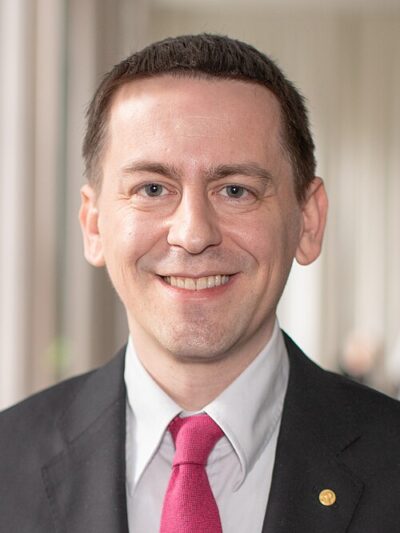 John Michael Jumper (2024)American chemist and AI expert
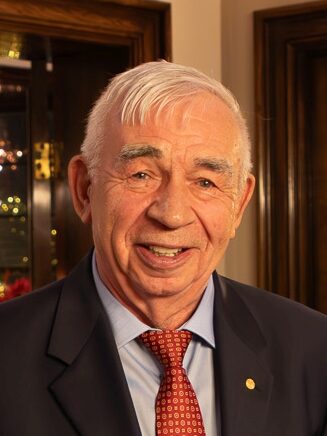 Alexey Ekimov (2023)Russian physicist
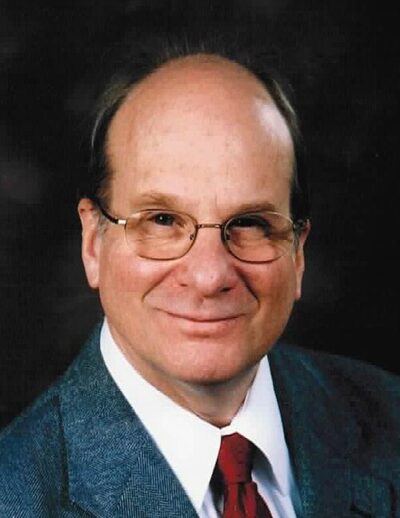 Louis E. Brus (2023)American chemist (1943–2026)
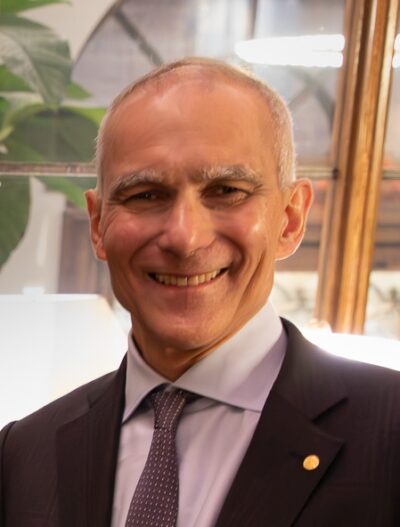 Moungi Bawendi (2023)American chemist of French and Tunisian descent
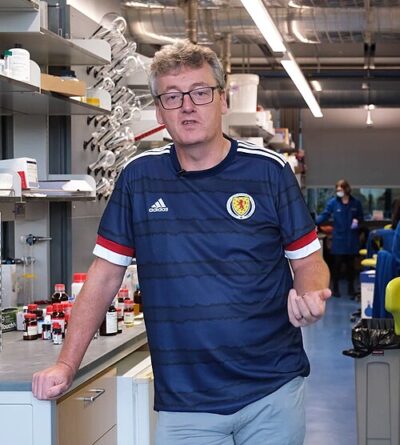 David MacMillan (2021)British chemist (1968-)
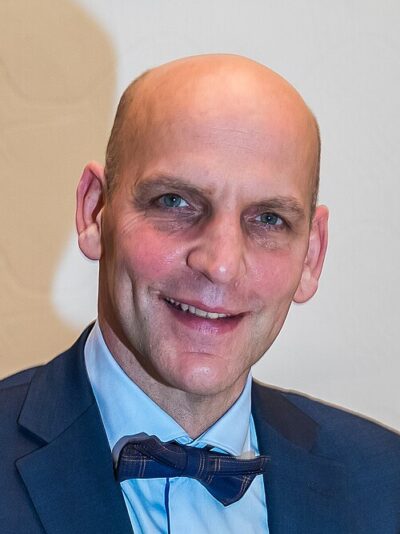 Benjamin List (2021)German chemist (1968-)
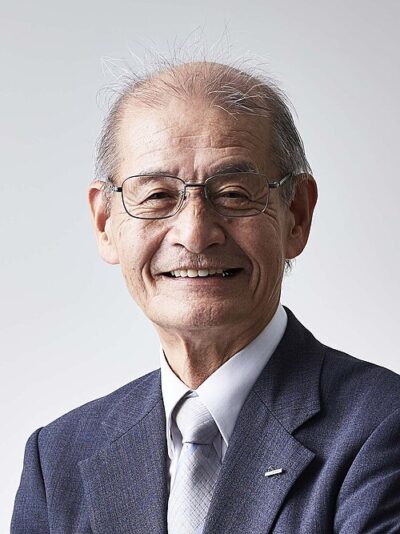 Akira Yoshino (2019)Japanese engineer and researcher (1948-), known as an inventor of lithium-ion battery
 M. Stanley Whittingham (2019)Nobel laureate in chemistry & American chemist
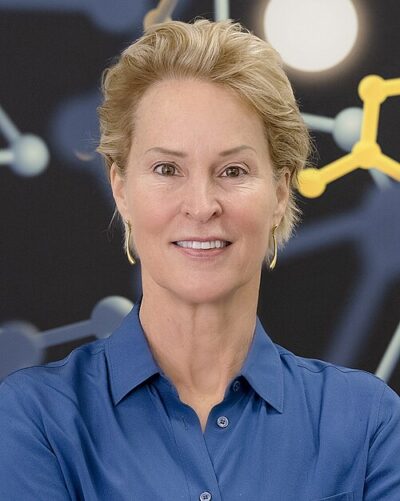 Frances Arnold (2018)Nobel prize winning US scientist and engineer (born 1956)
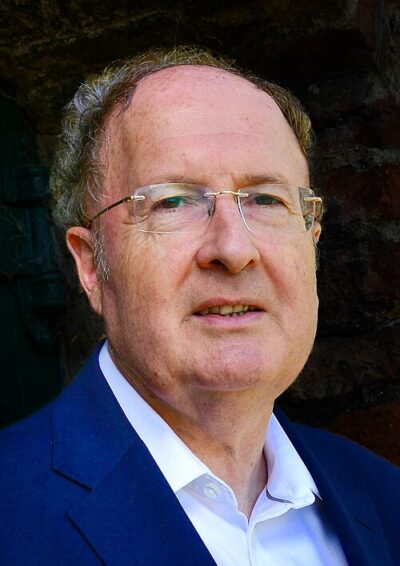 Greg Winter (2018)British biochemist (born 1951)
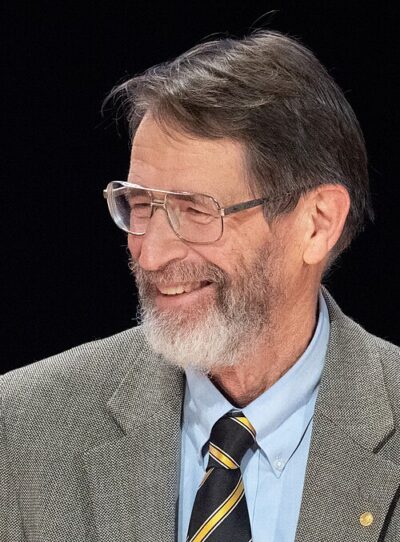 George Smith (2018)Nobel prize winning US chemist
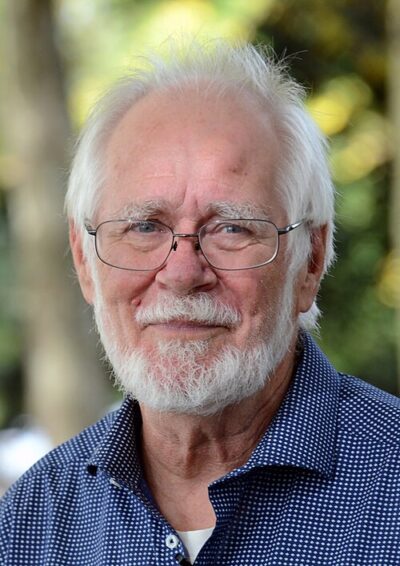 Jacques Dubochet (2017)Swiss chemist
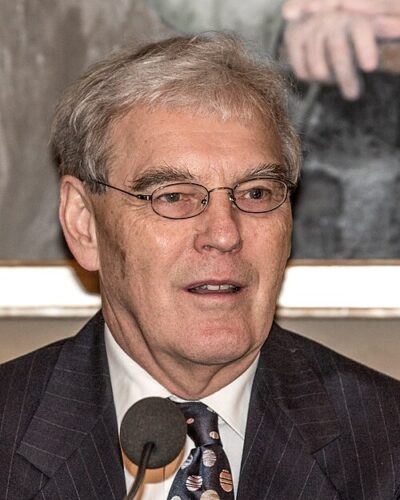 Richard Henderson (2017)Nobel prize winning British biochemist (born 1945)
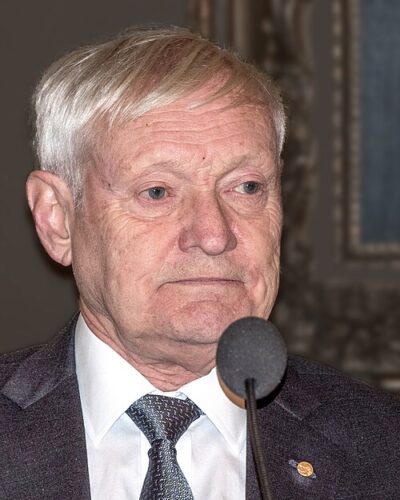 Joachim Frank (2017)German-born American biophysicist and Nobel laureate
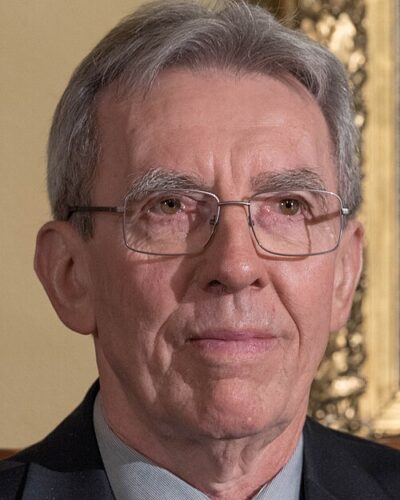 Jean-Pierre Sauvage (2016)French nanotechnologist
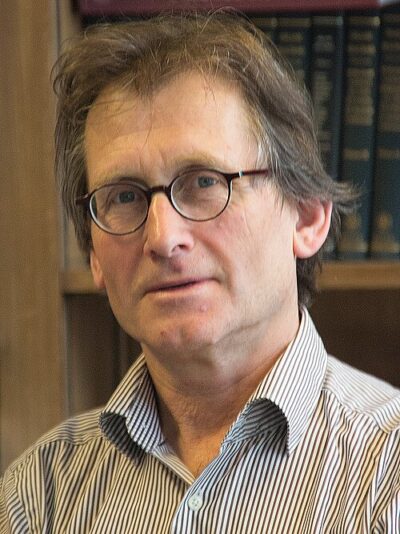 Ben Feringa (2016)Dutch Nobel laureate in chemistry
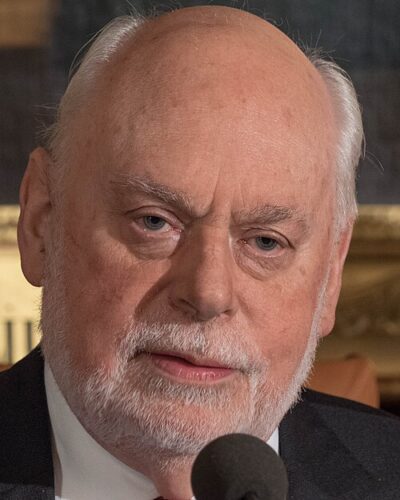 Fraser Stoddart (2016)Scottish chemist and Nobel Laureate in 2016 for the design and synthesis of molecular machines
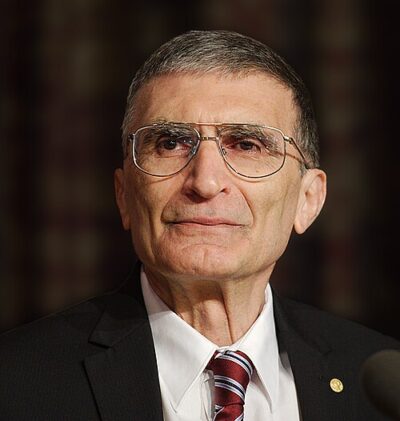 Aziz Sancar (2015)Turkish geneticist; Nobel Prize in Chemistry 2015
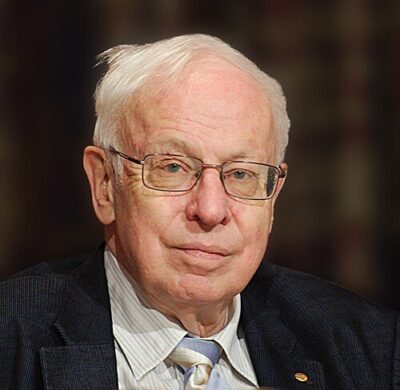 Tomas Lindahl (2015)Nobel prize winning Swedish biologist
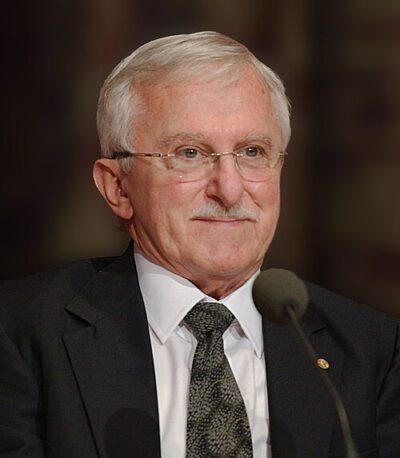 Paul L. Modrich (2015)American biochemist
and 168 more
