

Royal Swedish Academy of Sciences
The Royal Swedish Academy of Sciences is Sweden's national academy of sciences. It was founded in 1739 by Jonas Alströmer, Anders Johan von Höpken and Sten Carl Bielke. Its headquarters are in Frescati.
- Founded
- June 2, 1739
- Founded by
- Jonas Alströmer
- Headquarters
- Frescati
- Country
- Sweden
All 13 facts, and where they come from
Facts
13 facts · 0 confirmed by two sources · 1 cited · 12 from one source
Where this comes from
Papalocal keeps its own record. It started from these sources; what each one said is kept here as it was copied, so a change on their side never changes this page by itself. Tap one to read its version.
What Wikidata says · copied November 16, 2026 · revision 2565921486
- Described as
- Sweden's national academy of sciences
- Other names
- Kungliga Vetenskapsakademien, RSAS, kva.se
- What it is
- academy of sciences; Swedish Royal Academies; building
- Founded
- June 2, 1739
- Founded by
- Jonas Alströmer; Anders Johan von Höpken; Sten Carl Bielke; Carl Linnaeus
- Headquarters
- Frescati
- Located in
- Stockholm Municipality
- Country
- Sweden · 1 reference
- Chair
- Carl Linnaeus · 1 reference
- Official website
- http://www.kva.se/
- Wikipedias with a page
- 63
Wikidata item Q191583 (wikidata.org/wiki/Q191583), public domain (CC0). Copied 2026-11-16.
What Wikipedia says · copied November 16, 2026 · revision 1384373381
The Royal Swedish Academy of Sciences (Swedish: Kungliga Vetenskapsakademien) is one of the royal academies of Sweden. Founded on 2 June 1739, it is an independent, non-governmental scientific organization that takes special responsibility for promoting natural sciences and mathematics and strengthening their influence in society, whilst endeavouring to promote the exchange of ideas between various disciplines.
The goals of the academy are:To be a forum where researchers meet across subject boundaries,
To offer a unique environment for research,
To provide support to younger researchers,
To reward outstanding research efforts,
To communicate internationally among scientists,
To advance the case for science within society and to influence research policy priorities
To stimulate interest in mathematics and science in school, and
To disseminate and popularize scientific information in various forms.
Every year, the academy awards the Nobel Prizes in physics and chemistry, the Sveriges Riksbank Prize in Economic Sciences in Memory of Alfred Nobel, the Crafoord Prize, the Sjöberg Prize and several other awards. The academy maintains close relations with foreign academies, learned societies and international scientific organizations and also promotes international scientific cooperation. The Academy of Sciences is located within the Stockholm region's Royal National City Park.
From the Wikipedia article “Royal Swedish Academy of Sciences” (en.wikipedia.org/wiki/Royal_Swedish_Academy_of_Sciences), by its contributors, under CC BY-SA 4.0 (creativecommons.org/licenses/by-sa/4.0/). Copied 2026-11-16; not changed.
Confirmed Two sources agree. Cited One source, and it names where it got it. One source One source, without a reference of its own. Sources disagree The sources disagree. We show the best-supported value and keep theirs below.
Picture: Wikimedia Commons: Main building of the Royal Swedish Academy of Sciences (Kungliga Vetenskapsakademien), Frescati, Norra Djurgården, Stockholm.jpg · See Commons file page
People connected 305
Members 305
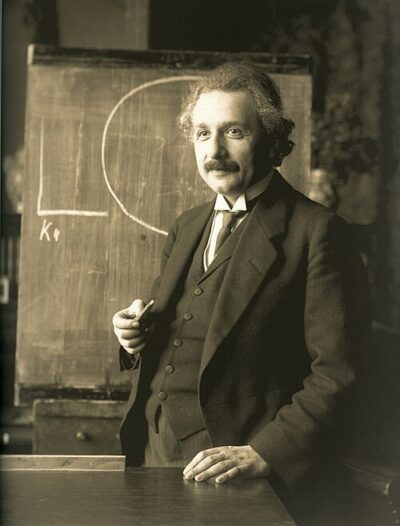 Albert EinsteinGerman-born theoretical physicist (1879–1955)
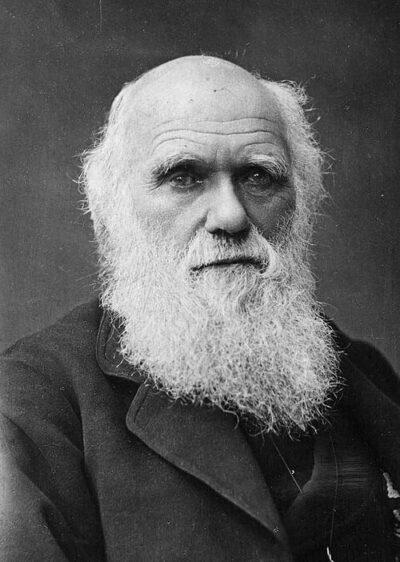 Charles DarwinEnglish naturalist and biologist (1809–1882)
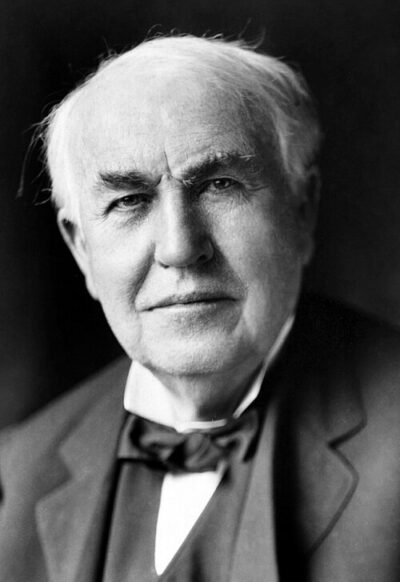 Thomas EdisonAmerican inventor and businessman (1847–1931)
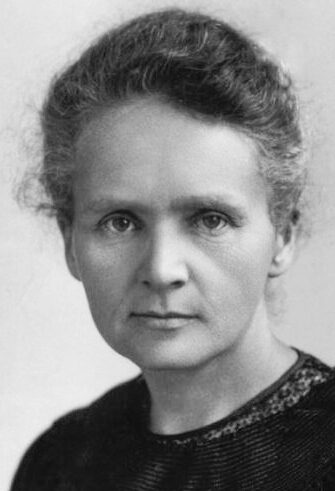 Marie Curie (1910–)Polish-born French physicist and chemist (1867–1934)
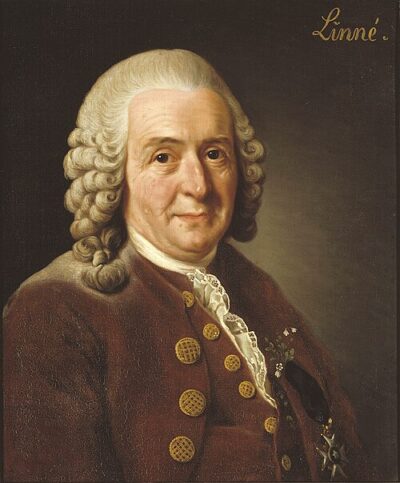 Carl Linnaeus (1739–)Swedish botanist, physician, and zoologist (1707–1778); developed the foundations of modern taxonomy
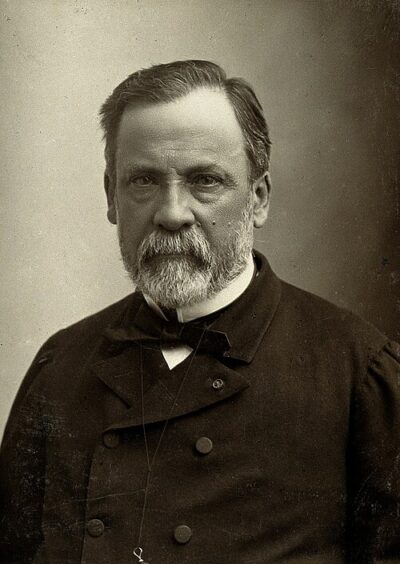 Louis PasteurFrench chemist and microbiologist (1822–1895)
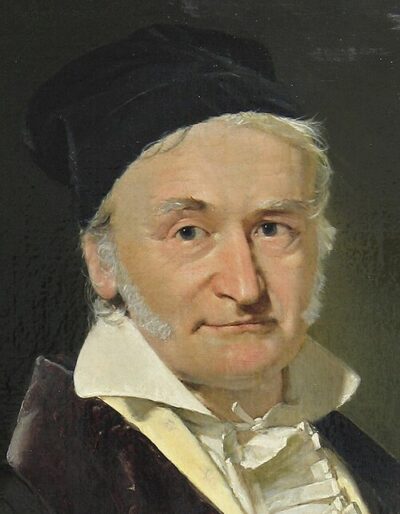 Carl Friedrich GaussGerman mathematician and physicist (1777–1855)
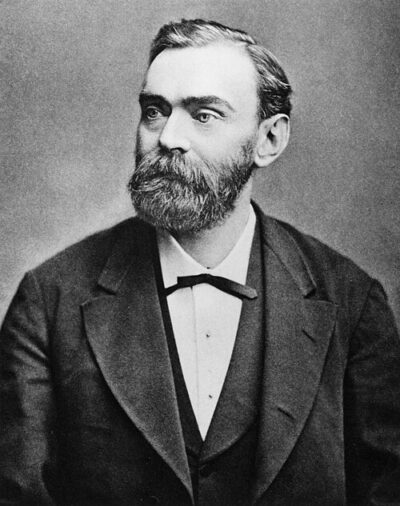 Alfred NobelSwedish chemist and inventor (1833–1896)
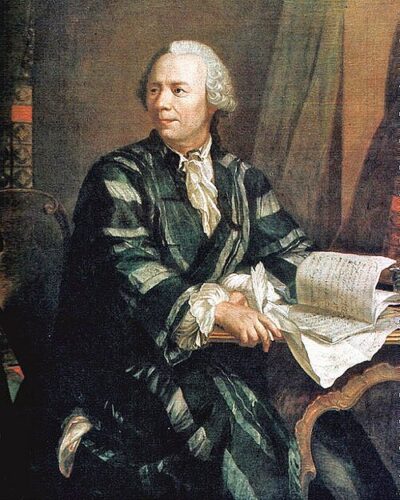 Leonhard EulerSwiss mathematician, physicist, and engineer (1707–1783)
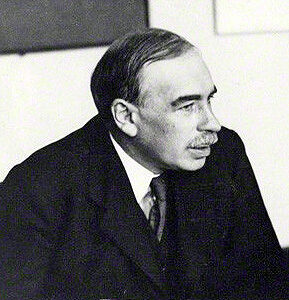 John Maynard KeynesBritish economist (1883–1946)
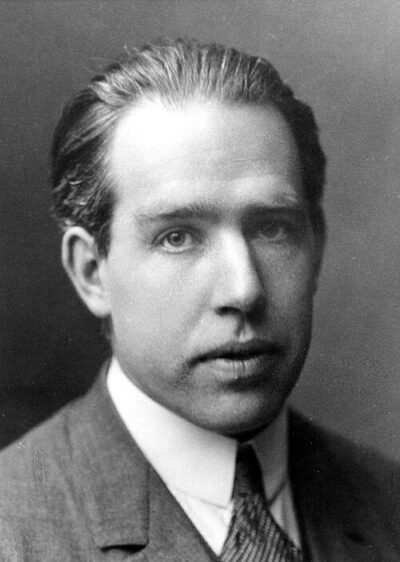 Niels BohrDanish physicist (1885–1962)
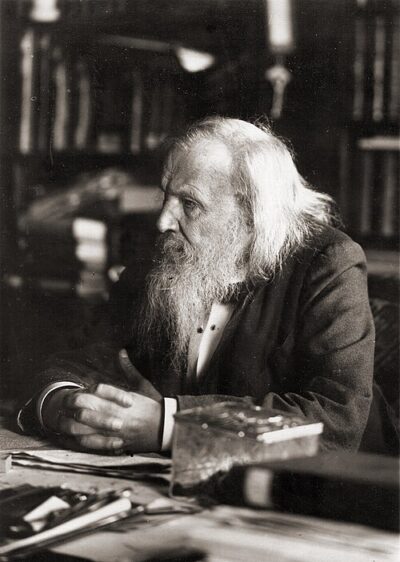 Dmitri Mendeleev (1905–)Russian chemist (1834–1907)
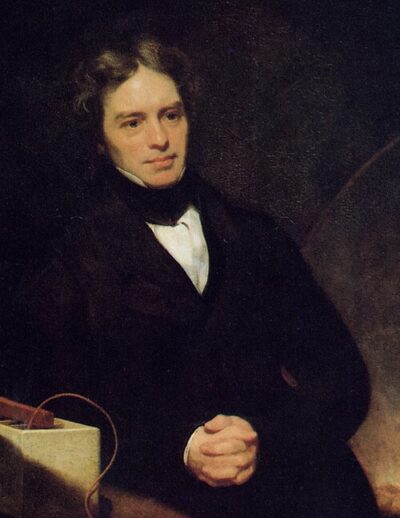 Michael FaradayBritish scientist (1791–1867)
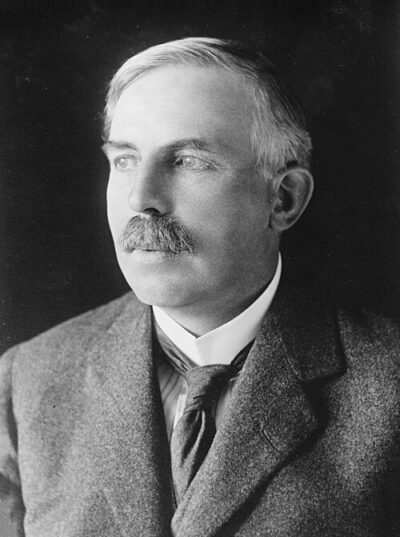 Ernest RutherfordNew Zealand physicist (1871–1937)
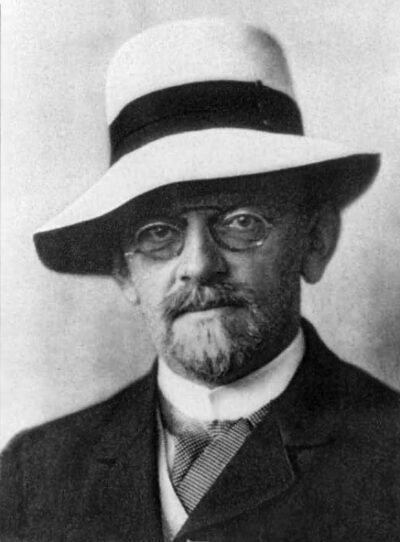 David HilbertGerman mathematician (1862–1943)
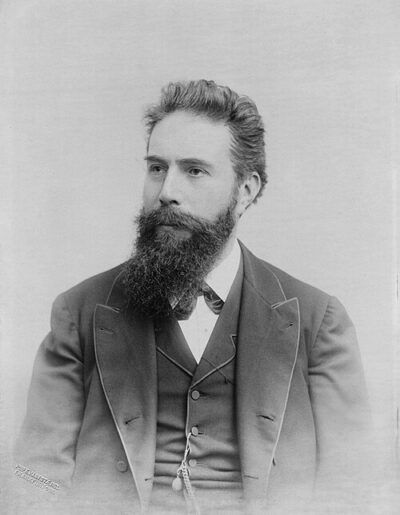 Wilhelm RöntgenGerman physicist (1845–1923)
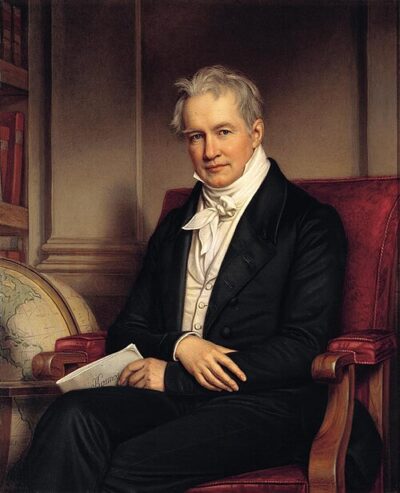 Alexander von HumboldtPrussian geographer, naturalist and explorer (1769–1859)
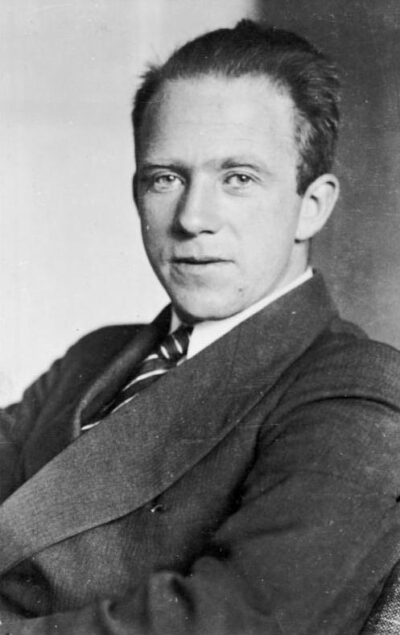 Werner HeisenbergGerman theoretical physicist and nobel prize winner (1901–1976)
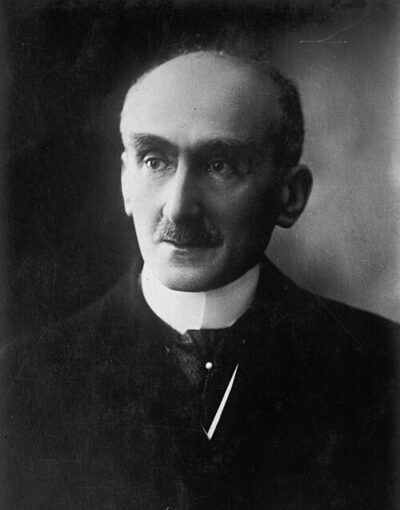 Henri BergsonFrench philosopher (1859–1941)
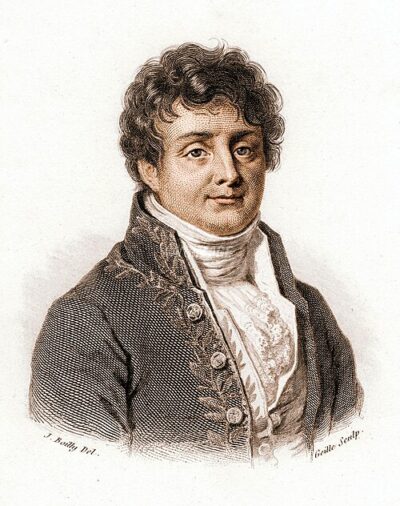 Joseph Fourier (1830–)French mathematician and physicist (1768 – 1830)
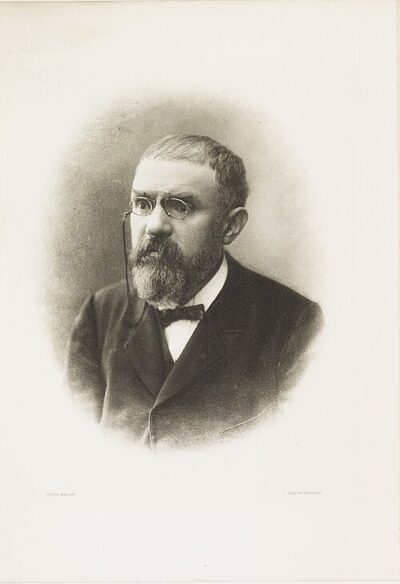 Henri PoincaréFrench mathematician, physicist and engineer (1854–1912)
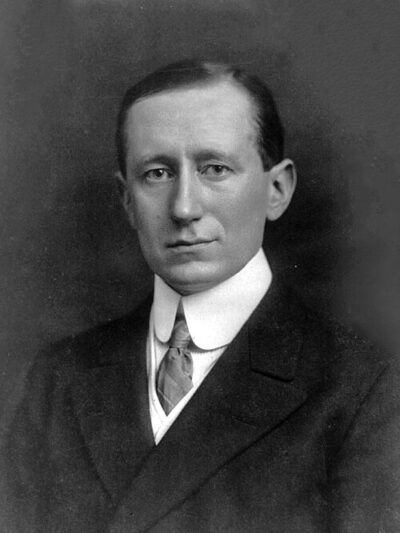 Guglielmo Marconi (1906–)Italian inventor and radio pioneer (1874–1937)
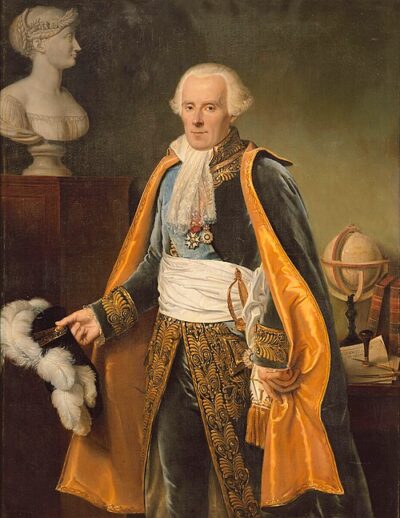 Pierre-Simon Laplace (1806–)French mathematician and astronomer (1749–1827)
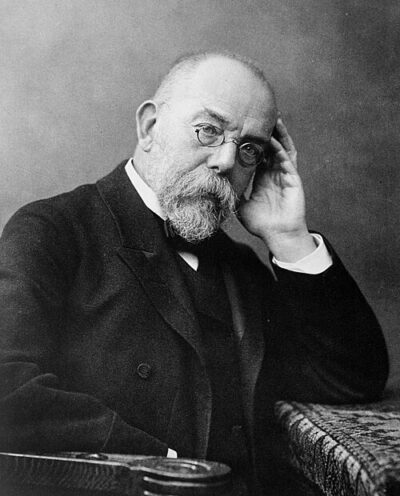 Robert KochGerman physician, bacteriologist (1843–1910)
and 281 more
