

Nobel Prize in Physiology or Medicine
Nobel Prize in Physiology or Medicine is one of five Nobel Prizes established in 1895 by Alfred Nobel. It was created in 1901. It is given by Karolinska Institutet.
- Given by
- Karolinska Institutet
- Country
- Sweden
- Created
- 1901
All 7 facts, and where they come from
Facts
7 facts · 0 confirmed by two sources · 0 cited · 7 from one source
Where this comes from
Papalocal keeps its own record. It started from these sources; what each one said is kept here as it was copied, so a change on their side never changes this page by itself. Tap one to read its version.
What Wikidata says · copied November 16, 2026 · revision 2554687220
- Described as
- one of five Nobel Prizes established in 1895 by Alfred Nobel
- Other names
- Nobel Prize in Medicine
- What it is
- science award; Nobel Prize
- Created
- 1901
- Country
- Sweden
- Given by
- Karolinska Institutet
- Named after
- Alfred Nobel
- Official website
- https://nobelprize.org/prizes/medicine
- Wikipedias with a page
- 96
Wikidata item Q80061 (wikidata.org/wiki/Q80061), public domain (CC0). Copied 2026-11-16.
What Wikipedia says · copied November 16, 2026 · revision 1384641975
The Nobel Prize in Physiology or Medicine is awarded yearly by the Nobel Assembly at the Karolinska Institute for outstanding discoveries in physiology or medicine. It is one of the five Nobel Prizes prizes that, in accordance with Alfred Nobel's 1895 will, are awarded "to those who, during the preceding year, have conferred the greatest benefit to humankind". Nobel Prizes are awarded in the fields of Physics, Medicine or Physiology, Chemistry, Literature, and Peace. A sixth prize, for Economic Sciences, was established in 1968 by Sveriges Riksbank (Sweden's central bank) in memory of Alfred Nobel.
The Nobel Prize is presented annually on the anniversary of Alfred Nobel's death, 10 December. As of 2026, 117 Nobel Prizes in Physiology or Medicine have been awarded to 235 laureates, 221 men and 14 women. The first one was awarded in 1901 to the German physiologist, Emil von Behring, for his work on serum therapy and the development of a vaccine against diphtheria. The first woman to receive the Nobel Prize in Physiology or Medicine, Gerty Cori, received it in 1947 for her role in elucidating the metabolism of glucose, important in many aspects of medicine, including treatment of diabetes. The most recent Nobel prize was announced by the Nobel Assembly at Karolinska Institutet on 5 October 2026, and has been awarded to American Karl Deisseroth, Germans Peter Hegemann and Georg Nagel, for their discoveries concerning light-gated ion channels and optogenetics.
The prize consists of a medal along with a diploma and a certificate for the monetary award. The front side of the medal displays the same profile of Alfred Nobel depicted on the medals for Physics, Chemistry, and Literature; the reverse side is unique to this medal.
Some awards have been controversial. This includes one to António Egas Moniz in 1949 for the prefrontal lobotomy, bestowed despite protests from the medical establishment. Other controversies resulted from disagreements over who was included in the award. The 1952 prize to Selman Waksman was litigated in court, and half the patent rights were awarded to his co-discoverer Albert Schatz who was not recognised by the prize. Nobel prizes cannot be awarded posthumously. Also, no more than three recipients can receive a Nobel Prize in Physiology or Medicine, a limitation that is sometimes discussed because of an increasing trend for larger teams to conduct important scientific projects.
From the Wikipedia article “Nobel Prize in Physiology or Medicine” (en.wikipedia.org/wiki/Nobel_Prize_in_Physiology_or_Medicine), by its contributors, under CC BY-SA 4.0 (creativecommons.org/licenses/by-sa/4.0/). Copied 2026-11-16; not changed.
Confirmed Two sources agree. Cited One source, and it names where it got it. One source One source, without a reference of its own. Sources disagree The sources disagree. We show the best-supported value and keep theirs below.
Picture: Wikimedia Commons: Nobel prize medal awarded to Alexander Fleming, 1945. (9660573705).jpg · See Commons file page
People connected 225
Won it 225
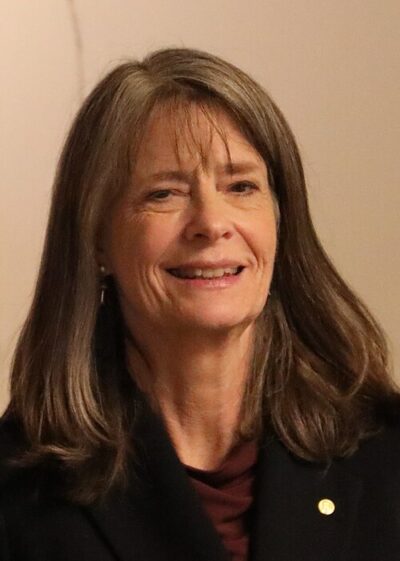 Mary E. Brunkow (2025)American molecular biologist and immunologist
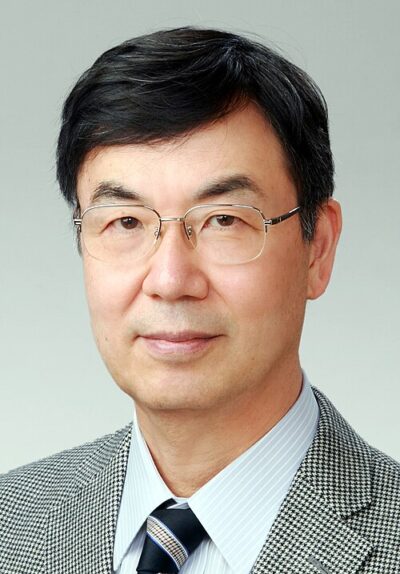 Shimon Sakaguchi (2025)Japanese immunologist and physician (1951-)
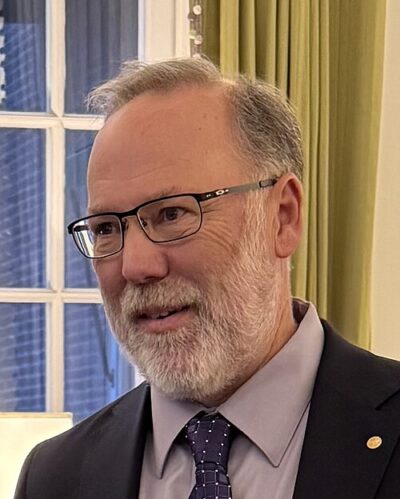 Fred Ramsdell (2025)American immunologist
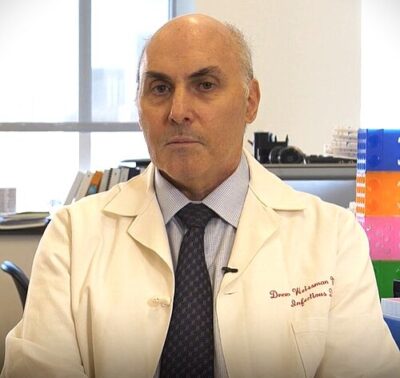 Drew Weissman (2023)American physician-scientist (born 1959)
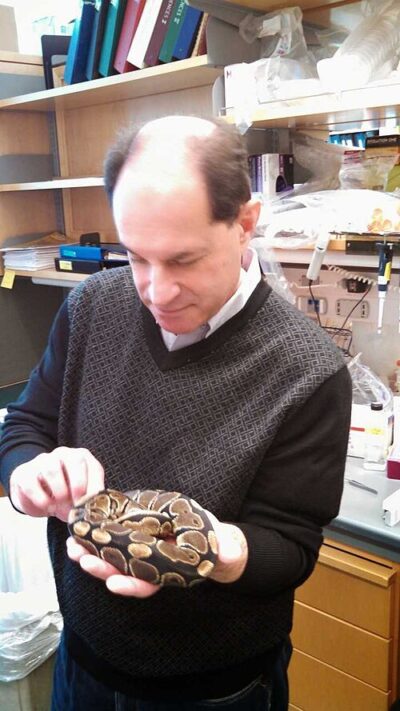 David Julius (2021)American physiologist and Nobel laureate 2021
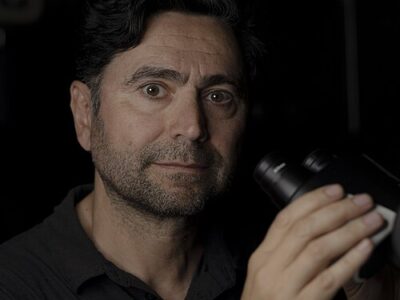 Ardem Patapoutian (2021)molecular biologist, neuroscientist, and Nobel laureate 2021
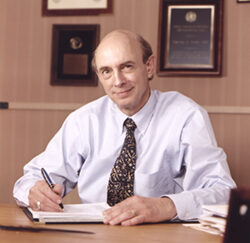 Harvey J. Alter (2020)American medical researcher
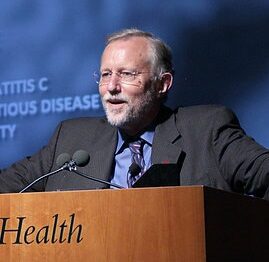 Charles M. Rice (2020)American virologist
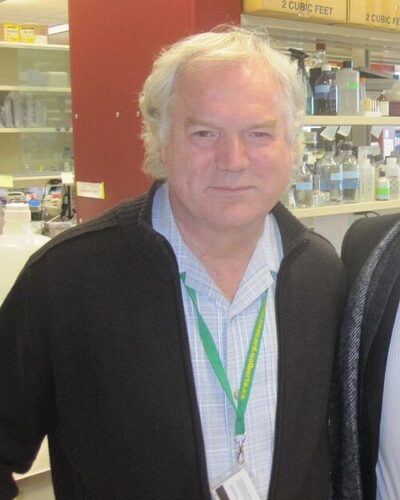 Michael Houghton (2020)virologist
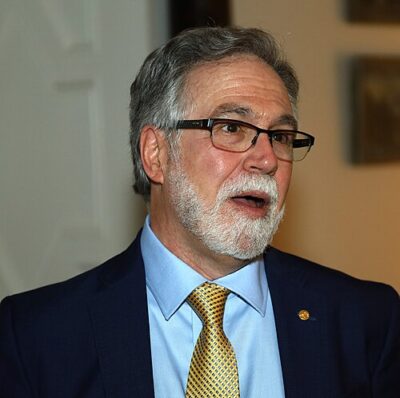 Gregg L. Semenza (2019)American physician and university teacher, Nobel laureate in Medicine, author of many retracted papers
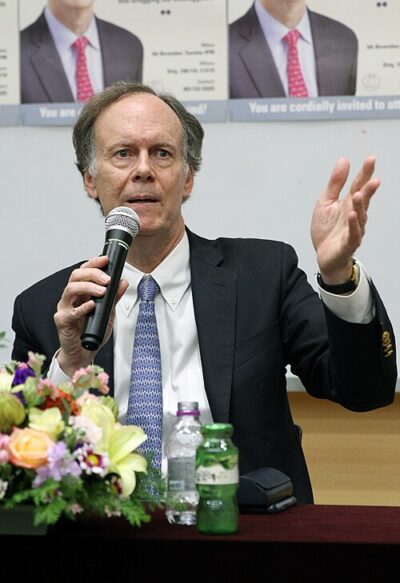 William G. Kaelin (2019)American Nobel Laureate, Professor of Medicine at Harvard University
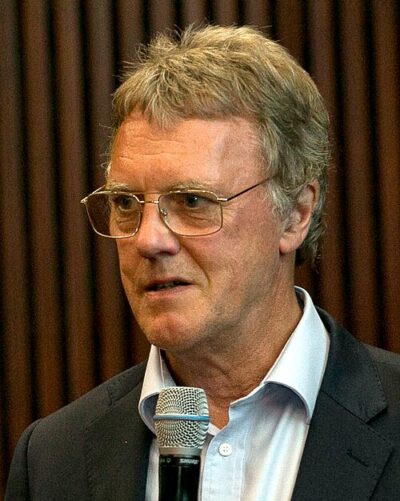 Peter J. Ratcliffe (2019)British biologist & Nobel laureate in medicine
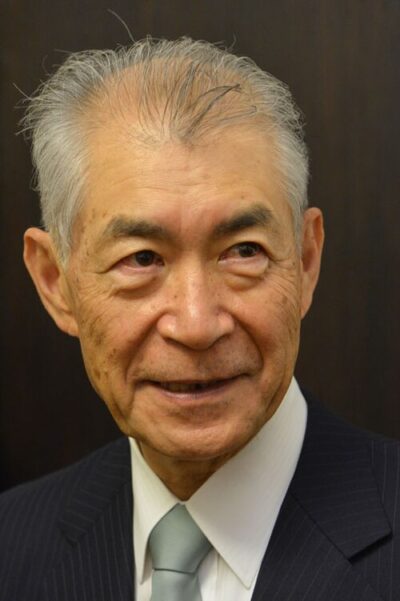 Tasuku Honjo (2018)Japanese professor of immunology and genomic medicine (1942–)
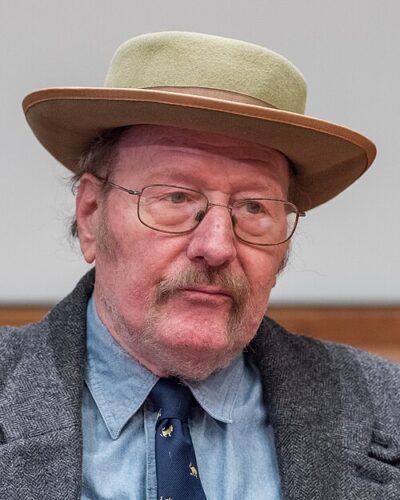 Jeffrey C. Hall (2017)American geneticist and chronobiologist
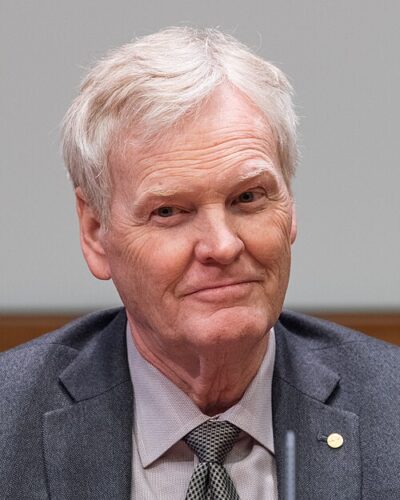 Michael W. Young (2017)American geneticist, chronobiologist
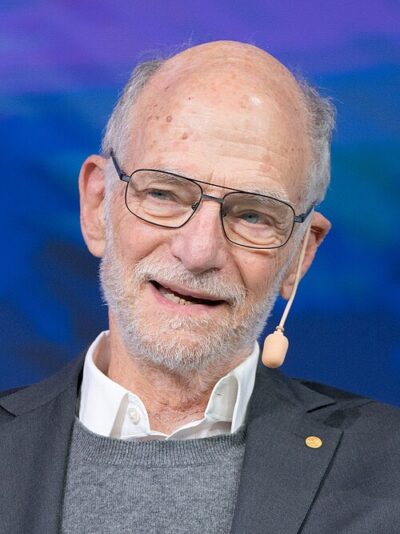 Michael Rosbash (2017)American geneticist and chronobiologist
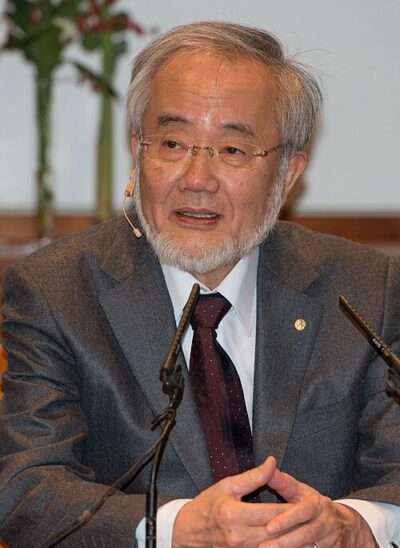 Yoshinori Ohsumi (2016)Japanese molecular biologist (1945 - )
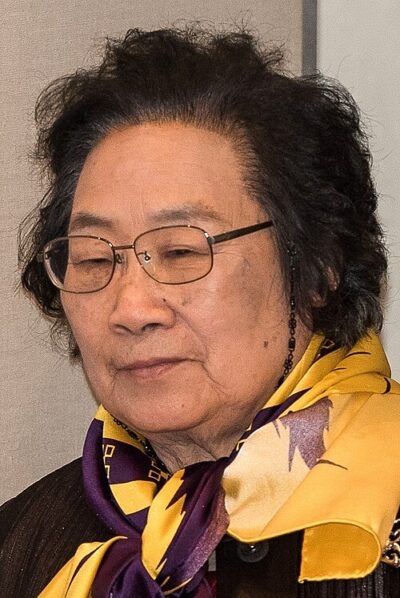 Tu Youyou (2015)Chinese medical scientist
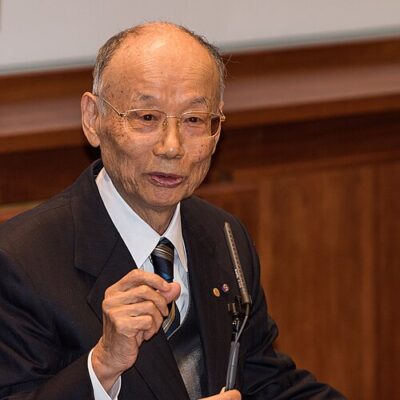 Satoshi Ōmura (2015)Japanese biochemist, microbiologist, and university teacher (born 1935)
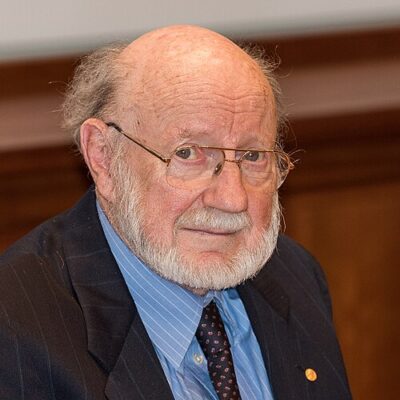 William C. Campbell (2015)Irish biochemist
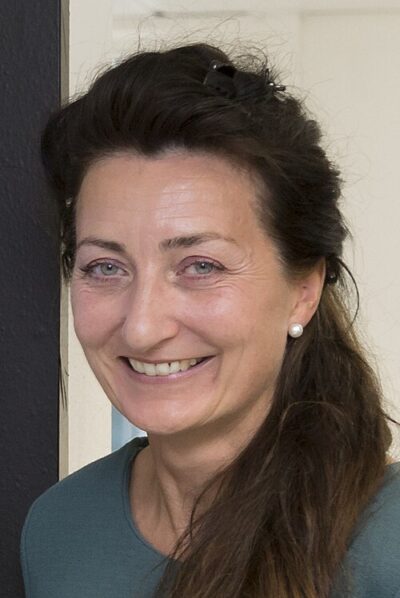 May-Britt Moser (2014)Norwegian psychologist and neuroscientist
 Edvard Moser (2014)Norwegian psychologist and neuroscientist
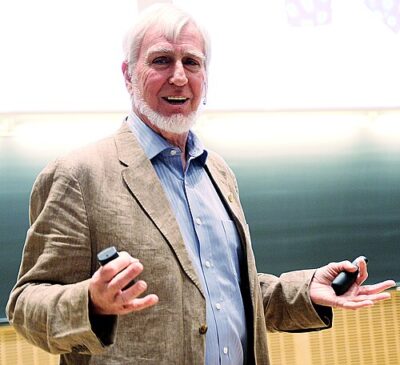 John O'Keefe (2014)American British neuroscientist, 2014 Nobel laureate in Physiology or Medicine
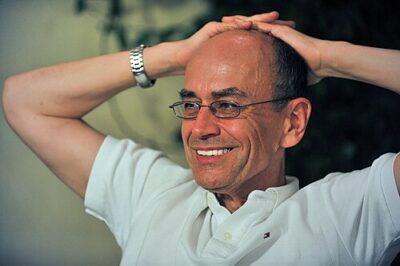 Thomas C. Südhof (2013)German biochemist
and 201 more
