
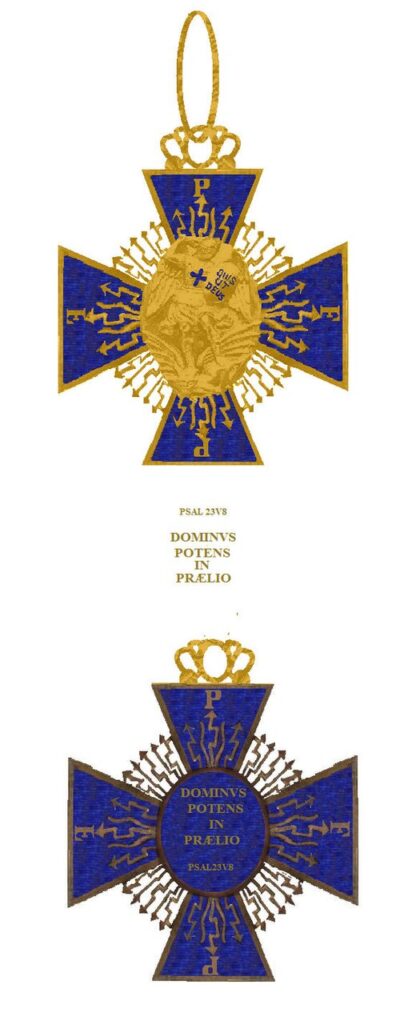
Order of Saint Michael
Order of Saint Michael is a Bavarian order of merit. It was created in 1693 by Joseph Clemens of Bavaria. It is given by the Kingdom of Bavaria.
- Given by
- Kingdom of Bavaria
- Country
- Electorate of Bavaria
- Created
- September 29, 1693
All 8 facts, and where they come from
Facts
8 facts · 0 confirmed by two sources · 0 cited · 8 from one source
Where this comes from
Papalocal keeps its own record. It started from these sources; what each one said is kept here as it was copied, so a change on their side never changes this page by itself. Tap one to read its version.
What Wikidata says · copied November 17, 2026 · revision 2568960488
- Described as
- Bavarian order of merit
- Other names
- Order of St. Michael of Merit, Order of St Michael of Merit, Bavarian Order of Saint Michael of Merit, Bavarian Order of St. Michael of Merit, Bavarian Order of St Michael of Merit, Order of Saint Michael of Merit, Order of Saint Michael of Bavaria, Order of St. Michael of Bavaria, Order of St Michael of Bavaria
- What it is
- order; Catholic ecclesiastical decoration
- Created
- September 29, 1693
- Founded by
- Joseph Clemens of Bavaria · 1 reference
- Country
- Electorate of Bavaria; Kingdom of Bavaria
- Given by
- Kingdom of Bavaria · 1 reference
- Named after
- Michael
- Wikipedias with a page
- 10
Wikidata item Q544092 (wikidata.org/wiki/Q544092), public domain (CC0). Copied 2026-11-17.
What Wikipedia says · copied November 17, 2026 · revision 1374809319
The Order of Saint Michael (German: Orden zum Heiligen Michael), later Order of Merit of Saint Michael (German: Verdienstorden vom Heiligen Michael), was founded on 29 September 1693 by Joseph Clemens of Bavaria, then Archbishop-Elector of Cologne, as a military order. Its full name was Most Illustrious Military Order of Defenders of Divine Glory under the Protection of the Holy Archangel Michael. Initially, this order was only open to the Catholic nobility. Upon its institution, the order consisted of the Grand Master and three classes: Knight Commander, Knight Officer and Knight, divided in two divisions, spiritual and secular. The Grand Master and Knights Commander were bestowed with a breast star. The Knights Commander or Knights Grand Cross, officially limited to nine of the spiritual and the secular division each, constituted the chapter. The order has had four spiritual Knights Officers: chancellor, honorary chaplain, almoner, and sacristan, and the same amount of secular Knights Officers: marshal, treasurer, equerry, and chamberlain. The third class of Knights was limited to 18 spiritual and secular knights each, so the order ideally should have had 63 members, representing the age of the queen of angels.
The first headquarter on the order was located in the Godesburg in the Electorate of Cologne, from the 1750s in the Electoral Palace. Its Bavarian main church was St. Michael in Berg am Laim, Munich.
In 1808, the order was recognized by Maximilian I Joseph of Bavaria as an order of chivalry in the Kingdom of Bavaria, and the grade of Knights of Honour, limited to twelve recipients, mostly Protestants and literary commoners, was added to the third class. In 1813, the order received the official title of the Knightly House Order of St. Michael.
On 16 February 1837, Ludwig I of Bavaria transformed the military order into an order of merit, called Order of Merit of St. Michael, divided into three classes: Knight Grand Cross, Knight Commander, and Knight. The physical appearance of the decorations also changed at this time. In 1855, the classes of Knight Grand Commander and Knight 2nd class were introduced. In 1887, according to a proposal of Crailsheim, the order got reformed and divided into Knights 1st, 2nd, 3rd and 4th class; a cross of merit and a silver medal were affiliated with the order.
From the Wikipedia article “Order of Saint Michael (Bavaria)” (en.wikipedia.org/wiki/Order_of_Saint_Michael_(Bavaria)), by its contributors, under CC BY-SA 4.0 (creativecommons.org/licenses/by-sa/4.0/). Copied 2026-11-17; not changed.
Confirmed Two sources agree. Cited One source, and it names where it got it. One source One source, without a reference of its own. Sources disagree The sources disagree. We show the best-supported value and keep theirs below.
Picture: Robert Prummel, via Wikimedia Commons · CC BY-SA 3.0
People connected 14
Won it
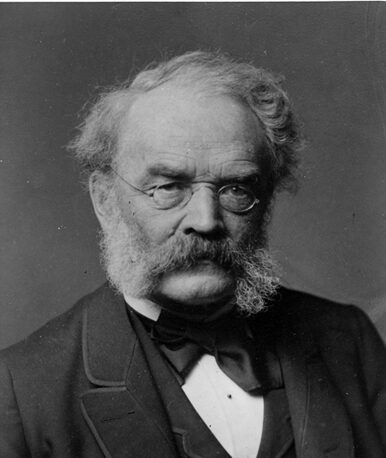 Werner von Siemens (1892)German electrical engineer, inventor and industrialist (1816–1892)
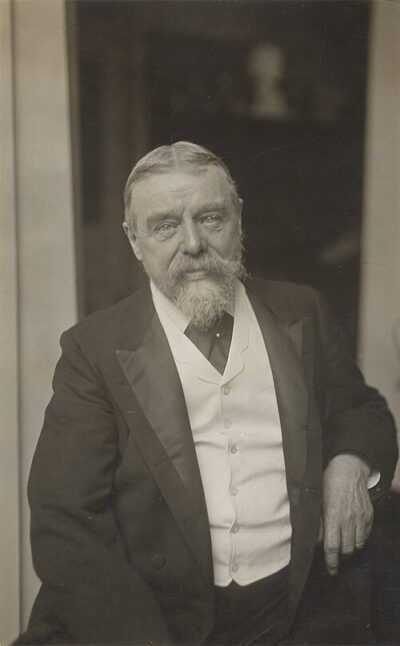 Lawrence Alma-Tadema (1869)Dutch-born British painter (1836–1912)
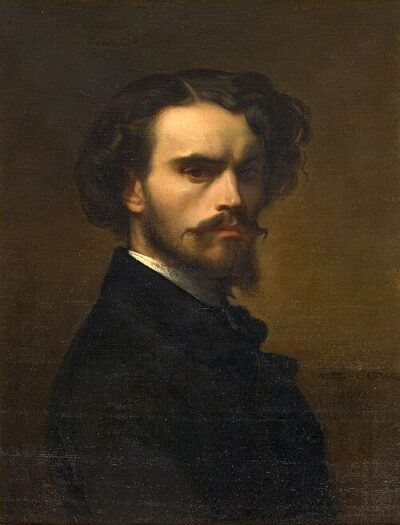 Alexandre Cabanel (1867)French painter (1823–1889)
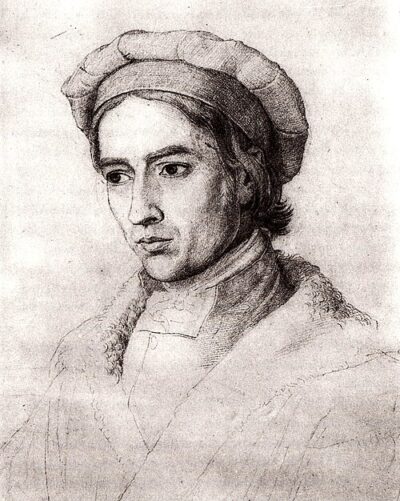 Johann Friedrich Overbeck (1839)German painter, a member of the Nazarene movement (1789–1869)
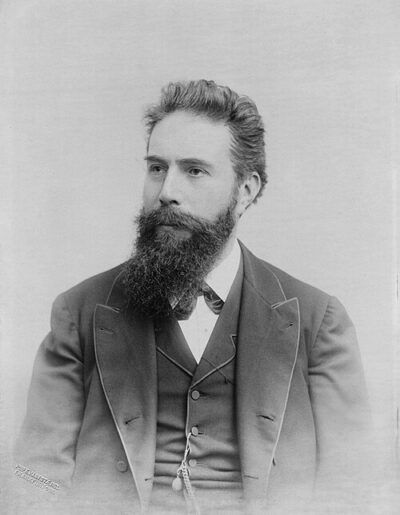 Wilhelm RöntgenGerman physicist (1845–1923)
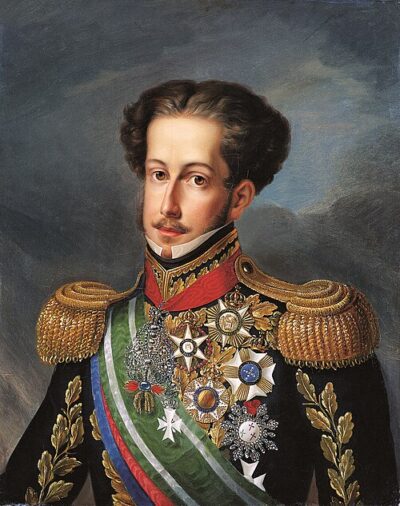 Pedro I of BrazilEmperor of Brazil from 1822 to 1831 and King of Portugal in 1826 (1798-1834)
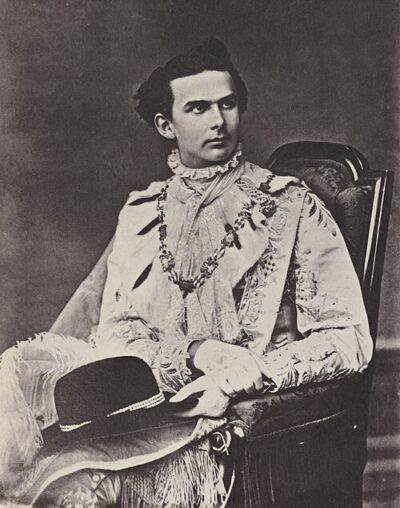 Ludwig II of BavariaKing of Bavaria (1845–1886)
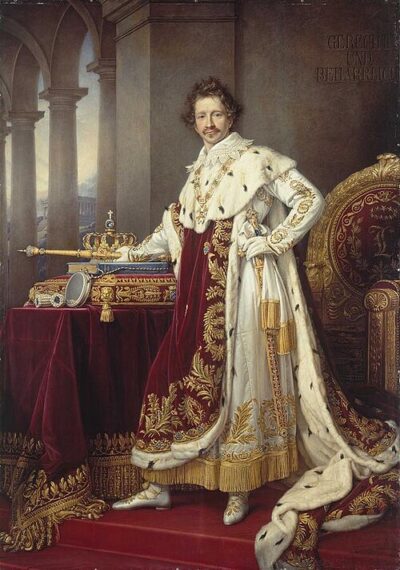 Ludwig I of BavariaKing of Bavaria (1786–1868)
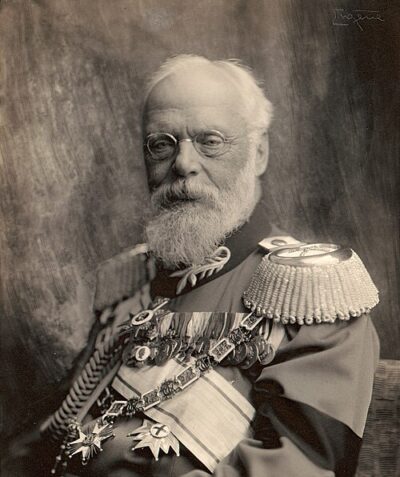 Ludwig III of BavariaKing of Bavaria (1845-1921)
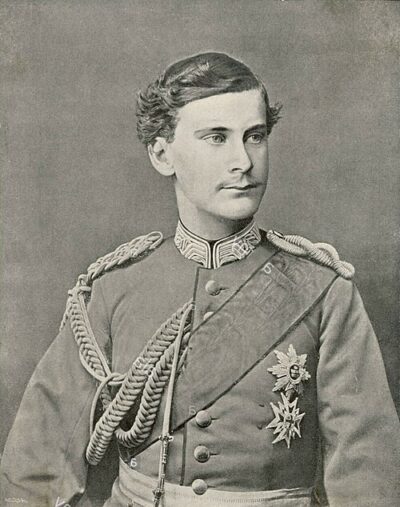 Otto, King of BavariaKing of Bavaria (1848-1916)
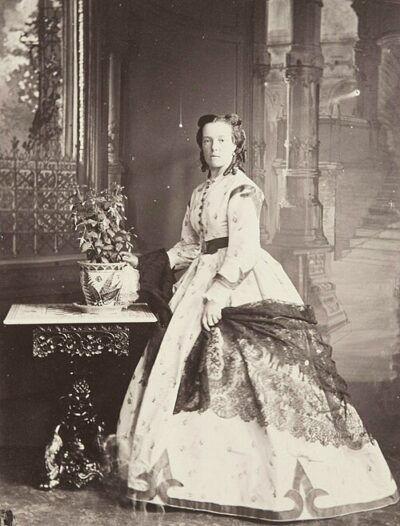 Marie Henriette of Austriaqueen consort of Belgium
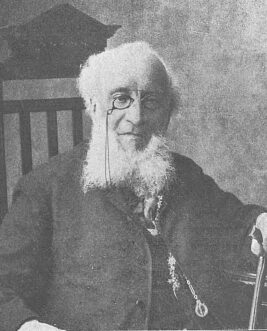 Pyotr Semyonov-Tyan-ShanskyRussian geographer, art collector and statistician
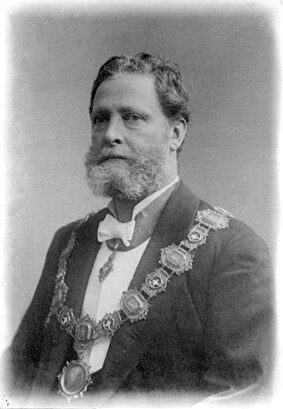 Karl LuegerAustrian politician (1844-1910)
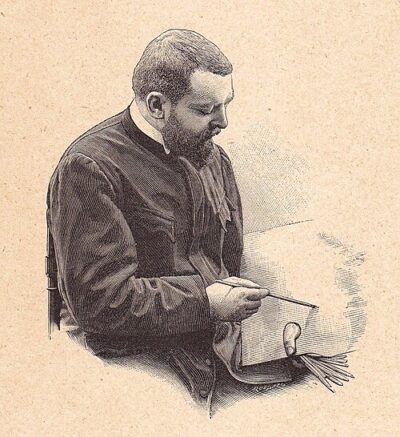 Henri GervexFrench painter (1852-1929)
