
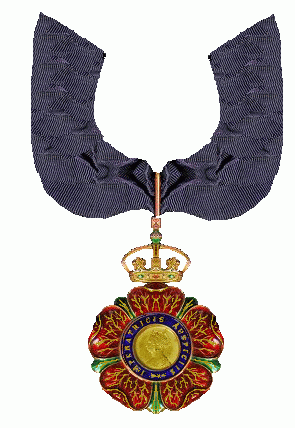
Order of the Indian Empire
Order of the Indian Empire is a British order of chivalry established 1878. It was created by Victoria.
- Country
- United Kingdom
- Created
- 1878
All 5 facts, and where they come from
Facts
5 facts · 0 confirmed by two sources · 0 cited · 5 from one source
Where this comes from
Papalocal keeps its own record. It started from these sources; what each one said is kept here as it was copied, so a change on their side never changes this page by itself. Tap one to read its version.
What Wikidata says · copied November 17, 2026 · revision 2569187946
- Described as
- British order of chivalry established 1878
- Other names
- Most Eminent Order of the Empire of India, The Most Eminent Order of the Empire of India, Order of the Empire of India
- What it is
- orders, decorations, and medals of the United Kingdom; award
- Created
- 1878
- Founded by
- Victoria
- Country
- United Kingdom
- Wikipedias with a page
- 23
Wikidata item Q93710 (wikidata.org/wiki/Q93710), public domain (CC0). Copied 2026-11-17.
What Wikipedia says · copied November 17, 2026 · revision 1385742219
The Most Eminent Order of the Indian Empire is an order of chivalry founded by Queen Victoria on 1 January 1878. The Order includes members in three classes or ranks:
Knight Grand Commander (GCIE)
Knight Commander (KCIE)
Companion (CIE)
New appointments to the order ceased after 1947, the year that British India became the independent Union of India and Dominion of Pakistan. With the death of the last surviving knight, the Maharaja Meghrajji III of Dhrangadhra, the order became dormant in 2010.
The motto of the Order is Imperatricis auspiciis, (Latin for "Under the auspices of the Empress"), a reference to Queen Victoria, the first Empress of India. The Order is the junior British order of chivalry associated with the British Indian Empire; the senior one is The Most Exalted Order of the Star of India.
From the Wikipedia article “Order of the Indian Empire” (en.wikipedia.org/wiki/Order_of_the_Indian_Empire), by its contributors, under CC BY-SA 4.0 (creativecommons.org/licenses/by-sa/4.0/). Copied 2026-11-17; not changed.
Confirmed Two sources agree. Cited One source, and it names where it got it. One source One source, without a reference of its own. Sources disagree The sources disagree. We show the best-supported value and keep theirs below.
Picture: Robert Prummel, via Wikimedia Commons · CC BY-SA 3.0
People connected 8
Won it
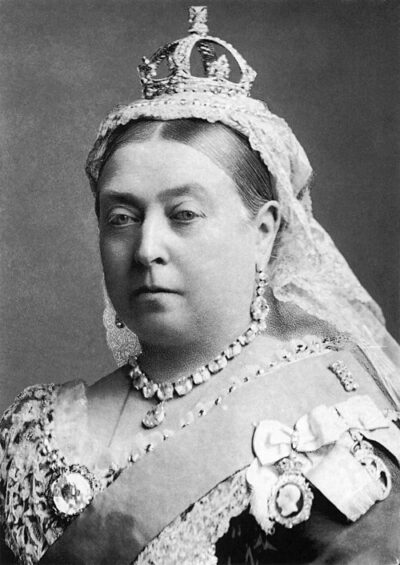 VictoriaQueen of the United Kingdom from 1837 to 1901 (1819–1901)
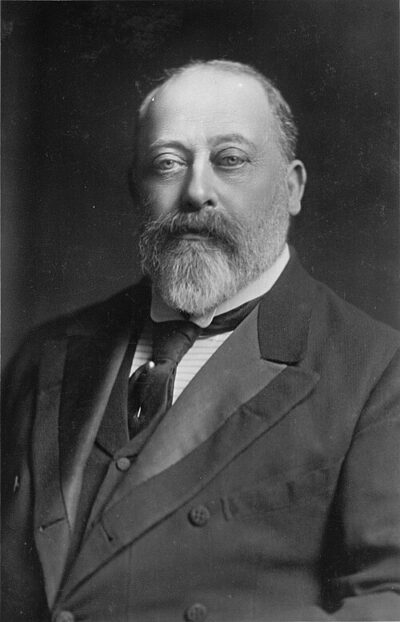 Edward VIIKing of the United Kingdom from 1901 to 1910
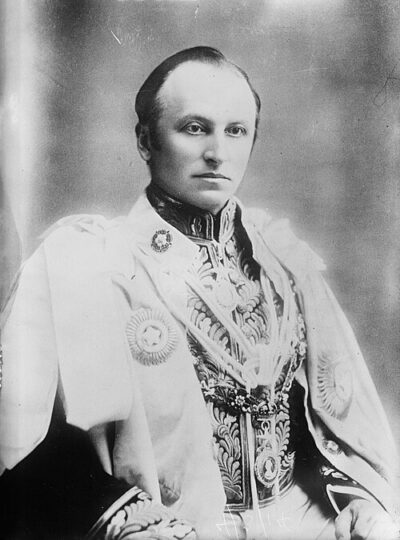 George Curzon, 1st Marquess Curzon of KedlestonViceroy of India and British Foreign Secretary (1859–1925)
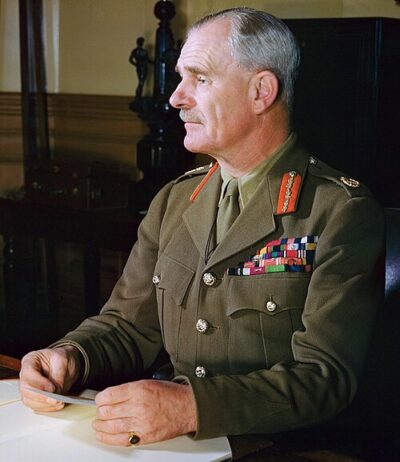 Archibald Wavell, 1st Earl WavellBritish Army general and Viceroy of India
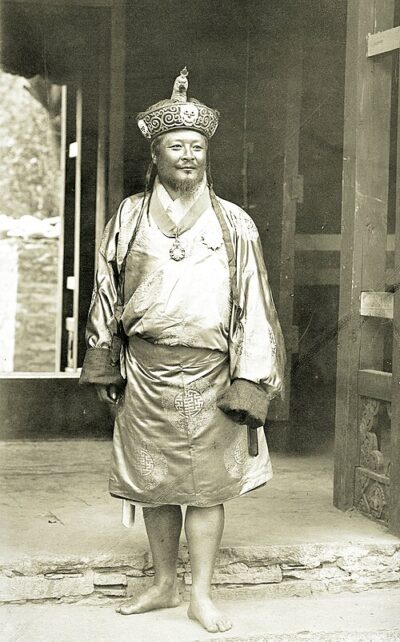 Ugyen Wangchuckking of Bhutan (1862-1926)
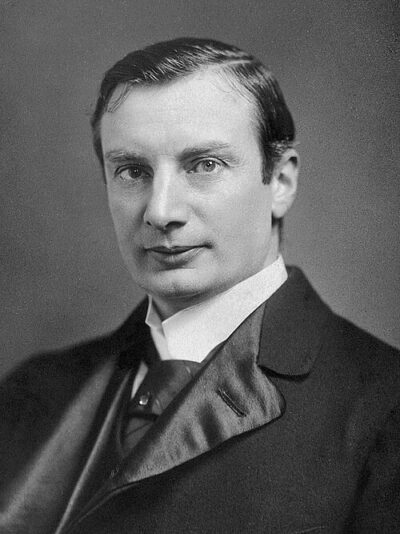 Waldemar Haffkinebacteriologist (1856–1930)
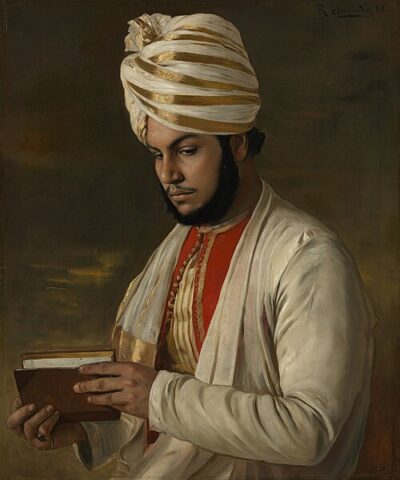 Abdul KarimIndian royal domestic servant in the UK (1863–1909)
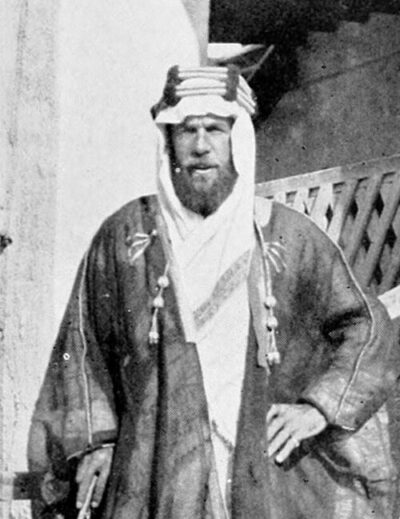 St John PhilbyEnglish Arabist, explorer, writer, and British colonial office intelligence officer (1885–1960)
