
Prime Minister of Pakistan
Prime Minister of Pakistan is a head of government of Pakistan. It was created in 1947.
All 5 facts, and where they come from
Facts
5 facts · 0 confirmed by two sources · 0 cited · 5 from one source
Where this comes from
Papalocal keeps its own record. It started from these sources; what each one said is kept here as it was copied, so a change on their side never changes this page by itself. Tap one to read its version.
What Wikidata says · copied November 16, 2026 · revision 2559537949
- Described as
- head of government of Pakistan
- Other names
- chief executive of the Islamic Republic
- What it is
- public office
- Created
- August 15, 1947
- Country
- Pakistan
- Office of
- Pakistan
- Official website
- http://www.pakistan.gov.pk/
- Wikipedias with a page
- 40
Wikidata item Q735575 (wikidata.org/wiki/Q735575), public domain (CC0). Copied 2026-11-16.
What Wikipedia says · copied November 16, 2026 · revision 1384827083
The prime minister of Pakistan is the head of government of the Islamic Republic of Pakistan. Executive authority is vested in the prime minister-led and appointed cabinet, with the president of Pakistan serving as the nominal head of executive and state. The prime minister is often the leader of the party or the coalition with a majority in the lower house of the federal parliament, the National Assembly, where he serves as leader of the House. Prime minister holds office by virtue of their ability to command the confidence of the National Assembly. The prime minister is designated as the "chief executive of the Islamic Republic". Despite the prime minister's authority as the head of government, due to the influence of the military, the chief of the army staff is seen as the de facto most powerful office in the country, above the Prime Minister.
Pakistan's prime minister leads the executive branch of the federal government, oversees the state economy, leads the National Assembly, heads the Council of Common Interests as well as the Cabinet, and is charged with leading the National Command Authority over Pakistan's nuclear weapons arsenal. This position places its holder in leadership of the nation and in control over all matters, both internal affairs and foreign policy. The prime minister is elected by the members of the National Assembly and is therefore usually the leader of the majority party in the parliament. The Constitution of Pakistan vests executive powers in the prime minister, who is responsible for appointing the Cabinet as well as running the executive branch, taking and authorizing executive decisions, appointments, and recommendations that require prime ministerial confirmation.
Constitutionally, the prime minister serves as the chief adviser to the president of Pakistan on critical matters; and plays an influential role in appointment in each branch of the military leadership as well as ensuring civilian control of the military through chairman joint chiefs, although this does not necessarily happen in tandem. Prime ministerial powers have significantly grown with a delicate system of check and balance by each branch. The position was absent during the years of 1958–1973, 1977–1985, and 1999–2002 due to imposed martial law. In each of these periods, the military junta led by the president had the powers of the prime minister. As of 2025, no prime minister of Pakistan has completed a full five-year term in office.
From the Wikipedia article “Prime Minister of Pakistan” (en.wikipedia.org/wiki/Prime_Minister_of_Pakistan), by its contributors, under CC BY-SA 4.0 (creativecommons.org/licenses/by-sa/4.0/). Copied 2026-11-16; not changed.
Confirmed Two sources agree. Cited One source, and it names where it got it. One source One source, without a reference of its own. Sources disagree The sources disagree. We show the best-supported value and keep theirs below.
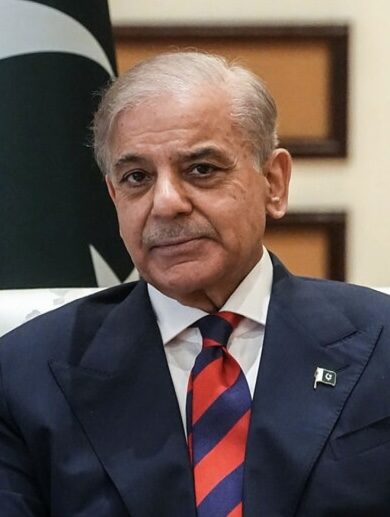
Picture: Hamed Malekpour, via Wikimedia Commons · CC BY 4.0
People connected 22
Held this office
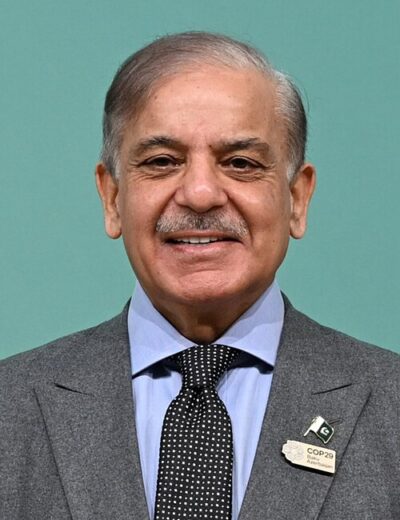 Shehbaz Sharif (2022–)Prime Minister of Pakistan (2022–2023; 2024–present)
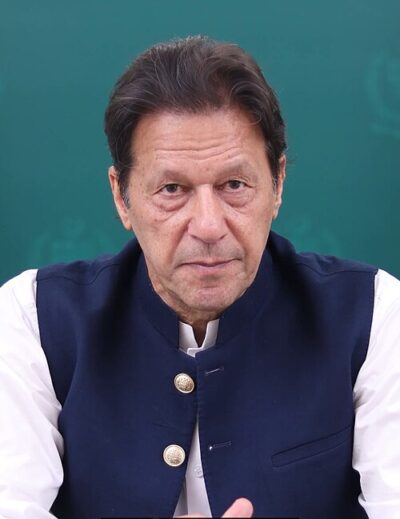 Imran Khan (2018–2022)Prime Minister of Pakistan from 2018 to 2022
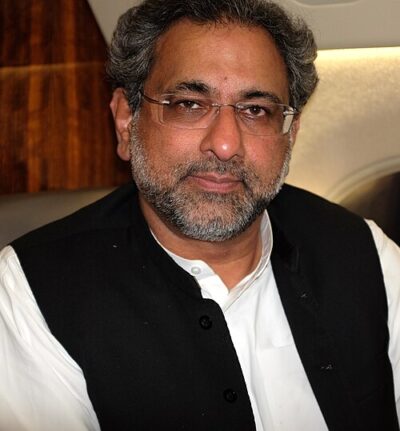 Shahid Khaqan Abbasi (2017–2018)Pakistani politician and businessman
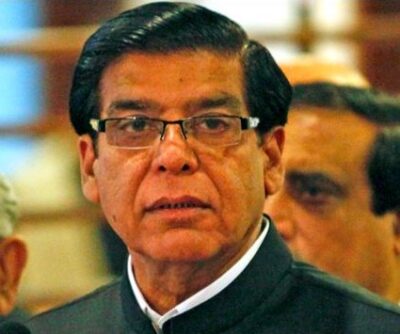 Raja Pervez Ashraf (2012–2013)Pakistani politician
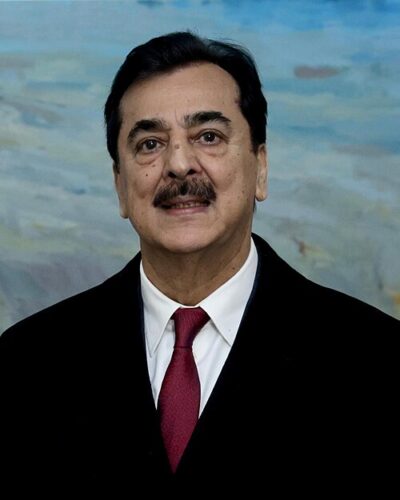 Yusuf Raza Gilani (2008–2012)Prime Minister of Pakistan from 2008 to 2012
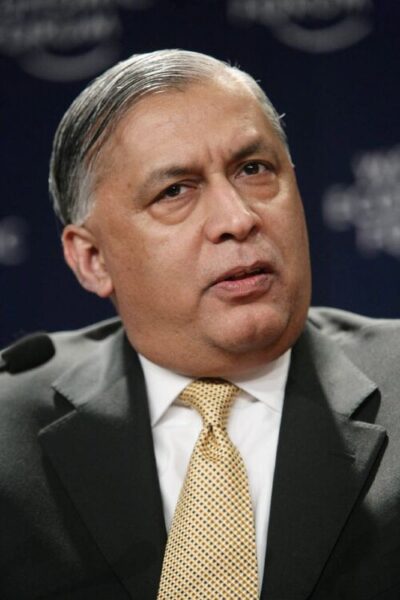 Shaukat Aziz (2004–2007)Pakistani banker and politician (born 1949)
 Shujaat Hussain (2004)Pakistani politician (born 1940)
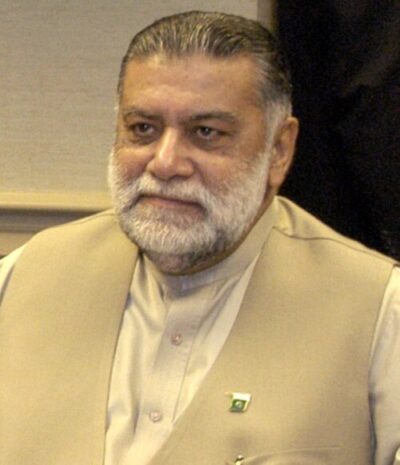 Zafarullah Khan Jamali (2002–2004)15th Prime Minister of Pakistan (1944–2020)
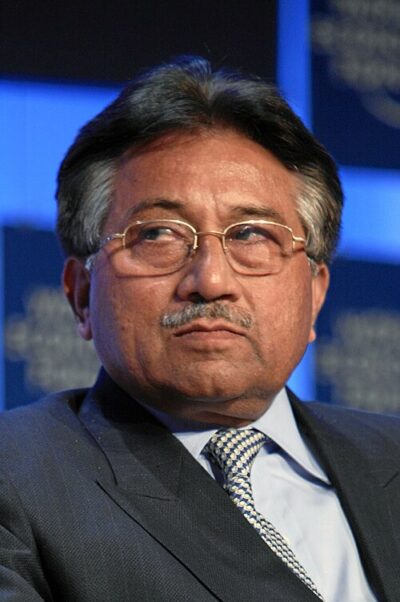 Pervez Musharraf (1999–2002)Pakistani soldier and politician (1943-2023)
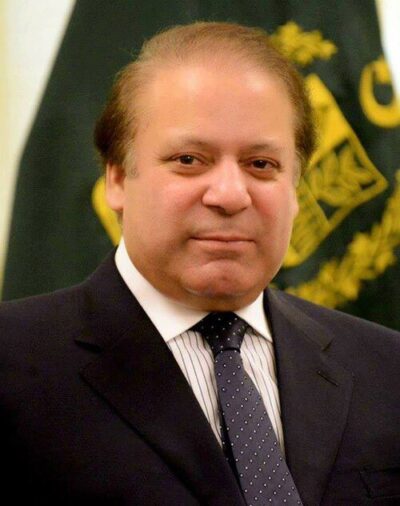 Nawaz Sharif (1990–2017)former prime minister of Pakistan
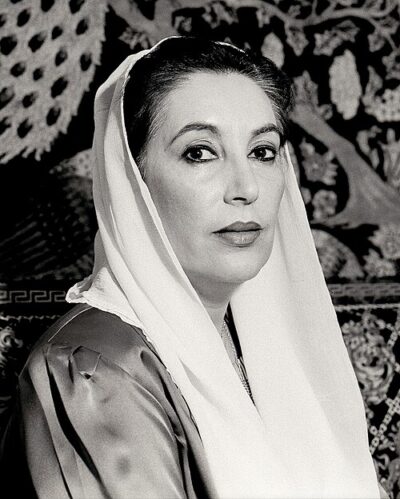 Benazir Bhutto (1988–1996)11th and 13th prime minister of Pakistan (1953–2007)
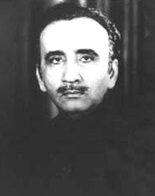 Muhammad Junejo (1985–1988)Prime Minister of Pakistan (1932-1993)
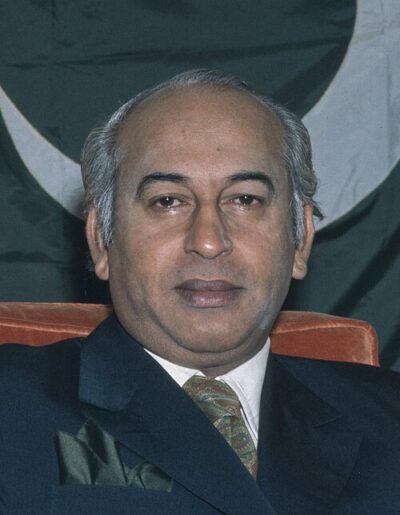 Zulfikar Ali Bhutto (1973–1977)4th President and 9th Prime Minister of Pakistan (1928–1979)
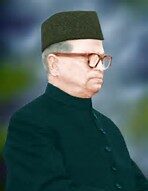 Nurul Amin (1971)Bengali lawyer, politician and Prime Minister and Vice-President of Pakistan (1893-1974)
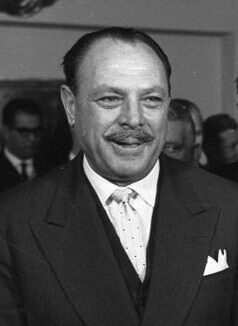 Ayub Khan (1958)President of Pakistan from 1958 to 1969
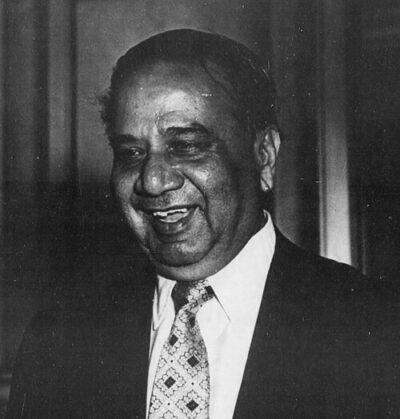 Huseyn Shaheed Suhrawardy (1956–1957)Bengali barrister and politician (1892–1963)
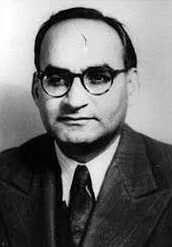 Chaudhry Muhammad Ali (1955–1956)politician and Prime minister of Pakistan (1905–1982)
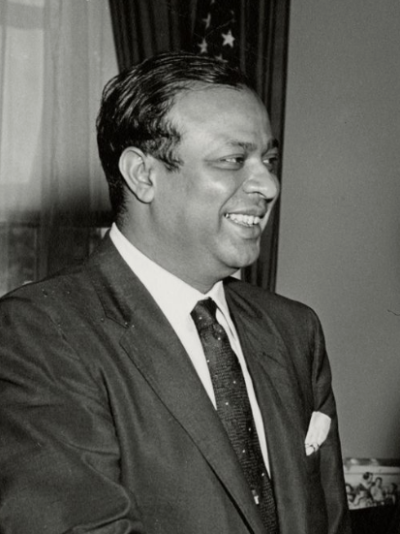 Muhammad Ali Bogra (1953–1955)Prime Minister of Pakistan from 1953 to 1955
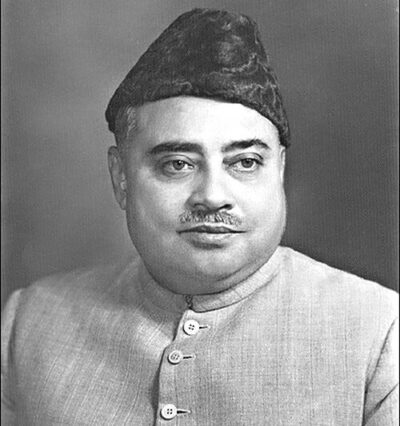 Khawaja Nazimuddin (1951–1953)Pakistani politician and statesman (1894–1964)
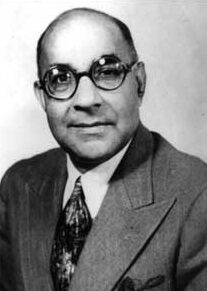 Liaquat Ali Khan (1947–1951)1st Prime Minister of Pakistan from 1947 to 1951
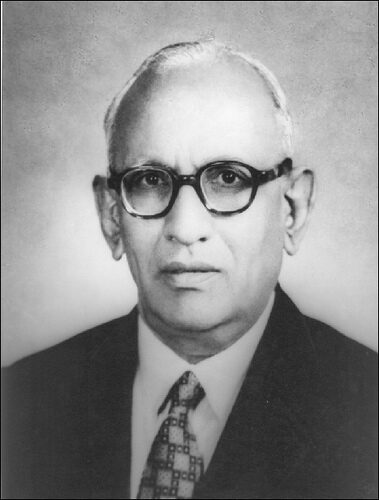 Ibrahim Ismail ChundrigarPakistani politician and diplomat (1897–1960)
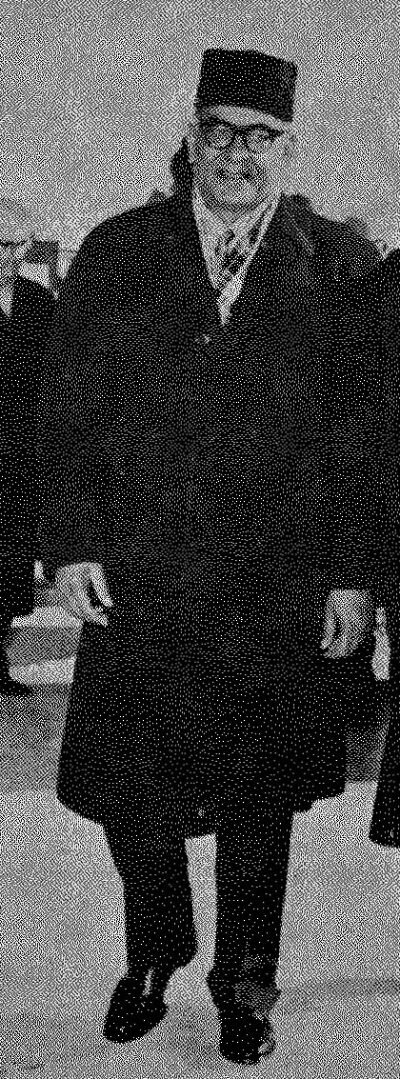 Firoz Khan Nun7th Prime Minister of Pakistan (1893–1970)
