Privy Council of the United Kingdom
The Privy Council of the United Kingdom is a formal body of advisers to the sovereign in the United Kingdom. It was founded in 1708.
- Founded
- May 1, 1708
- Country
- United Kingdom
All 4 facts, and where they come from
Facts
4 facts · 0 confirmed by two sources · 0 cited · 4 from one source
Where this comes from
Papalocal keeps its own record. It started from these sources; what each one said is kept here as it was copied, so a change on their side never changes this page by itself. Tap one to read its version.
What Wikidata says · copied November 17, 2026 · revision 2510721354
- Described as
- formal body of advisers to the sovereign in the United Kingdom
- Other names
- Her Majesty's Most Honourable Privy Council, Privy Council, His Majesty's Most Honourable Privy Council
- What it is
- privy council
- Founded
- May 1, 1708
- Country
- United Kingdom
- Official website
- https://privycouncil.independent.gov.uk/
- Wikipedias with a page
- 43
Wikidata item Q683120 (wikidata.org/wiki/Q683120), public domain (CC0). Copied 2026-11-17.
What Wikipedia says · copied November 17, 2026 · revision 1385757714
The Privy Council, formally His Majesty's Most Honourable Privy Council, is a formal body of advisers to the sovereign of the United Kingdom. Its members, known as privy counsellors, are mainly senior politicians who are current or former members of either the House of Commons or the House of Lords.
The Privy Council formally advises the sovereign on the exercise of the royal prerogative. The King-in-Council issues executive instruments known as Orders in Council. The Privy Council also holds the delegated authority to issue Orders of Council, mostly used to regulate certain public institutions. It advises the sovereign on the issuing of royal charters, which are used to grant special status to incorporated bodies, and city or borough status to local authorities. Otherwise, the Privy Council's powers have now been largely reserved to its executive committee, the Cabinet of the United Kingdom, which thus serves as the senior decision-making body of the government. The council is administratively headed by the Lord President of the Council who is a member of the cabinet, and is appointed on the advice of the Prime Minister.
Certain judicial functions are also performed by the King-in-Council, although in practice its actual work of hearing and deciding upon cases is carried out day-to-day only by the Judicial Committee of the Privy Council. The Judicial Committee consists of senior judges appointed as privy counsellors: predominantly justices of the Supreme Court of the United Kingdom, as well as some senior judges from other Commonwealth nations. The Privy Council by its Judicial Committee was formerly the final court of appeal for litigants in courts throughout the British Empire (but not for most cases in the United Kingdom itself). It continues to be the highest court of appeal for some Commonwealth countries, Crown Dependencies, British Overseas Territories, as well as for a few institutions in the United Kingdom.
From the Wikipedia article “Privy Council (United Kingdom)” (en.wikipedia.org/wiki/Privy_Council_(United_Kingdom)), by its contributors, under CC BY-SA 4.0 (creativecommons.org/licenses/by-sa/4.0/). Copied 2026-11-17; not changed.
Confirmed Two sources agree. Cited One source, and it names where it got it. One source One source, without a reference of its own. Sources disagree The sources disagree. We show the best-supported value and keep theirs below.
People connected 9
Members
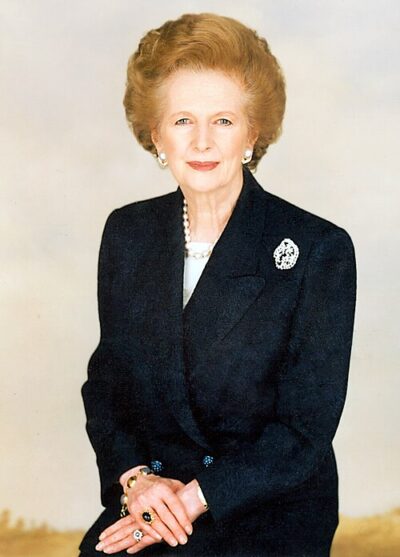 Margaret Thatcher (1970–2013)Prime Minister of the United Kingdom from 1979 to 1990
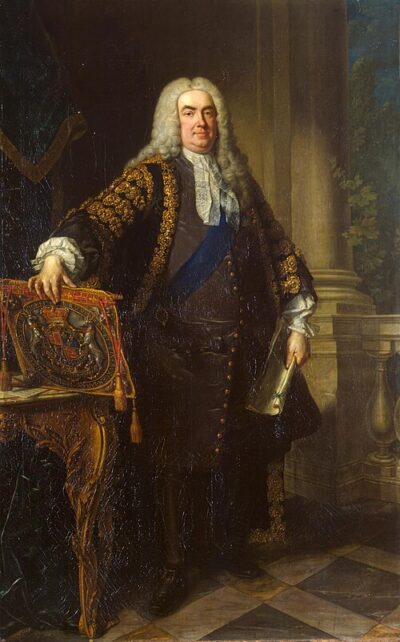 Robert WalpoleBritish statesman and art collector, 1st Earl of Orford (1676–1745)
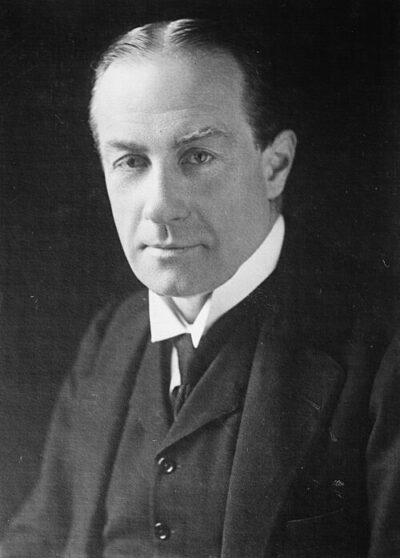 Stanley BaldwinBritish statesman (1867–1947)
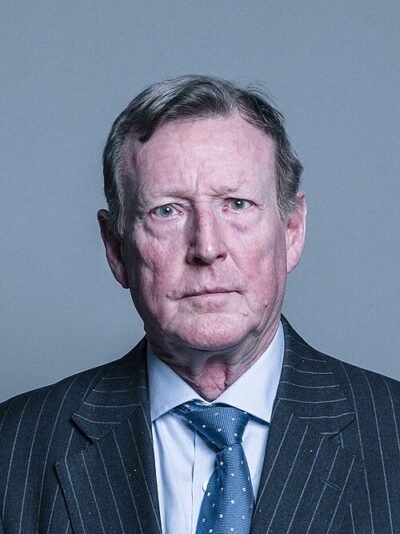 David Trimble (1998–)First Minister of Northern Ireland from 1998 to 2002
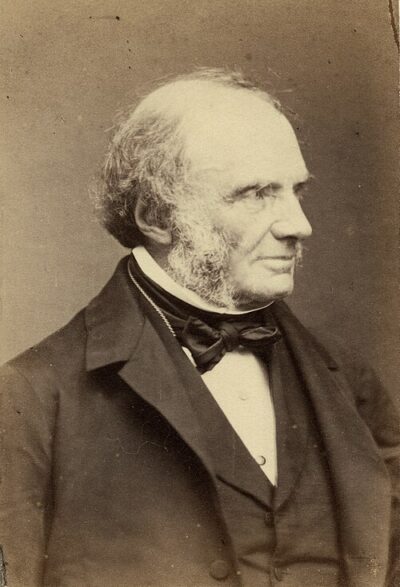 John Russell, 1st Earl RussellPrime Minister of the United Kingdom, 1846–1852 and 1865–1866 (1792–1878)
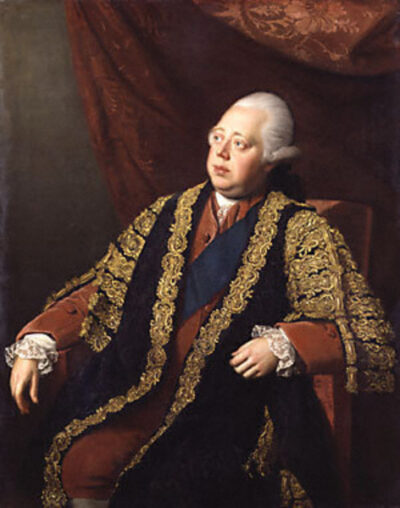 Frederick North, 2nd Earl of GuilfordBritish statesman and Prime Minister of Great Britain from 1770 to 1782 (1732-1792)
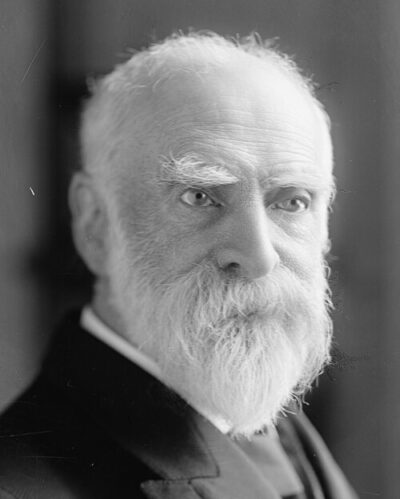 James Bryce, 1st Viscount BryceBritish academic (1838-1922)
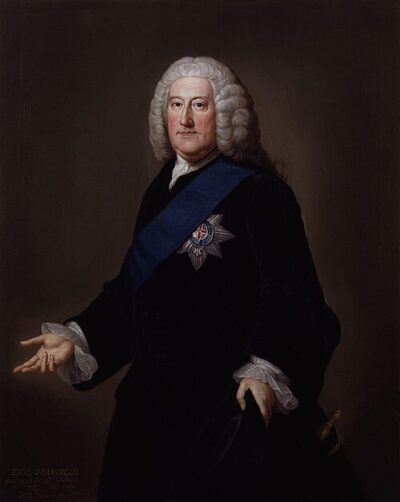 John Carteret, 2nd Earl GranvilleBritish statesman (1690-1763)