
Roman censor
Roman censor is a Roman magistrate responsible for the census and monitoring public morality. It was created in -443. It is an office of Ancient Rome.
- Office of
- Ancient Rome
- Country
- Ancient Rome
- Created
- 443 BC
All 5 facts, and where they come from
Facts
5 facts · 0 confirmed by two sources · 0 cited · 5 from one source
Where this comes from
Papalocal keeps its own record. It started from these sources; what each one said is kept here as it was copied, so a change on their side never changes this page by itself. Tap one to read its version.
What Wikidata says · copied November 17, 2026 · revision 2533727532
- Described as
- Roman magistrate responsible for the census and monitoring public morality
- Other names
- censor, censors
- What it is
- elective office
- Created
- 443 BC
- Ended
- 22 BC
- Country
- Ancient Rome
- Office of
- Ancient Rome
- Wikipedias with a page
- 48
Wikidata item Q189851 (wikidata.org/wiki/Q189851), public domain (CC0). Copied 2026-11-17.
What Wikipedia says · copied November 17, 2026 · revision 1359440611
The censor was a magistrate in ancient Rome who was responsible for maintaining the census, supervising public morality, and overseeing certain aspects of the government's finances.
Established under the Roman Republic, power of the censor was limited in subject matter but absolute within his sphere: in matters reserved for the censors, no magistrate could oppose his decisions, and only another censor who succeeded him could cancel those decisions. Censors were also given unusually long terms of office; unlike other elected offices of the Republic, which (excluding certain priests elected for life) had terms of 12 months or less, censors' terms were generally 18 months to 5 years (depending on the era). The censorate was thus highly prestigious, preceding all other regular magistracies in dignity if not in power and reserved with rare exceptions for former consuls. Attaining the censorship would thus be considered the crowning achievement of a Roman politician on the cursus honorum. However, the magistracy as a regular office did not survive the transition from the Republic to the Empire.
The censor's regulation of public morality is the origin of the modern meaning of the words censor and censorship.
From the Wikipedia article “Roman censor” (en.wikipedia.org/wiki/Roman_censor), by its contributors, under CC BY-SA 4.0 (creativecommons.org/licenses/by-sa/4.0/). Copied 2026-11-17; not changed.
Confirmed Two sources agree. Cited One source, and it names where it got it. One source One source, without a reference of its own. Sources disagree The sources disagree. We show the best-supported value and keep theirs below.
People connected 14
Held this office
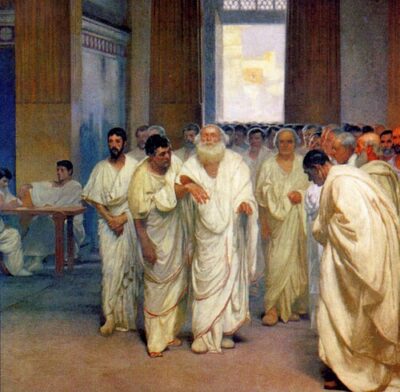 Appius Claudius Caecus (-312–-308)Roman statesman and writer (fl. c. 312–279 BC)
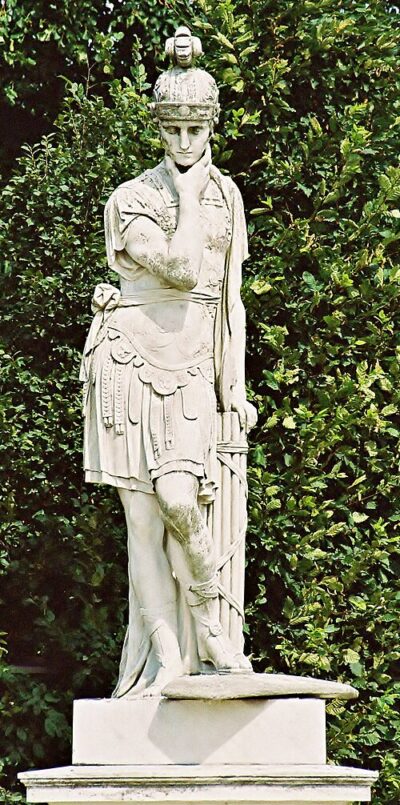 Quintus Fabius Maximus Verrucosus (-230)Roman statesman and general (c. 280 – 203 BC)
 Gaius Flaminius (-220)Roman politician and consul (c. 275 – 217 BC)
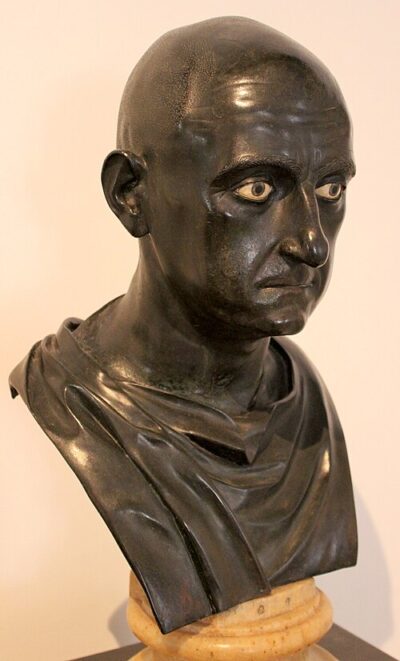 Scipio Africanus (-199)Roman general and politician (236/235–183 BC)
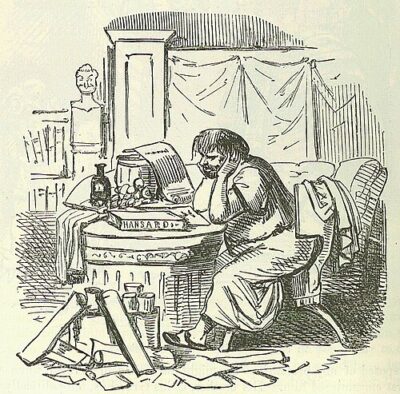 Scipio Aemilianus (-142)Roman politician and general (185–129 BC)
 Lucius Mummius Achaicus (-142)Roman censor in 142 BC
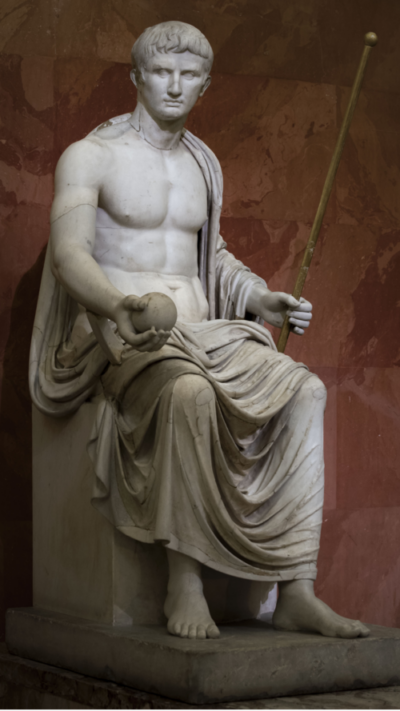 Augustusfirst emperor of the Roman Empire and founder of the Julio-Claudian dynasty
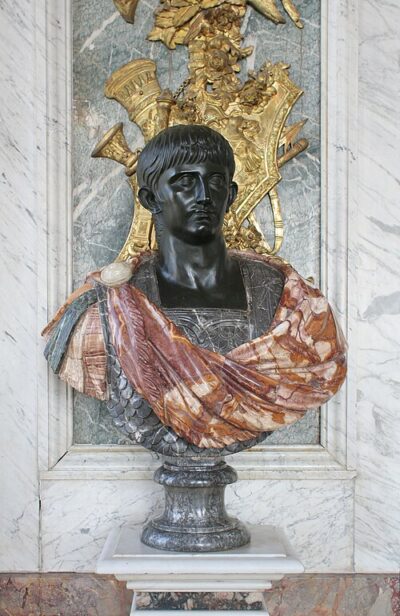 Claudiusfourth Roman emperor (41–54)
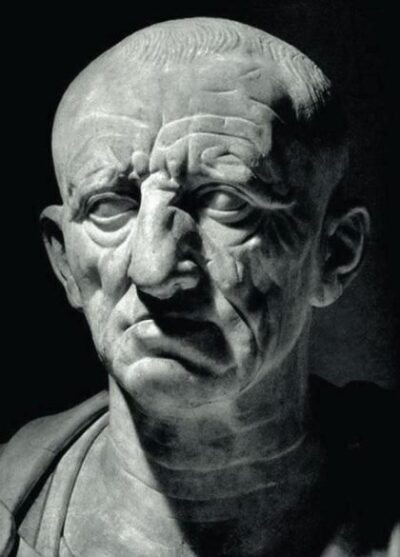 Cato the ElderRoman politician, soldier and writer (234–149 BC)
 Lucius Aemilius Paullus MacedonicusRoman general and statesman (c. 229 – 160 BC)
 Marcus Furius Camilluspolitician and soldier (446–365 BCE)
 Titus Quinctius FlamininusRoman censor 189 BC
- QQuintus Caecilius Metellus NumidicusAncient Roman statesman and general
 Lucius Munatius PlancusRoman politician and soldier (87–15 BC)
