
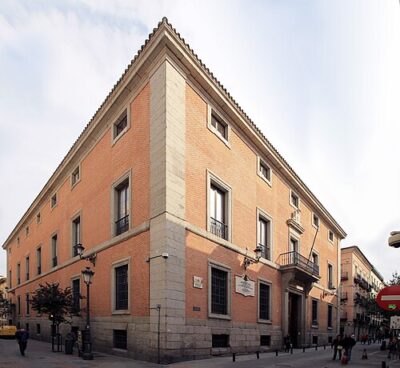
Royal Academy of History
The Royal Academy of History is a Spanish institution that studies history. It was founded in 1738 by Philip V of Spain. Its headquarters are in Nuevo Rezado.
- Founded
- April 18, 1738
- Founded by
- Philip V of Spain
- Headquarters
- Nuevo Rezado (1837–)
- Country
- Spain
All 8 facts, and where they come from
Facts
8 facts · 0 confirmed by two sources · 1 cited · 7 from one source
Where this comes from
Papalocal keeps its own record. It started from these sources; what each one said is kept here as it was copied, so a change on their side never changes this page by itself. Tap one to read its version.
What Wikidata says · copied November 16, 2026 · revision 2569362661
- Described as
- Spanish institution that studies history
- Other names
- rah.es
- What it is
- academy of sciences · 1 reference; publishing house · 1 reference; archives
- Founded
- April 18, 1738 · 1 reference
- Founded by
- Philip V of Spain · 1 reference
- Headquarters
- Nuevo Rezado (1837–)
- Country
- Spain · 1 reference
- Official website
- https://www.rah.es/
- Wikipedias with a page
- 23
Wikidata item Q2720582 (wikidata.org/wiki/Q2720582), public domain (CC0). Copied 2026-11-16.
What Wikipedia says · copied November 16, 2026 · revision 1380056569
The Royal Academy of History (Spanish: Real Academia de la Historia, RAH) is a Spanish institution in Madrid that studies history "ancient and modern, political, civil, ecclesiastical, military, scientific, of letters and arts, that is to say, the different branches of life, of civilisation, and of the culture of the Spanish people". Spanish people in this regard are understood to be citizens of the Kingdom of Spain or the indigenous people of its predecessors, or their descendants. The academy was established by royal decree of Philip V of Spain on 18 April 1738. Its official publication is the Boletín de la Real Academia de la Historia.
From the Wikipedia article “Royal Academy of History” (en.wikipedia.org/wiki/Royal_Academy_of_History), by its contributors, under CC BY-SA 4.0 (creativecommons.org/licenses/by-sa/4.0/). Copied 2026-11-16; not changed.
Confirmed Two sources agree. Cited One source, and it names where it got it. One source One source, without a reference of its own. Sources disagree The sources disagree. We show the best-supported value and keep theirs below.
Picture: Luis García (Zaqarbal), via Wikimedia Commons · CC BY-SA 3.0 es
People connected 19
Members
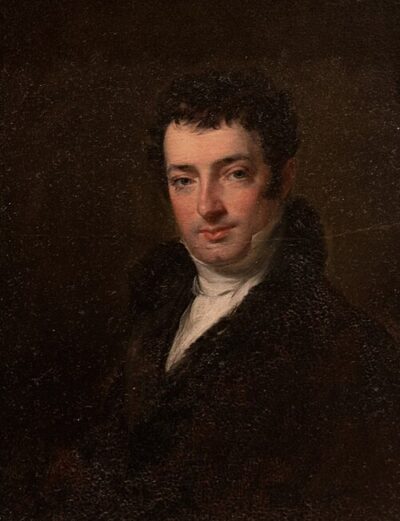 Washington Irving (1829–)American writer, historian and diplomat (1783-1859)
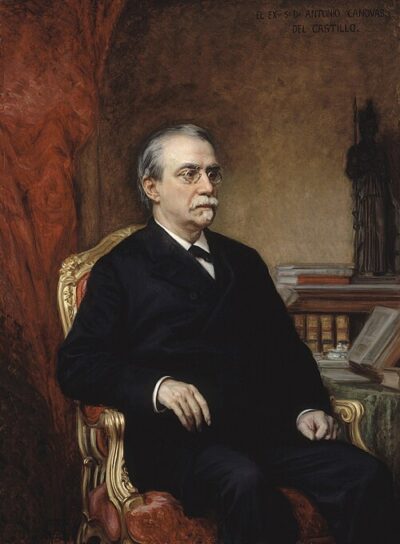 Antonio Cánovas del CastilloSpanish politician and Bourbon Restoration architect (1828–1897)
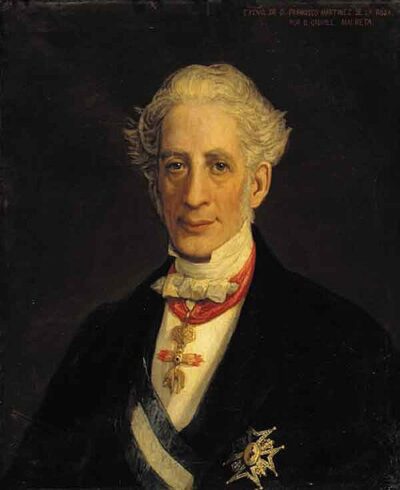 Francisco de Paula Martínez de la Rosa y BerdejoSpanish dramatist and politician (1787-1862)
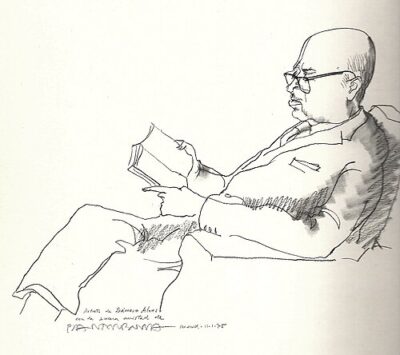 Dámaso AlonsoSpanish poet, philologist, and literary critic
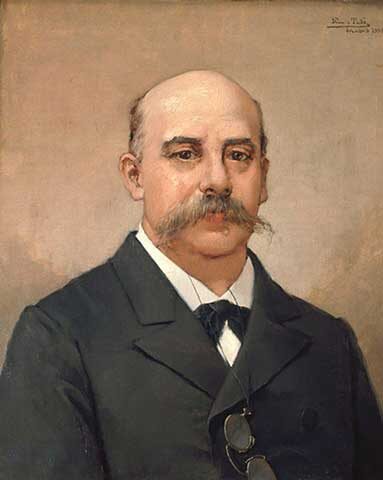 Emilio Castelar19th-century Spanish politician
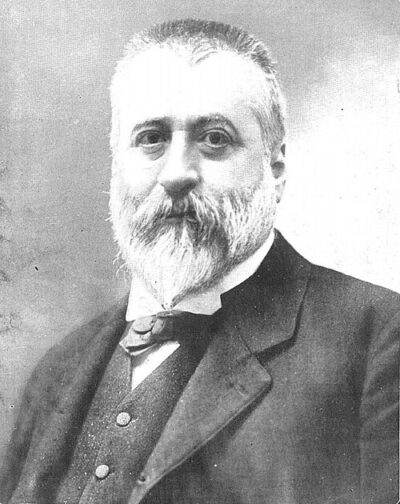 Marcelino Menéndez y Pelayo (1883–1912)Spanish scholar (1856–1912)
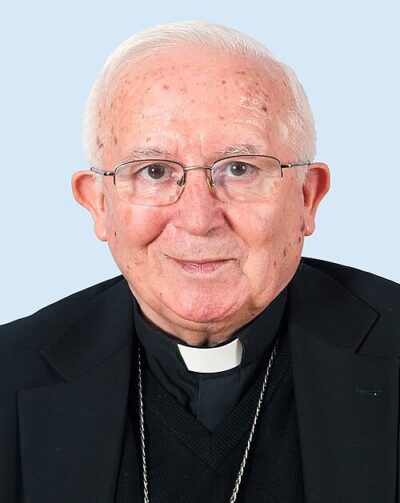 Antonio Cañizares LloveraSpanish Catholic cardinal, Archbishop Emeritus of Valencia, Spain
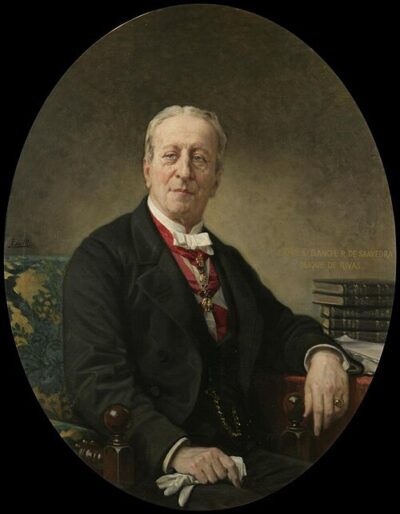 Ángel de Saavedra, 3rd Duke of RivasSpanish writer, poet, playwright and politician (1791-1865)
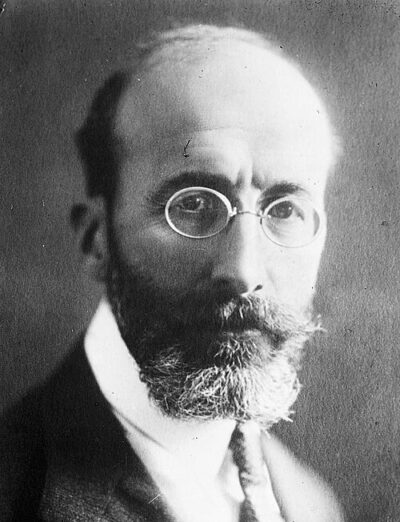 Ramón Menéndez PidalSpanish philologist (1869-1968)
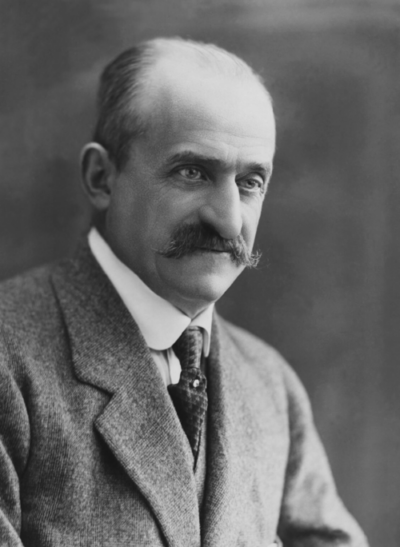 Álvaro de Figueroa, 1st Count of RomanonesSpanish diplomat and writer (1863-1950)
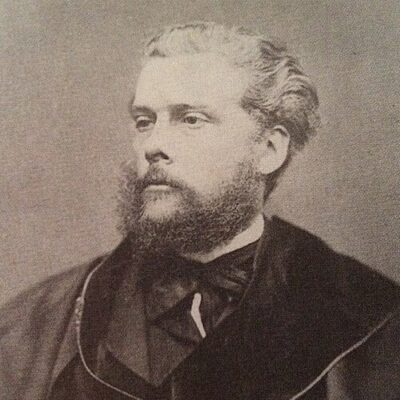 Víctor Balaguer i CireraSpanish author and politician (1824-1901)
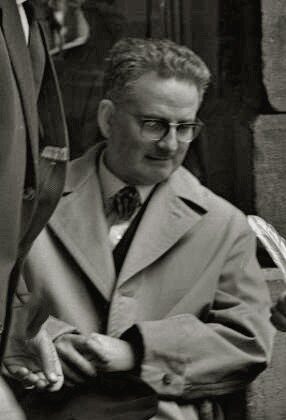 Julio CaroSpanish academic (1914–1995)
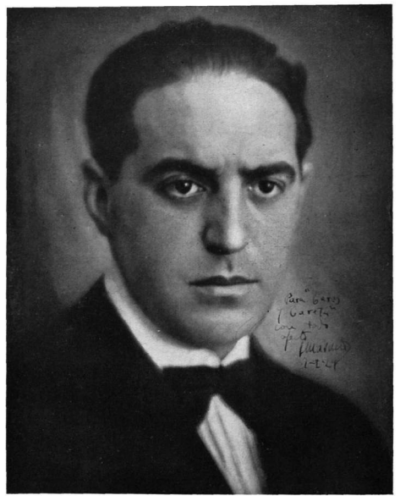 Gregorio MarañónSpanish physician and historian (1887-1960)
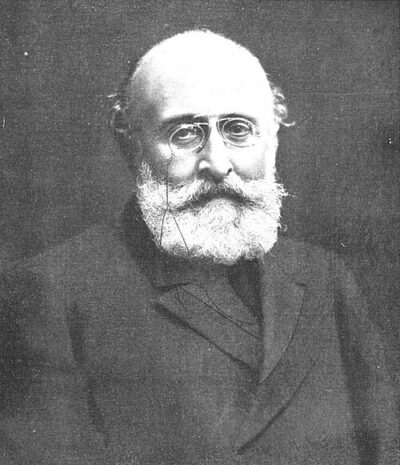 Francisco SilvelaSpanish politician (1843–1905)
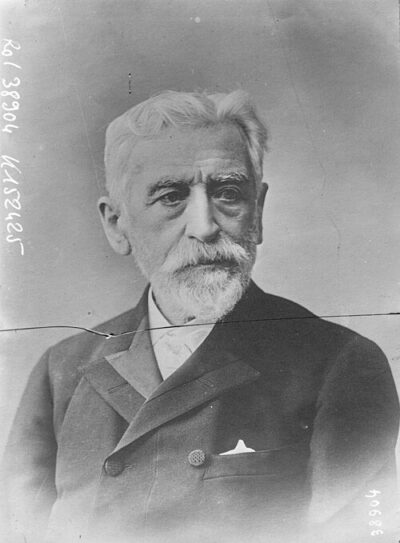 Eugenio Montero RíosSpanish politician (1832–1914)
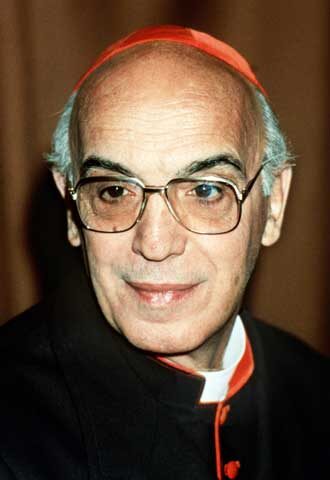 Ángel Suquía Goicoechea (1986–2006)Catholic cardinal (1916–2006)
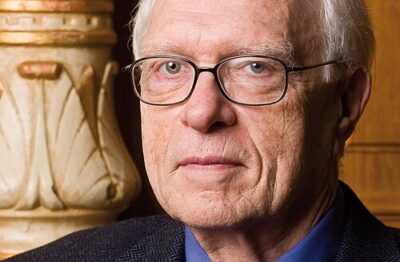 Stanley George PayneAmerican historian
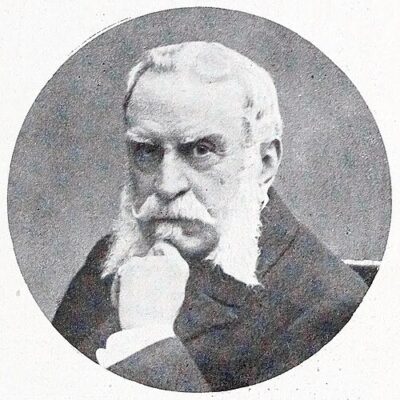 Antonio González de Aguilar, 8th Marquis of la Vega de ArmijoSpanish politician (1824-1908)
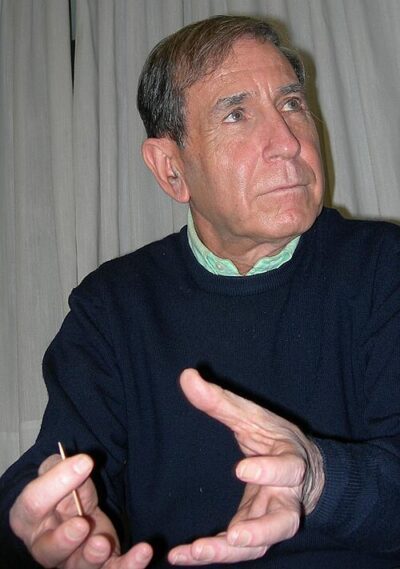 Shlomo Ben-AmiIsraeli diplomat
