

Royal Observatory
Royal Observatory is an observatory in Greenwich, London, UK. It was founded in 1675 by Charles II of England.
- Founded
- March 4, 1675
- Founded by
- Charles II of England
- Country
- United Kingdom
All 7 facts, and where they come from
Facts
7 facts · 0 confirmed by two sources · 2 cited · 5 from one source
Where this comes from
Papalocal keeps its own record. It started from these sources; what each one said is kept here as it was copied, so a change on their side never changes this page by itself. Tap one to read its version.
What Wikidata says · copied November 17, 2026 · revision 2535320714
- Described as
- observatory in Greenwich, London, UK
- Other names
- Royal Greenwich Observatory, Royal Observatory, Greenwich, Greenwich Observatory, Greenwich Royal Observatory
- What it is
- astronomical observatory; museum
- Founded
- March 4, 1675 · 1 reference
- Founded by
- Charles II of England
- Located in
- Royal Borough of Greenwich
- Country
- United Kingdom · 1 reference
- Official website
- https://www.rmg.co.uk/royal-observatory/
- Wikipedias with a page
- 61
Wikidata item Q192988 (wikidata.org/wiki/Q192988), public domain (CC0). Copied 2026-11-17.
What Wikipedia says · copied November 17, 2026 · revision 1373316877
The Royal Observatory, Greenwich (ROG; known as the Old Royal Observatory from 1957 to 1998, when the working Royal Greenwich Observatory, RGO, temporarily moved south from Greenwich to Herstmonceux) is an observatory situated on a hill in Greenwich Park in south east London, overlooking the River Thames to the north. It played a major role in the history of astronomy and navigation, and because the Prime Meridian passed through it, it gave its name to Greenwich Mean Time, the precursor to today's Coordinated Universal Time (UTC). The ROG has the IAU observatory code of 000, the first in the list. ROG, the National Maritime Museum, the Queen's House and the clipper ship Cutty Sark are collectively designated Royal Museums Greenwich.
The observatory was commissioned in 1675 by King Charles II, with the foundation stone being laid on 10 August. The old hilltop site of Greenwich Castle was chosen by Sir Christopher Wren, a former Savilian Professor of Astronomy; as Greenwich Park was a royal estate, no new land needed to be bought. At that time the King also created the position of Astronomer Royal, to serve as the director of the observatory and to "apply himself with the most exact care and diligence to the rectifying of the tables of the motions of the heavens, and the places of the fixed stars, so as to find out the so much desired longitude of places for the perfecting of the art of navigation." He appointed John Flamsteed as the first Astronomer Royal. The building was completed in the summer of 1676. The building was often called "Flamsteed House", in reference to its first occupant.
The scientific work of the observatory was relocated elsewhere in stages in the first half of the 20th century, and the Greenwich site is now maintained almost exclusively as a museum, although the Annie Maunder Astrographic Telescope (AMAT) telescope became operational for astronomical research in 2018.
From the Wikipedia article “Royal Observatory, Greenwich” (en.wikipedia.org/wiki/Royal_Observatory,_Greenwich), by its contributors, under CC BY-SA 4.0 (creativecommons.org/licenses/by-sa/4.0/). Copied 2026-11-17; not changed.
Confirmed Two sources agree. Cited One source, and it names where it got it. One source One source, without a reference of its own. Sources disagree The sources disagree. We show the best-supported value and keep theirs below.
Picture: Wikimedia Commons: Royal observatory greenwich.jpg · See Commons file page
People connected 9
Worked here
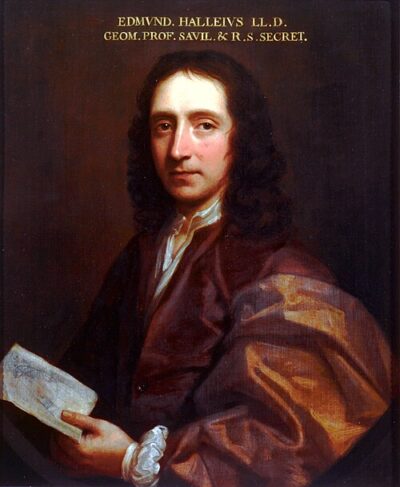 Edmond Halley (1676–)English astronomer, mathematician, geophysicist, meteorologist and physicist (1656–1742)
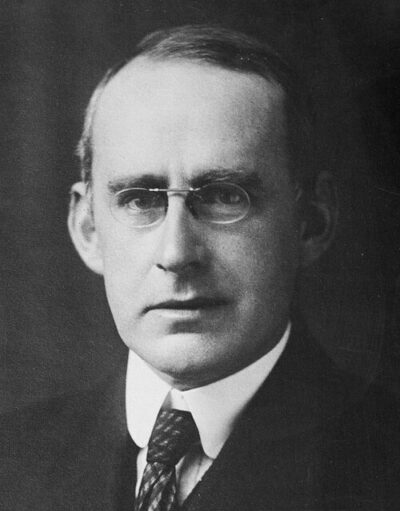 Arthur Eddington (1906–1912)British astrophysicist (1882-1944)
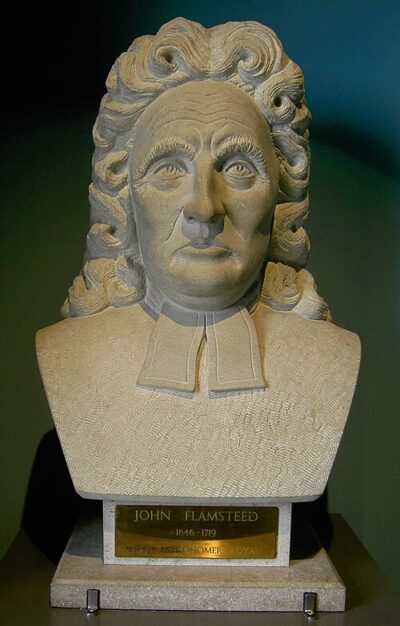 John Flamsteed (1675–1719)English astronomer and the first Astronomer Royal
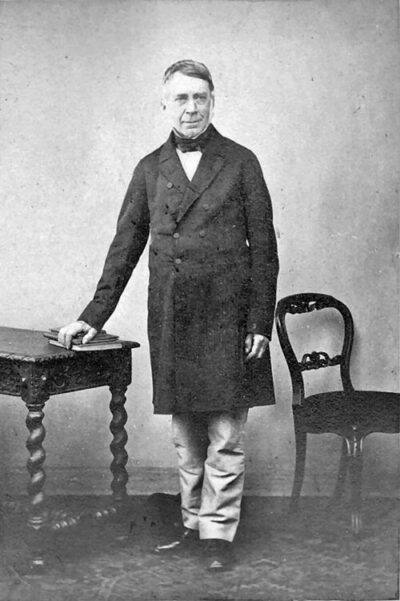 George Biddell Airy (1835–1881)English mathematician and astronomer (1801-1892)
 John Russell HindEnglish astronomer
 Annie Scott Dill Maunder (1891–1920)British astronomer (1868-1947)
 Nevil Maskelyne (1765–1811)fifth Astronomer Royal (*1765 – †1811)
 Sydney Chapman (1910–1914)British mathematician and geophysicist (1888–1970)
- HHarold Spencer JonesBritish astronomer (1890–1960)
