

Salk Institute for Biological Studies
Salk Institute for Biological Studies is a life sciences research institute. It was founded in 1960 by Jonas Salk. Its headquarters are in Salk Institute for Biological Studies building.
- Founded
- 1960
- Founded by
- Jonas Salk
- Headquarters
- Salk Institute for Biological Studies building
- Country
- United States
All 10 facts, and where they come from
Facts
10 facts · 0 confirmed by two sources · 3 cited · 7 from one source
Where this comes from
Papalocal keeps its own record. It started from these sources; what each one said is kept here as it was copied, so a change on their side never changes this page by itself. Tap one to read its version.
What Wikidata says · copied November 16, 2026 · revision 2568375594
- Described as
- life sciences research institute
- Other names
- Salk Institute
- What it is
- biological research institute; institute; nonprofit organization
- Founded
- 1960
- Founded by
- Jonas Salk · 1 reference
- Headquarters
- Salk Institute for Biological Studies building
- Located in
- San Diego
- Country
- United States · 1 reference
- Named after
- Jonas Salk · 1 reference
- Official website
- https://www.salk.edu/
- Wikipedias with a page
- 24
Wikidata item Q1351061 (wikidata.org/wiki/Q1351061), public domain (CC0). Copied 2026-11-16.
What Wikipedia says · copied November 16, 2026 · revision 1383251251
The Salk Institute for Biological Studies is a scientific research institute in the La Jolla community of San Diego, California. The independent, non-profit institute was founded in 1960 by Jonas Salk, the developer of the polio vaccine; among the founding consultants were Jacob Bronowski and Francis Crick. Construction of the research facilities began in spring of 1962. The Salk Institute consistently ranks among the top institutions in the US in terms of research output and quality in the life sciences.
As of October 2020, the Salk Institute employs 850 researchers in 60 research groups and focuses its research in three areas: molecular biology and genetics; neurosciences; and plant biology. Research topics include aging, cancer, diabetes, birth defects, Alzheimer's disease, Parkinson's disease, AIDS, and the neurobiology of American Sign Language. March of Dimes provided the initial funding and continues to support the institute. Research is funded by a variety of public sources, such as the US National Institutes of Health and the government of California; and private organizations such as Paris-based Ipsen, the Howard Hughes Medical Institute and the Waitt Family Foundation. In addition, the internally administered Innovation Grants Program encourages cutting-edge high-risk research. In 2017 the Salk Institute Trustees elected former president of Booz Allen Hamilton, Daniel C. Lewis, as board chairman.
The institute also served as the basis for Bruno Latour and Steve Woolgar's 1979 book Laboratory Life: The Construction of Scientific Facts.
From the Wikipedia article “Salk Institute for Biological Studies” (en.wikipedia.org/wiki/Salk_Institute_for_Biological_Studies), by its contributors, under CC BY-SA 4.0 (creativecommons.org/licenses/by-sa/4.0/). Copied 2026-11-16; not changed.
Confirmed Two sources agree. Cited One source, and it names where it got it. One source One source, without a reference of its own. Sources disagree The sources disagree. We show the best-supported value and keep theirs below.
Picture: Wikimedia Commons: Salk Institute (4).jpg · See Commons file page
People connected 7
Worked here
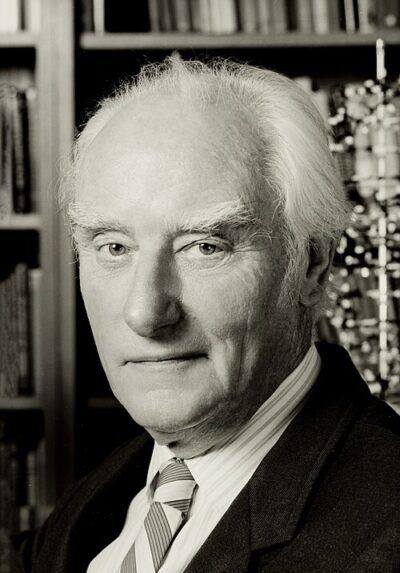 Francis CrickBritish molecular biologist, biophysicist, neuroscientist; co-discoverer of the structure of DNA (1916–2004)
 Elizabeth BlackburnAustralian-American biological researcher
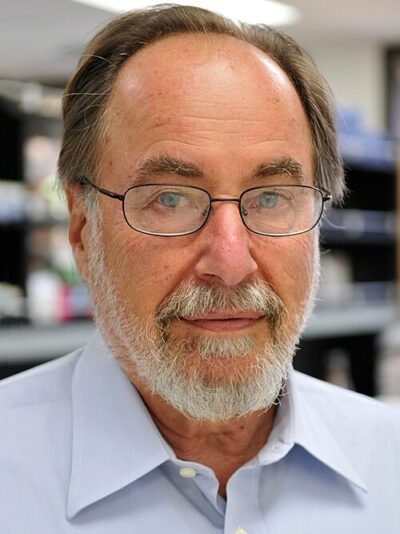 David Baltimore (1965–1968)American biologist and Nobel laureate
 Susumu TonegawaJapanese biologist, neuroscientist (1939–2026)
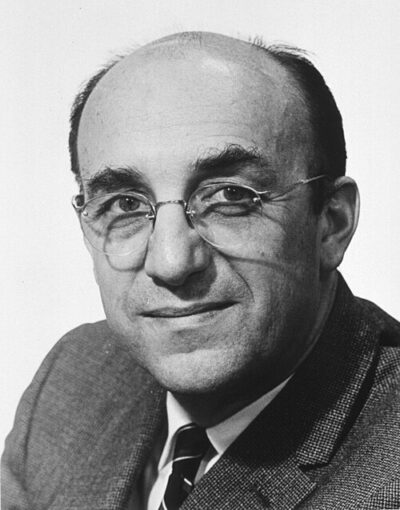 Roger Guillemin (1970–)French-American neuroscientist (1924–2024)
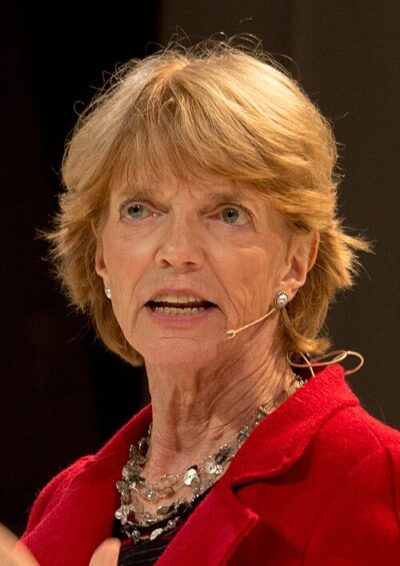 Patricia Churchland (1989–)Canadian philosopher
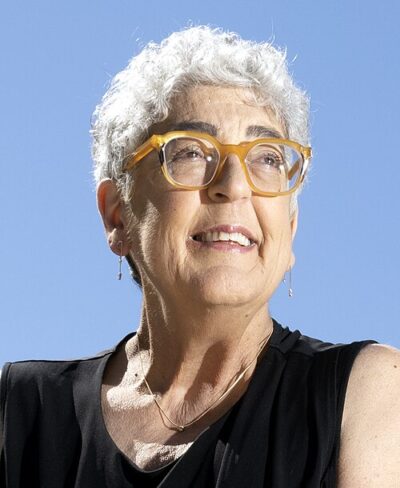 Joanne ChoryAmerican plant biologist and geneticist (1955–2024)
