
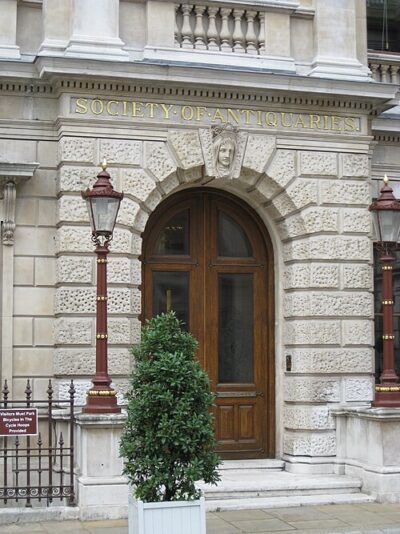
Society of Antiquaries of London
The Society of Antiquaries of London is a British learned society. It was founded in 1707 by Peter Le Neve. It has 53 employees (2025).
- Founded
- 1707
- Founded by
- Peter Le Neve
- Headquarters
- London
- Industry
- higher education
- Employees
- 53 (2025)
- Country
- United Kingdom
All 10 facts, and where they come from
Facts
10 facts · 0 confirmed by two sources · 1 cited · 9 from one source
Where this comes from
Papalocal keeps its own record. It started from these sources; what each one said is kept here as it was copied, so a change on their side never changes this page by itself. Tap one to read its version.
What Wikidata says · copied November 17, 2026 · revision 2541679982
- Described as
- British learned society
- What it is
- learned society; charitable organization
- Founded
- 1707
- Founded by
- Peter Le Neve
- Headquarters
- London
- Country
- United Kingdom
- Industry
- higher education
- Employees
- 29 (2019) · 1 reference
- Field
- antiquities
- Official website
- http://www.sal.org.uk
- Wikipedias with a page
- 18
Wikidata item Q5417893 (wikidata.org/wiki/Q5417893), public domain (CC0). Copied 2026-11-17.
What Wikipedia says · copied November 17, 2026 · revision 1383424512
The Society of Antiquaries of London (SAL) is a learned society of historians and archaeologists in the United Kingdom. It was founded in 1707, received its royal charter in 1751 and is a registered charity. It is based at Burlington House in Piccadilly, a building owned by the UK government.
The modern membership of around 3,300 fellows mostly consists of archaeologists and historians, who can use the post-nominal letters FSA after their names.
From the Wikipedia article “Society of Antiquaries of London” (en.wikipedia.org/wiki/Society_of_Antiquaries_of_London), by its contributors, under CC BY-SA 4.0 (creativecommons.org/licenses/by-sa/4.0/). Copied 2026-11-17; not changed.
Confirmed Two sources agree. Cited One source, and it names where it got it. One source One source, without a reference of its own. Sources disagree The sources disagree. We show the best-supported value and keep theirs below.
Picture: Chemical Engineer, via Wikimedia Commons · Public domain
People connected 26
Members 26
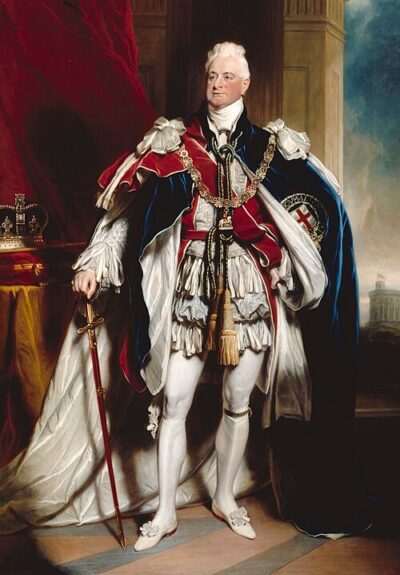 William IVKing of the United Kingdom and Hanover from 1830 to 1837
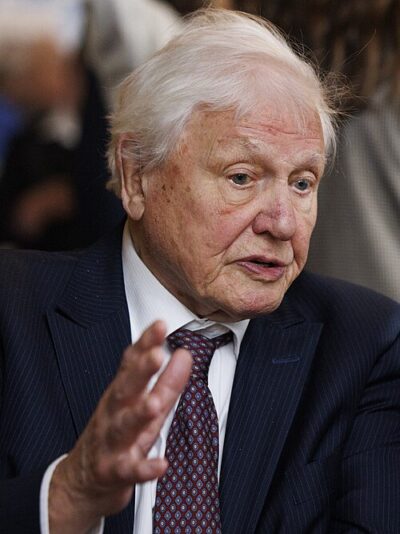 David AttenboroughBritish broadcaster and naturalist (born 1926)
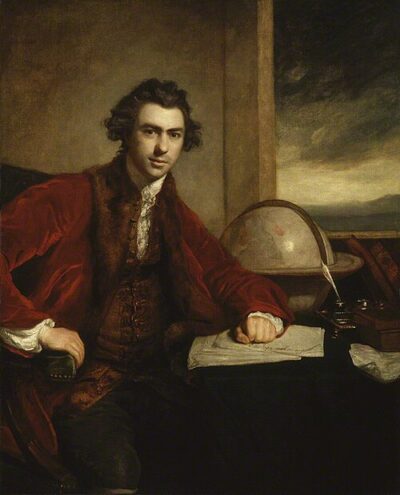 Joseph BanksEnglish naturalist, botanist and patron of the natural sciences (1743-1820)
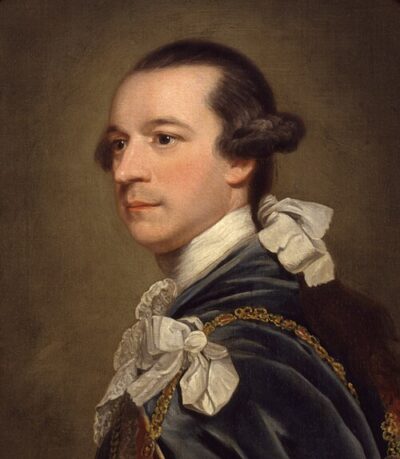 Charles Watson-Wentworth, 2nd Marquess of RockinghamBritish Prime Minister (1730-1782)
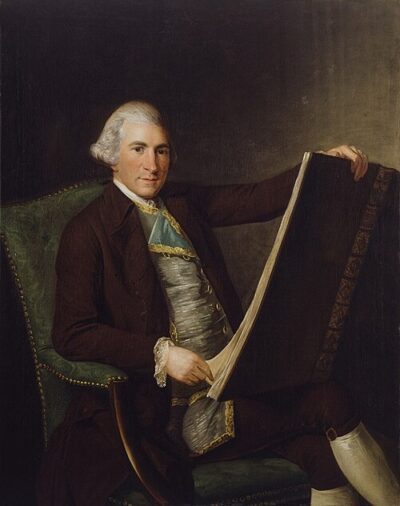 Robert AdamBritish neoclassical architect (1728–1792)
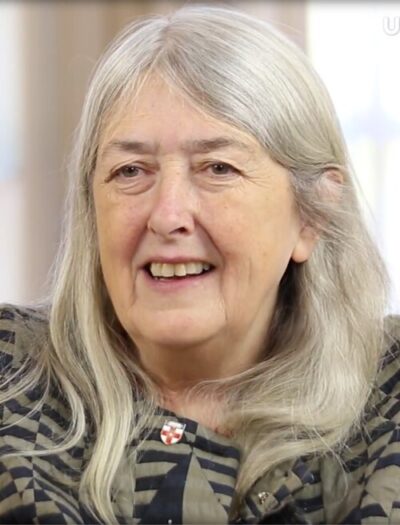 Mary BeardEnglish classicist (born 1955)
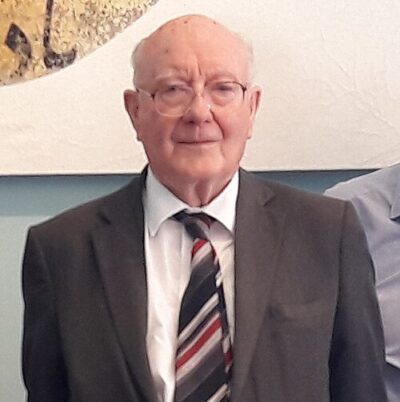 Colin RenfrewBritish archaeologist (1937–2024)
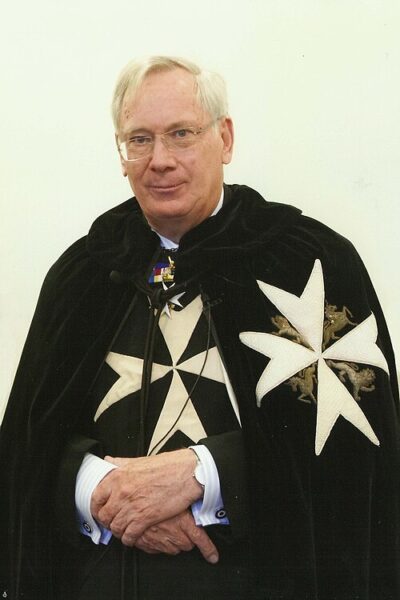 Prince Richard, Duke of Gloucestercousin of Queen Elizabeth II; youngest grandchild of King George V and Queen Mary (born 1944)
- RRobert HardyBritish actor (1925–2017)
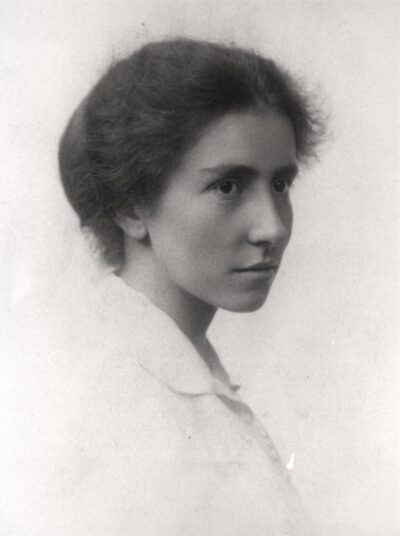 Dorothy GarrodBritish archaeologist and first female Professor at the University of Cambridge (1892-1968)
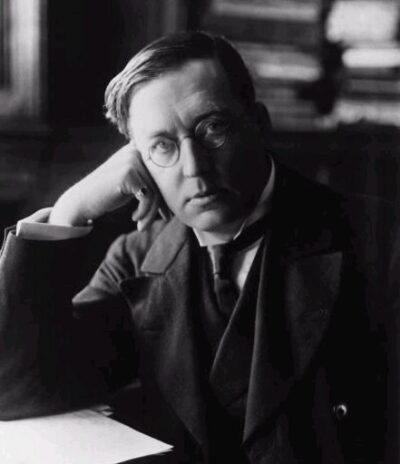 M. R. James20th century British author, medievalist scholar and provost (1862–1936)
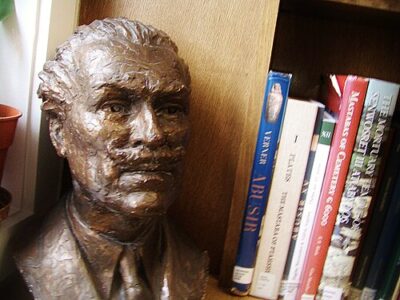 Mortimer WheelerBritish archaeologist (1890-1976)
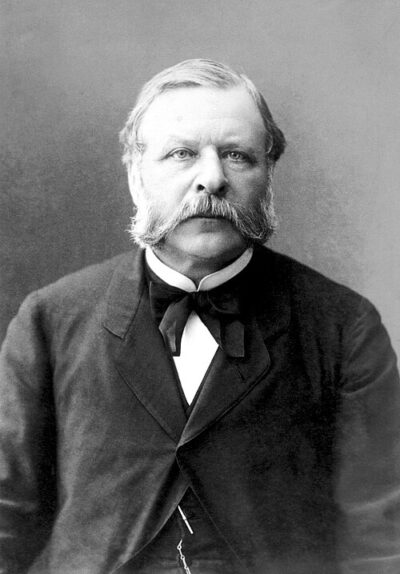 William Henry Waddington19th century French statesman, Prime Minister and an Ambassador of France (1826–1894)
- JJohn Julius NorwichBritish historian (1929–2018)
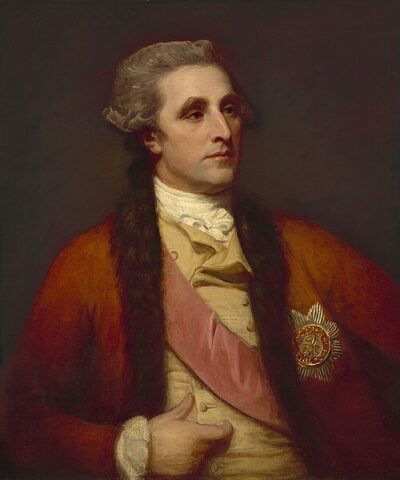 William HamiltonScottish diplomat, antiquarian, archaeologist and vulcanologist (1730-1803)
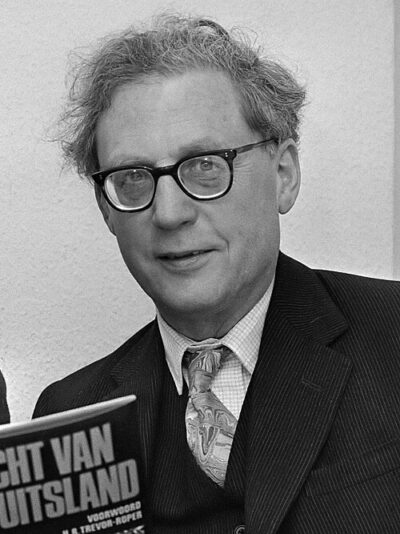 Hugh Trevor-RoperBritish historian (1914-2003)
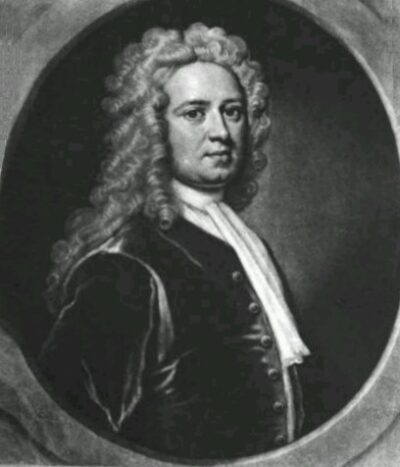 William StukeleyEnglish antiquarian (1687–1765)
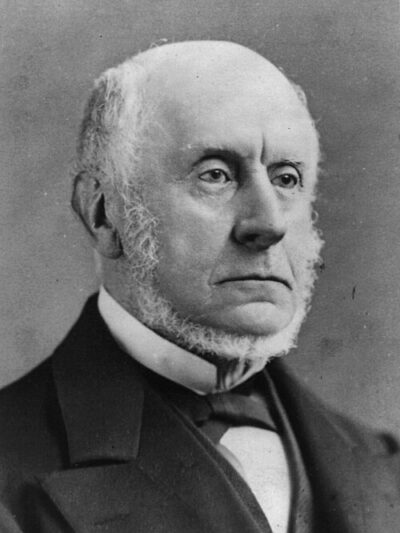 Charles Francis Adams Sr.American historical editor, politician and diplomat from Massachusetts (1807–1886)
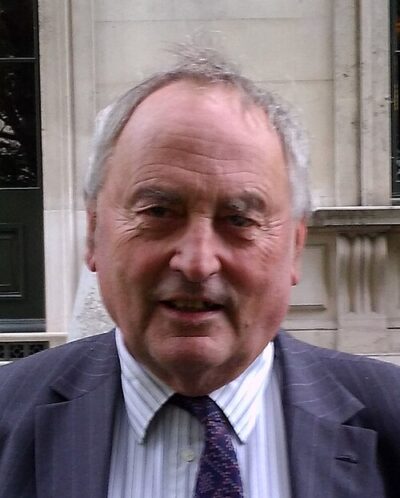 Donald AdamsonBritish writer and translator (1939–2024)
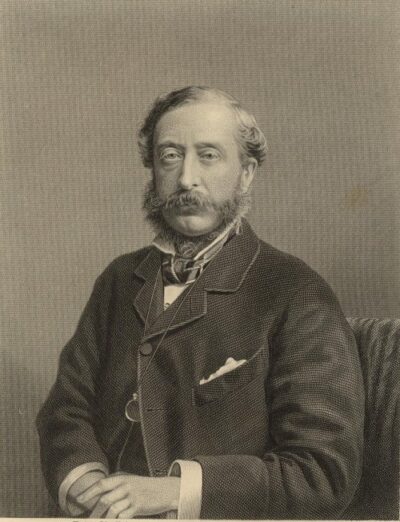 Henry Herbert, 4th Earl of CarnarvonBritish politician and leading member of the Conservative Party (1831-1890)
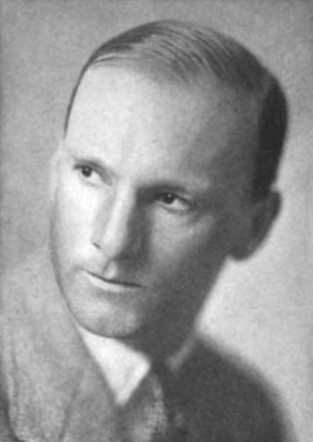 R. C. SherriffBritish playwright and screenwriter (1896–1975)
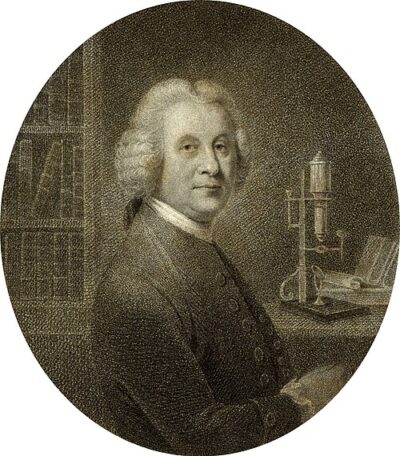 Henry BakerEnglish naturalist (1698–1774)
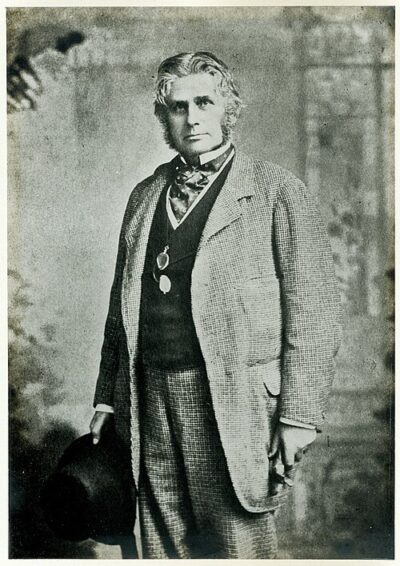 Augustus Pitt RiversEnglish army officer, ethnologist and archaeologist (1827–1900)
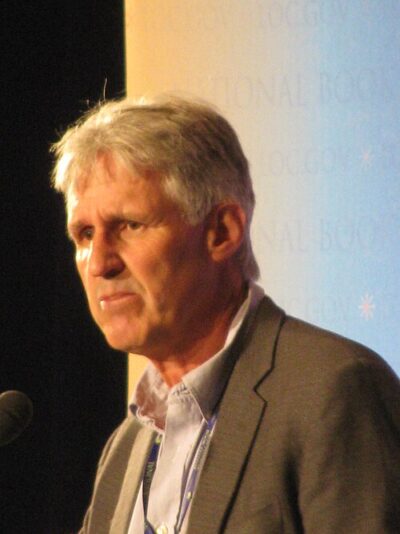 Ian MorrisAmerican historian
and 2 more
