
The 8th Street Club
The 8th Street Club is an Arts, culture and humanities club. It was founded by Phillip Pavia.
- Founded by
- Phillip Pavia
All 3 facts, and where they come from
Facts
3 facts · 0 confirmed by two sources · 1 cited · 2 from one source
Where this comes from
Papalocal keeps its own record. It started from these sources; what each one said is kept here as it was copied, so a change on their side never changes this page by itself. Tap one to read its version.
What Wikidata says · copied November 16, 2026 · revision 2378624023
- Described as
- Arts, culture and humanities club
- What it is
- club
- Followed by
- The 23rd Street Workshop Club
- Founded by
- Phillip Pavia · 1 reference
- Wikipedias with a page
- 1
Wikidata item Q104844753 (wikidata.org/wiki/Q104844753), public domain (CC0). Copied 2026-11-16.
What Wikipedia says · copied November 16, 2026 · revision 1383426200
The Club (1949–1957 and 1959–1970) has been called "a schoolhouse of sorts ... as well as a theater, gallery space, and a dancehall...." Created by abstract expressionist sculptor Philip Pavia, The Club grew out of the informal gatherings among dozens of painters and sculptors who all had art studios in Lower Manhattan between 8th and 12th streets and First and Sixth Avenues during the late 1940s and early 1950s. Membership included many of New York's most important mid-century artists and thinkers, predominantly painters and sculptors like Willem de Kooning, Franz Kline, Peter Agostini, Isamu Noguchi, John Ferren, and Robert Motherwell, as well as nearly all the artists later called the New York School. But other celebrated artists, cultural figures and major 20th-century thinkers attended meetings, including philosopher Joseph Campbell, composer John Cage and political theorist Hannah Arendt. Structured to facilitate the growth and dissemination of ideas about art by artists for artists, especially abstract expressionist art, The Club lent New York's art scene the vitality and international influence Paris had long monopolized, and U.S. artists had long craved.
From the Wikipedia article “The Club (fine arts)” (en.wikipedia.org/wiki/The_Club_(fine_arts)), by its contributors, under CC BY-SA 4.0 (creativecommons.org/licenses/by-sa/4.0/). Copied 2026-11-16; not changed.
Confirmed Two sources agree. Cited One source, and it names where it got it. One source One source, without a reference of its own. Sources disagree The sources disagree. We show the best-supported value and keep theirs below.
People connected 12
Members
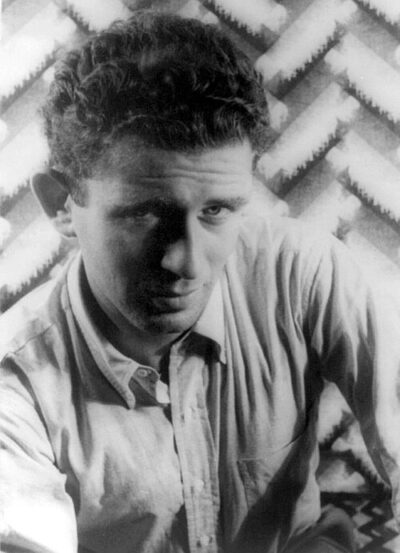 Norman MailerAmerican writer (1923–2007)
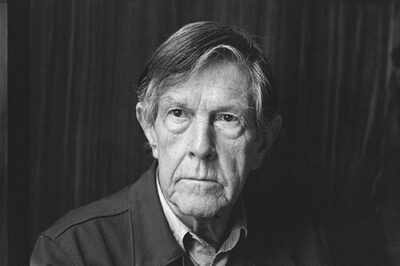 John CageAmerican avant-garde composer (1912-1992)
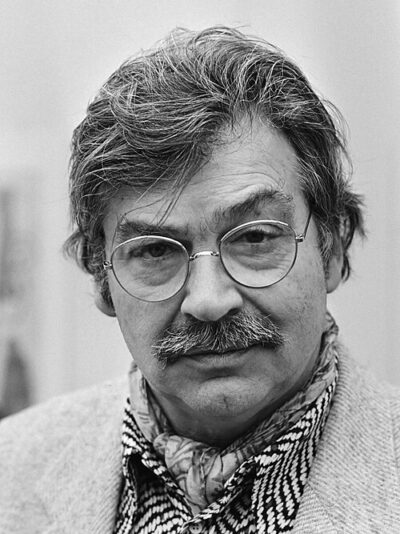 Karel AppelDutch painter, sculptor, and poet (1921-2006)
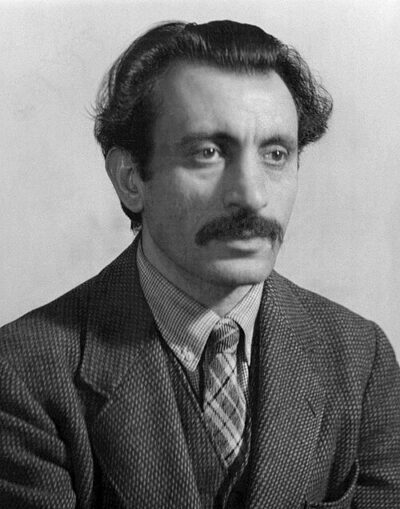 Arshile GorkyArmenian-American painter (1904–1948)
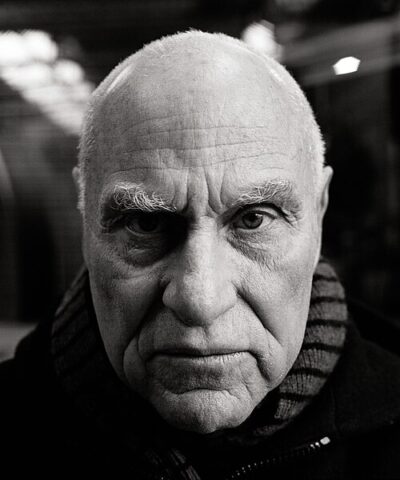 Richard SerraAmerican sculptor (1939–2024)
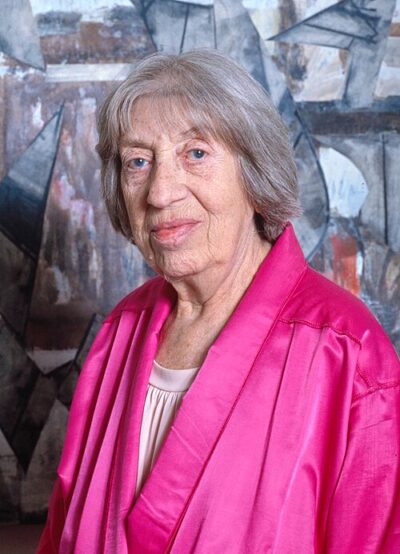 Lee KrasnerAmerican abstract expressionist painter (1908–1984)
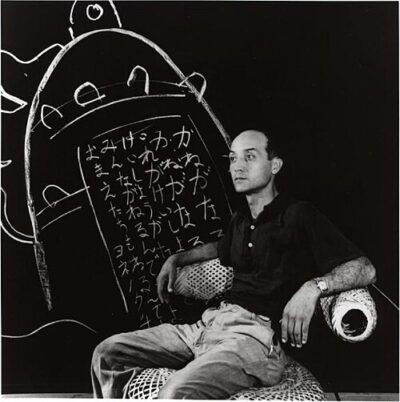 Isamu NoguchiJapanese-American artist and landscape architect (1904–1988)
- FFranz KlineAmerican painter (1910-1962)
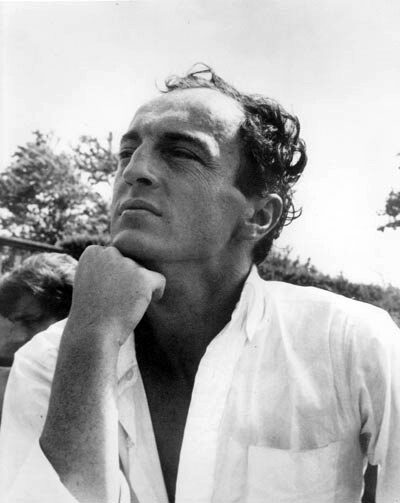 Frank O'HaraAmerican poet, art critic and writer (1926-1966)
 ArmanFrench-born American artist (1928–2005)
 Hans HofmannGerman-American painter (1880–1966)
 Elaine de KooningAmerican painter (1918-1989)
