
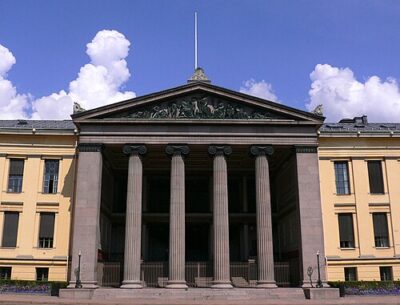
University of Oslo
The University of Oslo is a Norwegian public research university. It was founded in 1811 by Frederick VI of Denmark. Its headquarters are in Blindern. It has 7,029 employees (2021). 26,650 students study there (2021).
- Located in
- Oslo
- Country
- Norway
- Founded
- September 2, 1811
- Students
- 26,650 (2021)
- What it is
- public university
All 12 facts, and where they come from
Facts
12 facts · 0 confirmed by two sources · 8 cited · 4 from one source
Where this comes from
Papalocal keeps its own record. It started from these sources; what each one said is kept here as it was copied, so a change on their side never changes this page by itself. Tap one to read its version.
What Wikidata says · copied November 16, 2026 · revision 2530973257
- Described as
- Norwegian public research university
- Other names
- UiO, Universitas Osloensis, Universitas Regia Fredericiana, Oslo University, uio.no
- What it is
- public university · 1 reference; open-access publisher · 1 reference
- Founded
- September 2, 1811 · 2 references
- Founded by
- Frederick VI of Denmark · 1 reference
- Headquarters
- Blindern
- Located in
- Oslo
- Country
- Norway · 5 references
- Industry
- tertiary education · 1 reference
- Employees
- 6,194 (2014) · 1 reference
- Part of
- Ministry of Education and Research of Norway
- Students
- 32,000
- Official website
- https://www.uio.no · 1 reference
- Wikipedias with a page
- 67
Wikidata item Q486156 (wikidata.org/wiki/Q486156), public domain (CC0). Copied 2026-11-16.
What Wikipedia says · copied November 16, 2026 · revision 1384657234
The University of Oslo (Norwegian: Universitetet i Oslo; Latin: Universitas Osloensis) is a public research university located in Oslo, Norway. It is the oldest university in Norway. Originally named the Royal Frederick University, the university was established in 1811 as the de facto Norwegian continuation of Denmark–Norway's common university, the University of Copenhagen, with which it shares many traditions. It was named for King Frederick VI of Denmark and Norway, and received its current name in 1939. The university was commonly nicknamed "The Royal Frederick's" (Det Kgl. Frederiks) before the name change, and informally also referred to simply as Universitetet (lit. 'the university').
The university was the only university in Norway until the University of Bergen was founded in 1946. It has approximately 27,700 students and employs around 6,000 people. Its faculties include (Lutheran) theology (with the Lutheran Church of Norway having been Norway's state church since 1536), law, medicine, humanities, mathematics, natural sciences, social sciences, dentistry, and education. The university's original neoclassical campus is located in the centre of Oslo; it is currently occupied by the Faculty of Law. Most of the university's other faculties are located at the newer Blindern campus in the suburban West End. The Faculty of Medicine is split between several university hospitals in the Oslo area. The university also includes some formally independent, affiliated institutes such as the Centre for International Climate and Environmental Research (CICERO), NKVTS and the Frisch Centre.
The Nobel Peace Prize was awarded in the university's Atrium, from 1947 to 1989 and in 2020. Since 2003, the Abel Prize is awarded in the Atrium. Five researchers affiliated with the university have been Nobel laureates and three have been Turing Award winners.
From the Wikipedia article “University of Oslo” (en.wikipedia.org/wiki/University_of_Oslo), by its contributors, under CC BY-SA 4.0 (creativecommons.org/licenses/by-sa/4.0/). Copied 2026-11-16; not changed.
Confirmed Two sources agree. Cited One source, and it names where it got it. One source One source, without a reference of its own. Sources disagree The sources disagree. We show the best-supported value and keep theirs below.
Picture: hirotomo t from japan, via Wikimedia Commons · CC BY-SA 2.0
People connected 99
Studied here 89
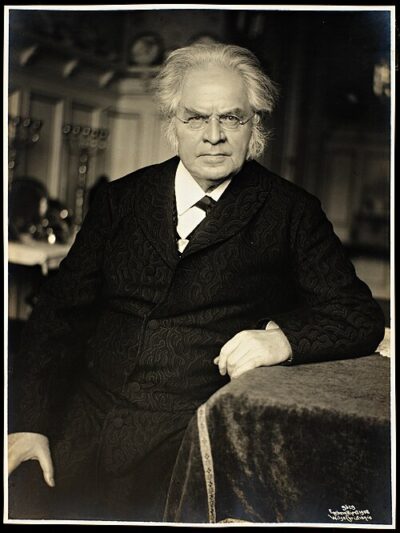 Bjørnstjerne BjørnsonNorwegian writer (1832–1910)
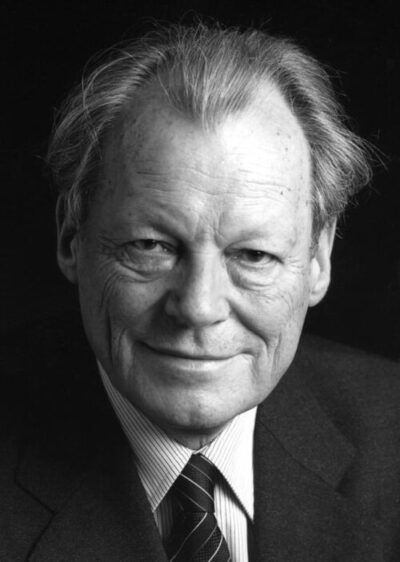 Willy BrandtGerman politician (SPD), chancellor of West Germany (1969–1974) and Nobel Peace Prize laureate
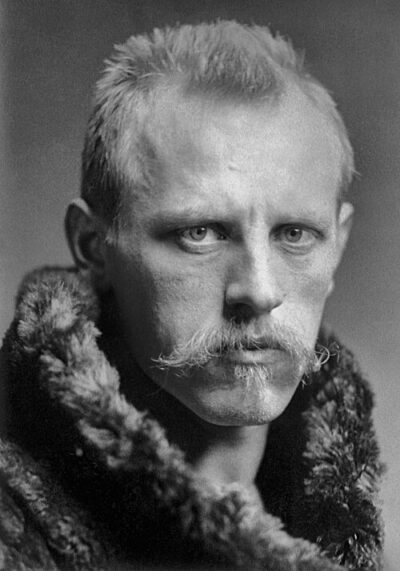 Fridtjof NansenNorwegian polar explorer (1861–1930)
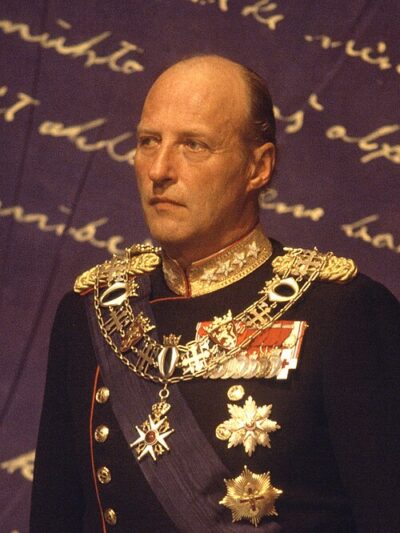 Harald V of Norway (1955)King of Norway from 1991 to 2026 (1937–2026)
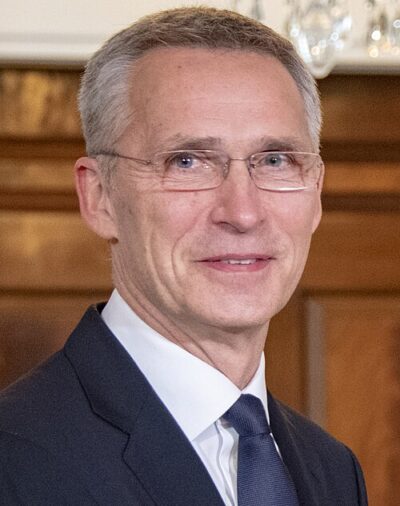 Jens StoltenbergNorwegian politician (born 1959)
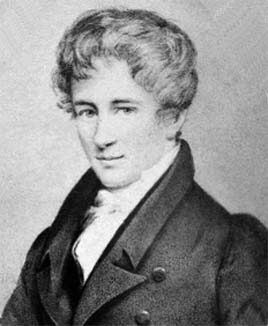 Niels Henrik Abel (1821–1822)Norwegian mathematician (1802–1829)
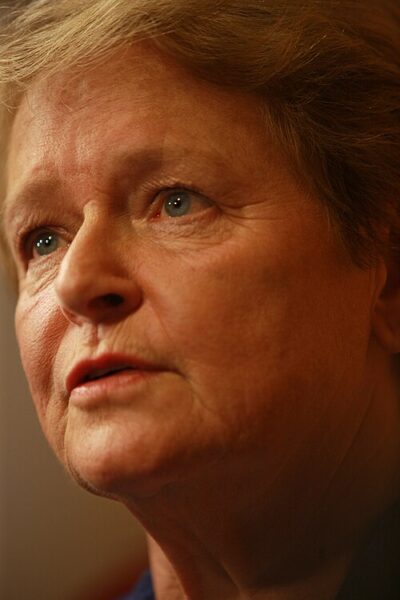 Gro Harlem Brundtland29th Prime Minister of Norway
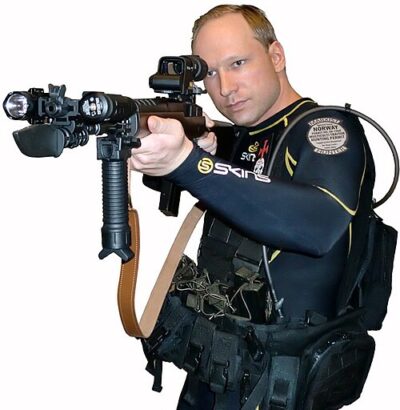 Anders Behring Breivik (2015–)Norwegian neo-Nazi terrorist and mass murderer
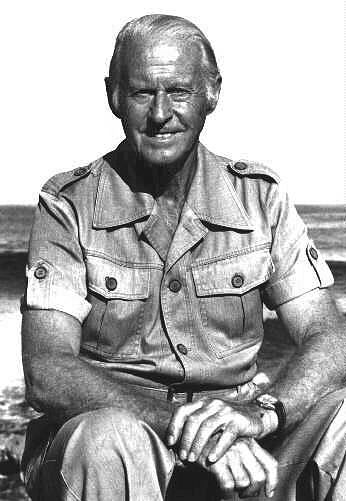 Thor Heyerdahl (1933–)Norwegian anthropologist and adventurer (1914-2002)
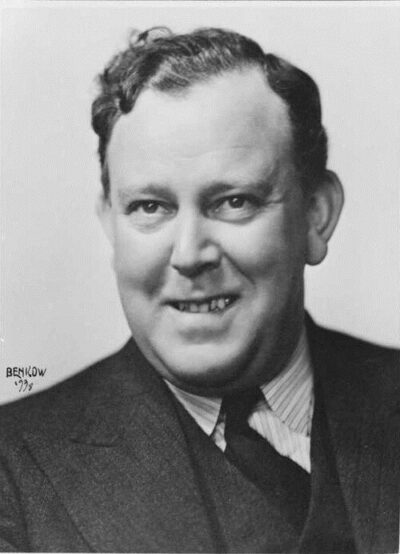 Trygve Lie1st Secretary-General of the United Nations (1896–1968)
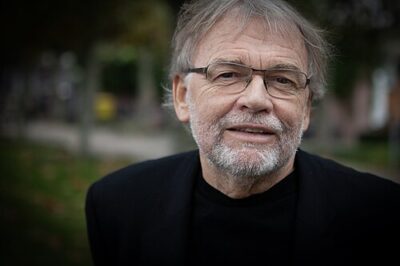 Jostein GaarderNorwegian author (born 1952)
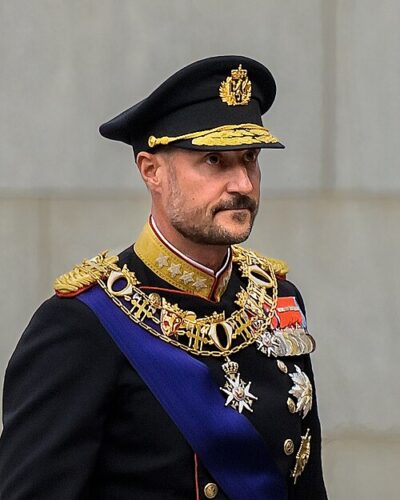 Haakon VIII of Norway (1999–2000)King of Norway since 2026
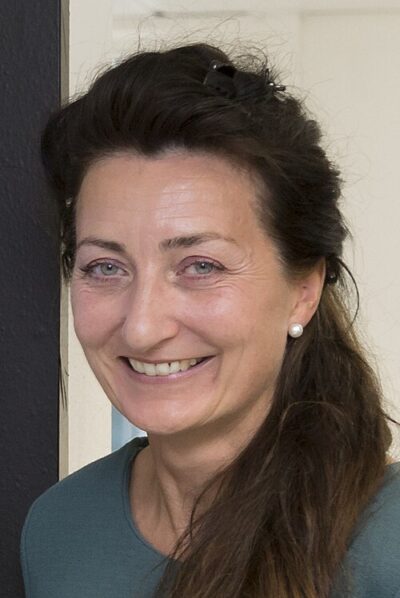 May-Britt Moser (–1995)Norwegian psychologist and neuroscientist
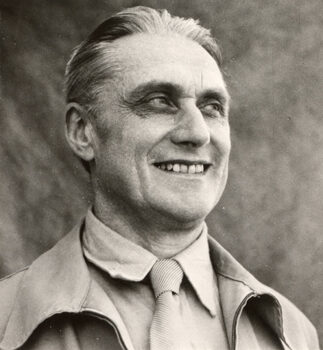 Ragnar FrischNorwegian economist (1895–1973)
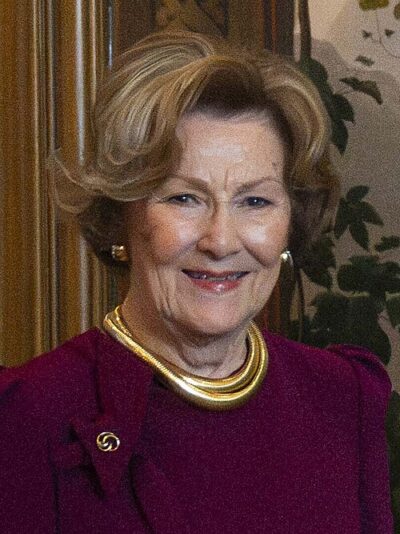 Queen Sonja of NorwayQueen Consort of Norway (1991–2026)
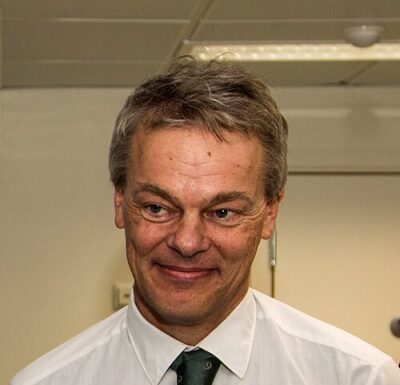 Edvard MoserNorwegian psychologist and neuroscientist
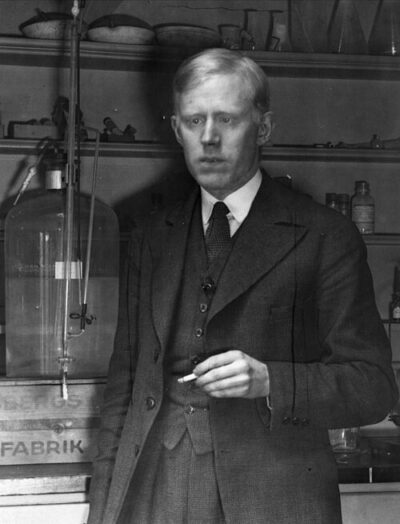 Odd HasselNorwegian physical chemist and Nobel Laureate (1897–1981)
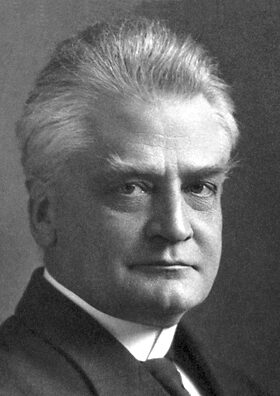 Christian Lous LangeNorwegian diplomat and Nobel Peace Prize recipient (1869-1938)
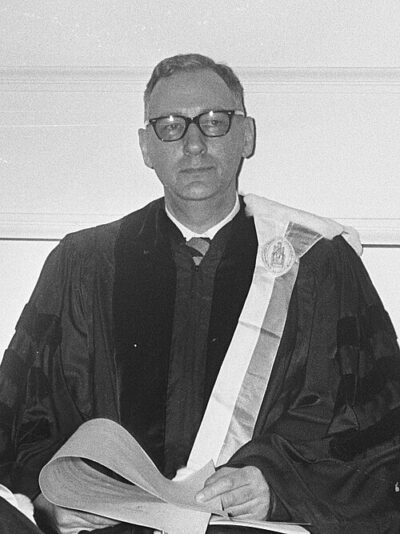 Tjalling Koopmans (1935)Dutch American economist (1910–1985)
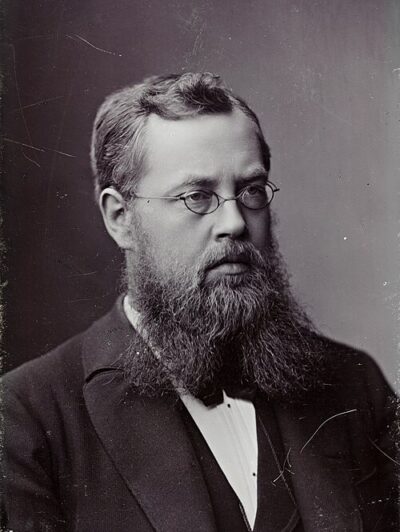 Sophus Lie (1859–1865)Norwegian mathematician (1842–1899)
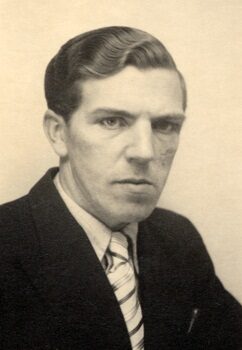 Trygve HaavelmoNorwegian economist and econometrician
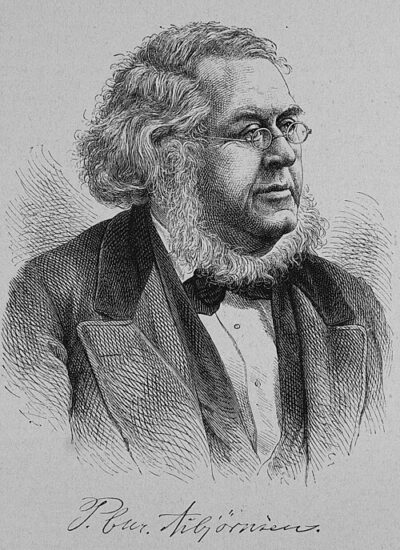 Peter Christen AsbjørnsenNorwegian forester, writer, children's writer, and collector of fairy tales (1812–1885)
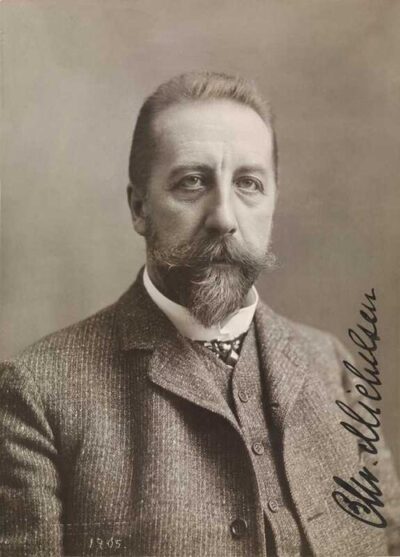 Christian Michelsen9th Prime Minister of Norway
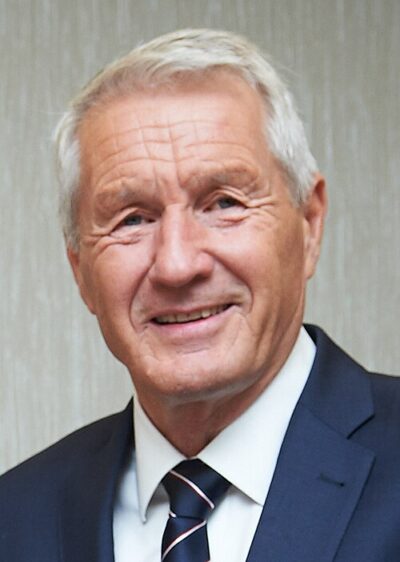 Thorbjørn Jagland32nd Prime Minister of Norway
and 65 more
Worked here 39
- Fridtjof NansenNorwegian polar explorer (1861–1930)
- May-Britt MoserNorwegian psychologist and neuroscientist
- Ragnar FrischNorwegian economist (1895–1973)
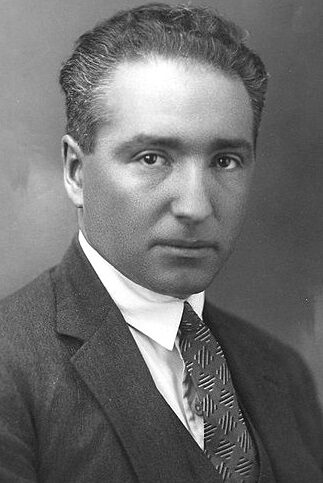 Wilhelm Reich (1934–1939)Austrian-American psychiatrist, psychoanalyst, sex educator and sociologist (1897–1957)
- Odd HasselNorwegian physical chemist and Nobel Laureate (1897–1981)
- Sophus Lie (1871–1899)Norwegian mathematician (1842–1899)
- OOle-Johan DahlNorwegian computer scientist (1931–2002)
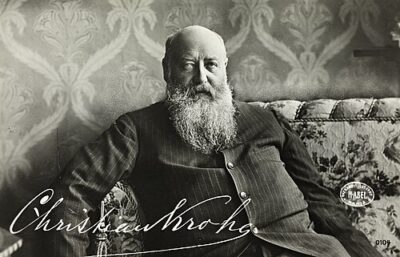 Christian KrohgNorwegian painter and writer (1852–1925)
 Kristen Nygaard (1976–1996)Computer scientist, Mathematician (1926-2002)
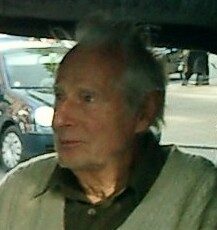 Arne NæssNorwegian philosopher and mountain climber (1912-2009)
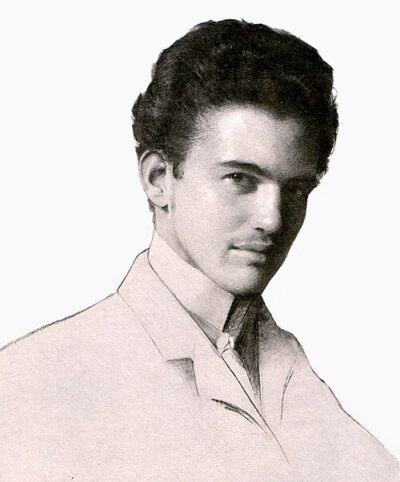 Viktor Goldschmidt (1912–)Norwegian mineralogist (1888-1947)
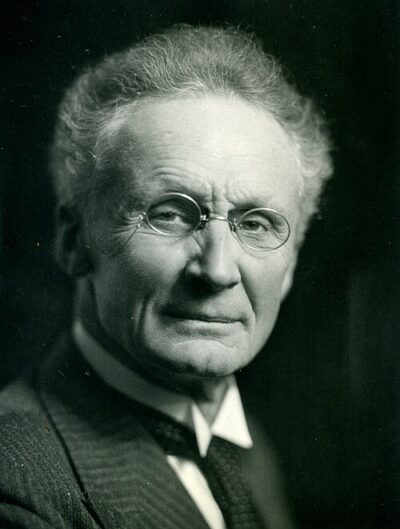 Vilhelm Bjerknes (1907–1932)Norwegian physicist and meteorologist (*1862 – †1951)
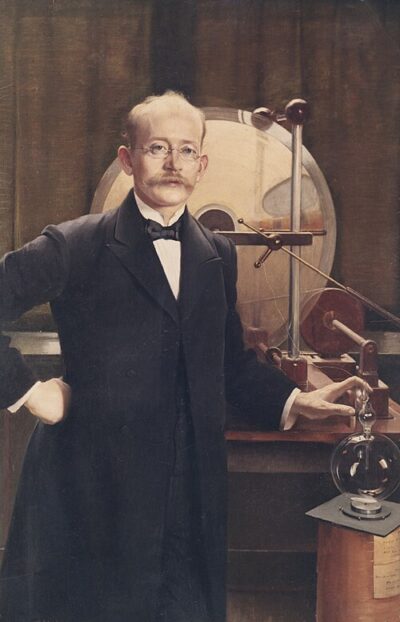 Kristian BirkelandNorwegian scientist (1867–1917)
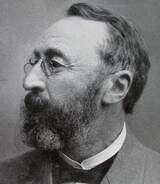 Peter Ludwig Mejdell Sylow (1862–1918)Norwegian mathematician (1832-1918)
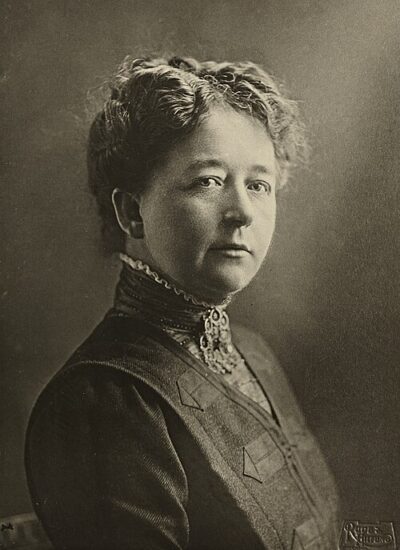 Kristine BonnevieNorwegian biologist and Norway's first female professor (1872–1948)
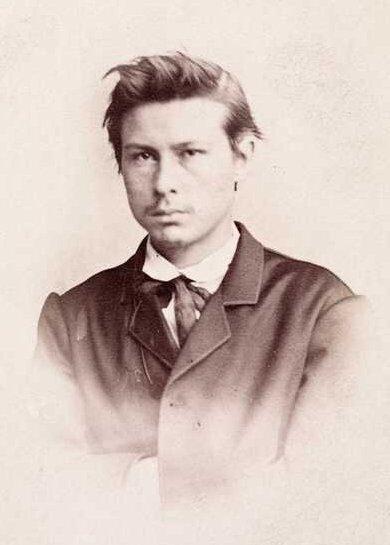 Georg Ossian Sars (1874–1918)Norwegian marine and freshwater biologist (1837–1927)
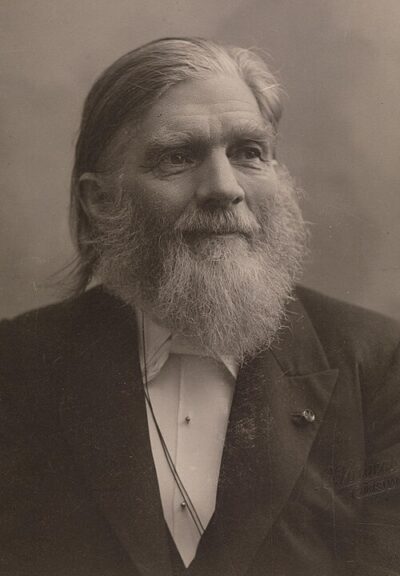 Peter WaageNorwegian chemist (1833-1900)
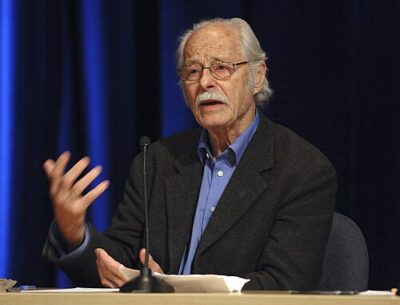 Fredrik BarthNorwegian social anthropologist (1928–2016)
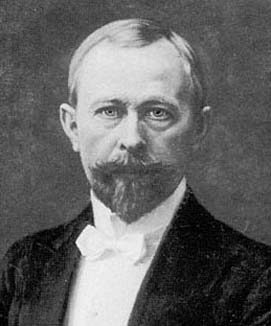 Axel Thue (1891–1922)Norwegian mathematician (1863-1922)
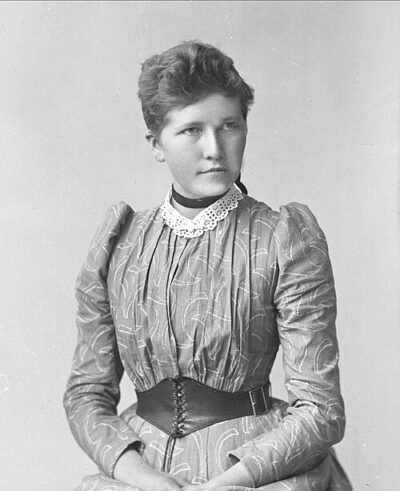 Thekla Resvoll (1902–1936)Norwegian botanist (1871-1948)
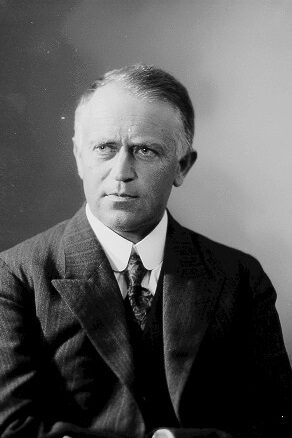 Viggo Brun (1946–1955)Norwegian mathematician (1885–1978)
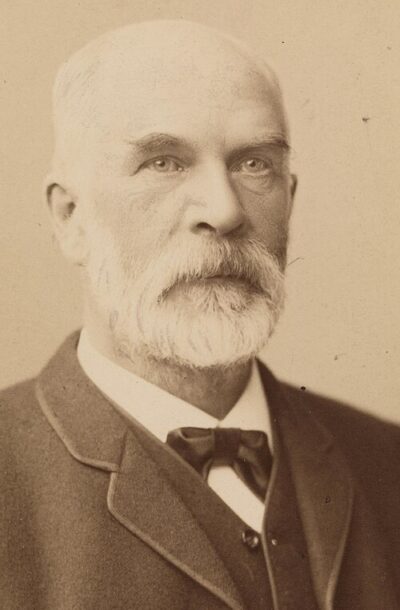 Cato Maximilian Guldbergmathematician and chemist from Norway
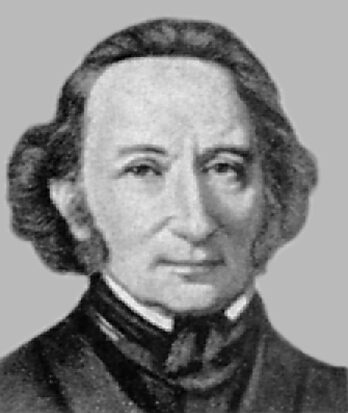 Christopher HansteenNorwegian geomagnetist
 Thoralf Skolem (1916–1957)Norwegian mathematician (1887-1963)
and 15 more
