
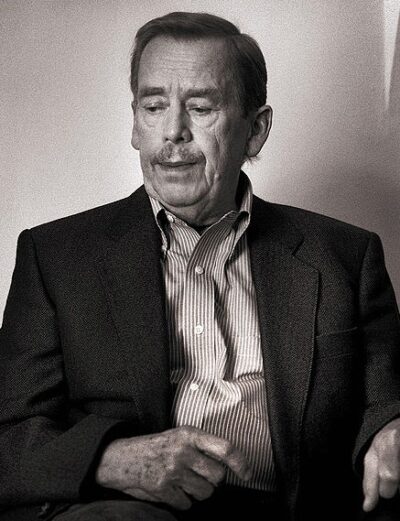
Václav Havel Human Rights Prize
Václav Havel Human Rights Prize is a Human Rights Prize. It was created in 2013. It is given by the Parliamentary Assembly of the Council of Europe.
- Created
- 2013
All 6 facts, and where they come from
Facts
6 facts · 0 confirmed by two sources · 0 cited · 6 from one source
Where this comes from
Papalocal keeps its own record. It started from these sources; what each one said is kept here as it was copied, so a change on their side never changes this page by itself. Tap one to read its version.
What Wikidata says · copied November 17, 2026 · revision 2560835716
- Described as
- Human Rights Prize
- Other names
- Vaclav Havel Human Rights Prize
- What it is
- human rights award
- Created
- 2013
- Given by
- Parliamentary Assembly of the Council of Europe; Václav Havel Library
- Named after
- Václav Havel
- Official website
- https://www.vaclavhavel.cz/
- Wikipedias with a page
- 18
Wikidata item Q9391965 (wikidata.org/wiki/Q9391965), public domain (CC0). Copied 2026-11-17.
What Wikipedia says · copied November 17, 2026 · revision 1381481217
The Václav Havel Human Rights Prize is an annual €60,000 award which honours "outstanding" civil society action in defence of human rights, in Europe and beyond. Individuals, non-governmental organisations and institutions working to defend human rights anywhere in the world may be nominated. Nine of the thirteen winners to date were in detention because of their human rights activities at the time they received the prize.
From the Wikipedia article “Václav Havel Human Rights Prize” (en.wikipedia.org/wiki/Václav_Havel_Human_Rights_Prize), by its contributors, under CC BY-SA 4.0 (creativecommons.org/licenses/by-sa/4.0/). Copied 2026-11-17; not changed.
Confirmed Two sources agree. Cited One source, and it names where it got it. One source One source, without a reference of its own. Sources disagree The sources disagree. We show the best-supported value and keep theirs below.
Picture: original: Jiří Jiroutek derivative work: ThecentreCZ, via Wikimedia Commons · CC BY 3.0
People connected 10
Won it
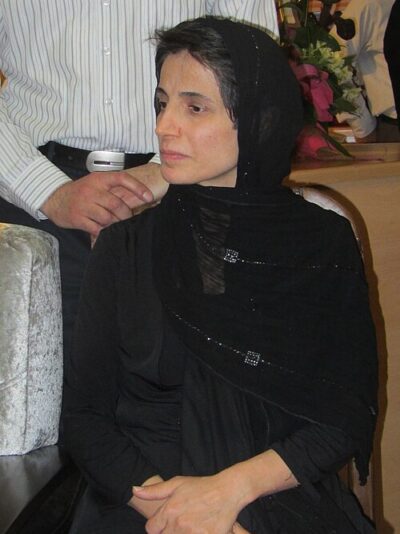 Nasrin Sotoudeh (2026)Iranian lawyer and human right activist
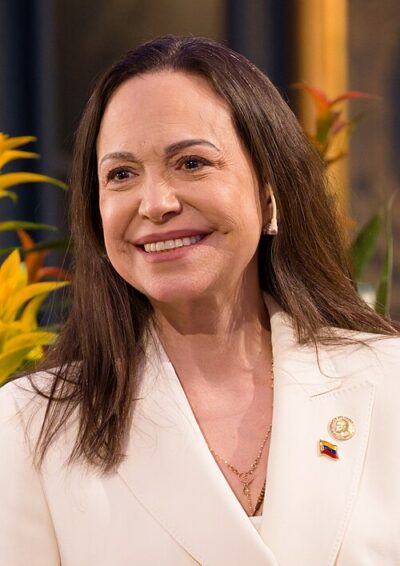 María Corina Machado (2024)Venezuelan politician, activist and Nobel laureate (born 1967)
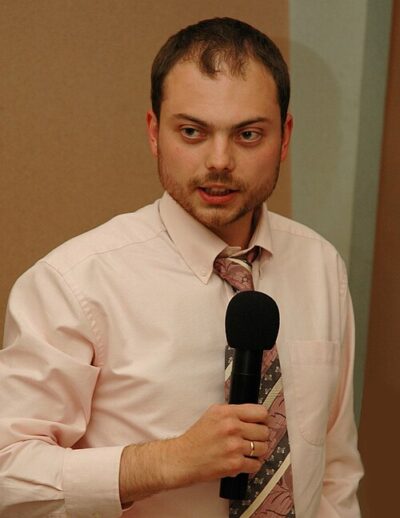 Vladimir Kara-Murza (2022)Russian politician and journalist (born 1981)
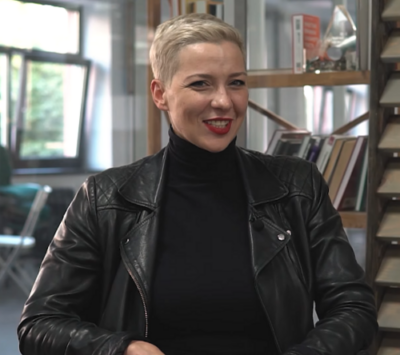 Maryja Kaleśnikava (2021)Belarusian musician, cultural and political activist
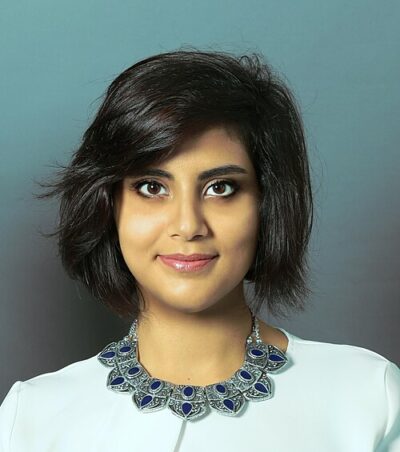 Loujain al-Hathloul (2020)Saudi Arabian activist
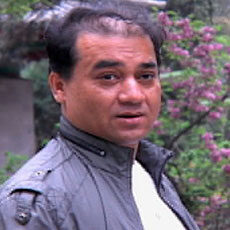 Ilham Tohti (2019)Uyghur economist and Human Rights activist
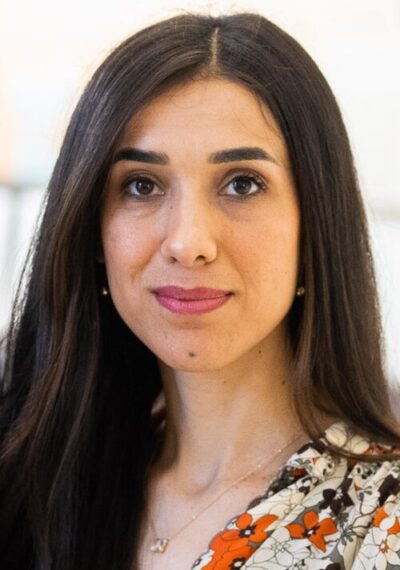 Nadia Murad (2016)Yazidi human rights activist from Iraq and winner of the 2018 Nobel Peace Prize
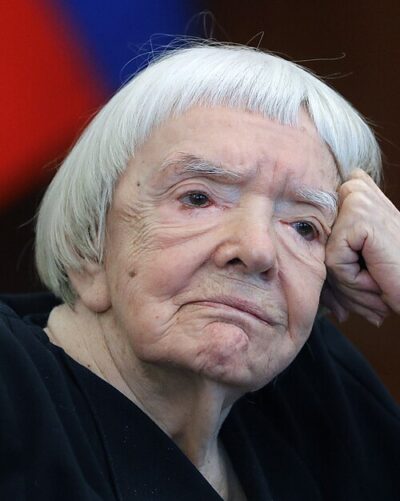 Lyudmila Alexeyeva (2015)Soviet-Russian human rights activist (1927–2018)
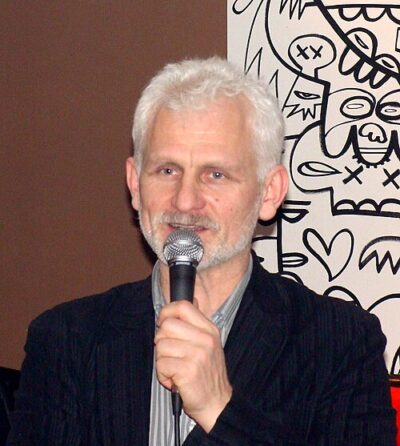 Ales Bialiatski (2013)Belarusian activist, Nobel laureate (born 1962)
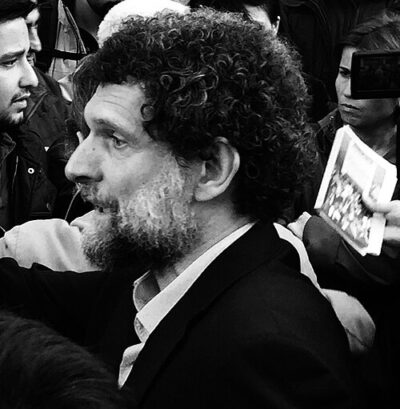 Osman KavalaTurkish businessperson and philanthropist (born 1957)
