
Parliamentary Assembly of the Council of Europe
The Parliamentary Assembly of the Council of Europe is a parliamentary assembly. It was founded in 1949. Its headquarters are in Palace of Europe.
- Founded
- May 5, 1949
- Headquarters
- Palace of Europe
All 5 facts, and where they come from
Facts
5 facts · 0 confirmed by two sources · 1 cited · 4 from one source
Where this comes from
Papalocal keeps its own record. It started from these sources; what each one said is kept here as it was copied, so a change on their side never changes this page by itself. Tap one to read its version.
What Wikidata says · copied November 17, 2026 · revision 2553098043
- Described as
- parliamentary assembly
- Other names
- PACE, the Parliamentary Assembly of the Council of Europe
- What it is
- international parliamentary assembly
- Founded
- May 5, 1949
- Headquarters
- Palace of Europe
- Chair
- Petra Bayr (2026–) · 1 reference
- Official website
- https://pace.coe.int/en/
- Wikipedias with a page
- 44
Wikidata item Q939743 (wikidata.org/wiki/Q939743), public domain (CC0). Copied 2026-11-17.
What Wikipedia says · copied November 17, 2026 · revision 1386072226
The Parliamentary Assembly of the Council of Europe (PACE) is the parliamentary arm of the Council of Europe, a 46-nation international organisation dedicated to upholding human rights, democracy and the rule of law.
The Assembly is made up of 306 members drawn from the national parliaments of the Council of Europe's member states, and meets four times a year for week-long plenary sessions in Strasbourg.
It is one of the two statutory bodies of the Council of Europe, along with the Committee of Ministers, the executive body representing governments, with which it holds an ongoing dialogue. However, it is the Assembly which is usually regarded as the "motor" of the organisation, holding governments to account on human rights issues, pressing states to maintain democratic standards, proposing fresh ideas and generating the momentum for reform.
The Assembly held its first session in Strasbourg on 10 August 1949, embodying at that time the hopes of many Europeans who, in the aftermath of World War II, saw European unity as the best way of preventing a return to the devastation of war, a "safety net" to prevent gross human rights violations such as the horrors of the Holocaust, and a democratic bulwark against tyranny.
Among the Assembly's main achievements are:ending the death penalty in Europe amongst signatories by requiring new member states to stop all executions;
making possible, and providing a blueprint for, the European Convention on Human Rights;
high-profile reports exposing violations of human rights in Council of Europe member states;
assisting former Soviet countries to embrace democracy after 1989;
inspiring and helping to shape many progressive new national laws;
helping member states to overcome conflict or reach consensus on divisive political or social issues; and
adopting the Flag of Europe and the Anthem of Europe, both later taken up by the European Union.
From the Wikipedia article “Parliamentary Assembly of the Council of Europe” (en.wikipedia.org/wiki/Parliamentary_Assembly_of_the_Council_of_Europe), by its contributors, under CC BY-SA 4.0 (creativecommons.org/licenses/by-sa/4.0/). Copied 2026-11-17; not changed.
Confirmed Two sources agree. Cited One source, and it names where it got it. One source One source, without a reference of its own. Sources disagree The sources disagree. We show the best-supported value and keep theirs below.
People connected 138
Members 138
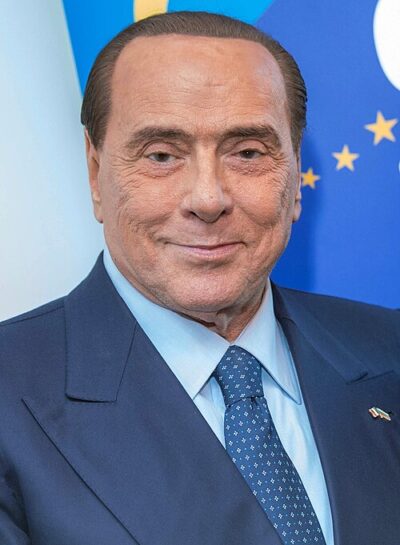 Silvio BerlusconiItalian media tycoon and politician (1936–2023)
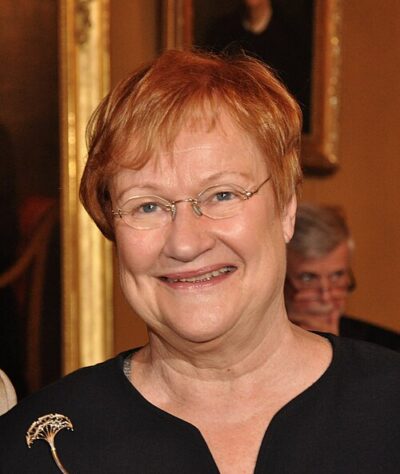 Tarja HalonenPresident of Finland from 2000 to 2012 (born 1943)
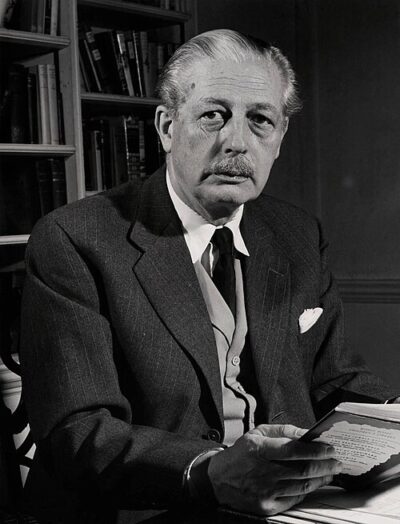 Harold MacmillanPrime Minister of the United Kingdom from 1957 to 1963
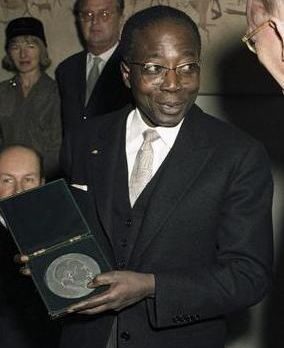 Léopold Sédar Senghorfirst president of Senegal, poet, and cultural theorist (1906–2001)
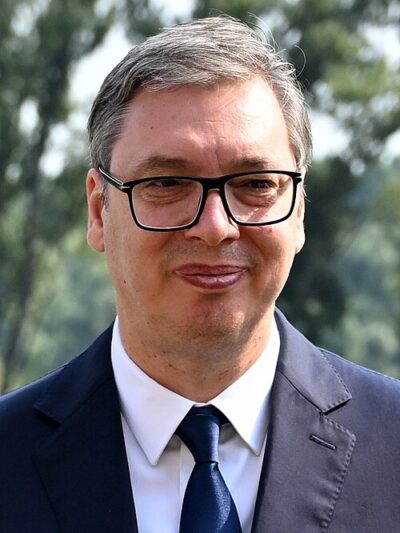 Aleksandar Vučić5th President of the Republic of Serbia
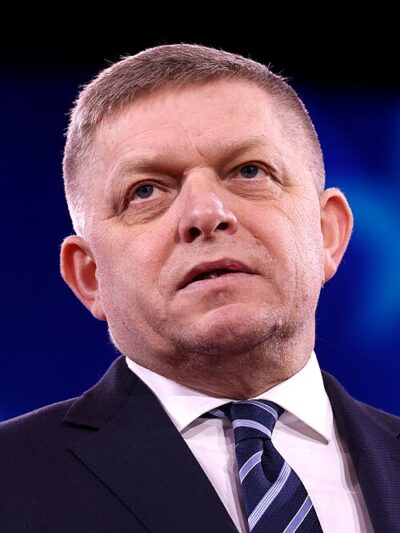 Robert FicoPrime Minister of Slovakia since 2023
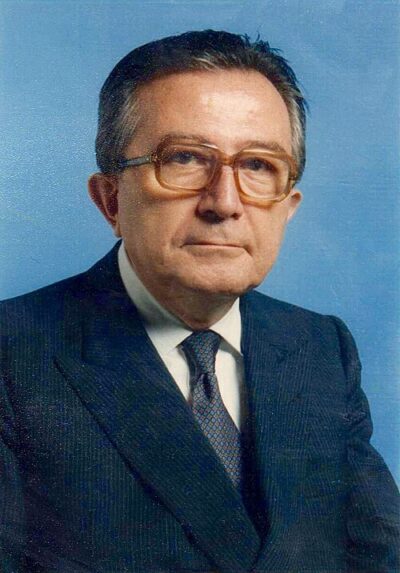 Giulio AndreottiItalian politician and statesman (1919–2013)
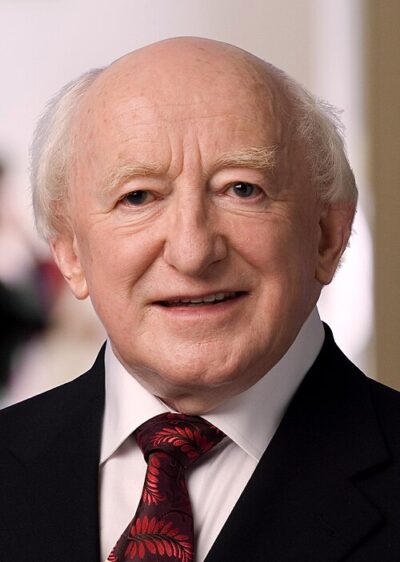 Michael D. Higgins (2001–2003)President of Ireland (2011–2018; 2018–2025)
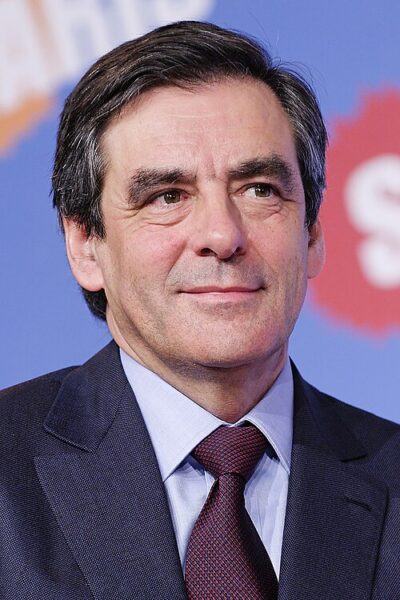 François Fillonprime minister of France (2007-2012)
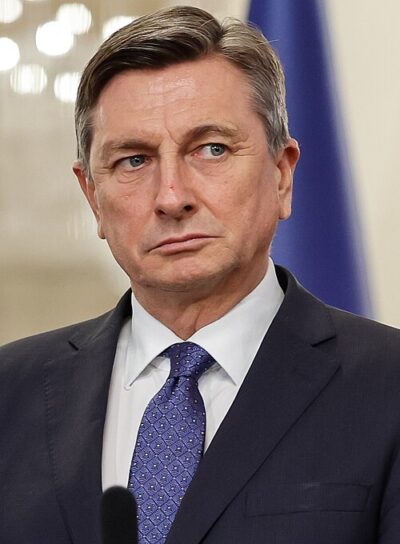 Borut PahorSlovenian Politician, former Prime Minister and President, born 1963
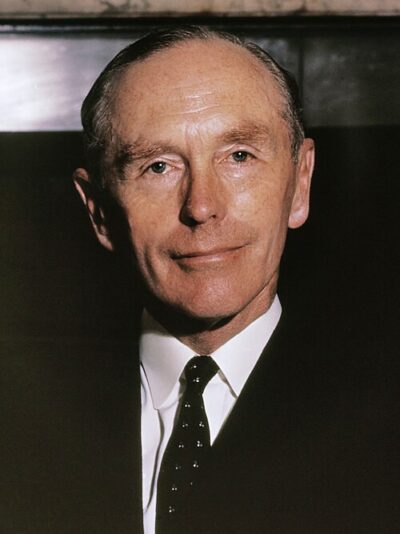 Alec Douglas-HomePrime Minister of the United Kingdom from 1963 to 1964
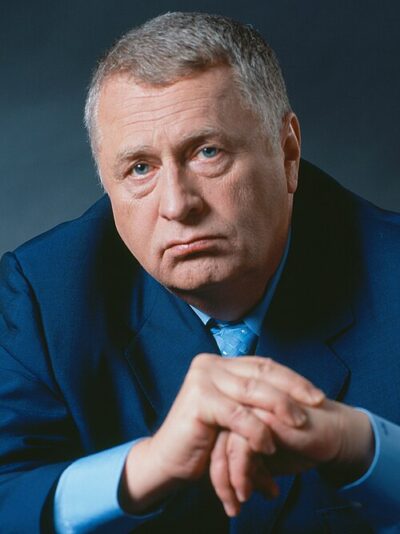 Vladimir ZhirinovskyRussian politician (1946–2022)
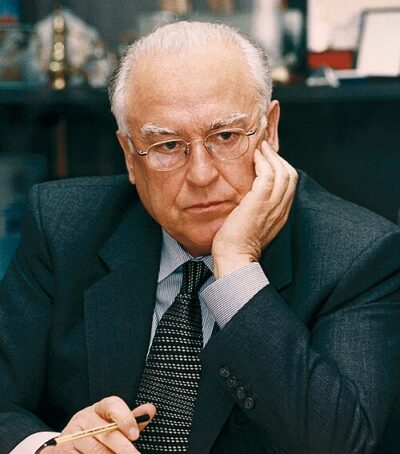 Victor ChernomyrdinRussian diplomat and politician (1938–2010)
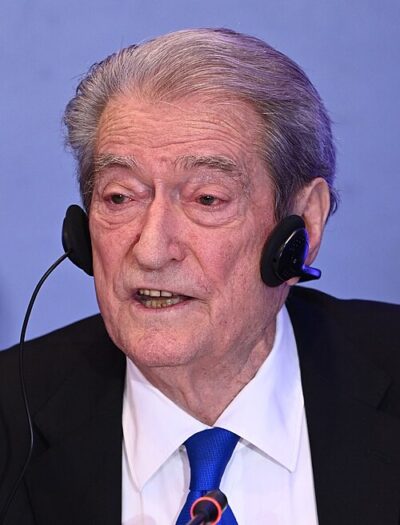 Sali BerishaAlbanian politician
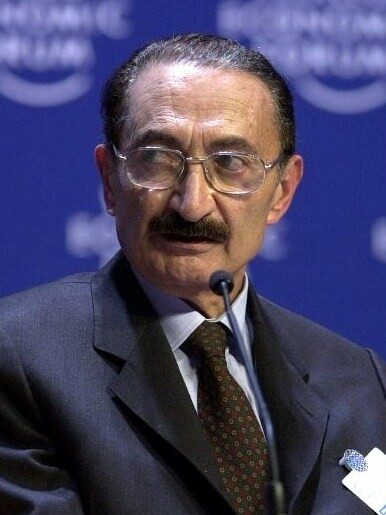 Bülent Ecevit16th Prime Minister of the Republic of Turkey (1925–2006)
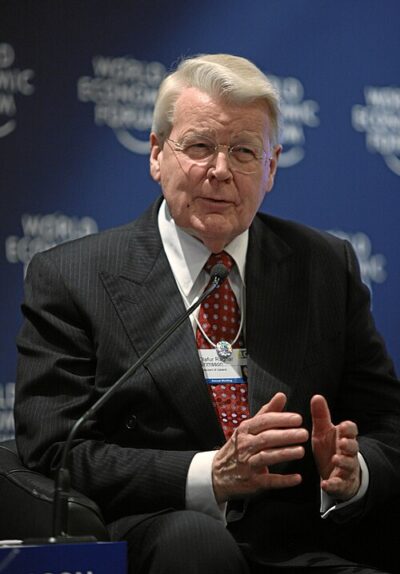 Ólafur Ragnar GrímssonIcelandic politician, 5th President of Iceland
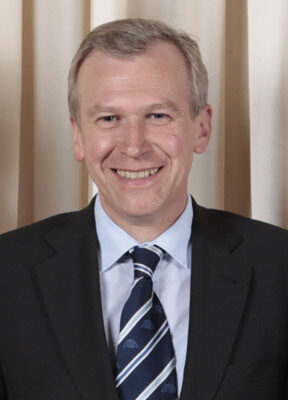 Yves Letermeformer Belgian prime minister
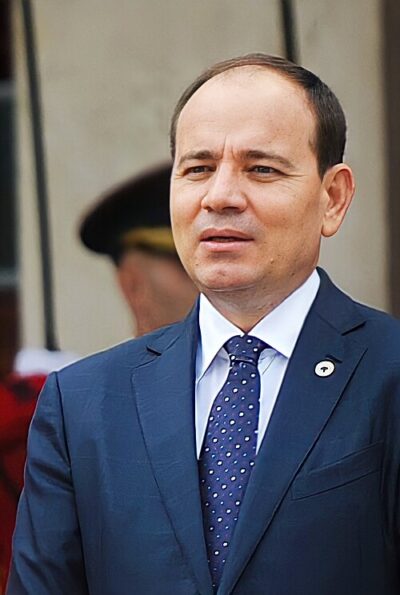 Bujar Nishani (2006–2007)Albanian politician (1966–2022)
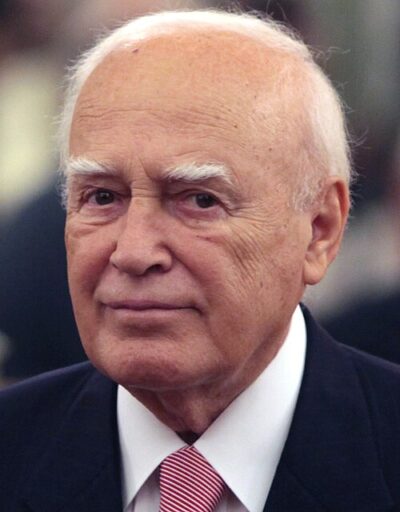 Karolos Papoulias6th President of Greece (1929–2021)
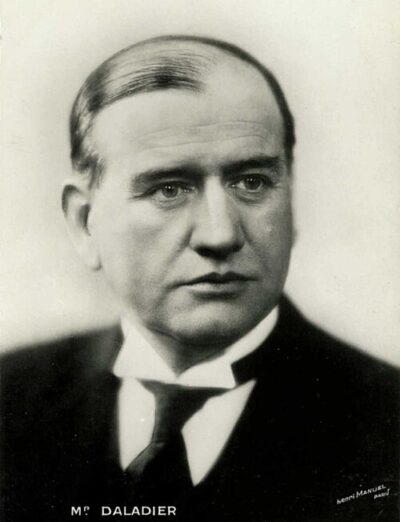 Édouard DaladierFrench politician (1884-1970)
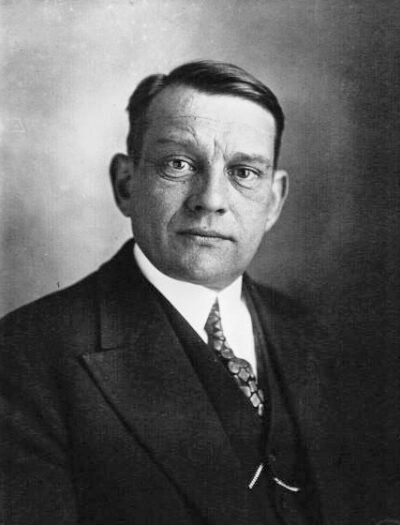 René Coty17th President of the French Republic (1882–1962)
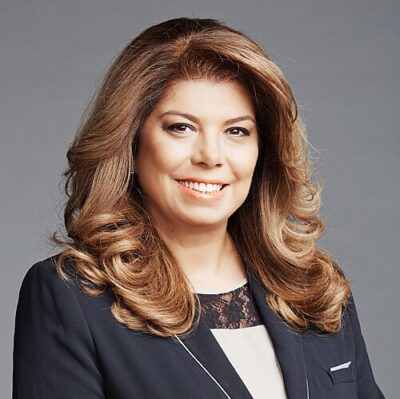 Iliana IotovaPresident of Bulgaria since 2026, vice-president of Bulgaria from 2017 to 2026, politician and journalist
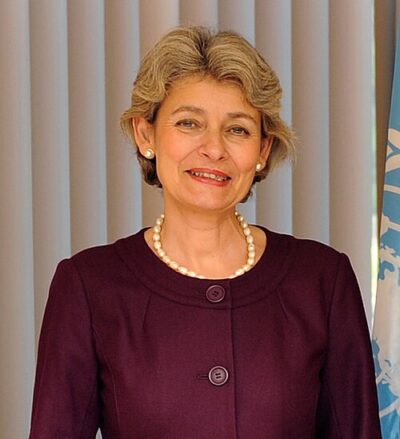 Irina BokovaBulgarian diplomat
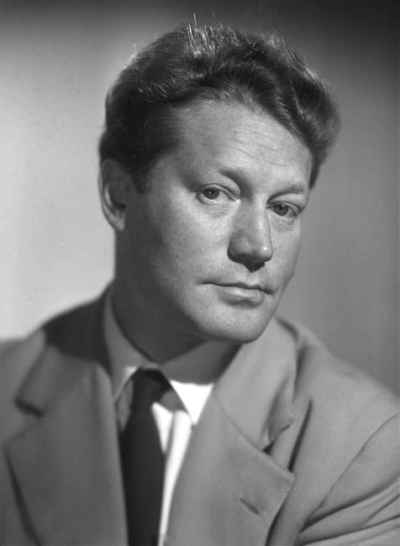 Maurice DruonFrench novelist
and 114 more
