
Vice-Chancellor of Germany
Vice-Chancellor of Germany is a position. It was created in 1949.
All 4 facts, and where they come from
Facts
4 facts · 0 confirmed by two sources · 0 cited · 4 from one source
Where this comes from
Papalocal keeps its own record. It started from these sources; what each one said is kept here as it was copied, so a change on their side never changes this page by itself. Tap one to read its version.
What Wikidata says · copied November 16, 2026 · revision 2568988896
- Described as
- position
- Other names
- Vice Chancellor of Germany, Deputy to the Federal Chancellor
- What it is
- position
- Created
- May 24, 1949
- Country
- Germany
- Office of
- Germany
- Wikipedias with a page
- 27
Wikidata item Q504272 (wikidata.org/wiki/Q504272), public domain (CC0). Copied 2026-11-16.
What Wikipedia says · copied November 16, 2026 · revision 1383274343
The vice-chancellor of Germany, officially the deputy to the federal chancellor (German: Stellvertreter des Bundeskanzlers), is the second highest ranking German cabinet member. The chancellor is the head of government and, according to the constitution, gives this title of deputy to one of the federal ministers. It is custom that the title is given to a minister of the largest coalition partner, from 1966 to 2011 typically the foreign minister, though since 2011 the minister for economic affairs has held the title most often.
In everyday politics, being vice-chancellor is considered more of an honorary title. The vice-chancellor may head cabinet meetings when the chancellor is absent. The function of vice-chancellor is to use the specific constitutional powers of the chancellor in case that the chancellor is unable to perform their duties. This kind of substitution has never been made use of in the history of the Federal Republic. Should a chancellor resign, die or be permanently unable to perform the duties of office, the vice-chancellor does not automatically become the next chancellor. In such a case the Federal President assigns a minister to serve as acting chancellor until the Bundestag (parliament) elects a new chancellor.
Although Stellvertreter is the constitutional term, vice-chancellor (Vizekanzler) is used more commonly. Chancellor (Kanzler) is the traditional term for the German head of government since 1867/71. A general deputy was introduced by law in 1878 (Stellvertretungsgesetz). In the Weimar Republic of 1919–1933, the office of Vizekanzler was mentioned in the internal regulation of the government. The current title has existed since the constitution of 1949.
Lars Klingbeil (Social Democratic Party) is the current officeholder since 6 May 2025.
From the Wikipedia article “Vice-Chancellor of Germany” (en.wikipedia.org/wiki/Vice-Chancellor_of_Germany), by its contributors, under CC BY-SA 4.0 (creativecommons.org/licenses/by-sa/4.0/). Copied 2026-11-16; not changed.
Confirmed Two sources agree. Cited One source, and it names where it got it. One source One source, without a reference of its own. Sources disagree The sources disagree. We show the best-supported value and keep theirs below.
People connected 18
Held this office
 Lars Klingbeil (2025–)German politician (SPD), SPD Federal Chairman, Member of the Bundestag, Federal Finance Minister and Vice-Chancellor from Germany since 2025
 Robert Habeck (2021–2025)German politician and writer, Vice Chancellor of Germany from 2021 to 2025 (born 1969)
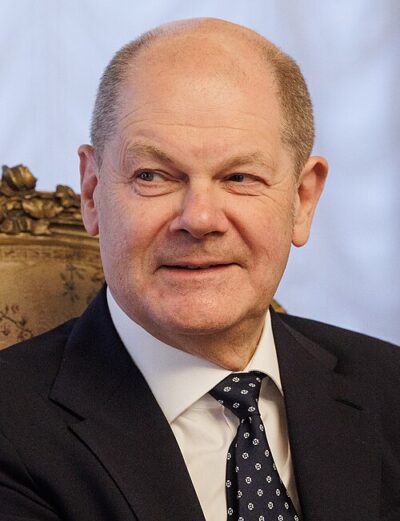 Olaf Scholz (2018–2021)German politician (SPD), ninth Chancellor of the Federal Republic of Germany (2021–2025), Member of the Bundestag
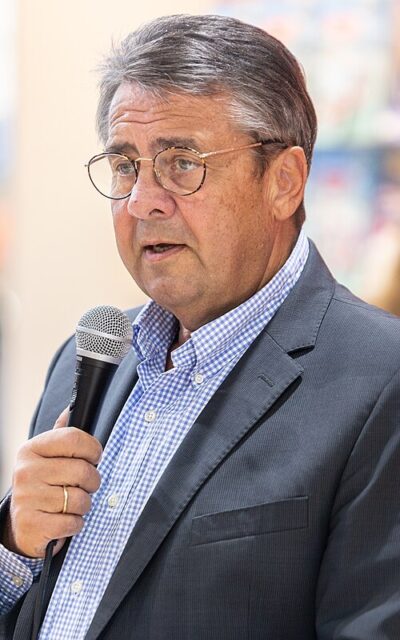 Sigmar Gabriel (2013–2018)German politician (SPD)
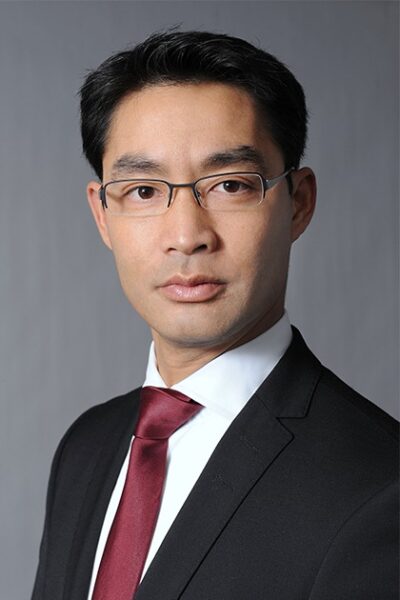 Philipp Rösler (2011–2013)German politician
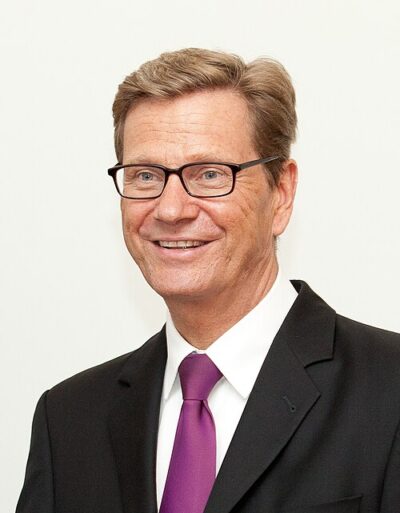 Guido Westerwelle (2009–2011)German politician (FDP), Foreign Minister of Germany (1961-2016)
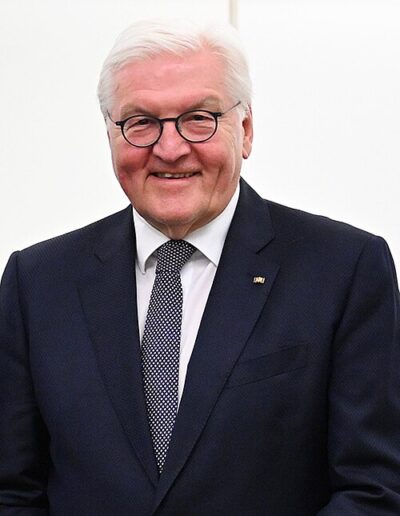 Frank-Walter Steinmeier (2007–2009)German politician, president of Germany since 2017
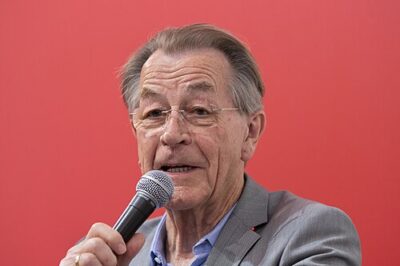 Franz Müntefering (2005–2007)German politician and industrial manager (born 1940)
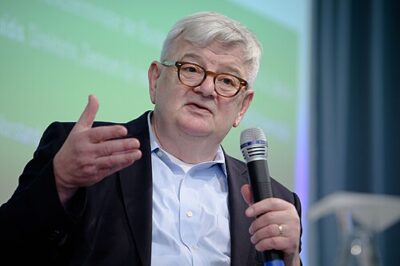 Joschka Fischer (1998–2005)German politician
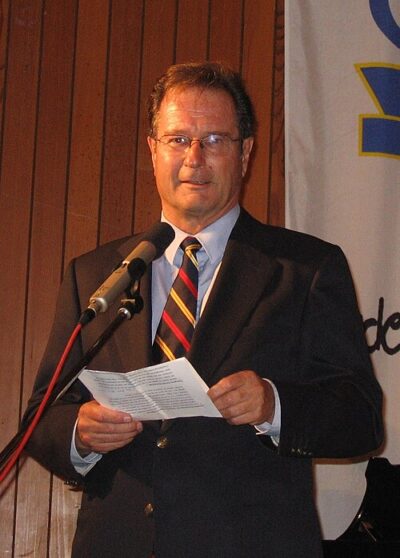 Klaus Kinkel (1993–1998)Chairman of the FDP (1936-2019)
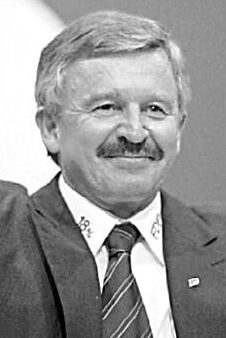 Jürgen Möllemann (1992–1993)German politician (1945-2003)
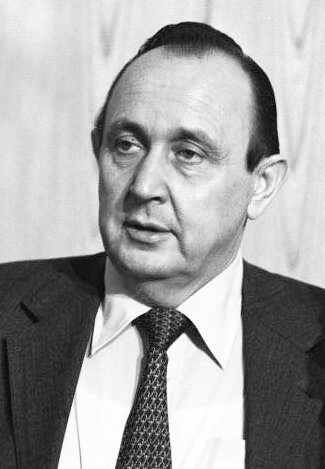 Hans-Dietrich Genscher (1974–1992)German politician and member of the Free Democratic Party (1927-2016)
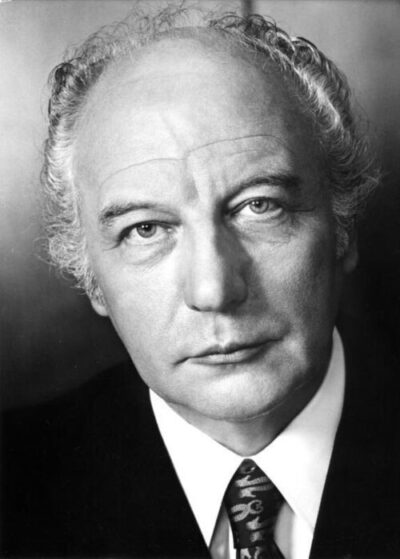 Walter Scheel (1969–1974)President of West Germany (1974–1979)
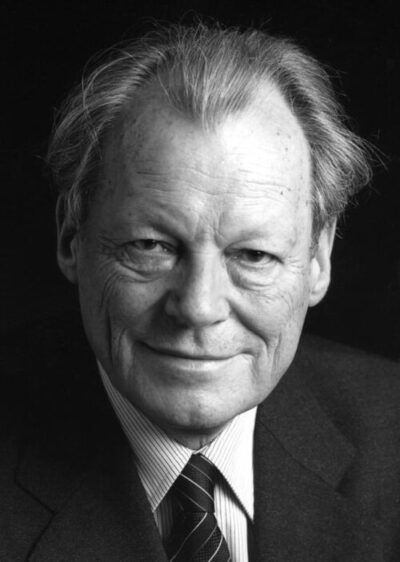 Willy Brandt (1966–1969)German politician (SPD), chancellor of West Germany (1969–1974) and Nobel Peace Prize laureate
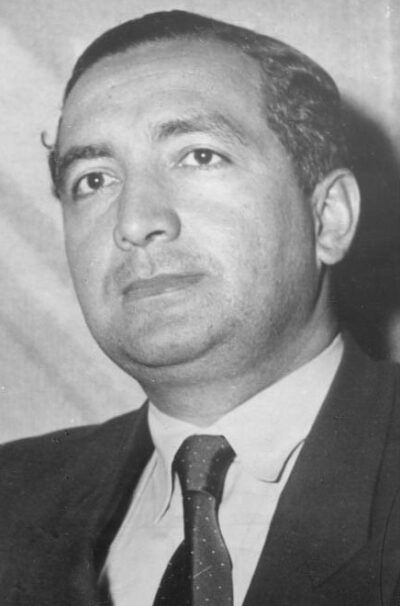 Erich Mende (1963–1966)German politician (1916-1998)
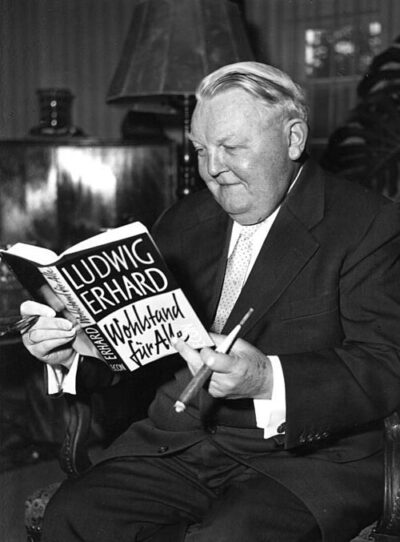 Ludwig Erhard (1957–1963)Chancellor of West Germany (1963–1966)
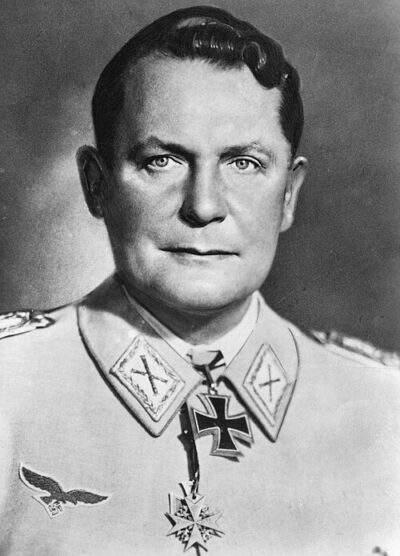 Hermann Göring (1941–1945)German Nazi politician, military leader, and convicted war criminal (1893–1946)
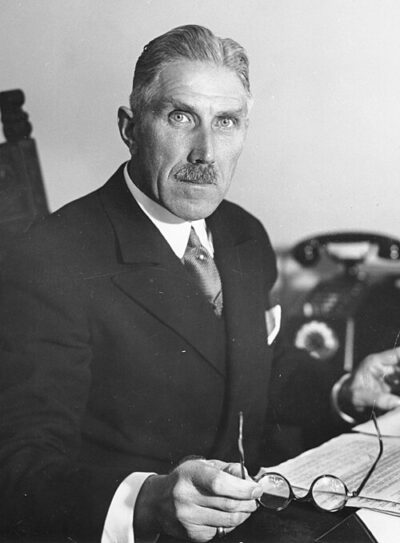 Franz von Papen (1933–1934)German general staff officer, politician, diplomat, nobleman and Chancellor of Germany (1879–1969)
