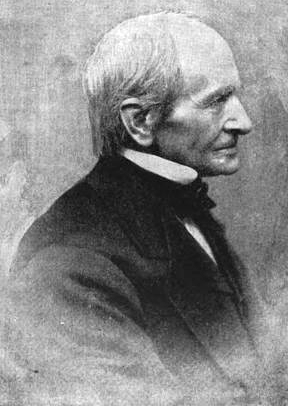
Yerkes Observatory
Yerkes Observatory is an astronomical observatory in Wisconsin, USA. It was founded in 1897. Its headquarters are in Williams Bay.
- Founded
- 1897
- Headquarters
- Williams Bay
- Country
- United States
All 8 facts, and where they come from
Facts
8 facts · 0 confirmed by two sources · 5 cited · 3 from one source
Where this comes from
Papalocal keeps its own record. It started from these sources; what each one said is kept here as it was copied, so a change on their side never changes this page by itself. Tap one to read its version.
What Wikidata says · copied November 16, 2026 · revision 2532168726
- Described as
- astronomical observatory in Wisconsin, USA
- Other names
- 754 YE
- What it is
- astronomical observatory
- Founded
- 1897 · 1 reference
- Headquarters
- Williams Bay · 1 reference
- Located in
- Williams Bay
- Country
- United States
- Part of
- University of Chicago (–2020) · 1 reference
- Named after
- Charles Yerkes · 1 reference
- Official website
- https://www.yerkesobservatory.org/ · 1 reference
- Wikipedias with a page
- 37
Wikidata item Q14310 (wikidata.org/wiki/Q14310), public domain (CC0). Copied 2026-11-16.
What Wikipedia says · copied November 16, 2026 · revision 1384243779
The Yerkes Observatory ( YUR-keez) is an astronomical observatory in Williams Bay, Wisconsin, United States. Founded in 1897, it houses the world's largest refracting telescope in the world, with a doublet-lens aperture of 40 inches (100 cm). It was initially operated by the University of Chicago Department of Astronomy and Astrophysics from its founding until 2018, after which ownership was transferred to the non-profit organization Yerkes Future Foundation (YFF) in May 2020, which began heavy restoration and renovation of the historic buildings and grounds. Yerkes re-opened for public tours and programming in May 2022.
The observatory — known as "the birthplace of modern astrophysics" — was founded in 1892 by astronomer George Ellery Hale and financed by businessman Charles T. Yerkes. It represented a shift in the thinking about observatories, from their being mere housing for telescopes and observers, to the early-20th-century concept of observation equipment integrated with laboratory space for physics and chemistry analysis.
The observatory's main dome houses a 40 inch aperture (100 cm) doublet lens refracting telescope, the largest refractor ever successfully used for astronomical observation. The Swedish Solar Telescope in the Canary Islands has a slightly larger 43-in diameter (109 cm) lens but only 39-in (99 cm) clear aperture and is primarily dedicated to solar observations. There are two smaller domes at Yerkes in which are currently mounted 41-inch (104 cm) and 24-inch (60 cm) reflecting telescopes. The observatory also holds a collection of over 170,000 photographic plates.
The Yerkes 40-inch was the largest refracting-type telescope in the world when it was dedicated in 1897. Another large telescope of this period was the Great Melbourne Telescope, which was a reflector. In the United States, the Lick refractor had just a few years earlier come online in 1888 in California with a 36-inch (91 cm) lens.
Prior to its installation, the telescope on its enormous German equatorial mount was shown at the World's Columbian Exhibition in Chicago, Illinois during the time the observatory was under construction.
The observatory was a center for serious astronomical research for more than 100 years. By the 21st century, however, the historic telescope had reached the end of its research life. The University of Chicago closed the observatory in October 2018. In November 2019, it was announced that the university would transfer Yerkes Observatory to the non-profit Yerkes Future Foundation (YFF). The transfer of ownership took place on May 1, 2020.
From the Wikipedia article “Yerkes Observatory” (en.wikipedia.org/wiki/Yerkes_Observatory), by its contributors, under CC BY-SA 4.0 (creativecommons.org/licenses/by-sa/4.0/). Copied 2026-11-16; not changed.
Confirmed Two sources agree. Cited One source, and it names where it got it. One source One source, without a reference of its own. Sources disagree The sources disagree. We show the best-supported value and keep theirs below.
Picture: Wikimedia Commons: Yerkesobservatoryfromair.jpg · See Commons file page
People connected 10
Worked here
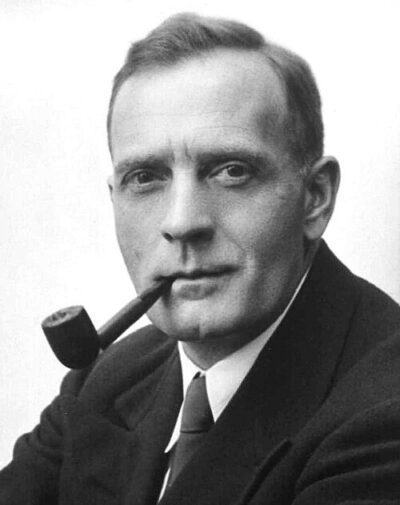 Edwin HubbleAmerican astronomer (1889–1953)
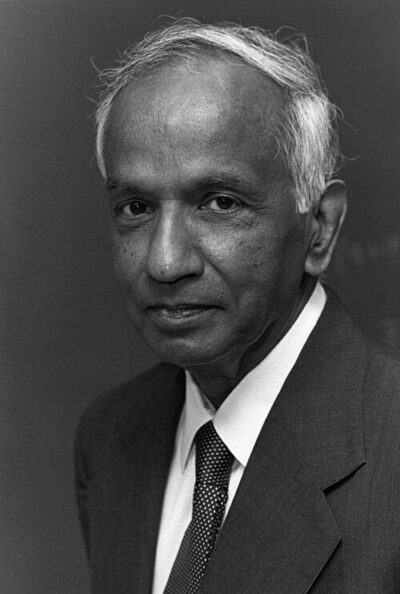 Subrahmanyan Chandrasekhar (1937–1942)Indian-American astrophysicist
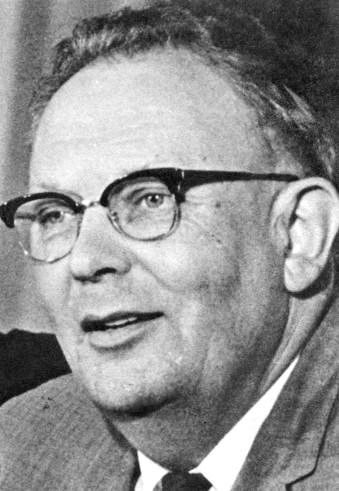 Gerard Kuiper (1936–1960)Netherlands-born American astronomer (1905–1973)
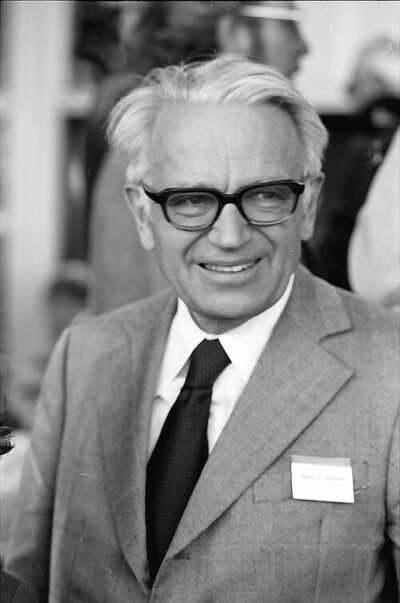 Gerhard HerzbergGerman-Canadian physicist and physical chemist (1904-1999)
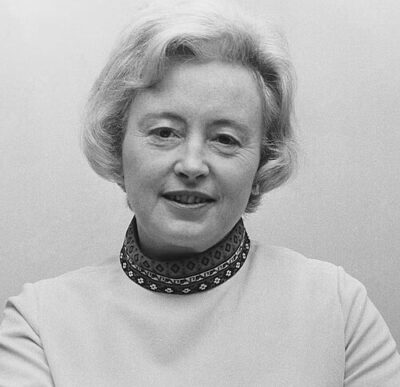 Margaret BurbidgeBritish-born American astronomer (1919–2020)
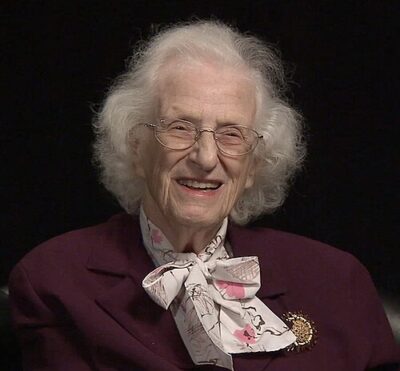 Nancy Roman (1949–1954)American astronomer and principal in the Hubble Space Telescope project (1925-2018)
 J. Allen HynekAmerican astronomer (1910–1986)
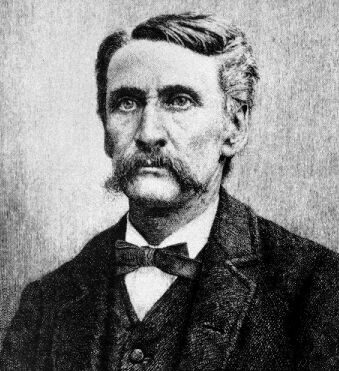 Sherburne Wesley BurnhamAmerican astronomer (1838–1921)
- FFrank Elmore Ross (1924–1939)American astronomer and physicist (1874–1960)